
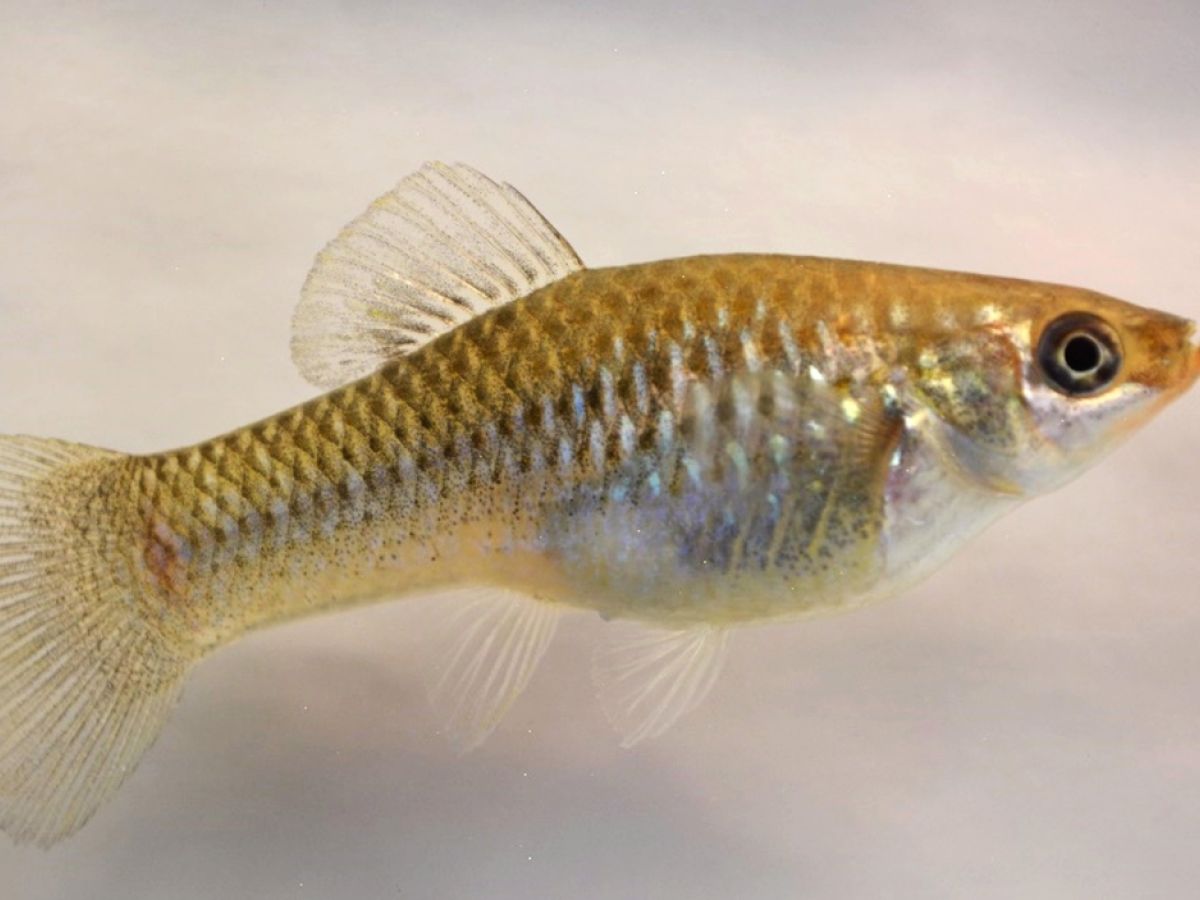
Are you struggling to manage Molly’s sudden aggressive behavior? It can be frustrating and even worrying when your female Molly starts acting out.
But don’t worry—understanding why this happens and learning simple prevention techniques can make a huge difference. You’ll discover practical tips to keep your Molly calm and happy. Keep reading to find out how you can create a peaceful environment for your fish and stop aggression before it starts.
Credit: www.psychologytoday.com
Causes Of Female Molly Aggression
Female mollies sometimes show aggression. This can confuse fish owners. Knowing the causes helps manage their behavior.
Aggression in female mollies often links to their environment and social needs. Understanding these helps keep peace in the tank.
Territorial Behavior
Female mollies defend their space in the tank. They may chase other fish away to protect their territory. This behavior is natural but can cause fights.
- Marking a favorite area
- Guarding hiding spots
- Protecting food sources
Breeding Stress
Breeding causes stress that may increase aggression. Female mollies become more protective and nervous. This leads to more chasing and biting.
Overcrowding Issues
Too many fish in one tank raises stress levels. Overcrowding limits space and hiding spots. Aggression rises as mollies compete for room.
| Tank Size | Recommended Number of Mollies |
| 10 gallons | 3-4 females |
| 20 gallons | 6-8 females |
| 30 gallons | 9-12 females |
Compatibility Factors
Some fish do not get along well. Female mollies may act aggressively toward certain tank mates. Choosing compatible fish reduces fights.
Common compatible fish with mollies:
- Platies
- Guppies
- Corydoras catfish
- Neon tetras

Credit: www.cheapplantedaquarium.com
Ideal Tank Setup
Molly fish can show female aggression if their environment is not right. Setting up a good tank helps reduce fighting. A peaceful tank keeps mollies happy and healthy.
This guide explains the best tank setup to stop female mollies from being aggressive. Follow these tips to create a calm space for your fish.
Tank Size Recommendations
Mollies need enough space to swim and hide. A small tank can cause stress and fights. Bigger tanks give more room and lower aggression.
For female mollies, a tank of at least 20 gallons is best. More space means less chance of fighting. Add extra gallons for each new fish.
- Minimum tank size: 20 gallons
- Add 5 gallons for each additional molly
- Long tanks offer more swimming space
Hiding Spots And Plants
Female mollies need places to hide to feel safe. Hiding spots reduce stress and stop fights. Plants and decorations make good hiding places.
Use live or fake plants to create cover. Add caves or tunnels for extra shelter. These spots help mollies escape from aggressive fish.
- Dense plants like java moss or hornwort
- Caves made from rocks or decorations
- Tunnels or PVC pipes for hiding
Water Quality Parameters
Good water quality keeps mollies calm and healthy. Poor water causes stress and increases aggression. Check water parameters often.
Maintain stable water conditions that match molly needs. Clean water helps prevent disease and fights.
- Temperature: 72-78°F (22-26°C)
- pH level: 7.5 to 8.5
- Hardness: 10-25 dGH
- Regular partial water changes (20% weekly)
Proper Filtration
Filtration keeps the water clean and safe for mollies. Good filters remove waste and toxins. Clean water lowers stress and fights.
Choose a filter that fits your tank size. Avoid strong currents that can tire mollies. A quiet filter helps keep fish calm.
- Use a filter rated for your tank size
- Consider sponge or hang-on-back filters
- Keep water flow gentle and steady
- Clean filter media monthly to maintain flow
Selecting Compatible Tank Mates
Choosing the right tank mates for Molly fish helps keep your aquarium peaceful. Compatible fish reduce stress and aggression.
Learn how to pick peaceful species, avoid aggressive fish, and manage group sizes for a balanced tank environment.
Peaceful Species Choices
Mollies do best with calm fish that share similar water needs. Avoid species that nip fins or chase others.
- Neon tetras – small, colorful, and peaceful
- Corydoras catfish – bottom dwellers that keep the tank clean
- Platies – easygoing and social fish
- Guppies – gentle and active swimmers
- Harlequin rasboras – peaceful and schooling fish
Avoiding Aggressive Fish
Aggressive fish can stress Mollies and cause fights. Some species are known for their territorial behavior.
| Aggressive Species | Reason to Avoid |
| Betta fish | Very territorial and attacks other males |
| Cichlids | Highly aggressive and defends territory fiercely |
| Tiger barbs | Known to nip fins of slow swimmers |
| Gouramis | May show aggression in small tanks |
Group Size Management
Keeping the right number of Mollies and tank mates helps reduce stress and aggression.
- Keep at least three Mollies together to promote social behavior.
- Do not overcrowd the tank; follow the one inch of fish per gallon rule.
- Separate aggressive individuals if fights start often.
- Provide plenty of hiding spots to reduce tension.
- Observe fish daily for signs of stress or bullying.
Feeding Strategies To Reduce Aggression
Female molly fish can show aggression during feeding times. Careful feeding helps lower fights and stress. Good feeding habits keep your molly fish calm and healthy.
Using the right feeding strategies helps balance their behavior. This guide explains how to feed molly fish to reduce aggression.
Balanced Diet Tips
A balanced diet keeps molly fish strong and less aggressive. Use different food types to meet their needs. Include plant-based and protein-rich foods.
Fresh vegetables, flakes, and pellets work well. Avoid only feeding one food type. Variety helps prevent hunger and fights.
- Feed high-quality flakes or pellets made for molly fish
- Add blanched spinach or zucchini for vitamins
- Include frozen or live brine shrimp for protein
- Rotate food types to keep fish interested
Feeding Frequency
Feed molly fish small amounts two to three times daily. Overfeeding causes aggression and water problems. Keep feeding times regular to reduce stress.
Watch your fish during feeding. Stop feeding when they stop eating to avoid leftover food. Consistent feeding helps molly fish feel secure.
- Feed 2-3 times each day
- Give only as much food as they can eat in 2-3 minutes
- Remove uneaten food after feeding
- Keep feeding times consistent every day
Avoiding Food Competition
Molly fish can fight over food if it is scarce. Spread food in different tank spots to stop fights. Use multiple feeding areas so all fish get food.
Separate aggressive fish during feeding if needed. This lowers tension and helps shy fish eat safely. Avoid crowding at feeding times.
- Scatter food across the tank surface
- Use several feeding spots to reduce crowding
- Feed shy fish separately if they are pushed away
- Keep tank clean to avoid leftover food buildup
Behavioral Monitoring And Intervention
Monitoring behavior is key to preventing female Molly aggression. Early intervention helps keep fish safe.
Careful observation and quick action reduce stress and injury in the tank environment.
Recognizing Early Aggression Signs
Watch for chasing, fin nipping, or sudden color changes. These signs show rising tension.
- Rapid darting movements
- Flared fins or gill covers
- Constant following of one fish
- Hiding or retreating fish
- Loss of appetite
Separating Aggressive Individuals
Removing an aggressive Molly can calm the group. Use a separate tank or container.
Keep the aggressive fish isolated until behavior improves. Check water conditions regularly.
| Method | Description | Benefit |
|---|---|---|
| Physical Separation | Place aggressive fish in a separate tank | Prevents injury to others |
| Visual Barrier | Use opaque barriers in the tank | Reduces triggering sights |
| Time-Out Periods | Temporary removal for a few days | Allows fish to calm down |
Using Tank Dividers
Tank dividers help separate fish without moving them. They create safe zones inside one tank.
Benefits of tank dividers:
- Reduce fighting by limiting contact
- Allow visual interaction to reduce stress
- Easy to install and remove
Choose dividers made from clear or mesh materials for good water flow.
Environmental Enrichment Techniques
Environmental enrichment techniques are essential for preventing female aggression in animals. By providing a stimulating environment, we can reduce stress and anxiety, promoting a healthier and happier animal.
Adding Plants And Decorations
Adding plants and decorations can greatly enrich an animal’s environment. This can include providing a variety of plants, such as flowers, trees, and shrubs, as well as adding decorative items like toys, tunnels, and climbing structures.
- Provide a variety of plants, such as flowers, trees, and shrubs, to create a visually appealing environment.
- Add decorative items like toys, tunnels, and climbing structures to stimulate exploration and play.
- Consider using plants with different textures and scents to create a more engaging environment.
Creating Visual Barriers
Creating visual barriers can help to reduce stress and anxiety in animals by providing a sense of security and privacy. This can include using dividers, screens, or other visual barriers to separate areas of the environment.
| Visual Barrier | Benefits |
| Dividers | Reduces stress and anxiety by providing a sense of security and privacy |
| Screens | Creates a sense of separation and reduces visual stimulation |
| Curtains | Provides a sense of comfort and security |
Adjusting Lighting Conditions
Adjusting lighting conditions can greatly impact an animal’s mood and behavior. By providing a range of lighting options, we can create a more stimulating and engaging environment.
- LED lighting to create a bright and energetic atmosphere
- Soft lighting to create a calming and relaxing environment
- Natural lighting to provide a sense of connection to the outdoors
Breeding Control To Minimize Fighting
Molly aggression is a common issue that can be prevented with proper breeding control. By understanding the factors that contribute to aggression in female molly fish, aquarists can take steps to minimize fighting and create a peaceful environment for their fish.
Separating Males And Females
One of the most effective ways to prevent aggression in female molly fish is to separate males and females. Males are typically more aggressive than females and can harass them, causing stress and anxiety. By keeping them separate, you can reduce the risk of aggression and create a more peaceful environment for your fish.
- Separate males and females at least 6-8 weeks after spawning
- Keep them in separate tanks to prevent harassment and stress
- Consider keeping only females in your tank to avoid aggression altogether
Managing Fry Population
Managing fry population is crucial to preventing aggression in female molly fish. When there are too many fry in the tank, females can become stressed and aggressive as they compete for resources and space. By managing the fry population, you can reduce the risk of aggression and create a more stable environment for your fish.
- Perform regular water changes to maintain optimal water quality
- Monitor fry population and remove excess fry to prevent overcrowding
- Consider using a separate tank for fry to prevent overcrowding and stress
Controlling Reproductive Cycles
Controlling reproductive cycles is another important aspect of preventing aggression in female molly fish. By understanding the reproductive cycle of your fish, you can take steps to prevent aggression and reduce stress. For example, you can separate males and females during spawning or use a separate tank for breeding.

Credit: www.aquariumsource.com
Frequently Asked Questions
What Causes Female Molly Aggression In Aquariums?
Female Molly aggression often results from overcrowding, lack of hiding spots, and breeding competition. Stress and poor water conditions can also trigger aggressive behavior. Providing ample space and environmental enrichment helps reduce conflicts among female Mollies.
How Can I Prevent Aggression Between Female Mollies?
Prevent aggression by maintaining a proper male-to-female ratio, usually one male to two or more females. Ensure a spacious tank with plenty of plants and hiding places. Regular water changes and balanced feeding also minimize stress-induced fights.
Are Female Mollies Naturally Aggressive Towards Each Other?
Female Mollies can display territorial behavior, especially in cramped or stressful environments. However, they are generally peaceful when kept in suitable conditions. Proper tank setup and social grouping reduce aggressive tendencies.
What Tank Conditions Reduce Female Molly Aggression?
Stable water temperature around 75-82°F, clean water, and a well-planted tank help prevent aggression. Avoid overcrowding and provide multiple hiding spots. Consistent care and balanced diet promote calm behavior.
Conclusion
Preventing female aggression in mollies helps keep your aquarium peaceful. Watch their behavior closely to spot early signs of trouble. Provide enough space and hiding spots for each fish. Keep water clean and stable to reduce stress. Feed them well to avoid competition over food.
Calm mollies create a better environment for all tank mates. Small changes make a big difference in stopping fights. Consistent care leads to happy, healthy mollies. Enjoy a calm tank with less aggression and more beauty.