
If you want your aquarium to stay clean and your fish to thrive, understanding mechanical filtration is key. You might have noticed cloudy water or debris floating around, and that’s where mechanical filtration comes in to save the day.
It’s the first step in keeping your tank healthy by trapping dirt and particles before they cause problems. You’ll discover how mechanical filtration works, why it matters for your aquarium, and simple tips to choose the right filter for your setup.
Keep reading to make sure your underwater world stays crystal clear and vibrant.

Credit: theplecofeeder.com
Basics Of Mechanical Filtration
Mechanical filtration removes solid particles from aquarium water. It helps keep the water clean and clear. This process traps debris like uneaten food, fish waste, and plant matter.
Good mechanical filtration protects fish and plants. It also supports other types of filtration by removing physical waste. Understanding its basics helps maintain a healthy aquarium environment.
Role In Aquarium Health
Mechanical filtration prevents waste buildup that harms fish. It stops particles from clouding the water. Clean water improves oxygen levels and reduces harmful bacteria growth.
- Removes physical debris from water
- Improves water clarity
- Supports biological filtration by reducing waste
- Helps maintain stable water conditions
Common Mechanical Filters
Many types of mechanical filters exist to suit different aquariums. Each uses a material or device to catch particles. Choosing the right filter depends on tank size and needs.
| Filter Type | Description | Common Use |
|---|---|---|
| Foam Pads | Porous sponges that trap debris | Small to medium tanks |
| Filter Floss | Fine fibers that catch small particles | Supplement to other filters |
| Canister Filters | External units with mechanical media inside | Large or heavily stocked tanks |
| Power Filters | Hang-on-back filters with mechanical stages | Easy maintenance for various tanks |
Types Of Mechanical Media
Mechanical filtration is key in keeping aquariums clean. It removes debris and particles from the water. Different types of mechanical media help in this process.
Each type has its own benefits and is suited for various aquarium needs. Let’s explore some common types of mechanical media.
Foam And Sponge Filters
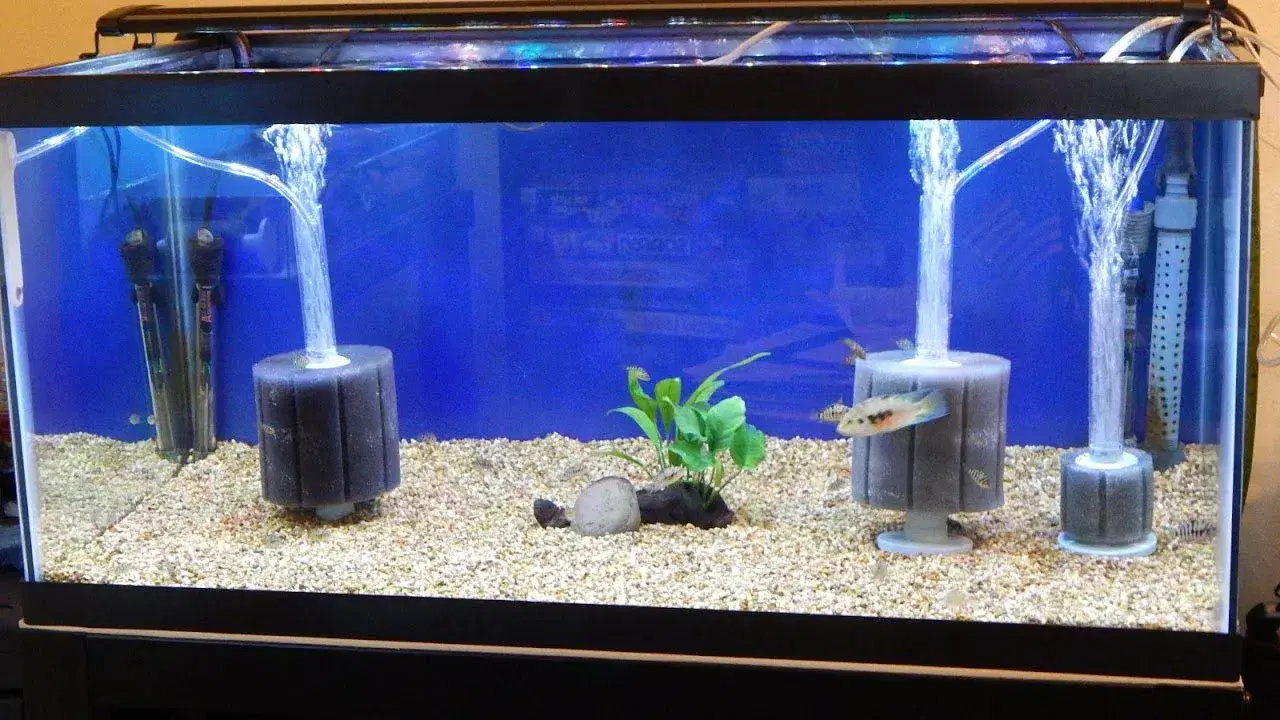
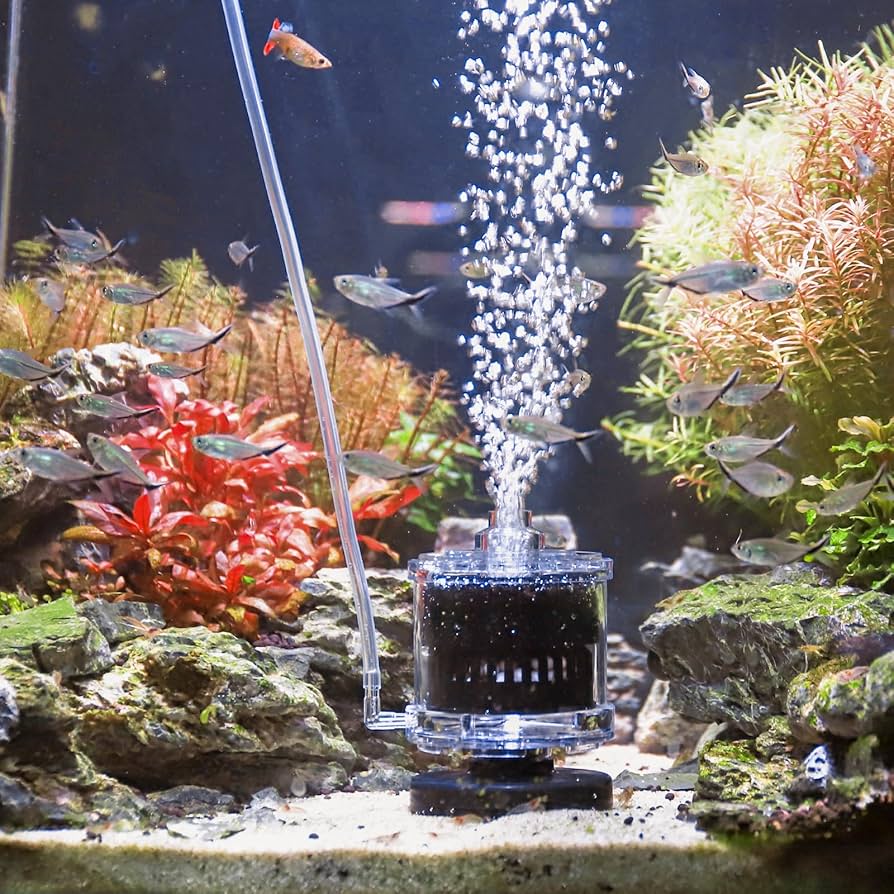
Foam and sponge filters trap large particles. They are often used in both freshwater and saltwater tanks. These filters provide a surface for beneficial bacteria to grow.
They are easy to clean and reuse. Rinse them in old tank water to preserve the helpful bacteria.
- Capture large particles and debris
- Support beneficial bacteria growth
- Easy maintenance and cleaning
Filter Pads And Floss
Filter pads and floss are used to catch fine particles. They are usually placed in canister filters or power filters. They help keep water clear and free of small debris.
These materials need regular replacement. This ensures they continue to work effectively.
- Traps fine particles for clearer water
- Used in canister and power filters
- Requires frequent replacement
Polyester And Synthetic Materials
Polyester and synthetic materials are durable. They are effective in capturing both large and small particles. These materials often come in sheets or rolls, allowing customization.
They can be cut to fit different filter sizes. Their durability means less frequent changes are needed.
- Durable and customizable
- Effective for varied particle sizes
- Less frequent changes required
Setting Up Mechanical Filtration
Mechanical filtration is key to keeping aquarium water clear. It removes particles like fish waste and leftover food.
Setting up this filtration properly helps maintain a healthy tank environment for your fish.
Choosing The Right Filter
Select a filter that matches your aquarium size and fish type. A filter too small will not clean well.
Look for filters with easily replaceable or washable filter media for better maintenance.
- Internal filters fit inside small tanks
- Hang-on-back filters are easy to access
- Canister filters suit large tanks
- Sponge filters are gentle for fry and shrimp
Placement Strategies
Place the filter where water flows well. This helps move debris to the filter quickly.
Avoid blocking the filter intake with decorations or plants. Keep the filter intake near the bottom.
- Near the tank bottom for better debris capture
- Close to water current for efficient filtration
- Away from fish hiding spots to reduce stress
Combining With Other Filtration Types
Mechanical filters work best with biological and chemical filters. Each type cleans different parts of the water.
Use mechanical filtration first to catch particles. Then biological filters remove harmful bacteria and chemical filters clean chemicals.
- Mechanical: Removes solid debris
- Biological: Breaks down toxins
- Chemical: Removes pollutants and odors
Maintaining Mechanical Filters
Mechanical filtration removes debris and particles from aquarium water. It helps keep the tank clean and healthy for fish.
Regular maintenance of mechanical filters ensures they work well. Clean filters prevent water flow blockages and keep the tank clear.
Cleaning Frequency
Clean mechanical filters often to avoid buildup of dirt and debris. The frequency depends on tank size and fish load.
Check the filter every two weeks. If the water flow slows down, it is time to clean the filter media.
- Small tanks may need cleaning every week
- Large tanks can go two to four weeks
- Heavy fish stocking requires more frequent cleaning
Avoiding Common Mistakes
Do not clean mechanical filter media with tap water. Chlorine in tap water can kill beneficial bacteria.
Do not clean all filter media at once. This can remove helpful bacteria needed for water quality.
- Use aquarium water to rinse filter media gently
- Clean one filter section at a time
- Do not over-clean; some debris helps bacteria grow
Replacing Filter Media
Replace filter media when it is worn out or no longer effective. Mechanical media can break down over time.
Do not replace all media at once. Change one part at a time to keep beneficial bacteria alive.
- Replace mechanical sponges or pads every 3 to 6 months
- Inspect media for tears or hardening before replacing
- Keep backup media ready for timely replacement
Troubleshooting Filtration Issues
Mechanical filtration is important for keeping aquarium water clean. It removes debris and particles from the water.
Sometimes problems can happen with the filter. This guide will help you fix common issues.
Reduced Water Flow
Reduced water flow means less water moves through the filter. This can lower filtration efficiency.
Check for blockages or damage in the tubing and pump. Clean any debris that may slow water movement.
- Inspect intake and output tubes for clogs
- Clean or replace filter sponges if dirty
- Make sure pump is working properly
- Check for air bubbles that can block flow
Filter Clogging
Filter clogging happens when dirt and debris block the filter media. This stops water from passing through well.
Regular cleaning is important. Rinse filter pads or sponges in tank water to keep beneficial bacteria alive.
- Remove filter media carefully during cleaning
- Rinse in old aquarium water, not tap water
- Replace very worn or damaged filter parts
- Clean filter every 2-4 weeks depending on tank size
Dealing With Cloudy Water
Cloudy water can appear after cleaning or in new tanks. It may mean fine particles are still in the water.
Mechanical filters help clear cloudy water by trapping particles. Make sure the filter is working well and not clogged.
- Run the filter continuously to clear particles
- Do small water changes to reduce cloudiness
- Use fine filter media to catch smaller debris
- Avoid overfeeding fish to reduce waste
Enhancing Water Clarity
Mechanical filtration helps keep aquarium water clear by removing particles. It traps dirt, debris, and waste before they cloud the water.
Clear water improves fish health and shows off your aquarium’s beauty. Good filtration is key to a clean tank.
Optimizing Filtration Efficiency
Choose filter media that fits your tank size and fish load. The right media captures more particles and cleans better.
Use layers of different materials to catch large and small debris. This setup improves how well the filter works.
- Start with coarse foam or sponge for big debris
- Add finer pads to trap smaller particles
- Replace or clean media regularly to keep flow strong
Supplementing With Chemical Filtration
Chemical filtration removes substances that mechanical filters miss. It helps clear odors and toxins from the water.
Activated carbon is common. It adsorbs impurities, keeping water fresh and clear for your fish.
- Use chemical media after mechanical filtration
- Replace chemical media every few weeks
- Check packaging for safe use in aquariums
Regular Maintenance Tips
Cleaning your filter often keeps it working well. Dirty filters reduce water flow and clarity.
Rinse filter media in tank water during water changes. Replace old media as needed to avoid clogging.
- Check filters weekly for dirt and blockages
- Do not use tap water on beneficial bacteria media
- Keep spare filter parts ready for quick swaps
Upgrading Mechanical Filtration
Mechanical filtration keeps aquarium water clean by trapping debris. Upgrading this system helps maintain a healthy tank environment. It can improve water clarity and reduce maintenance time.
Using better materials and smart tools can make filtration more effective. This guide covers advanced filter media, automated cleaning, and smart tech integration.
Advanced Filter Media Options
New filter media types capture smaller particles and last longer. They help keep water clear and reduce clogging.
- Foam pads with varying pore sizes trap different debris levels.
- Polyester floss captures fine particles and is easy to clean.
- Biochemical sponges combine mechanical and biological filtration.
- Reusable filter cartridges reduce waste and cost over time.
Automated Cleaning Systems
Automated systems clean mechanical filters without manual work. They help maintain flow and filter efficiency.
| Type | Function | Benefit |
| Backwash Filters | Reverse water flow to clear debris | Reduces clogging and maintenance |
| Rotating Brushes | Physically scrub filter media | Keeps media clean and extends life |
| Self-flushing Pads | Automatically flush out trapped particles | Maintains filter performance |
Integrating With Smart Aquarium Tech
Smart tech monitors filter status and water quality in real time. It alerts users to clean or replace media on time.
- Water flow sensors to detect blockages
- Filter life trackers with app notifications
- Automatic cleaning schedules based on data
Credit: aquadecorbackgrounds.com
Credit: www.amazon.com
Frequently Asked Questions
What Is Mechanical Filtration In Aquariums?
Mechanical filtration removes solid waste from aquarium water. It traps debris like uneaten food, fish waste, and plant matter. This process keeps water clear and prevents harmful buildup, promoting a healthy environment for aquatic life.
How Does Mechanical Filtration Benefit Aquarium Health?
Mechanical filtration improves water clarity and quality by removing particles. It reduces toxins and prevents clogged filters. This supports fish health, lowers disease risk, and maintains stable water conditions.
What Materials Are Used In Mechanical Filtration?
Common materials include sponge pads, filter floss, and foam. These trap debris while allowing water flow. Each material varies in pore size to capture different particle sizes efficiently.
How Often Should Mechanical Filter Media Be Cleaned?
Clean mechanical media every 2-4 weeks or when visibly dirty. Rinse it gently in aquarium water to preserve beneficial bacteria. Avoid harsh chemicals that can harm your tank’s ecosystem.
Conclusion
Mechanical filtration helps keep aquarium water clean and clear. It removes dirt, waste, and particles that harm fish health. Clean water supports fish growth and reduces disease risk. Regular filter maintenance ensures the system works well. Choose the right filter for your aquarium size and type.
Simple steps make a big difference in fish care. Clear water means a happy, healthy aquarium environment. Keep your filter running smoothly for best results.