
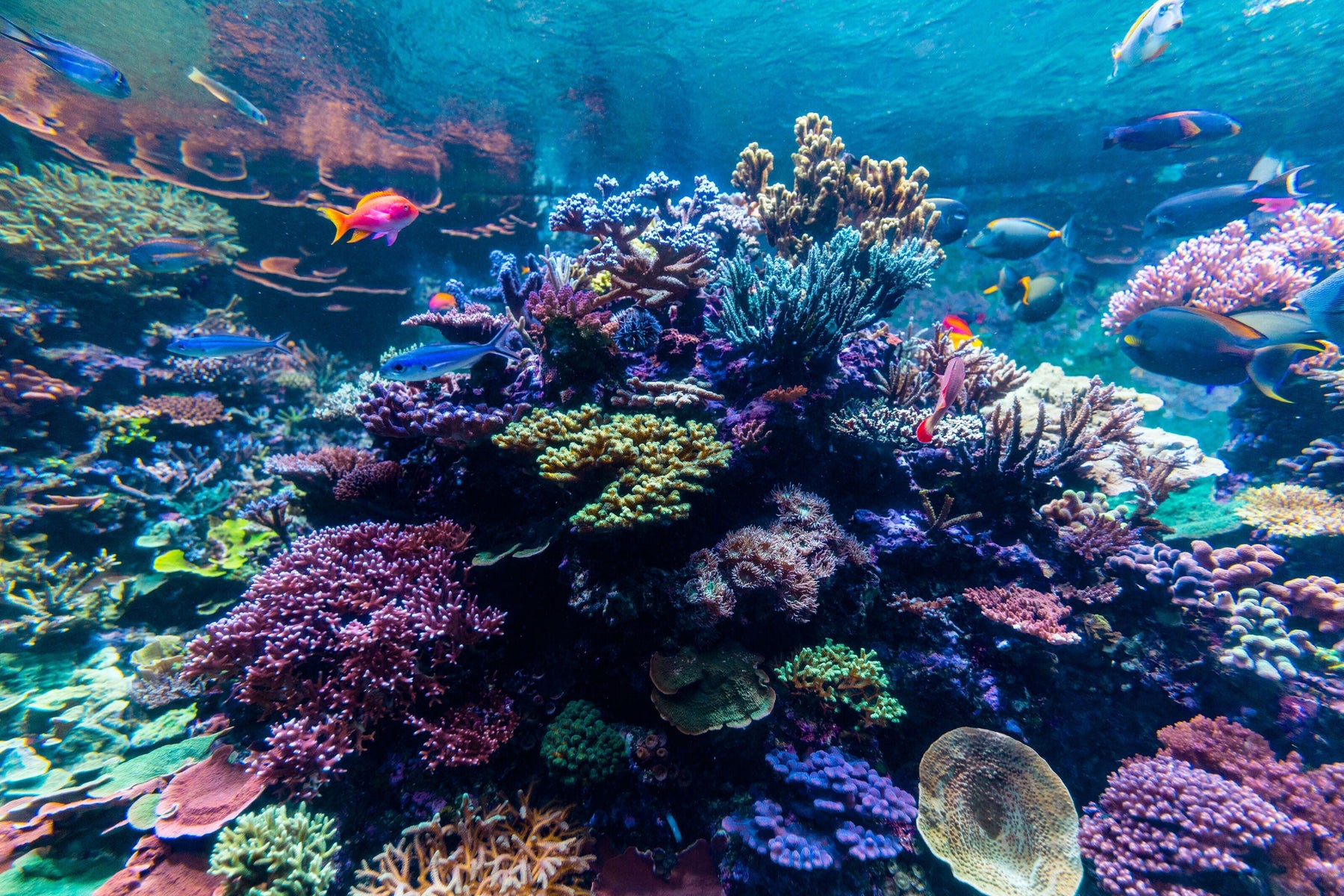
Keeping your marine reef’s temperature stable is one of the most important steps you can take to protect your underwater ecosystem. You might not realize it, but even small temperature changes can stress your corals and fish, leading to problems that are hard to fix.
Imagine your reef as a delicate balance—when the temperature shifts, everything can quickly go wrong. You’ll discover why temperature stability matters so much and learn simple, effective ways to maintain it. By understanding these key points, you’ll ensure your reef stays healthy and vibrant, giving you peace of mind and a stunning aquarium to enjoy.
Keep reading to find out how to make your marine reef thrive.
Credit: reefcoaquariums.com
Causes Of Temperature Fluctuations
Marine reefs need stable temperatures to stay healthy. Changes in temperature can harm the plants and animals living there.
Many things cause temperature changes in reef areas. These include natural events and human actions.
Natural Factors
Natural causes can change the water temperature around reefs. These changes happen over short or long times.
Examples include weather patterns, ocean currents, and volcanic activity. These can make water warmer or cooler.
- Seasonal shifts affect sunlight and air temperature
- Ocean currents bring warm or cold water
- Volcanic eruptions release heat into the ocean
Human Activities
People cause many changes in reef water temperature. These changes often happen faster than natural ones.
Examples include coastal development, pollution, and water use. These actions can warm reef waters or block cooling flows.
- Construction near coasts changes water flow
- Pollution heats water and reduces sunlight
- Overuse of water affects temperature regulation
Climate Change Impact
Climate change causes long-term warming of the ocean. It leads to more frequent and intense temperature shifts.
This warming stresses coral reefs and marine life. It also changes rainfall and wind patterns that affect water temperature.
- Rising global temperatures warm ocean waters
- More heat causes coral bleaching and damage
- Changing weather shifts ocean currents and temperatures
Credit: www.marinebiodiversity.ca
Effects On Reef Ecosystems
Marine reefs depend on stable temperatures to stay healthy. Changes in temperature can harm many reef species. This affects the whole ecosystem.
Understanding how temperature shifts impact reefs helps us protect marine life. Below are key effects on coral reefs and their environment.
Coral Bleaching
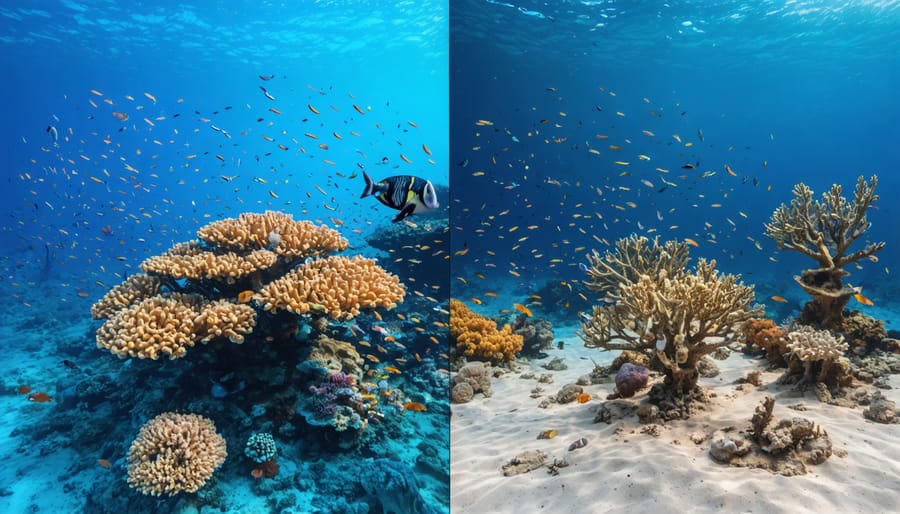
Coral bleaching happens when water gets too warm. Corals lose tiny algae that give them color and food. Without algae, corals turn white and can die.
- Bleached corals lose energy and grow slower.
- They become weaker and more prone to disease.
- Severe bleaching can lead to large coral deaths.
Marine Species Disruption
Stable temperatures help marine animals find food and breed. When temperatures change, many species suffer. Fish and invertebrates may move to cooler areas.
| Species | Effect of Temperature Rise |
| Clownfish | Breeding problems and habitat loss |
| Sea Turtles | Altered nesting times and locations |
| Parrotfish | Reduced food availability |
Ecosystem Imbalance
Temperature changes disturb the balance between predators and prey. This affects coral reef health and growth. Some species may dominate, while others decline.
Key impacts include:
- Loss of biodiversity
- Increased algae growth due to fewer herbivores
- Weaker reef structures
Monitoring Reef Temperatures
Marine reefs depend on stable temperatures to stay healthy. Monitoring these temperatures helps protect reef ecosystems. Scientists use different tools to track changes in water temperature.
Understanding how temperature varies can prevent damage to coral reefs. Careful tracking allows timely actions to reduce stress on marine life.
Temperature Sensors
Temperature sensors measure water heat directly at reef sites. They give detailed and accurate data. These sensors often stay underwater for long periods.
- Thermistors detect temperature changes quickly.
- Data loggers store temperature readings over time.
- Wireless sensors send real-time data to researchers.
- Multiple sensors work together for wider coverage.
Remote Sensing Technologies
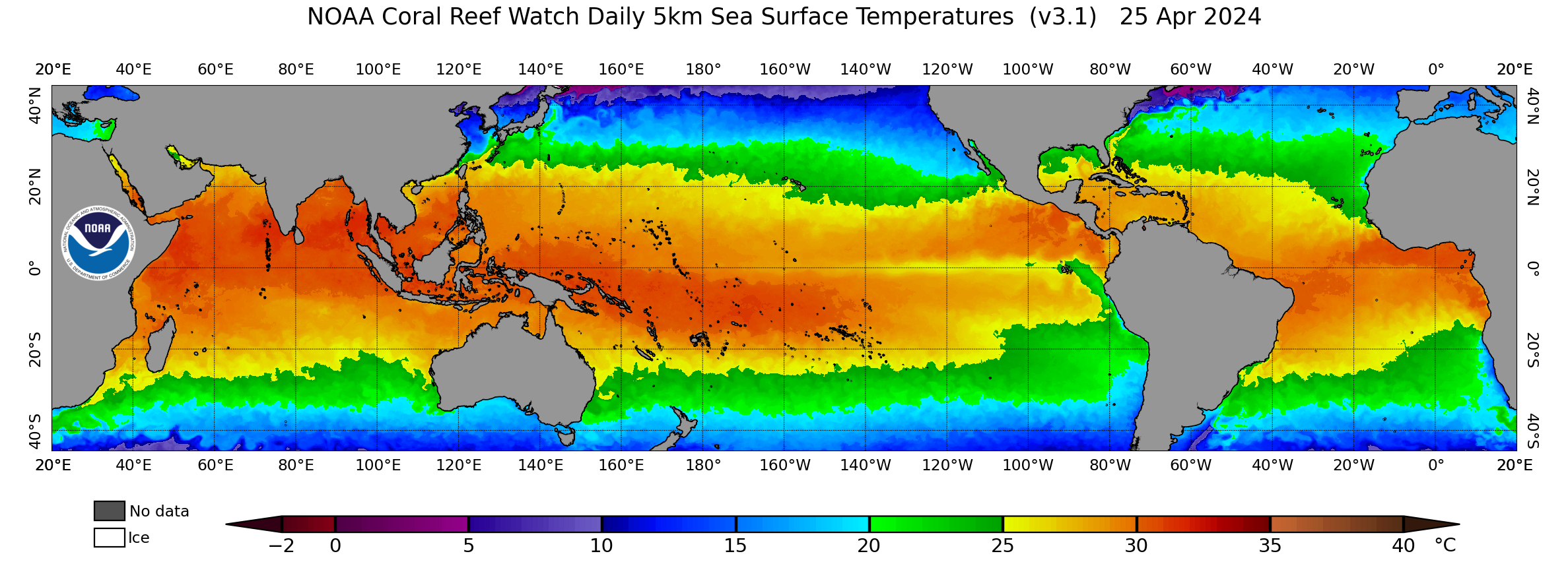
Remote sensing uses satellites and drones to gather temperature data from above the ocean. This method covers large reef areas fast. It helps track temperature trends over time.
| Technology | How It Works | Benefit |
| Satellites | Detect surface temperatures from space | Wide area coverage |
| Drones | Fly over reefs to measure heat zones | Detailed local data |
| Infrared Sensors | Capture heat signatures without contact | Non-invasive monitoring |
Data Analysis Techniques
Collected temperature data needs careful analysis to show trends. Scientists use software to study patterns and spot risks to reefs.
Common analysis methods include:
- Time series analysis to track changes over months or years.
- Heat map creation to visualize temperature differences.
- Statistical modeling to predict future temperature shifts.
- Data comparison with coral health records.
Credit: coralreefwatch.noaa.gov
Maintaining Stable Conditions
Marine reefs need steady temperatures to stay healthy. Sudden changes can harm the animals and plants living there.
Keeping the water temperature stable helps corals grow and keeps fish safe. This guide covers key ways to manage temperature.
Water Circulation Management
Good water flow moves heat evenly and stops hot spots in the reef tank. It also helps oxygen reach all areas.
- Use powerheads or pumps to create steady water movement
- Adjust flow to avoid strong currents that stress animals
- Place circulation devices to cover all tank areas
- Regularly clean pumps to keep flow consistent
Shading And Light Control
Sunlight and aquarium lights add heat to the water. Controlling light reduces temperature spikes during the day.
| Method | Description |
| Use Shade Cloth | Blocks excess sunlight on outdoor tanks |
| Lower Light Intensity | Adjust aquarium lights to cooler settings |
| Limit Lighting Hours | Reduce the time lights are on daily |
| Install Reflectors | Direct light away from water surface |
Artificial Cooling Methods
When natural cooling is not enough, use tools to lower water temperature safely.
Common cooling options include:
- Chillers to cool water directly
- Fans to increase evaporation and cool the surface
- Ice packs placed outside the tank to reduce heat
- Air conditioning in the room housing the tank
Community And Policy Actions
Marine reef temperature stability is crucial for ocean health. Communities and policies play a big role in this.
Effective actions can help maintain stable temperatures and support marine life.
Conservation Programs
Conservation programs aim to protect marine ecosystems. These efforts help maintain temperature stability in reefs.
- Marine protected areas reduce human impact
- Restoration projects rebuild damaged reefs
- Community education promotes awareness
Sustainable Fishing Practices
Fishing methods affect reef temperatures. Sustainable practices can help maintain balance in marine environments.
| Practice | Impact |
| Catch limits | Prevents overfishing |
| Gear restrictions | Reduces habitat damage |
| Seasonal closures | Allows fish populations to recover |
Climate Policy Initiatives
Climate policies can influence reef temperatures. Governments and organizations can take key steps to protect marine life.
Some policies focus on reducing carbon emissions. Lower emissions can lead to more stable ocean temperatures.
Future Research Directions
Studying marine reef temperature stability is key to protecting ocean life. New research will help us understand changes and find solutions.
This section explores future research paths that can improve how we monitor, manage, and restore reef environments.
Innovative Monitoring Tools
New tools can track reef temperature changes more precisely. These tools include sensors, drones, and satellite imaging.
- Deploy underwater temperature sensors for real-time data
- Use drones to capture detailed reef images
- Apply satellite data for large-scale temperature patterns
- Develop AI to analyze and predict temperature shifts
Adaptive Management Strategies
Adaptive strategies help adjust reef care based on temperature data. These methods protect reefs from heat stress.
| Strategy | Description | Benefit |
| Dynamic Fishing Limits | Adjust limits by reef condition | Reduces reef pressure |
| Seasonal Access Control | Limit visits during hot periods | Prevents heat damage |
| Habitat Protection Zones | Protect sensitive reef areas | Supports reef recovery |
Restoration Techniques
Restoration focuses on rebuilding reef health after damage. Scientists test ways to help corals survive temperature changes.
Common restoration methods include:
- Coral gardening: Growing corals in nurseries
- Transplanting: Moving corals to damaged sites
- Selective breeding: Choosing heat-resistant coral species
Frequently Asked Questions
What Is Marine Reef Temperature Stability?
Marine reef temperature stability refers to maintaining consistent water temperatures. Stable temperatures support coral health, growth, and biodiversity in reef ecosystems. Sudden changes can stress corals, causing bleaching or mortality.
Why Is Temperature Stability Crucial For Coral Reefs?
Temperature stability prevents coral stress and bleaching. Corals thrive within a narrow temperature range, typically 23-29°C. Fluctuations beyond this range disrupt symbiotic algae, harming coral health and reef resilience.
How Do Temperature Changes Affect Reef Ecosystems?
Temperature changes can cause coral bleaching, reducing reef biodiversity. Warmer waters increase coral vulnerability to disease and mortality. Stable temperatures help maintain balanced marine life and ecosystem functions.
What Factors Influence Marine Reef Temperature Stability?
Factors include ocean currents, depth, sunlight, and climate patterns. Human activities, like pollution and greenhouse gas emissions, also impact temperature stability. Natural events like El Niño can cause temporary temperature spikes.
Conclusion
Keeping marine reef temperature stable protects coral and marine life. Sudden changes can cause stress and damage. Regular monitoring helps catch problems early. Using heaters or chillers controls water temperature well. Stable temperature supports healthy growth and vibrant colors. Small efforts make big differences in reef health.
Protect your reef by watching temperature closely. Healthy reefs create beautiful underwater worlds to enjoy.