
If you keep marine angelfish, understanding their seasonal temperature needs is key to keeping them healthy and vibrant. You might wonder why these colorful fish behave differently throughout the year or why their colors sometimes fade.
The secret often lies in the water temperature changes they experience. By learning how temperature shifts affect your marine angelfish, you can create the perfect environment that helps them thrive all year round. Ready to discover how to make your aquarium a comfortable home for your angelfish no matter the season?
Keep reading to unlock simple tips that will make a big difference.
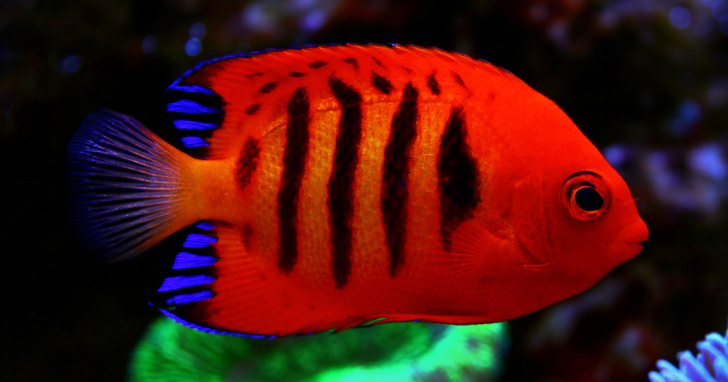
Credit: www.liveaquaria.com
Marine Angelfish Basics
Marine angelfish are colorful fish found in warm ocean waters. They live in coral reefs and are popular in saltwater aquariums. These fish need specific water temperatures to stay healthy.
Understanding their species, habitat, and behavior helps keep them safe. These basics guide hobbyists and marine lovers in caring for these beautiful fish.
Common Species
There are many types of marine angelfish. Each species shows different colors and sizes. Some common ones include:
- Queen Angelfish
- Emperor Angelfish
- French Angelfish
- Blue Angelfish
- Coral Beauty Angelfish
Natural Habitat
Marine angelfish live mostly in tropical waters near coral reefs. They prefer warm water temperatures between 72°F and 82°F (22°C to 28°C). These areas provide shelter and food.
| Habitat Feature | Description |
| Water Temperature | 72°F – 82°F (22°C – 28°C) |
| Environment | Coral reefs and rocky areas |
| Depth | 5 to 30 meters |
| Water Type | Clear, salty ocean water |
Behavior Traits
Marine angelfish show interesting behaviors. They swim in small groups or alone. Some species defend their space strongly. They eat algae, sponges, and small animals.
- Territorial and may be aggressive
- Active swimmers during the day
- Use color patterns to communicate
- Feed on algae and small invertebrates
- Often clean parasites from other fish
Ideal Temperature Range
Marine angelfish need specific water temperatures to stay healthy. The right temperature helps them grow and stay active.
Keeping their water in the ideal range supports their natural behavior and reduces stress.
Optimal Water Temperatures
The best temperature for marine angelfish is usually between 72°F and 82°F. This range matches their natural tropical habitat.
Temperatures below 72°F can slow their metabolism. Temperatures above 82°F may cause stress and health problems.
- Ideal range: 72°F to 82°F (22°C to 28°C)
- Below 72°F: slowed activity and feeding
- Above 82°F: increased stress and risk of disease
Seasonal Variations
Water temperatures can change with the seasons in marine angelfish habitats. These changes affect their behavior and health.
In winter, water may get cooler but usually stays within a safe range. In summer, water can warm up but should not stay too hot.
- Winter: temperatures may drop near 72°F (22°C)
- Summer: temperatures may rise near 82°F (28°C)
- Sudden changes can cause stress
Temperature Effects On Health
Water temperature affects marine angelfish health in many ways. Proper temperatures help them fight off disease.
Too cold or too warm water weakens their immune system. This can lead to infections or skin problems.
- Stable temperature supports strong immune function
- Low temperatures slow metabolism and healing
- High temperatures increase risk of parasites and stress
Seasonal Temperature Changes
Marine angelfish live in ocean waters that change temperature with the seasons. These changes affect their behavior and health.
Understanding how temperature shifts in winter and summer influence angelfish helps us care for them better.
Winter Cooling
In winter, ocean temperatures drop and water becomes cooler. This cooling slows down the angelfish’s metabolism.
Angelfish tend to be less active and eat less during colder months to save energy.
Summer Warming
Summer brings warmer ocean temperatures. This warming speeds up angelfish metabolism and activity.
Angelfish feed more and swim actively in warmer water, which supports growth and breeding.
Impact On Angelfish Activity
Temperature changes affect angelfish behavior through the year. Cooler water slows them down, warmer water energizes them.
- Cold water reduces swimming and feeding
- Warm water increases movement and appetite
- Extreme temperatures can stress angelfish

Credit: www.qualitymarine.com
Tank Setup For Temperature Control
Marine angelfish need a stable temperature to stay healthy. Their tank setup must control water temperature well.
Keeping the water temperature steady helps fish avoid stress and disease. Use the right tools to manage heat and coolness.
Heating Equipment
Use aquarium heaters to keep the water warm when room temperature drops. Pick heaters made for saltwater tanks.
Heaters come in different sizes. Choose one that fits your tank size for even heat distribution.
- Submersible heaters are safe and easy to use
- Adjustable thermostats keep temperature steady
- Heaters with built-in shutoff prevent overheating
Cooling Solutions
Cooling is important in warm weather or hot rooms. Use chillers or fans to lower the tank temperature.
Fans increase water surface movement to help heat escape. Chillers cool water directly but cost more.
- Clip-on fans are affordable and easy to install
- Water chillers keep temperature constant in hot climates
- Keep cooling devices away from fish to avoid stress
Temperature Monitoring Tools
Check tank temperature often with reliable tools. This helps catch problems early and keeps fish safe.
Use digital or glass thermometers. Digital ones show exact numbers. Glass stick-on thermometers are easy to read.
- Place thermometers where fish swim most
- Check temperature daily to catch changes fast
- Set alarms on digital monitors for quick alerts
Adjusting Care With Temperature
Marine angelfish need special care as seasons change. Temperature affects their health and well-being.
Understanding how to adjust their care helps them thrive in different temperatures.
Feeding Adjustments
As temperatures change, angelfish diets may need adjustment. Warmer temperatures can speed up their metabolism.
Colder water may require different feeding strategies. Always observe how they react to their food.
- Offer smaller meals in warm weather
- Provide nutrient-rich food in colder temperatures
- Monitor their eating habits closely
Behavioral Changes
Temperature changes can alter angelfish behavior. They may become more active or sluggish.
Noticing these changes helps in adjusting their environment for better health.
- Observe changes in swimming patterns
- Watch for increased aggression or calmness
- Adjust tank environment as needed
Stress Reduction Techniques
Temperature shifts can stress angelfish. Reducing stress is crucial for their health.
Provide a stable environment to help them cope with temperature changes.
- Maintain consistent water quality
- Use heaters or coolers as necessary
- Ensure proper tank mates to avoid conflict
Common Temperature-related Issues
Marine Angelfish are sensitive to temperature changes. Keeping a stable environment is crucial for their health.
Seasonal temperature changes can cause stress and disease. Understanding and addressing these issues is important.
Signs Of Temperature Stress
Temperature stress in angelfish shows through behavior changes. Fish may swim erratically or become lethargic.
Look for discolored scales or rapid breathing. These are clear signs of stress.
- Erratic swimming patterns
- Lethargy and reduced activity
- Discolored scales
- Rapid breathing
Disease Risks
Fluctuating temperatures increase disease risk. Fish immune systems weaken in unstable environments.
Common diseases include ich and fin rot. These can spread quickly in stressed fish.
- Ich (white spot disease)
- Fin rot
- Bacterial infections
- Fungal infections
Preventive Measures
Maintain a stable tank temperature to keep angelfish healthy. Use a reliable heater and thermometer.
Regularly check equipment for faults. Make gradual temperature changes when needed.
- Use a reliable heater
- Install a quality thermometer
- Check equipment regularly
- Make gradual temperature changes
Troubleshooting Temperature Problems
Marine angelfish need stable water temperatures to stay healthy. Sudden changes can stress or harm them.
Knowing how to spot and fix temperature issues helps keep your fish safe and happy.
Rapid Temperature Fluctuations
Quick changes in water temperature can shock marine angelfish. These changes often happen during day-night cycles or when aquarium heaters fail.
Rapid drops or rises in temperature weaken fish immune systems and cause stress.
- Check room temperature near the tank
- Avoid placing the tank near windows or vents
- Use a reliable heater with a thermostat
- Monitor temperature daily with a good thermometer
Equipment Failures
Heaters and chillers can break or stop working without warning. A broken heater may let the water get too cold.
Equipment failure puts marine angelfish at risk quickly. Regular checks help catch problems early.
- Test heaters and chillers weekly
- Replace faulty equipment immediately
- Keep backup heaters ready for emergencies
- Use a temperature alarm system if possible
Emergency Steps
If temperature problems happen, act fast to protect your angelfish. Slow changes prevent shock.
Use these emergency steps to stabilize tank conditions quickly.
- Move fish to a stable tank if available
- Use a heater or chiller to adjust temperature slowly
- Turn off lights to reduce stress
- Test water parameters to avoid additional stress
- Call an expert if unsure about next steps

Credit: ireef.co.uk
Frequently Asked Questions
What Is The Ideal Temperature For Marine Angelfish?
Marine angelfish thrive best in water temperatures between 72°F and 82°F. Maintaining this range ensures their health and vibrant colors.
How Does Seasonal Temperature Affect Marine Angelfish Behavior?
Seasonal temperature changes can influence angelfish activity and feeding habits. Cooler temperatures may slow metabolism, while warmer water boosts energy and growth.
Can Marine Angelfish Survive Sudden Temperature Drops?
Sudden temperature drops can stress marine angelfish, leading to illness. Gradual adjustments in tank temperature help prevent shock and promote well-being.
Why Is Temperature Stability Crucial For Marine Angelfish?
Stable temperatures reduce stress and disease risks in marine angelfish. Consistent warmth mimics their natural environment, supporting immune function and reproduction.
Conclusion
Marine angelfish thrive best in steady, warm water. Temperature changes affect their health and colors. Keep water between 72°F and 82°F for comfort. Sudden shifts can stress or harm them. Regular checks help maintain the right conditions. Healthy angelfish show bright colors and active behavior.
Understanding their seasonal needs ensures a happy tank. Careful temperature control means a longer life for your fish. Simple steps lead to a beautiful underwater world.