
If you’re thinking about adding a mandarinfish to your aquarium, knowing the right water temperature is crucial. Getting this just right can keep your fish healthy, vibrant, and active.
But what exactly is the preferred water temperature for mandarinfish? You’ll discover the ideal range to create the perfect home for your colorful pet. Keep reading to learn how to make your mandarinfish thrive and avoid common temperature mistakes that could harm them.
Your fish’s well-being depends on it!
Mandarinfish Habitat Needs
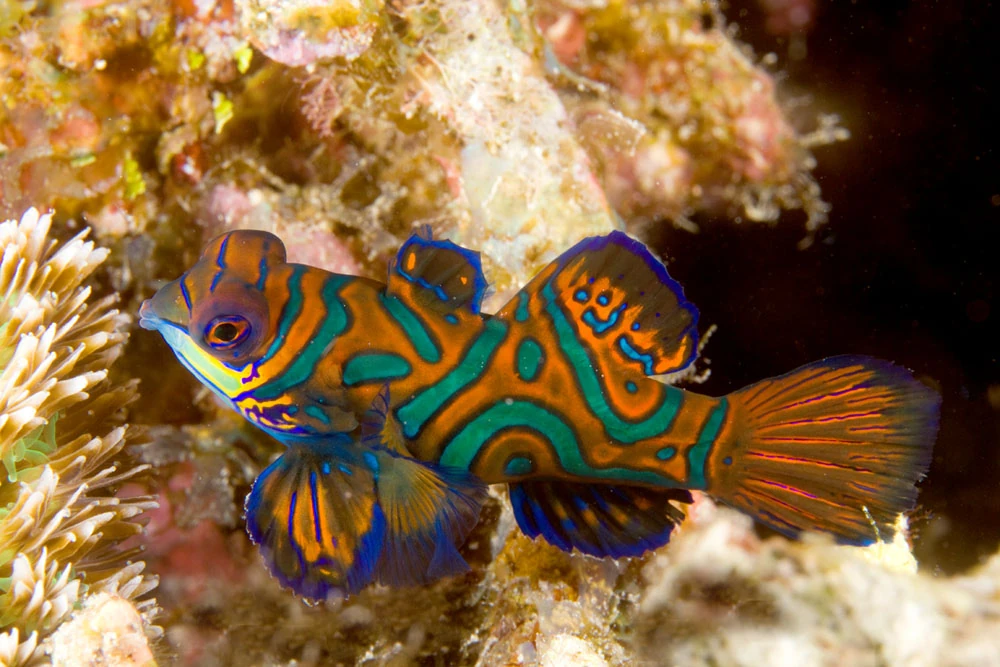
Mandarinfish are small, colorful fish that need special care. Their habitat must be just right for them to live well.
One key factor is the water temperature. Keeping it steady helps mandarinfish stay healthy and active.
Natural Environment
Mandarinfish live in warm, shallow reefs. They like areas with lots of coral and algae. These places provide food and hiding spots.
The water temperature in their natural habitat usually stays between 72°F and 78°F (22°C to 26°C). This warmth helps their metabolism and color stay bright.
Tank Setup Essentials
To keep mandarinfish happy in a tank, keep the water temperature between 72°F and 78°F. Use a heater to keep it steady.
Mandarinfish need plenty of live rock and hiding places. This mimics their natural reef environment and reduces stress.
- Maintain temperature at 72°F to 78°F (22°C to 26°C)
- Use a reliable aquarium heater
- Provide live rock for hiding and grazing
- Keep water clean with good filtration
- Ensure gentle water flow similar to reefs
Credit: megaquarium.fandom.com
Ideal Water Temperature Range
Mandarinfish need a specific water temperature to stay healthy. The right temperature helps them live longer and stay active.
Keeping the water within the ideal range is very important for their well-being. It supports their breathing, feeding, and immune system.
Temperature Limits
The mandarinfish prefers water temperatures between 72°F and 78°F (22°C to 26°C). Outside this range, they can become stressed or sick.
Temperatures below 70°F (21°C) slow down their metabolism. Temperatures above 80°F (27°C) can cause oxygen shortages in the water.
- Minimum temperature: 70°F (21°C)
- Ideal range: 72°F to 78°F (22°C to 26°C)
- Maximum temperature: 80°F (27°C)
Effects Of Temperature Fluctuations
Rapid temperature changes stress mandarinfish. This stress can weaken their immune system and cause illness.
Fluctuations can also affect their behavior. They might eat less or hide more if the temperature is not stable.
- Stress from sudden temperature drops or rises
- Lowered immune response and higher disease risk
- Reduced feeding and activity levels
- Possible long-term health problems
Maintaining Stable Temperature
Mandarinfish need a steady water temperature to stay healthy. Sudden changes can harm them. Keeping the temperature stable helps them live longer and avoid stress.
Using the right tools and following good habits makes temperature control easy. This guide covers heaters, thermometers, and how to avoid temperature stress.
Heaters And Thermometers
Choose a heater that keeps the water at a constant temperature. A heater with a built-in thermostat works best. Use a good thermometer to check the water regularly.
- Place the heater where water flows well to spread heat evenly.
- Check the thermometer daily to catch changes early.
- Use a digital thermometer for more accurate readings.
- Set the heater to keep water between 72°F and 78°F (22°C to 26°C).
Avoiding Temperature Stress
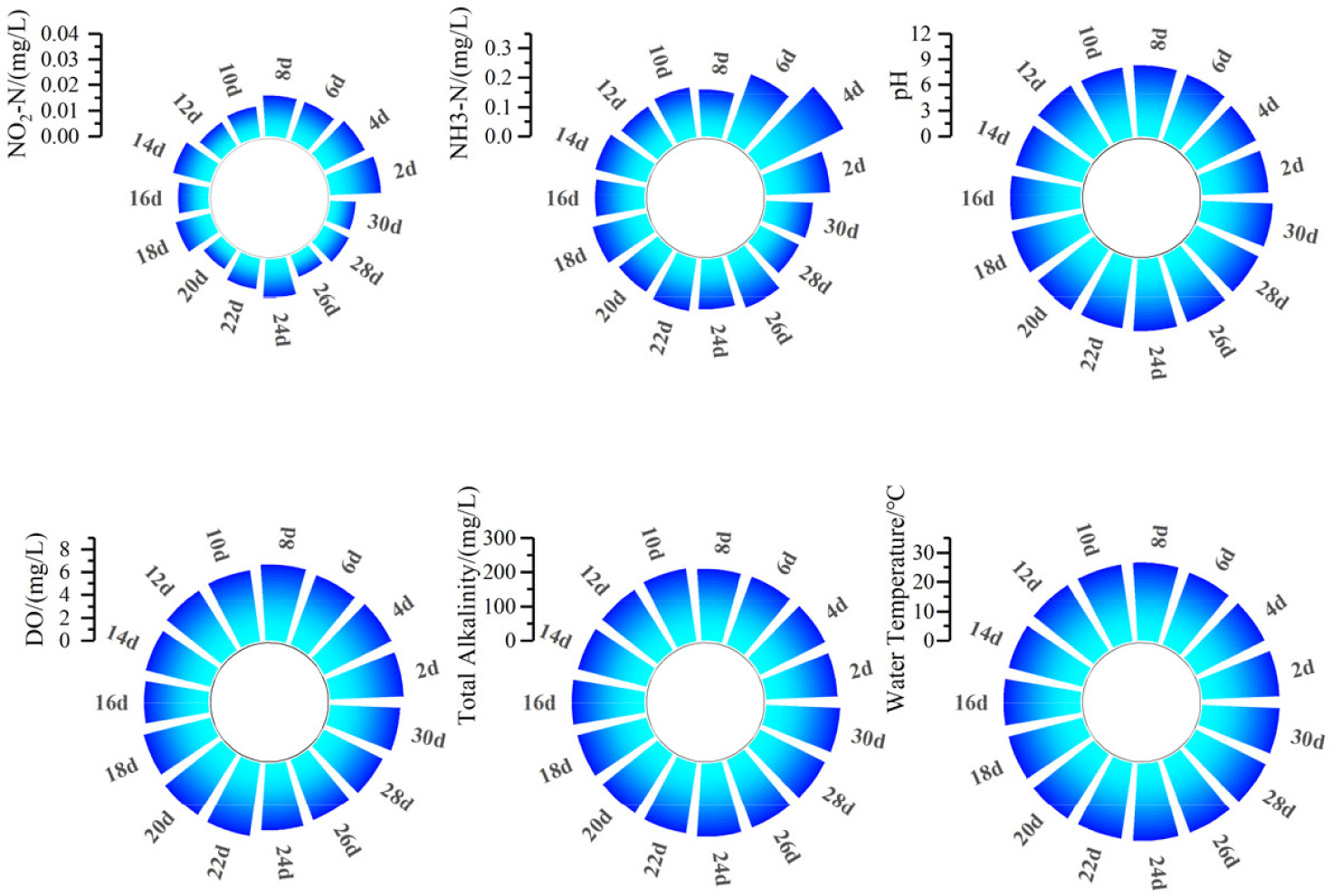
Temperature stress can weaken mandarinfish and cause illness. Avoid sudden drops or spikes by adjusting the environment slowly.
| Cause | Effect | Prevention |
|---|---|---|
| Sudden temperature drop | Shock and weakened immune system | Change water temperature slowly over hours |
| Overheating | Increased metabolism and stress | Use a reliable heater and monitor often |
| Inconsistent heating | Behavior changes and poor health | Place heater properly and avoid drafts |
Credit: www.e-fas.org
Water Quality Parameters
Maintaining the right water quality is important for mandarinfish health. Proper water conditions help them thrive and show their best colors.
Two key factors to monitor are salinity levels and pH with hardness. These affect mandarinfish comfort and well-being.
Salinity Levels
Mandarinfish prefer stable salinity close to natural seawater. This keeps their skin and gills healthy.
- Ideal salinity: 1.020 to 1.025 specific gravity
- Avoid sudden changes in salt levels
- Use a hydrometer or refractometer to measure
- Regularly test to keep levels consistent
Ph And Hardness
pH and hardness affect mandarinfish metabolism and stress. Keep these within safe ranges.
| Parameter | Recommended Range |
| pH | 8.1 – 8.4 |
| General Hardness (GH) | 8 – 12 dGH |
| Carbonate Hardness (KH) | 6 – 10 dKH |
Feeding And Nutrition
Mandarinfish need a special diet to stay healthy. Their feeding habits are unique and require care.
Knowing what to feed and how often helps mandarinfish thrive in home aquariums.
Diet Preferences
Mandarinfish mainly eat small live foods. They prefer fresh, natural options to processed feeds.
- Live copepods
- Small amphipods
- Baby brine shrimp
- Micro worms
- Freshly hatched mysis shrimp
A varied diet ensures mandarinfish get all nutrients they need for color and energy.
Feeding Frequency
Mandarinfish eat often because they have small stomachs and high energy needs.
| Time of Day | Feeding Amount | Notes |
| Morning | Small portion | Offer live copepods or mysis shrimp |
| Afternoon | Small portion | Feed baby brine shrimp or amphipods |
| Evening | Small portion | Repeat morning food or micro worms |
Common Health Issues
Mandarinfish are vibrant and beautiful creatures. They thrive best in specific water temperatures. If the temperature is not right, they might face health issues.
Maintaining the right temperature is crucial. It helps prevent diseases and keeps your mandarinfish healthy.
Temperature-related Diseases
Mandarinfish are sensitive to water temperature changes. Sudden changes can cause stress and disease. Temperature-related diseases are common if their environment is not stable.
Diseases like Ich and Velvet can occur. These are parasitic infections that thrive in unstable temperatures.
Preventive Care Tips
Keeping a stable water temperature is essential. It helps prevent many health issues for mandarinfish.
Use a reliable aquarium heater. Regularly monitor the water temperature to ensure it remains constant.
- Set the heater to 72-78°F for optimal health
- Check temperature daily with a thermometer
- Perform regular tank maintenance
Tank Mates And Compatibility
Mandarinfish are vibrant and peaceful. They thrive best with compatible tank mates. Choosing the right companions is crucial for their well-being.
These fish prefer calm environments. Avoid aggressive species to maintain harmony in the tank.
Suitable Species
Mandarinfish coexist well with other gentle species. They enjoy sharing space with non-aggressive fish.
- Clownfish
- Goby Fish
- Cardinalfish
- Blennies
These species create a peaceful community. They do not compete for food or territory.
Avoiding Aggression
Some fish can be too aggressive. They may stress or harm Mandarinfish.
It is essential to avoid certain species. This ensures a safe habitat for Mandarinfish.
- Triggerfish
- Large Angelfish
- Wrasses
- Dottybacks
These species can be territorial. They might outcompete for food and space.
Credit: pethelpful.com
Frequently Asked Questions
What Is The Ideal Water Temperature For Mandarinfish?
Mandarinfish thrive best in water temperatures between 72°F and 78°F. Maintaining this range ensures their health and vibrant colors. Sudden temperature changes can stress them, so stable conditions are vital for their well-being.
Can Mandarinfish Survive In Cooler Water?
Mandarinfish do not do well in cooler water below 70°F. Lower temperatures can weaken their immune system and affect their metabolism. Keeping the temperature stable within their preferred range supports their natural behavior and longevity.
How Does Water Temperature Affect Mandarinfish Behavior?
Water temperature influences Mandarinfish activity and feeding habits. In optimal temperatures, they are more active and feed regularly. Too warm or too cold water can cause lethargy, reducing their appetite and increasing stress.
Should I Use A Heater For Mandarinfish Tanks?
Yes, using a reliable heater is recommended to maintain consistent temperatures. Mandarinfish require stable warmth, especially in cooler climates. A heater prevents temperature fluctuations, promoting their health and vibrant coloration.
Conclusion
Mandarinfish thrive best in warm water. Keep the temperature between 72°F and 78°F. This range helps them stay healthy and active. Sudden changes can stress the fish and cause illness. Regularly check the water temperature with a reliable thermometer. Consistent warmth supports their bright colors and natural behavior.
Proper care creates a happy environment for your mandarinfish. Small steps make a big difference in their wellbeing. Remember, stable water temperature is key to their survival.