
Are you struggling to keep your planted aquarium healthy and thriving? One of the most important factors you need to master is managing the heater.
Getting the temperature just right can make all the difference for your plants and fish. Too hot or too cold, and you risk damaging your carefully balanced ecosystem. You’ll discover simple, effective tips to control your heater like a pro.
Keep reading, and you’ll learn how to create the perfect environment that helps your aquarium flourish every day.
Credit: waynealarm.com
Choosing The Right Heater
Keeping the water temperature stable is key in planted aquariums. A good heater helps plants and fish stay healthy.
Picking the right heater depends on several factors. These include heater type, size, and control features.
Heater Types For Planted Tanks
There are different heater types to fit planted tanks. Each type has pros and cons for your setup.
- Submersible Heaters:Fully underwater and easy to hide in plants.
- In-line Heaters:Installed in the filter line, keeping the tank neat.
- Immersible Heaters:Partly submerged and can be placed outside the tank.
Wattage And Size Considerations
Choose the right wattage based on tank size and room temperature. Too weak won’t heat well. Too strong may harm plants.
| Tank Size (Gallons) | Recommended Wattage |
| 10 or less | 25 to 50 watts |
| 10 to 20 | 50 to 100 watts |
| 20 to 40 | 100 to 150 watts |
| Over 40 | 150+ watts |
Temperature Control Features
Temperature control keeps water steady for plants. Look for heaters with easy settings and safety functions.
- Adjustable thermostat for precise heat control
- Automatic shut-off to avoid overheating
- Indicator lights to show heater status
- Waterproof design for safety and durability
Setting Optimal Temperature
Managing the heater in a planted aquarium is key for healthy plants and fish. Setting the right temperature helps them grow and stay active.
Each species has a preferred temperature range. Adjusting the heater ensures a stable environment for all aquarium life.
Ideal Range For Plants And Fish
Most aquarium plants and tropical fish do best between 72°F and 78°F (22°C to 26°C). Some plants and fish tolerate slightly cooler or warmer water.
| Type | Ideal Temperature Range (°F) | Ideal Temperature Range (°C) |
|---|---|---|
| Common Aquarium Plants | 72 – 78 | 22 – 26 |
| Tropical Fish | 74 – 80 | 23 – 27 |
| Coldwater Fish | 65 – 72 | 18 – 22 |
| High Light Plants | 75 – 80 | 24 – 27 |
Keep the temperature stable. Sudden changes can stress fish and slow plant growth.
Adjusting For Seasonal Changes
Season changes affect room temperature and water temperature. Adjust heater settings to match seasonal needs.
- In winter, raise the heater setting to maintain warmth.
- In summer, lower the heater or turn it off if water gets too warm.
- Check the temperature daily during seasonal shifts.
- Use a reliable aquarium thermometer for accuracy.
Adjusting the heater prevents temperature stress. This helps plants stay green and fish stay healthy all year.
Placement Tips For Stability
Proper heater placement is key to keeping a planted aquarium stable. The right spot helps maintain steady water temperature.
Good placement protects plants and fish from sudden temperature changes. It also improves heater efficiency.
Best Locations In The Aquarium
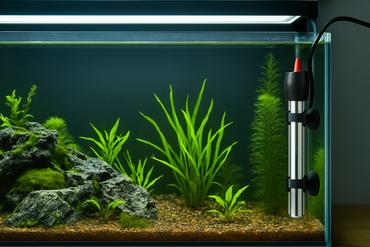
Place the heater near a water flow area. This helps spread heat evenly throughout the tank.
Avoid putting the heater where plants block it. This can cause hot spots that may harm plants.
- Near the filter outlet for good water circulation
- Submerged fully to avoid damage
- Away from dense plant clusters
- Close to the bottom or middle of the tank
Ensuring Even Heat Distribution
Use a water pump or filter to keep water moving. This spreads warm water and stops cold spots.
Check the heater’s position regularly. Adjust if you see uneven temperature areas in the tank.
- Place heater near water flow for better heat spread
- Use circulation devices to move water around
- Keep heater fully submerged to avoid overheating
- Monitor temperature at different points in the tank
Credit: www.ratemyfishtank.com
Maintaining Heater Performance
Heaters keep planted aquariums at the right temperature. Good heater care helps plants and fish stay healthy.
Check your heater often. This stops problems and keeps it working well for a long time.
Regular Cleaning And Inspection
Clean the heater outside the tank to remove dirt and algae. Use a soft cloth or sponge to avoid damage.
Look for cracks, rust, or loose parts. These signs show the heater needs care or replacement.
- Unplug heater before cleaning
- Use gentle cleaning tools
- Check all parts for damage
- Inspect the power cord for wear
Detecting Malfunctions Early
Watch for temperature changes in the aquarium. Sudden drops or rises may mean heater problems.
Listen for unusual sounds or check if the heater feels too hot or cold. These signs show it may fail soon.
- Use a reliable aquarium thermometer
- Note any strange noises from the heater
- Check if heater stays warm when on
- Replace heater if it stops working properly
Safety Measures
Managing a heater in a planted aquarium is important. It keeps the water at the right temperature for plants and fish. Safety is the top priority to prevent any accidents or harm to aquatic life.
Proper heater management ensures the well-being of your aquarium’s environment. Let’s explore some safety measures to follow.
Preventing Overheating
Overheating can harm both plants and fish. It’s vital to set the heater to the correct temperature. Regularly check the heater’s settings to avoid overheating.
Use a reliable aquarium thermometer. This helps you monitor the water temperature accurately. Replace faulty heaters immediately to prevent accidents.
- Set the heater to the ideal temperature for your aquarium.
- Check the heater’s settings every week.
- Use an aquarium thermometer for accuracy.
Protecting Aquatic Life
Heaters must be placed carefully to avoid contact with fish and plants. Position the heater in a low-traffic area of the tank. This reduces the risk of harm.
Consider using a heater guard. This protective cover keeps fish from getting too close to the heater. It also prevents damage to delicate plant leaves.
- Place the heater in a safe, low-traffic area.
- Use a heater guard for added protection.
- Ensure fish and plants have enough space away from the heater.
Credit: www.dendroboard.com
Integrating With Other Equipment
Managing the heater in a planted aquarium means working with other equipment. Proper integration helps keep plants and fish healthy.
Using heaters with filters and thermometers creates a balanced environment. This balance keeps water temperature steady and supports life.
Combining Heaters With Filters
Filters and heaters should work together inside the aquarium. Filters move water around, helping spread heat evenly.
Place the heater near the filter output. This placement lets warm water flow through the tank, stopping cold spots.
- Keep the heater away from plants to avoid damage.
- Use a heater guard to protect fish and plants.
- Choose a filter with good flow to help distribute heat.
Using Thermometers Effectively
Thermometers show the water temperature so you can check the heater’s work. Use them where you can easily see the reading.
Place the thermometer away from the heater and filter. This placement gives an accurate water temperature, not just near the equipment.
- Use digital or stick-on thermometers for easy reading.
- Check the thermometer daily to catch temperature changes.
- Adjust the heater if the water is too hot or cold.
Troubleshooting Common Issues
Keeping the right temperature is very important for planted aquariums. Problems with the heater can harm your plants and fish. This guide helps you fix common heater problems.
Read the sections below to learn how to spot and solve issues with your aquarium heater. Early fixes keep your tank healthy and stable.
Temperature Fluctuations
Temperature swings can stress fish and plants. Check these causes if your tank temperature changes too much.
- Heater is too small for the tank size.
- Faulty or loose thermostat settings.
- Poor water circulation around the heater.
- Power outages or unstable electricity.
- Room temperature changes affecting the tank.
Make sure the heater matches your tank size. Keep the thermostat steady and check that water flows near the heater. Avoid placing the tank in cold drafts or direct sunlight.
Heater Failure Signs
Recognize these signs to catch heater failure early. This helps avoid damage to your aquarium.
| Sign | Description | Action to Take |
| Heater not turning on | No heat is produced | Check power plug and outlet |
| Water too cold or hot | Temperature is out of set range | Test and adjust thermostat |
| Visible cracks or damage | Glass or casing is broken | Replace heater immediately |
| Heater stays on too long | Constant heating without stopping | Replace thermostat or heater |
| Unusual noises | Buzzing or clicking sounds | Inspect for electrical faults |
Frequently Asked Questions
How To Set The Ideal Heater Temperature For Planted Aquariums?
Set heater temperature between 72°F and 78°F for most plants. This range supports plant growth and fish health. Adjust based on specific plant species and aquarium inhabitants for optimal results.
Can Heater Fluctuations Harm Aquarium Plants?
Yes, frequent temperature changes stress plants and fish. Keep heater stable to prevent growth issues. Use a reliable heater and thermostat for consistent temperature control.
Where Should The Heater Be Placed In A Planted Tank?
Place the heater near water flow to distribute heat evenly. Avoid direct contact with plants to prevent burns. Position heater away from substrate for safety and efficiency.
How To Prevent Heater Damage In Planted Aquariums?
Use a heater guard to protect from plant debris and fish. Regularly clean the heater and check for corrosion. Ensure heater wattage matches aquarium size for durability.
Conclusion
Managing a heater in planted aquariums keeps plants and fish healthy. Stable temperature helps plants grow well. Check the heater often to avoid sudden changes. Use a reliable thermometer for accuracy. Small adjustments can make a big difference. Keep the heater clean and well-placed in the tank.
Watch your plants for signs of stress. Good temperature control supports a vibrant underwater world. Simple care keeps your aquarium balanced and beautiful.