
Are you struggling to tell the difference between male and female African cichlids? Knowing how to spot the subtle—but important—differences can change the way you care for your fish.
Whether you want to create the perfect tank environment or boost breeding success, understanding these distinctions is key. Keep reading, and you’ll discover simple tips that make identifying male and female cichlids easy and stress-free. Your fish will thank you for it!
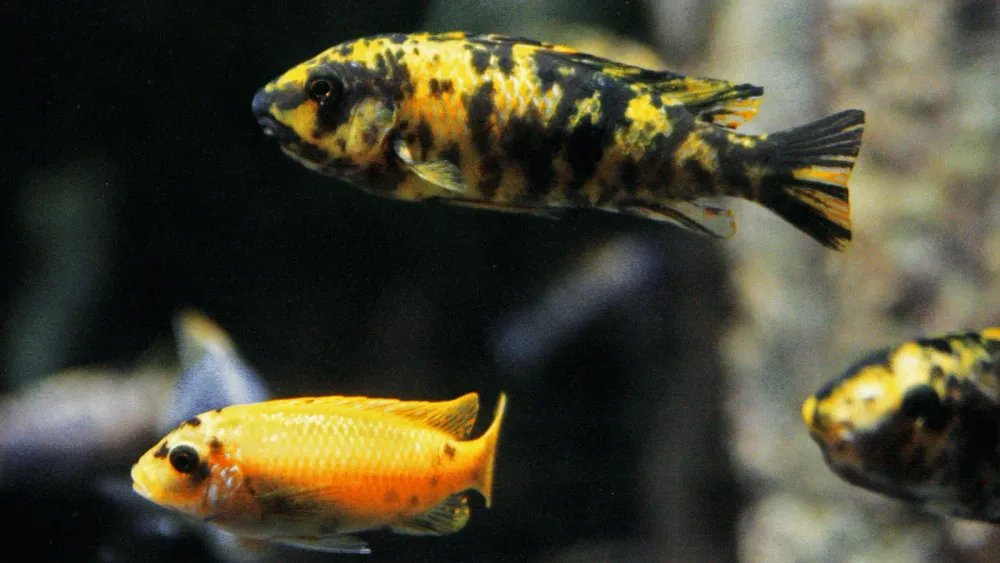
Credit: aquadecorbackgrounds.com
Physical Traits
Male and female African cichlids show different physical traits. These differences help identify their gender. Understanding these traits is important for fish keepers.
We will look at size differences, color variations, and fin shapes to tell males and females apart.
Size Differences
Males are usually larger than females in most African cichlid species. The size gap helps males compete for mates and territory.
Females stay smaller to protect their eggs and young. Size is a clear way to spot gender.
- Males can be 20-30% bigger than females
- Larger size helps males show dominance
- Females are smaller but more agile
Color Variations
Male African cichlids usually have brighter and more vivid colors. These colors attract females and warn other males.
Female colors tend to be duller and less bright. This helps them blend into the environment and avoid predators.
- Males show bright blues, reds, and yellows
- Females have muted browns, grays, and greens
- Color fades in females during breeding
Fin Shapes
Fin shapes differ between male and female African cichlids. Males often have longer and more pointed fins.
Females usually have shorter and rounder fins. These fin shapes help males appear larger and more aggressive.
- Males have extended dorsal and anal fins
- Females have smaller, rounded fins
- Long fins help males in courtship displays

Credit: fantaseaaquariums.com
Behavior Patterns
Male and female African cichlids show different behaviors. Their actions help them survive and reproduce.
Understanding these patterns helps hobbyists care for them better in aquariums.
Territorial Behavior
Male African cichlids are very territorial. They guard their space from other males strongly.
Females usually stay in groups and are less likely to defend a specific area.
- Males mark territory with bright colors.
- Males chase intruders away.
- Females swim freely within male territories.
- Males build nests or clear rocks in their zone.
Aggression Levels
Males show higher aggression than females. They fight to protect their territory and mates.
| Behavior | Male | Female |
|---|---|---|
| Chasing others | High | Low |
| Display colors | Bright and intense | Muted |
| Fighting | Frequent | Rare |
| Defending territory | Strong | Weak |
Mating Rituals
Mating starts with males showing bright colors to attract females. They perform dances and gestures.
- Male clears a spot for eggs.
- Male shows colors and dances.
- Female inspects the site and male.
- Female lays eggs, male fertilizes them.
- Both guard eggs until they hatch.
Breeding Characteristics
African cichlids have unique breeding traits that differ by gender. Understanding male and female roles helps in caring for them.
These fish show interesting behaviors during mating and raising their young. Learning these can improve breeding success.
Egg Laying And Care
Female African cichlids lay eggs on flat surfaces or in pits. They clean the area carefully before laying.
- Females lay dozens to hundreds of eggs.
- They guard eggs from predators.
- Males often protect the territory around the nest.
- Eggs hatch in about 3 to 7 days.
Mouthbrooding Habits
Many African cichlids are mouthbrooders. Females keep eggs and fry in their mouths for protection.
| Role | Behavior |
| Female | Carries eggs and young in mouth for weeks |
| Male | Defends territory and attracts females |
| Fry | Stay in mother’s mouth until safe |
Breeding Readiness Signs
Both males and females show signs when ready to breed. Watching these signs helps identify good breeding pairs.
- Males display bright colors and flare fins.
- Males build or clean nests to attract females.
- Females become rounder when carrying eggs.
- Both may become more aggressive or territorial.
- They may perform mating dances or displays.
Habitat Preferences
Male and female African cichlids live in similar environments but show some differences. Their habitat choices help keep them safe and comfortable.
Understanding these preferences helps create a better aquarium for both males and females.
Preferred Tank Setup
Both male and female African cichlids prefer tanks that mimic their natural rocky lake homes. They need plenty of open swimming space and clean water.
Males often occupy larger territories, so a bigger tank helps reduce fighting. Females prefer areas with easy access to shelters.
- Use a tank size of at least 30 gallons for a small group
- Keep water temperature between 75-82°F (24-28°C)
- Maintain pH levels around 7.8 to 8.6 for healthy fish
- Ensure good filtration and water movement
Shelter And Hiding Spots
Both males and females need places to hide and feel secure. Rocks and caves are perfect shelters. Males use these spaces to claim territories.
Females use hiding spots to avoid aggression and protect their young. Shelters reduce stress and help fish show natural behaviors.
- Create caves using stacked rocks or ceramic decorations
- Include small crevices for females and juvenile fish
- Use live or artificial plants sparingly to avoid blocking territories
- Arrange shelters to allow clear sight lines for males
Social Grouping Tendencies
Male African cichlids are often aggressive and prefer to defend their own space. They may fight other males in close quarters.
Female cichlids are more social and live in groups. They show less aggression and like to stay near shelters for safety.
- Keep one male with several females to reduce fights
- Group females together for social comfort
- Provide enough space to avoid territorial disputes
- Watch for signs of stress or aggression regularly
Feeding Habits
Male and female African cichlids have different feeding habits. These differences help them survive and grow well in their environment.
Understanding how they eat helps keep them healthy in home aquariums. It also supports their natural behaviors.
Diet Differences
Male African cichlids often need more protein to support their size and activity. Females usually eat a more balanced diet with plant matter.
Males may eat more meat-based foods like insects or small fish. Females prefer algae and vegetable-based foods alongside protein.
- Males eat more protein-rich food
- Females include more plants in their diet
- Diet supports different energy needs
Feeding Frequency
Males generally need to be fed more often than females. Their higher energy use requires frequent meals.
Females can be fed less often but still need regular meals. Overfeeding either can cause health problems.
- Males: 2 to 3 times daily
- Females: 1 to 2 times daily
- Watch for signs of overfeeding
Food Preferences
Males prefer live or frozen foods like brine shrimp or bloodworms. These foods help build muscle and color.
Females like vegetable flakes, spirulina, and algae wafers. These keep their digestive systems healthy.
- Males: live and frozen protein foods
- Females: plant-based flakes and wafers
- Both benefit from varied diets
Health And Lifespan
African Cichlids are vibrant fish with unique care needs. Understanding their health is key to a long life.
Both male and female cichlids have specific health and lifespan factors. Knowing these helps in providing better care.
Common Health Issues
Cichlids can face several health challenges. Proper water quality is essential to prevent diseases.
| Health Issue | Symptoms |
| Ich | White spots on fins |
| Fin Rot | Frayed fins |
| Swim Bladder Disease | Difficulty swimming |
Longevity Factors
The lifespan of cichlids can vary. Factors like diet and environment play a big role.
- Provide a balanced diet
- Maintain stable water conditions
- Ensure enough space in the tank
Stress Responses
Stress affects both male and female cichlids. It can lead to health issues if not managed.
Identifying Sex In Juveniles
Identifying the sex of juvenile African Cichlids can be tricky. Knowing male from female helps with breeding and tank management.
This guide offers insights into early signs, challenges, and tools for identifying the sex of young cichlids.
Early Signs
Sexing juvenile cichlids relies on observing physical traits. Look for subtle differences in size and color.
- Males may develop brighter colors sooner
- Females often have rounder bellies
- Fin shapes can differ slightly
Challenges In Sexing
Juvenile cichlids lack distinct features. This makes sexing them a challenge for many hobbyists.
Environmental factors can affect the development of sex-specific traits, adding complexity to identification.
Tools For Identification
Tools and techniques can assist in identifying the sex of juvenile cichlids. They can help reduce the guesswork involved.
- DNA testing offers precise results
- Experienced breeders can provide guidance
- Observational charts track growth and changes

Credit: www.reddit.com
Frequently Asked Questions
How To Distinguish Male And Female African Cichlids?
Male African cichlids are usually more colorful and larger. Females tend to be smaller with duller colors. Males often have longer fins and more pronounced markings, while females have rounded fins and less vivid patterns.
Do Male And Female African Cichlids Have Different Behaviors?
Yes, males are typically more territorial and aggressive. Females are generally calmer and less aggressive. Males often display dominance by chasing rivals and showing vibrant colors to attract mates.
Can African Cichlids Change Sex From Male To Female?
No, African cichlids do not change sex naturally. Their sex is genetically determined at birth and remains fixed throughout their life.
Which African Cichlid Gender Is Better For Community Tanks?
Females are better for community tanks due to their less aggressive nature. Males may cause conflicts, especially if multiple males are present without sufficient space.
Conclusion
Male and female African cichlids have clear differences. Males often show brighter colors and larger size. Females tend to be smaller and less colorful. Understanding these traits helps in caring for them well. Each fish plays a unique role in the aquarium.
Choosing the right mix keeps your tank balanced. Watching their behavior can be fun and rewarding. Enjoy the variety these beautiful fish bring to your home.