
Are you struggling to tell male and female African cichlids apart? You’re not alone.
These vibrant fish can look very similar, making identification tricky even for experienced hobbyists. But knowing the difference is key to keeping your aquarium healthy and balanced. You’ll discover simple, clear ways to spot male and female African cichlids with confidence.
Keep reading, and soon you’ll see your colorful fish in a whole new light.
Physical Differences
Male and female African cichlids show clear physical differences. These traits help in identifying their sex. Knowing these differences aids in proper care and breeding.
Several features like size, color, fins, and body markings vary between males and females. This guide explains these differences in simple terms.
Size Variations
Males are usually larger than females. They grow longer and have a bulkier body shape. Females tend to be smaller and rounder.
Color Patterns
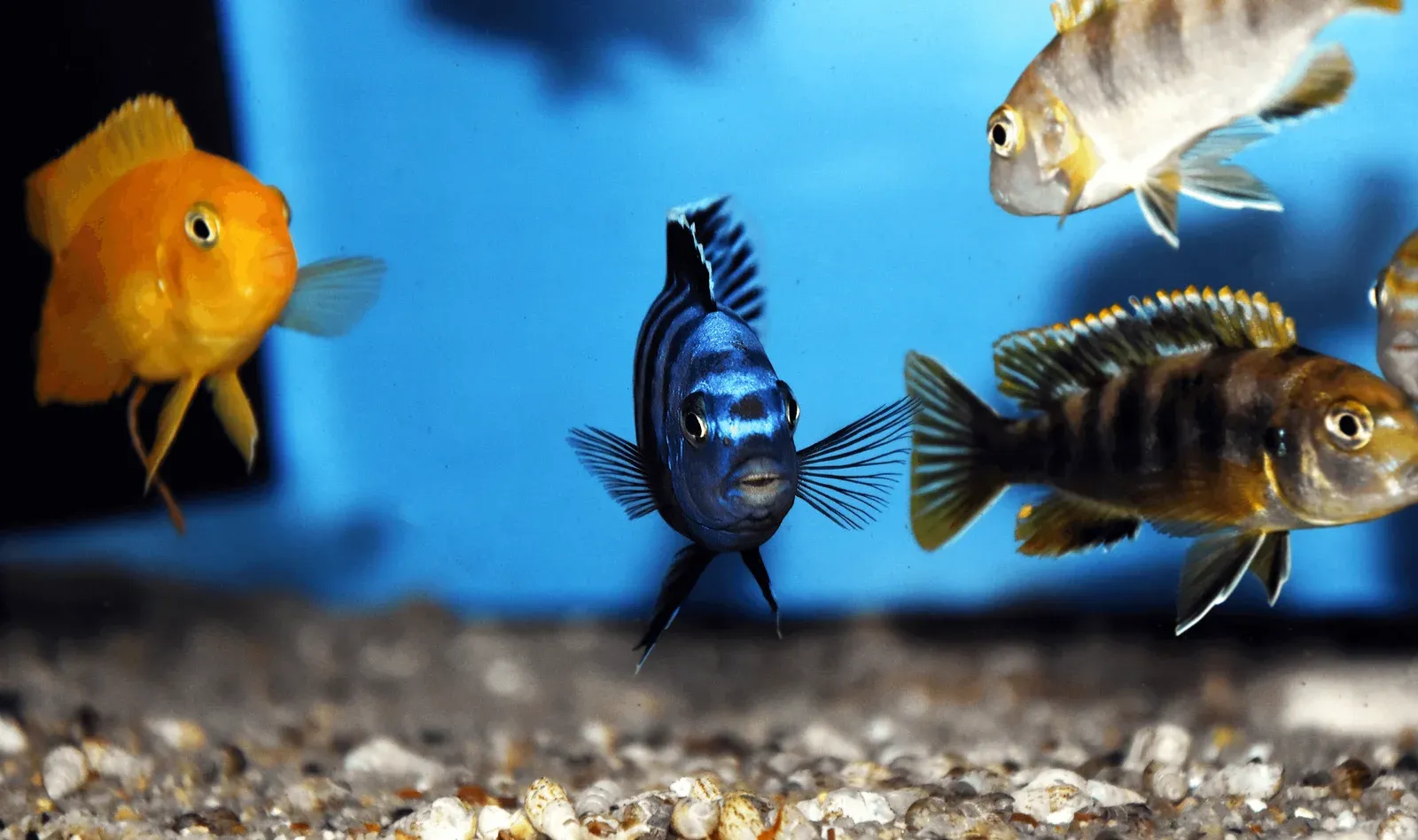
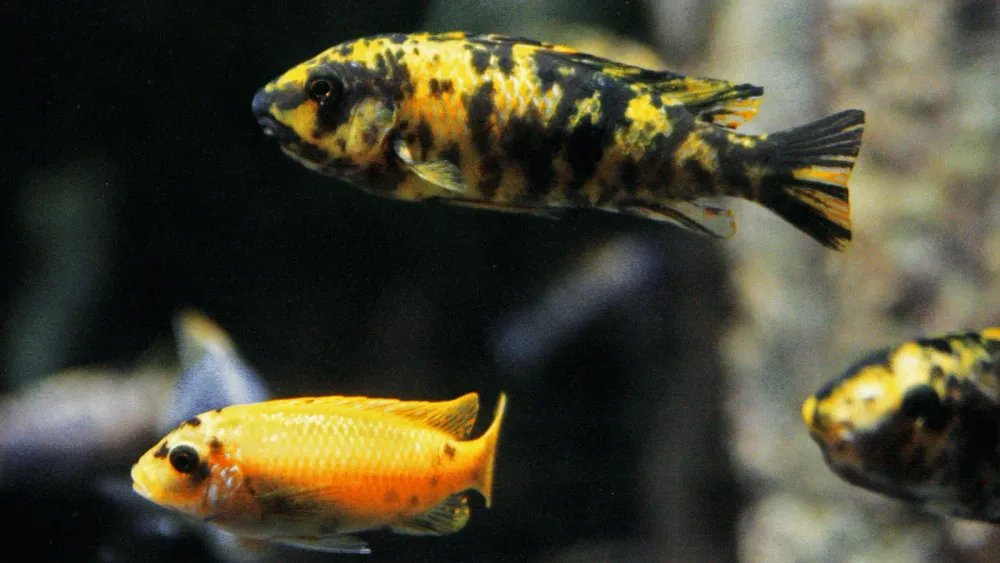
Males show brighter and more vivid colors. Their patterns are often more complex and cover larger areas. Females have duller colors and simpler patterns.
- Males display bright blues, yellows, and reds.
- Females mostly have dull browns and grays.
- Color intensity helps males attract mates.
- Females use muted colors for camouflage.
Fin Shapes
Male cichlids have longer and more pointed fins. Their dorsal and anal fins often have extended rays. Female fins are shorter and rounder in shape.
| Sex | Dorsal Fin | Anal Fin |
|---|---|---|
| Male | Long and pointed | Extended with bright edges |
| Female | Short and rounded | Smaller and less colorful |
Body Markings
Males often have distinct spots or stripes on their body. These markings can be sharp and clear. Females usually have faint or no markings at all.
- Males use markings to show dominance.
- Females use less visible markings for hiding.
- Markings can vary by species but follow this pattern.

Credit: www.youtube.com
Behavioral Traits
Male and female African cichlids show different behaviors. These traits help identify their sex.
Understanding these behaviors makes it easier to care for them and observe their natural habits.
Territorial Displays
Males often claim territories to attract females and keep rivals away. Females usually do not show strong territorial behavior.
- Males build and defend nests or caves.
- They display bright colors to warn others.
- Males swim aggressively around their space.
- Females tend to stay in safe areas without defending.
Mating Rituals
Male cichlids perform special dances to attract females. Females respond by choosing their mates based on these displays.
| Behavior | Male | Female |
| Color Display | Bright and flashy | Duller, less bright |
| Dance Movements | Active and frequent | Less active |
| Nest Preparation | Builds and cleans | Chooses nest site |
| Egg Care | Guards area | Cares for eggs and fry |
Aggression Levels
Males show higher aggression to protect territory and mates. Females are less aggressive but will defend eggs.
Aggression signs in males include:
- Chasing other males away
- Ramming or biting
- Flaring fins and gill covers
- Vocal sounds or body vibrations
Breeding Characteristics
Male and female African cichlids show clear differences in breeding. These traits help identify their roles in reproduction. Understanding these traits helps in caring for them better.
Breeding traits include physical signs and behaviors. These traits change as the fish prepare to breed. Below are key characteristics to watch for.
Egg Spots
Male African cichlids usually have egg spots on their anal fins. These spots look like small, round dots. Females rarely have them or have fewer and smaller spots.
- Egg spots attract females during mating.
- Males use spots to guide females to lay eggs.
- The number and size of spots can vary by species.
Brood Care
Females take the main role in caring for the brood. They carry eggs and fry in their mouths to protect them. Males usually guard the territory but do not care for the young directly.
| Role | Male | Female |
| Egg Protection | No | Yes, mouthbrooding |
| Fry Care | No | Yes, until safe |
| Territory Defense | Yes | Sometimes |
Nesting Habits
Males create nests or clear spaces for breeding. They show bright colors to attract females. Females choose nests before laying eggs and start mouthbrooding after.
- Males dig pits or clean rocks.
- Males display bright colors near nests.
- Females visit multiple nests before choosing.
- Only females care for eggs in their mouth.
Credit: aquadecorbackgrounds.com
Species-specific Indicators
African cichlids show many differences between males and females. These differences depend on the species.
Knowing species-specific markers helps identify the gender correctly. This guide covers popular species and their unique gender signs.
Popular Species Differences
Different cichlid species have distinct traits that separate males from females. Color, size, and fin shape often vary.
| Species | Male Indicator | Female Indicator |
|---|---|---|
| Mbuna | Bright colors, longer fins | Duller colors, smaller fins |
| Peacock Cichlids | Vivid blue or red hues | Less colorful, plain body |
| Haplochromis | Large size, pointed dorsal fin | Smaller, rounded fins |
Unique Gender Markers
Each species has special gender markers. Some males show egg spots on their fins. Females may have a different body shape.
- Egg spots: Males often have round spots on anal fins.
- Body shape: Females tend to be rounder or fuller-bodied.
- Behavior: Males may be more aggressive or territorial.
- Color change: Some males change color during breeding.
Common Identification Mistakes
Many people find it hard to tell male and female African cichlids apart. Mistakes happen often because some features look similar. Knowing these errors helps you identify them better.
This guide covers two common mistakes: confusing juveniles with adults and problems caused by color fading.
Juvenile Vs Adult Confusion
Young African cichlids often look very different from adults. People may think a juvenile is a female because it lacks bright colors. Some males only show their full colors as they grow up.
Also, body shape changes with age. Juveniles have rounder bodies and shorter fins. Adults have longer fins and sharper shapes. Mistaking juveniles for females causes wrong identification.
- Juveniles have dull colors, adults have bright colors.
- Male colors develop fully only after maturity.
- Body and fin shapes change as fish grow.
- Juveniles look smaller and rounder than adults.
Color Fading Issues
Color fading can make male and female cichlids look alike. Stress, poor water, or illness causes colors to fade. This hides the bright colors that males usually have.
Lighting and tank backgrounds also affect how colors appear. Poor light can dull colors, making males look like females. Color fading leads to wrong guesses about gender.
- Stress reduces color brightness in males.
- Poor water quality causes color loss.
- Illness can make colors fade fast.
- Lighting affects how colors look in tanks.
- Background colors can hide or dull fish colors.
Tips For Accurate Identification
Identifying male and female African Cichlids can be challenging. Knowing the differences helps in proper tank management.
Use these tips to accurately tell them apart and ensure a healthy aquarium environment.
Observation Techniques
Observation is key in identifying male and female cichlids. Males often have brighter colors.
- Check for color differences
- Observe fin shapes
- Look at body size and shape
Use Of Magnification
Magnification tools can help in observing fine details. This helps spot subtle differences.
Using a magnifying glass or a small microscope can reveal intricate patterns on the scales.
Consulting Experts
Experts have experience and can provide valuable insights. They can confirm your observations.
| Expert | Advice Offered |
| Fish Veterinarian | Health and gender identification |
| Aquarium Specialist | Tank setup and fish compatibility |
| Experienced Breeder | Breeding behaviors and signs |
Credit: aquadecorbackgrounds.com
Frequently Asked Questions
How To Tell Male African Cichlids Apart From Females?
Male African cichlids usually show brighter colors and larger fins. Females tend to be smaller and have duller hues. Males often display territorial behavior, while females are less aggressive. Checking fin shape and body size helps identify the sex accurately.
What Are The Key Color Differences In African Cichlids?
Males exhibit vivid, intense colors to attract mates and defend territory. Females display more muted, camouflaged tones for protection. Color patterns vary by species but generally, males are more colorful, aiding in easy identification from females.
Do Male And Female African Cichlids Differ In Size?
Yes, males are generally larger and bulkier than females. Female African cichlids tend to be smaller and more slender. Size difference is a reliable way to distinguish sexes, especially during breeding season when males grow bigger.
Can Behavior Help Identify Male Vs Female Cichlids?
Behavior is a strong indicator; males are more territorial and aggressive. Females show nurturing behavior, especially when guarding eggs. Observing interaction and dominance in the tank can help differentiate between males and females.
Conclusion
Male and female African cichlids show clear differences. Males often have brighter colors and larger fins. Females tend to be smaller and less colorful. Knowing these traits helps in choosing and caring for them. Observing size, color, and behavior gives clues about their gender.
This knowledge makes fishkeeping more enjoyable and successful. Keep watching your cichlids closely. You will spot the differences soon. Understanding these fish brings more fun to your aquarium hobby.