
Keeping your aquarium healthy means paying close attention to nitrate levels. If you don’t manage nitrates properly, your fish and plants can suffer, and your tank might become a breeding ground for algae.
But don’t worry—understanding how to maintain the right nitrate balance is easier than you think. You’ll discover simple, effective ways to control nitrate levels and create a thriving environment for your aquatic friends. Ready to make your aquarium a healthier, happier place?
Let’s dive in!
Nitrate Impact On Fish Health
Nitrate is a common chemical in aquarium water. It comes from fish waste, leftover food, and plants. Keeping nitrate levels low is important for fish health.
High nitrate can stress fish and harm their immune system. Knowing the signs helps you act fast and protect your aquatic pets.
Signs Of High Nitrate Levels
Fish show many signs when nitrate is too high. Watch for changes in behavior and appearance. Early detection prevents serious problems.
- Fish breathe faster or gasp at the surface
- Color fades or becomes dull
- Fish lose appetite and become weak
- Unusual swimming patterns or hiding
- Increase in algae growth in the tank
Long-term Effects On Aquatic Life
Long exposure to high nitrate harms fish and plants. It weakens fish and lowers their chance to live long. Plants may also die from poor water quality.
| Effect | Description | Impact on Aquarium |
|---|---|---|
| Weakened Immunity | Fish fight diseases poorly | More illness outbreaks |
| Stunted Growth | Fish grow slower or stop growing | Smaller fish size |
| Reduced Reproduction | Fish produce fewer eggs | Lower fish population |
| Plant Decay | Plants lose color and die | Less oxygen and shelter |
| Algae Overgrowth | Excess nutrients boost algae | Cloudy water, less light |
Sources Of Nitrates In Aquariums
Nitrate is a common chemical found in aquariums. It comes from different sources inside the tank. Keeping nitrate levels low helps fish stay healthy.
Understanding where nitrates come from helps you control them better. Many things in the aquarium produce nitrates over time.
Fish Waste And Uneaten Food
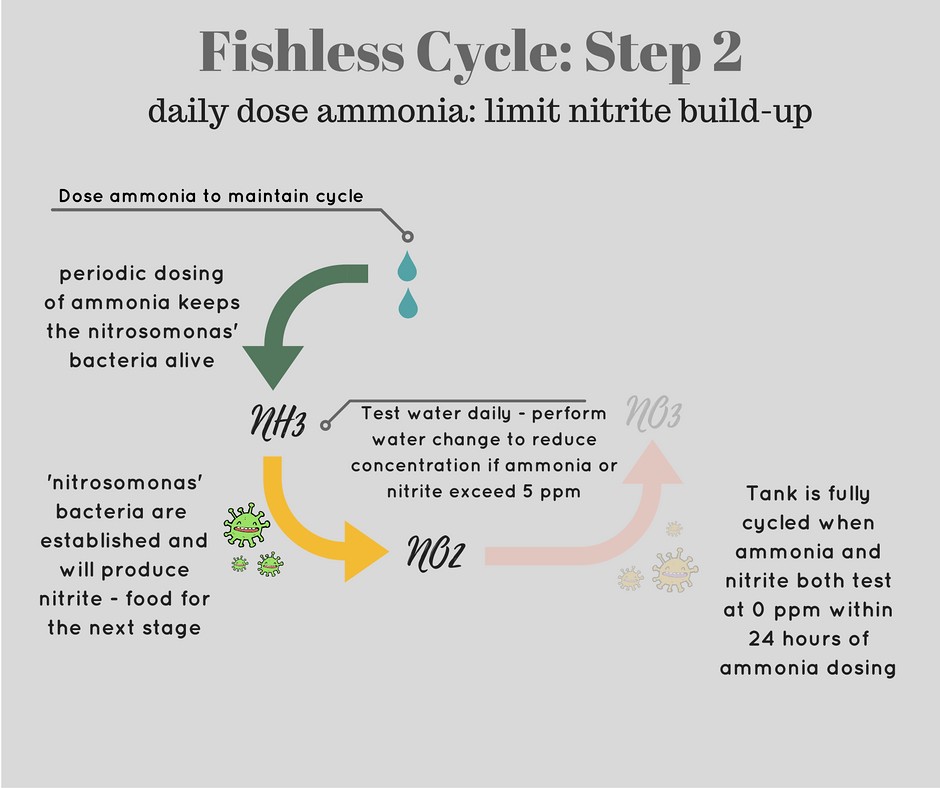
Fish produce waste that contains ammonia. Bacteria change ammonia into nitrites and then nitrates. This process is called the nitrogen cycle.
Uneaten food also breaks down and adds more nitrates. Leftover food can decay quickly and pollute the water.
- Fish waste releases ammonia
- Bacteria convert ammonia to nitrates
- Uneaten food decays and adds nitrates
Decaying Plant Matter
Dead or dying plants in the aquarium start to rot. As they decay, they release nutrients that turn into nitrates.
Regularly removing dead leaves and trimming plants helps reduce nitrate buildup. Healthy plants can also use nitrates for growth.
- Dead plants release nitrates when they rot
- Removing dead matter keeps nitrate levels low
- Live plants absorb nitrates for food
Testing And Monitoring Nitrate Levels
Keeping nitrate levels in your aquarium under control is vital for fish health. Testing helps you catch any rise in nitrates early.
Regular monitoring ensures a safe and clean environment for your aquatic life. It also guides maintenance actions.
Choosing The Right Test Kits
Pick a test kit that is easy to use and reliable. Some kits show results with color charts, while others use digital meters.
- Choose kits with clear instructions and quick results.
- Look for kits that measure low nitrate levels accurately.
- Consider test strips for quick checks and liquid kits for detailed testing.
- Check if the kit includes all needed reagents and tools.
Frequency Of Testing
Testing frequency depends on your tank size, stocking level, and filtration. New tanks need more frequent checks.
| Tank Condition | Testing Frequency |
| Newly set up tank | Every 2-3 days |
| Stable, established tank | Weekly |
| Heavily stocked tank | 2-3 times per week |
| Low stocked, planted tank | Biweekly |
Credit: spec-tanks.com
Water Changes And Filtration
Keeping nitrate levels low is vital for a healthy aquarium. Water changes and filtration help control these levels.
Regular care keeps fish safe and plants growing well. Both water changes and filters play key roles.
Effective Water Change Practices
Change about 10-25% of the water weekly to reduce nitrates. Use a siphon to clean the gravel while removing water.
Always use water that matches the tank’s temperature and pH. This keeps fish from getting shocked.
- Remove 10-25% of water each week
- Use a gravel vacuum to clean debris
- Match temperature and pH of new water
- Avoid changing too much water at once
Using Biological And Chemical Filters
Biological filters use helpful bacteria to break down harmful nitrates. These bacteria live on filter media.
Chemical filters use materials like activated carbon to remove toxins and impurities from the water.
- Biological filters convert nitrate into less harmful substances
- Chemical filters remove dissolved wastes and odors
- Clean or replace filter media as needed
- Keep filters running continuously for best results
Plant-based Nitrate Reduction
Maintaining nitrate levels in an aquarium is important for fish health. Plants help absorb nitrates and keep water clean. Understanding which plants to use can make a big difference.
Using the right plants balances the aquarium ecosystem naturally. Let’s explore which plants work best and how to balance them with fish.
Aquatic Plants That Absorb Nitrates
Some plants are excellent at absorbing nitrates from the water. They keep the environment healthy for fish. These plants are easy to grow and maintain.
- Anacharis: Fast-growing and great for nitrate absorption.
- Duckweed: Floats on the surface and absorbs nutrients quickly.
- Hornwort: Does not need planting and is efficient in nutrient uptake.
- Java Moss: Provides shelter for fish and absorbs nitrates well.
Balancing Plants And Fish
Balancing the number of plants with fish is crucial. Too many fish can lead to high nitrates. Enough plants help maintain balance.
Consider the following balance for a healthy aquarium:
| Plant Type | Recommended Quantity |
| Anacharis | 1 bunch per 5 gallons |
| Duckweed | Cover 50% of the surface |
| Hornwort | 2 stems per 10 gallons |
| Java Moss | Attach to rocks or driftwood |

Credit: www.pond-planet.co.uk
Managing Feeding And Stocking Levels
Keeping nitrate levels low in your aquarium is important. Proper feeding and stocking help in this task.
Too much food or too many fish can raise nitrate levels. Learn how to control both.
Proper Feeding Techniques
Feed your fish the right amount to keep water clean. Overfeeding causes waste and raises nitrates.
- Feed only what fish can eat in 2-3 minutes
- Use a timer to avoid overfeeding
- Remove uneaten food after feeding time
Avoiding Overcrowding
Too many fish in a tank can lead to high nitrate levels. Plan your stocking levels carefully.
| Tank Size | Maximum Fish |
| 10 gallons | 5 small fish |
| 20 gallons | 10 small fish |
| 30 gallons | 15 small fish |
Specialized Nitrate Removal Methods
Keeping nitrate levels low is vital for a healthy aquarium. High nitrate can stress fish and plants. Using special methods helps remove nitrates effectively.
This guide covers two key ways to reduce nitrates: nitrate-removing media and denitrifying filters. Both work differently but keep water safe.
Nitrate-removing Media
Nitrate-removing media are materials placed in filters. They absorb or break down nitrates from the water. These media need regular replacement or regeneration.
- Ion exchange resins trap nitrate ions and hold them.
- Zeolite absorbs nitrates and other harmful chemicals.
- Special bio-media support bacteria that use nitrates for food.
Using Denitrifying Filters
Denitrifying filters use bacteria to turn nitrate into nitrogen gas. This gas escapes from the water, lowering nitrate levels naturally.
| Filter Type | How It Works | Maintenance |
| Fluidized Bed | Bacteria grow on sand particles in moving water. | Clean sand and check water flow regularly. |
| Woodchip Reactor | Bacteria feed on woodchips, breaking down nitrates. | Replace woodchips every 1-2 years. |
| Recirculating Filter | Water cycles through a chamber with denitrifying bacteria. | Monitor water levels and clean filter parts. |

Credit: www.reddit.com
Regular Maintenance And Best Practices
Keeping nitrate levels low is key for a healthy aquarium. Regular care helps prevent nitrate buildup. This protects fish and plants from stress.
Routine tasks make sure your tank stays clean and safe. Follow simple steps to manage nitrate levels well.
Cleaning Substrate And Decorations
Debris and waste collect in the substrate and on decorations. This causes nitrate levels to rise. Clean these areas often to reduce nitrate buildup.
- Use a gravel vacuum during water changes to remove waste from substrate.
- Gently scrub decorations to remove algae and dirt.
- Avoid harsh chemicals; use aquarium-safe tools only.
- Remove uneaten food and dead plant material regularly.
- Clean filter media as recommended to keep it effective.
Routine Equipment Checks
Check your aquarium equipment often. Proper function helps keep nitrate levels stable. Malfunctioning filters or heaters can harm water quality.
| Equipment | Check Frequency | What to Look For |
| Filter | Weekly | Clean media, steady water flow |
| Heater | Monthly | Correct temperature, no damage |
| Air Pump | Weekly | Air bubbles, noise level |
| Lighting | Monthly | Proper light cycle, bulb condition |
Frequently Asked Questions
What Causes High Nitrate Levels In Aquariums?
High nitrate levels result from fish waste, uneaten food, and decaying plants. Poor filtration and infrequent water changes also contribute to nitrate buildup.
How Often Should I Test Nitrate Levels In My Aquarium?
Test nitrate levels weekly to monitor water quality. Regular testing helps maintain a safe environment for fish and prevents toxic buildup.
What Are Safe Nitrate Levels For Freshwater Tanks?
Safe nitrate levels in freshwater tanks are below 40 ppm. Levels above this can stress fish and promote algae growth.
How Can I Reduce Nitrates Naturally In My Aquarium?
Perform regular water changes, add live plants, and use biological filtration. These methods help absorb and break down nitrates effectively.
Conclusion
Keeping nitrate levels low protects fish health and water quality. Regular water changes help remove excess nitrates. Avoid overfeeding to reduce nitrate buildup. Use live plants to absorb nitrates naturally. Test water often to catch problems early. Clean filters and remove debris on schedule.
Healthy fish and clear water make the aquarium more enjoyable. Simple steps make a big difference in your tank. Consistency is key for a safe, happy aquatic environment.