
If you have a nano tank, you know how tricky it can be to keep the water temperature just right. Too cold, and your tiny aquatic friends can suffer.
Too hot, and the delicate ecosystem can be upset. That’s where low wattage heaters come in—they offer precise, gentle warmth tailored for small tanks like yours. Choosing the right heater isn’t just about size; it’s about safety, efficiency, and keeping your underwater world stable.
Keep reading to discover how the perfect low wattage heater can make a big difference for your nano tank’s health and happiness.

Credit: www.hygger-online.com
Benefits Of Low Wattage Heaters
Low wattage heaters are ideal for nano tanks. They keep water warm without using much energy.
These heaters help maintain a stable environment for small aquatic life. They are safe and cost-effective.
Energy Efficiency
Low wattage heaters use less electricity. This lowers energy bills and saves power over time.
- Consumes minimal energy
- Reduces electricity costs
- Good for continuous use
- Environmentally friendly
Reduced Heat Fluctuations
These heaters keep water temperature steady. They avoid sudden hot or cold changes that can stress fish.
| Temperature Control | Effect |
| Stable Heat Output | Consistent tank temperature |
| Low Power Use | Prevents overheating |
| Slow Heat Rise | Less stress for fish |
Safety Advantages
Low wattage heaters reduce risks of burns and damage. They are safer around small tanks and aquatic animals.
- Lower surface temperature
- Less chance of overheating
- Reduces risk of fire
- Safe for nano tank setups
Choosing The Right Heater Size
Low wattage heaters keep nano tanks warm without using too much power. Picking the right size heater helps keep fish safe and healthy.
Too big or too small heaters can cause temperature problems. Let’s look at how to choose the right heater size for your nano tank.
Tank Size Considerations
Small tanks need less heating power than large tanks. Measure your tank’s volume in gallons or liters first.
Heater size depends on how much water you have. A heater too strong can overheat the tank quickly.
- For tanks under 5 gallons, use very low wattage heaters
- 5 to 10 gallons tanks need a small, low watt heater
- Above 10 gallons, consider slightly higher wattage
Wattage Recommendations
Heater wattage should match your tank size and room temperature. Use less wattage for small tanks to avoid overheating.
A good rule is 3 to 5 watts per gallon of water. Low wattage heaters usually start around 10 watts.
| Tank Size (Gallons) | Recommended Wattage |
|---|---|
| 1 – 5 | 10 – 25 watts |
| 5 – 10 | 25 – 50 watts |
| 10 – 20 | 50 – 100 watts |
Matching Heater To Environment
Room temperature affects heater power needs. Cooler rooms need stronger heaters to keep water warm.
Check if your tank is near windows or drafts. These can lower water temperature and need more heating power.
- Keep heater wattage higher if room stays below 70°F (21°C)
- Use lower watt heaters in rooms above 75°F (24°C)
- Adjust heater settings if temperature changes in seasons
Types Of Low Wattage Heaters
Low wattage heaters are essential for nano tanks. They keep the water temperature stable without using too much electricity. Choosing the right type helps protect small aquatic life.
Different heaters work in different ways. It is important to understand their features before buying one for your tank.
Submersible Heaters
Submersible heaters go fully underwater in the tank. They heat the water evenly and keep the temperature steady. These heaters are safe and easy to install.
They come in different sizes to fit various tank volumes. Most have a thermostat to control heat levels.
Inline Heaters
Inline heaters work outside the tank but heat water flowing through a filter system. They do not touch the tank water directly. This keeps the heater safe from damage.
- Easy to hide from view
- Good for tanks with external filters
- Provide consistent heat without crowding the tank
- Require plumbing with the water system
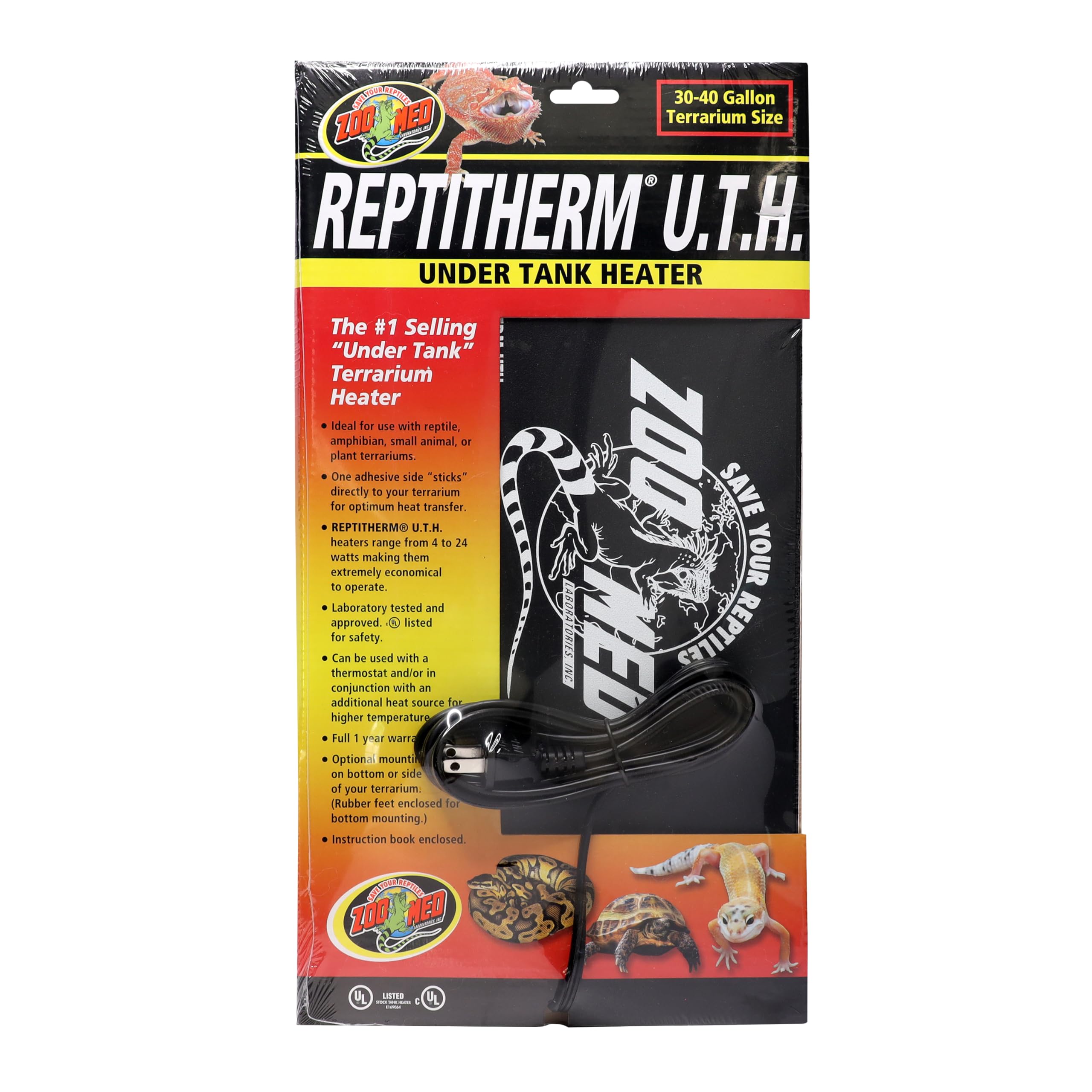
Ceramic And Film Heaters
Ceramic and film heaters are thin and compact. They often stick to the tank glass. These heaters use ceramic or film elements to warm the water.
| Heater Type | Placement | Heating Method | Best For |
| Ceramic | Inside tank or attached to glass | Ceramic element | Small tanks, nano setups |
| Film | Sticks to tank glass | Heating film layer | Small, shallow tanks |
Installation Tips For Nano Tanks
Low wattage heaters are great for small nano tanks. They keep the water warm without using much power.
Proper installation helps maintain a healthy environment for your aquatic life. Follow these tips for best results.
Placement Best Practices
Place the heater where water flows freely around it. This helps spread heat evenly throughout the tank.
Avoid putting the heater near decorations or plants that block water movement. This can cause uneven heating.
- Position heater near a filter output if possible
- Keep heater away from glass walls to prevent damage
- Submerge heater fully according to manufacturer instructions
Avoiding Hot Spots
Hot spots can stress fish and plants. They happen when heat stays in one area without moving.
Use a small water pump or powerhead to keep water circulating. This helps heat spread evenly and prevents hot spots.
- Check heater placement regularly to spot hot spots
- Adjust water flow if you notice uneven heating
- Keep tank decorations spaced to allow water movement
Using Thermostats Effectively
Thermostats keep tank temperature steady by turning the heater on and off. Set them to match your tank’s needs.
Check thermostat settings often. Make small adjustments if you see temperature swings or if fish seem stressed.
- Use a separate thermometer to verify temperature accuracy
- Choose a thermostat designed for low wattage heaters
- Place thermostat sensor away from heater to avoid false readings
Maintaining Heater Safety
Low wattage heaters are great for nano tanks. They keep water warm without using too much power. It is important to keep them safe to avoid problems.
Following simple safety steps helps protect your fish and tank. Keep the heater clean, check the temperature often, and avoid electrical risks.
Regular Cleaning
Dirt and algae can build up on the heater. This can cause it to work poorly or break. Clean the heater regularly to keep it safe and efficient.
Use a soft cloth or sponge to wipe the heater gently. Avoid using sharp tools that can damage it. Cleaning every two weeks works well for most tanks.
Monitoring Temperature
Watch the tank temperature to keep it stable. A heater that is too hot or too cold can harm your fish. Use a reliable thermometer to check daily.
Set the heater to the right temperature for your fish species. Adjust it carefully if you see big changes. Consistent temperature helps fish stay healthy.
Preventing Electrical Hazards
Electric heaters can cause shocks or fires if not used safely. Always plug them into a GFCI outlet to reduce risk. Keep cords dry and away from water.
- Check cords for damage before use
- Do not use extension cords with heaters
- Unplug heater before cleaning or moving
- Place heater where it is stable and secure
Troubleshooting Common Issues
Low wattage heaters keep nano tanks warm and safe for fish. Sometimes, these heaters may not work as expected. Knowing how to fix common problems helps protect your tank.
This guide covers three common issues with low wattage heaters. Learn how to identify and solve them quickly.
Heater Not Heating Properly
If your heater does not warm the water, it may be broken or set wrong. Check the heater’s power connection first. Make sure it is plugged in correctly and the outlet works.
Clean the heater if it has dirt or algae on it. Also, check if the heater is fully submerged. If it is above water, it won’t heat well.
- Ensure power cord is plugged in firmly
- Clean algae or dirt from heater surface
- Keep heater fully underwater
- Check heater settings for correct temperature
Fluctuating Temperatures
Temperature swings can stress fish in nano tanks. This happens if the heater turns on and off too often. It may also mean the thermostat is faulty.
Try to keep the heater away from filters or pumps. These devices can cool the water and cause the heater to cycle too much.
- Place heater in a calm tank area
- Avoid direct flow from pumps or filters
- Test thermostat with a thermometer
- Replace heater if thermostat fails
Signs Of Heater Malfunction
Some signs show your heater may be failing. Watch for cracks or bubbles in the heater glass. These can cause leaks and stop heating.
If the heater feels hot outside the tank or smells strange, unplug it immediately. These are dangerous signs.
- Visible cracks or bubbles on heater
- Heater feels very hot outside the water
- Strange smells or noises from heater
- Water temperature stays cold despite heater on
Popular Brands And Models
Low wattage heaters are essential for nano tanks. They offer precise temperature control without consuming much energy.
Several brands are popular among aquarium enthusiasts. Each offers unique models suitable for different tank sizes.
Top Low Wattage Heaters
These heaters are efficient and reliable. They are designed to maintain consistent temperatures in small aquatic environments.
- Eheim Jager Thermostat Heater
- Fluval Edge Compact Heater
- Aqueon Preset Aquarium Heater
- Cobalt Aquatics Neo-Therm Heater
User Reviews And Ratings
Users often rate heaters based on performance and durability. Feedback from other aquarium owners can guide your purchase.
| Brand | Rating | Comments |
| Eheim Jager | 4.5/5 | Highly accurate and reliable |
| Fluval Edge | 4.0/5 | Compact design, fits well in small tanks |
| Aqueon Preset | 3.8/5 | Good for beginners |
| Cobalt Neo-Therm | 4.7/5 | Best for consistent temperature |
Price Vs Performance
Finding the right heater involves balancing cost with performance. Some heaters are more expensive but offer better features.
Expensive models often include advanced safety features. They might have auto-shutoff or digital displays for precision.

Credit: www.hygger-online.com
Credit: www.amazon.ca
Frequently Asked Questions
What Is A Low Wattage Heater For Nano Tanks?
A low wattage heater provides gentle, consistent heat ideal for small nano tanks. It prevents overheating and maintains stable water temperature.
Why Choose Low Wattage Heaters For Nano Tanks?
Low wattage heaters save energy and avoid temperature spikes in nano tanks. They suit small volumes, ensuring fish health and tank stability.
How To Install A Low Wattage Heater In Nano Tanks?
Place the heater near water flow for even heat distribution. Submerge fully if submersible, and secure it with suction cups.
Can Low Wattage Heaters Prevent Temperature Fluctuations?
Yes, they offer steady, controlled heating, minimizing temperature swings that stress aquatic life in small tanks.
Conclusion
Choosing a low wattage heater keeps your nano tank safe and warm. Small heaters use less power and fit tiny spaces well. They help keep water temperature steady for fish health. Quiet and easy to control, they suit small tanks best.
Remember to check the heater regularly for safety. A good heater makes your nano tank a cozy home. Simple tools can create a happy, healthy fish environment.