
Are you looking for the best way to keep your fish healthy and happy? Live worms for fish feeding could be exactly what your aquarium needs.
These tiny, wriggling treats are packed with nutrients that help your fish grow strong and vibrant. Imagine seeing your fish swim actively and display bright colors every day. If you want to learn how live worms can transform your fish’s diet and where to find the best options, keep reading.
Your fish deserve the best, and this guide will show you how to give it to them.
Credit: gulfofme.com
Benefits Of Live Worms
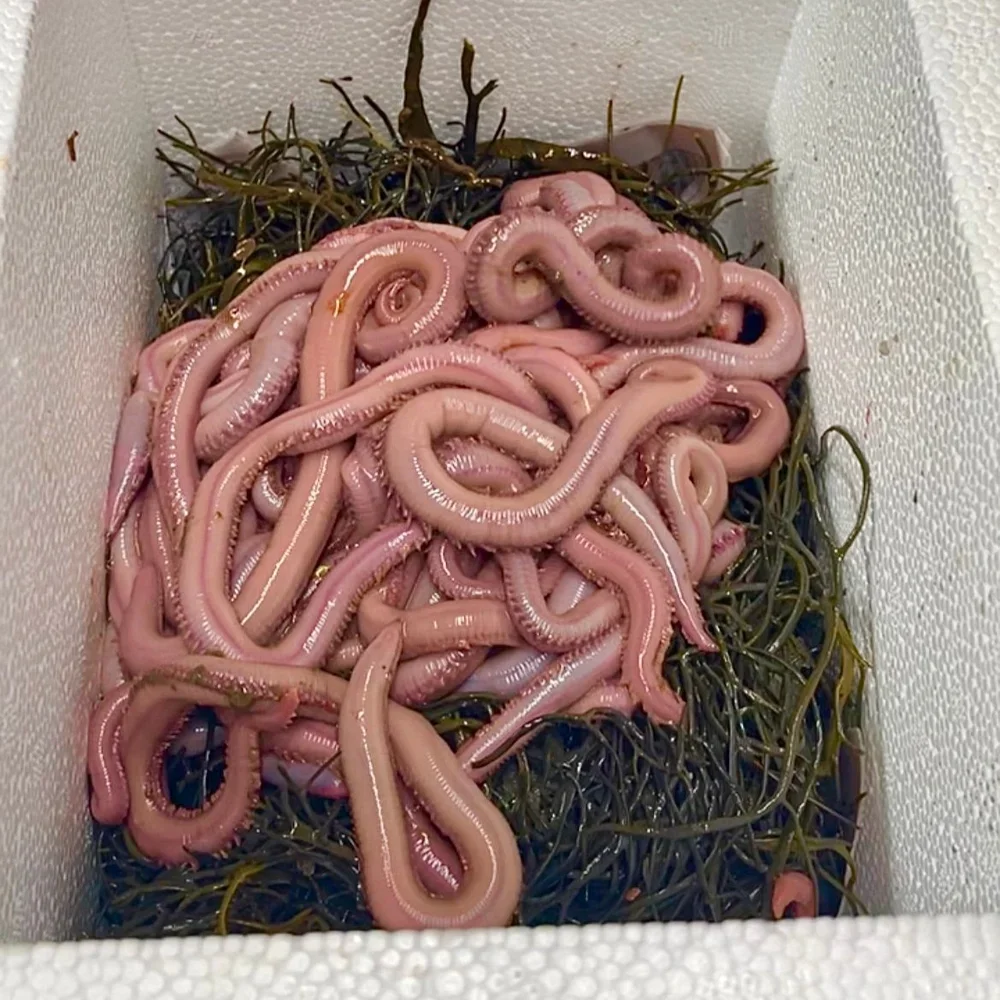
Live worms serve as a natural food source for many fish species. They provide essential nutrients that support fish growth and vitality.
Using live worms can improve fish behavior and overall health in aquariums and ponds. They offer advantages beyond regular fish food.
Nutritional Value
Live worms contain proteins, fats, and vitamins that fish need to thrive. They offer a balanced diet that supports muscle and tissue development.
| Nutrient | Benefit for Fish |
| Protein | Builds strong muscles |
| Fatty Acids | Improves energy levels |
| Vitamins | Supports immune system |
| Minerals | Aids in bone strength |
Enhancing Fish Behavior
Live worms stimulate natural hunting instincts in fish. This keeps them active and less stressed in their environment.
- Encourages chasing and catching skills
- Reduces boredom by providing live prey
- Improves social interaction among fish
Improving Fish Health
Feeding live worms helps fish maintain a strong immune system. They recover faster from illness and resist diseases better.
Live worms also aid digestion, as their movement promotes better appetite and nutrient absorption in fish.
Types Of Live Worms
Live worms are a popular choice for feeding fish. They provide natural nutrition and stimulate fish to eat actively.
There are many types of live worms used by fish keepers. Each type has unique features and benefits.
Bloodworms
Bloodworms are bright red larvae of midge flies. They are rich in protein and easy for fish to digest.
They are often used to feed tropical fish and are available live or frozen.
Blackworms
Blackworms are small, dark worms that live in mud and water. They move slowly and are loved by many fish species.
- Easy to culture at home
- Good source of iron and protein
- Ideal for small and medium fish
Whiteworms
Whiteworms are tiny, pale worms that live in moist environments. They are less fatty than other worms.
| Feature | Description |
| Size | Small, about 1 cm |
| Color | White or cream |
| Best for | Small fish and fry |
| Feeding tip | Use fresh to keep worms active |
Tubifex Worms
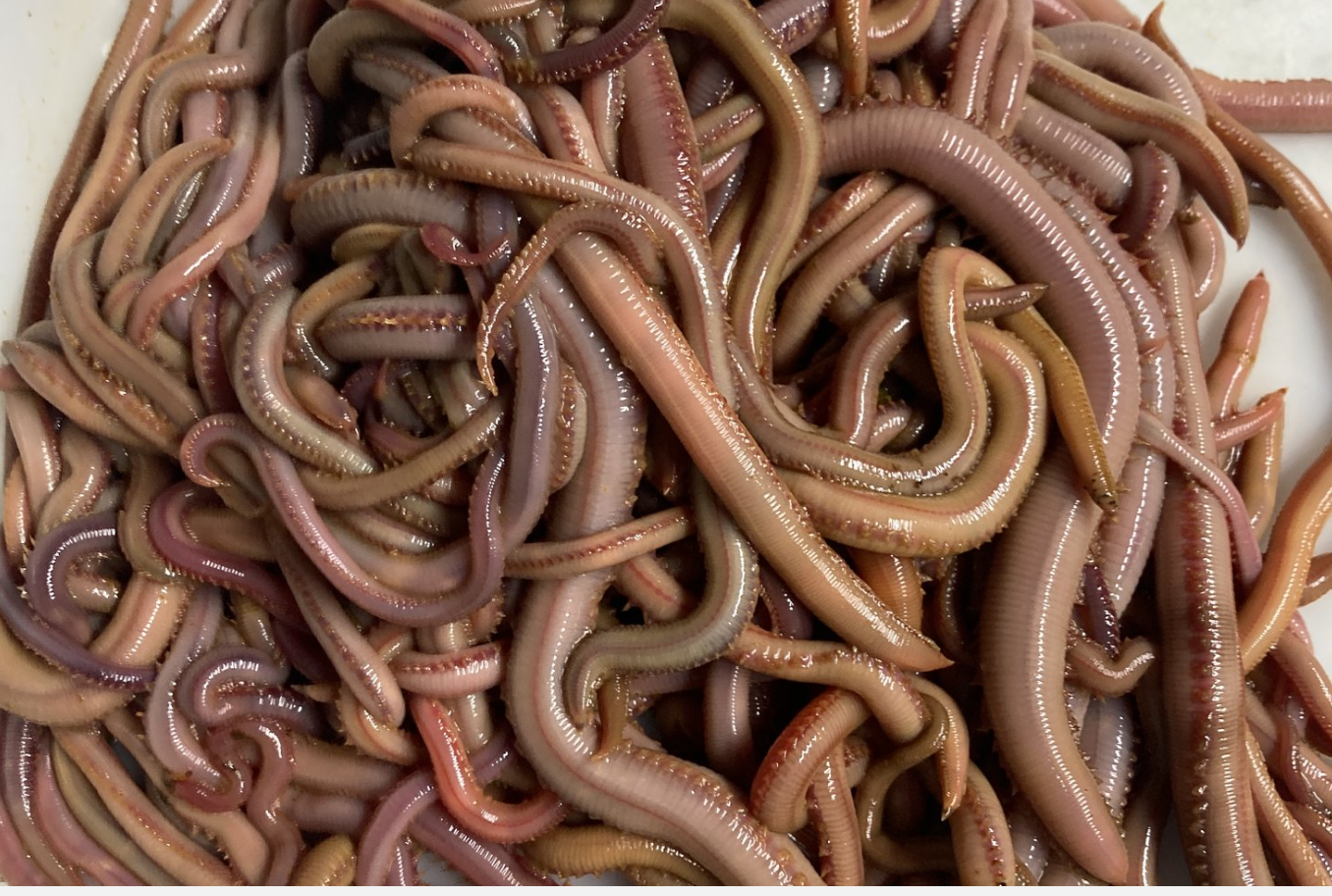
Tubifex worms are long, thin worms that live in dirty water or mud. They are very nutritious but can carry parasites.
Tips for using Tubifex worms safely:
- Buy from a trusted source
- Rinse well before feeding
- Do not overfeed to avoid water pollution
Selecting The Right Worms
Live worms are a natural and nutritious food for many fish species. Choosing the right type of worm is important to keep your fish healthy and happy.
Different worms suit different fish. You should consider worm size, age, and quality before feeding them to your fish.
Compatibility With Fish Species
Not all worms are safe for every fish. Some fish prefer small worms, while others need larger ones. Make sure the worms match your fish species’ diet.
Check if your fish eat live worms naturally. Some fish may reject worms or may get sick if fed the wrong type.
- Small fish like guppies or tetras prefer tiny worms
- Medium fish like goldfish eat medium-sized worms
- Large fish like cichlids need bigger worms
- Bottom feeders enjoy worms that sink slowly
Worm Size And Age
Young worms are softer and easier to digest. Older worms are tougher but provide more nutrition. Choose the right age for your fish’s needs.
Worm size affects how your fish eat. Too large worms can be hard to swallow. Too small worms may not satisfy bigger fish.
- Baby worms are best for fry and very small fish
- Medium worms suit most adult fish
- Large worms are good for big or carnivorous fish
Source And Quality
High-quality worms come from safe and clean sources. Avoid worms from polluted areas to keep fish healthy. Check for freshness and activity before feeding.
Live worms should be lively and free from bad smells. Store them properly to keep them fresh longer.
- Buy worms from trusted suppliers
- Inspect worms for signs of disease or decay
- Keep worms in cool, moist conditions
- Do not feed worms that look weak or dead
Storing Live Worms
Live worms are a great food source for fish. Proper storage keeps worms fresh and healthy.
Storing worms well helps you feed fish anytime. It also reduces waste and keeps worms alive longer.
Optimal Conditions
Keep live worms in a cool, dark place. Avoid direct sunlight or heat to prevent drying.
Use a container with small holes for air. Keep the bedding moist but not wet.
- Temperature between 50°F and 60°F (10°C to 16°C)
- Dark or shaded storage area
- Bedding made of moist peat moss or soil
- Good air circulation without drying out
Avoiding Contamination
Clean the storage container regularly to stop mold and bacteria. Remove dead worms quickly.
Wash hands before handling worms. Avoid using chemicals or soap near the worms.
- Keep container clean and dry outside
- Remove dead or damaged worms daily
- Use fresh bedding to prevent mold
- Handle worms with clean hands or tools
Storage Duration
Live worms can last up to two weeks with good care. Change bedding every week to keep them alive.
If worms smell bad or look slimy, they are spoiled. Feed your fish before worms lose quality.
- Change bedding every 7 days
- Check worms daily for signs of spoilage
- Use worms within 1-2 weeks for best freshness
- Keep storage conditions steady for longer life
Feeding Techniques
Feeding live worms to fish requires care and attention. Proper feeding helps fish stay healthy and active. Knowing how much and how often to feed is important.
Overfeeding or underfeeding can harm your fish. Use good feeding techniques for the best results.
How Much To Feed
Feed only what your fish can eat in a few minutes. Too many worms can pollute the water and stress the fish.
- Small fish need about 2-3 worms per feeding.
- Medium fish can have 4-6 worms each time.
- Large fish may eat 7-10 worms at once.
- Adjust amounts based on fish size and number.
Feeding Frequency
Feed your fish regularly but not too often. Most fish do well with feeding once or twice a day.
| Fish Type | Feeding Times per Day |
| Small Fish | 2 |
| Medium Fish | 1-2 |
| Large Fish | 1 |
Avoiding Overfeeding
Overfeeding can cause health problems and dirty water. Watch your fish and stop feeding when they lose interest.
- Feed small amounts at a time.
- Remove leftover worms quickly.
- Keep track of feeding times.
- Observe fish behavior after feeding.
Credit: www.ebay.com
Cultivating Worms At Home
Growing worms at home is a great way to feed fish with live food. It’s easy and cost-effective for fish enthusiasts.
With a little effort, you can set up and maintain a worm farm in your backyard or even indoors.
Setting Up A Worm Farm
Start by choosing a suitable container for your worm farm. It should have good ventilation and drainage.
- Choose a container with a lid
- Drill holes for air and drainage
- Add bedding made of shredded paper or leaves
- Introduce worms to the bedding
Maintaining Cleanliness
Keeping the worm farm clean is important for the health of the worms. Remove any uneaten food regularly.
Ensure the moisture level in the bedding is right. It should feel like a damp sponge.
Harvesting Worms
When it’s time to harvest, collect the worms gently. Use them fresh to feed your fish.
| Method | Tools Needed |
| Hand Picking | Gloves |
| Light Method | Flashlight |
| Divide and Separate | Two Trays |
Common Challenges And Solutions
Feeding fish with live worms can be rewarding. But it comes with its own set of challenges. Understanding these can help keep your worms healthy and your fish happy.
Here, we will explore common problems and how to overcome them. This guide will help maintain a healthy worm supply for your fish.
Worm Health Issues
Healthy worms are essential for fish feeding. They need proper care to thrive. Worms can suffer from dehydration or overcrowding.
- Ensure adequate moisture in the worm habitat.
- Avoid overcrowding by providing enough space.
- Use a balanced diet to keep worms healthy.
Preventing Mold And Decay
Mold and decay can ruin your worm supply. It is important to maintain a clean environment. Mold often appears if the habitat is too wet or dirty.
| Problem | Solution |
| Mold Growth | Reduce moisture levels |
| Decay | Remove dead worms regularly |
| Bad Odor | Improve ventilation |
Dealing With Pests
Pests can be a major issue for worm habitats. They compete for food and can harm worms. Keeping pests away is crucial.
Credit: gulfofme.com
Alternatives To Live Worms
Live worms are a common food for many fish. Some fish owners look for other options. These alternatives can be easier to store and handle.
This guide explains some good substitutes for live worms. Each option has its own benefits and uses.
Frozen Worms
Frozen worms are a popular choice for fish feeding. They keep most nutrients and are easy to store. You can thaw them before feeding your fish.
- Keep in freezer until needed
- Thaw small amounts to avoid waste
- Provide similar nutrition to live worms
- Reduce risk of pests in the tank
Pellets And Flakes
Pellets and flakes are dry foods made for fish. They have a long shelf life and are easy to measure. Many types include vitamins and minerals.
| Type | Advantages | Best for |
| Pellets | Less messy, sink or float | Bottom and mid-level feeders |
| Flakes | Easy to eat, float on water | Surface feeders |
| Granules | Small size, good for tiny fish | Small or young fish |
Other Live Foods
Other live foods can also feed your fish well. These include small insects and larvae. They add variety to your fish’s diet.
- Daphnia (water fleas) – small and nutritious
- Brine shrimp – good for many fish types
- Bloodworms – rich in protein
- Black soldier fly larvae – high in fat and protein
Frequently Asked Questions
What Are The Best Live Worms For Fish Feeding?
The best live worms for fish feeding include bloodworms, earthworms, and blackworms. These worms are rich in protein and nutrients. They promote healthy growth and vibrant colors in fish. Always choose worms that suit your fish species and are free from pesticides.
How To Store Live Worms For Fish Feeding?
Store live worms in a cool, dark place with proper ventilation. Use damp soil or paper towels to keep them moist. Avoid extreme temperatures to prevent worm death. Regularly check and clean the storage container to maintain worm health and freshness.
Are Live Worms Better Than Frozen Ones For Fish?
Live worms offer fresher nutrients and stimulate natural hunting instincts. They enhance fish activity and feeding response. However, frozen worms are convenient and safe from parasites. Use live worms occasionally for variety and nutrition, combined with frozen options for balanced feeding.
How Often Should I Feed Live Worms To My Fish?
Feed live worms to fish 2-3 times a week as a treat or supplement. Overfeeding can cause water quality issues. Balance worm feedings with regular pellet or flake diets. Monitor fish response and adjust feeding frequency accordingly.
Conclusion
Feeding fish with live worms offers many benefits. They provide natural nutrition that fish enjoy. Live worms help improve fish health and growth. Using them keeps your fish active and happy. Always choose fresh, clean worms for best results. This simple feeding method suits many fish types.
Try adding live worms to your fish diet today. Watch your fish thrive with this natural food. A small change can make a big difference.