
If you want to keep your aquarium fish healthy and happy, feeding them the right food is key. Live Tubifex worms are one of the best natural choices you can offer.
These tiny worms are packed with nutrients that can boost your fish’s energy and color. But how do you choose, store, and use them safely? You’ll discover everything you need to know about live Tubifex worms to make your aquarium thrive like never before.
Keep reading to unlock the secret to vibrant, active fish!
Benefits Of Tubifex Worms
Live Tubifex worms are a popular food choice for many aquarium fish. They offer several advantages that support fish growth and health.
These worms provide natural nutrition and encourage fish to eat in ways they do in the wild. This helps keep fish active and strong.
Nutritional Value
Tubifex worms contain important nutrients that fish need. They have proteins, fats, and vitamins that help fish grow.
These nutrients support muscle development and energy. Tubifex worms also have minerals that improve fish health.
- High protein for muscle growth
- Healthy fats for energy
- Vitamins that support overall health
- Minerals that strengthen bones and scales
Enhancing Fish Health
Feeding Tubifex worms can boost fish immune systems. This helps fish fight off diseases and stay strong.
The worms also aid digestion because they are easy to digest. Healthy digestion means fish absorb nutrients better.
- Supports immune system function
- Easy to digest for better nutrient use
- Promotes healthy skin and scales
Stimulating Natural Feeding Behavior
Tubifex worms help fish behave like they do in the wild. Fish chase and hunt these worms, which keeps them active.
This natural feeding encourages exercise and reduces boredom. Active fish are usually healthier and less stressed.
- Encourages hunting and chasing
- Keeps fish active and alert
- Reduces stress and boredom in fish
Credit: www.amazon.co.uk
Choosing Live Tubifex Worms
Live Tubifex worms serve as nutritious food for aquarium fish. Picking the right worms ensures fish health and tank cleanliness.
Not all Tubifex worms are safe to feed. Learn how to select good quality worms from trusted sources.
Sources And Suppliers
Buy Tubifex worms from suppliers who specialize in aquarium live food. Trusted stores often test and keep worms in clean conditions.
- Local aquarium shops with good reviews
- Online vendors with clear shipping policies
- Aquaculture farms that raise worms hygienically
- Avoid unknown street sellers or wild-collected worms
Quality Indicators
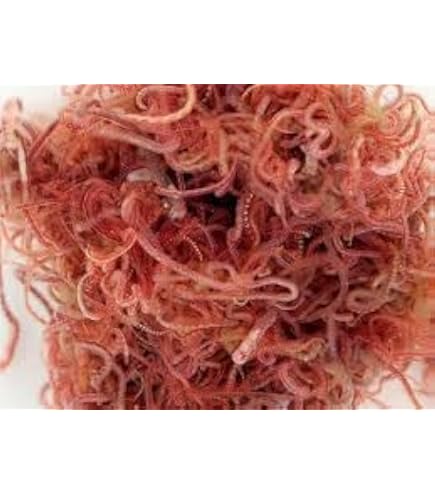
Look for Tubifex worms that are active and bright in color. Healthy worms move well and show no signs of decay.
| Indicator | What to Check |
| Color | Bright red or pink, not pale or grey |
| Movement | Wriggle actively without stiffness |
| Smell | Fresh, without strong foul odor |
| Cleanliness | Free of dirt and debris |
Avoiding Contaminated Worms
Contaminated Tubifex worms can carry bacteria and parasites. Avoid any worms stored in dirty or murky water.
- Ask suppliers about worm source and handling
- Never feed worms from stagnant or polluted water
- Quarantine worms before feeding to fish
- Rinse worms gently in clean water before use
Feeding Techniques
Live tubifex worms are a popular food for many aquarium fish. Feeding them properly helps fish stay healthy and active.
Knowing the right way to feed tubifex worms ensures your fish get the nutrients they need without overfeeding or waste.
Proper Portion Sizes
Giving the right amount of tubifex worms prevents overfeeding and water pollution. Small fish need smaller portions than bigger fish.
- Feed only what your fish can eat in 2 to 3 minutes.
- Start with a few worms and increase if fish finish quickly.
- Avoid excess worms to keep the tank clean.
- Use feeding tongs to control portion size easily.
Frequency Of Feeding
Feeding tubifex worms too often can harm water quality. Many fish do well with feeding two to three times a week.
| Fish Type | Feeding Frequency |
| Small Tropical Fish | 2 times per week |
| Medium-sized Fish | 3 times per week |
| Large Predatory Fish | 3 to 4 times per week |
Introducing Worms To Different Fish Species
Some fish may not accept tubifex worms right away. Introducing worms carefully helps fish get used to this food.
Try these tips when feeding tubifex worms to new fish:
- Offer worms in small pieces for picky eaters.
- Mix worms with other foods to encourage acceptance.
- Feed during the fish’s active time of day.
- Observe fish and adjust feeding if needed.

Credit: www.reptilecentre.com
Handling And Storage
Live Tubifex worms are a popular food for aquarium fish. Proper handling and storage are key to keeping them alive and fresh.
These worms need specific conditions to thrive. Let’s look at how you can ensure their longevity and quality.
Keeping Tubifex Worms Alive
Maintaining the health of your Tubifex worms is important. They need clean, oxygen-rich water for survival.
- Rinse them daily with fresh, dechlorinated water.
- Provide proper aeration to keep water oxygenated.
- Store them in a cool, shaded area.
Storage Conditions
Tubifex worms should be stored under specific conditions to stay fresh. Temperature and water quality are crucial factors.
| Condition | Requirement |
| Temperature | 4°C to 10°C (39°F to 50°F) |
| Water Quality | Clean, chlorine-free |
| Light | Indirect or minimal light |
Shelf Life And Freshness
The shelf life of Tubifex worms depends on how well they are stored. Freshness ensures they are a nutritious food source.
Risks And Precautions
Live Tubifex worms are popular food for aquarium fish. They provide good nutrition. Yet, using them has some risks. Fish owners should take care to avoid problems.
Knowing the risks helps keep your fish healthy. Taking simple precautions reduces dangers linked to live Tubifex worms.
Potential Parasites And Diseases
Live Tubifex worms can carry parasites and diseases. These can infect your aquarium fish. Some common parasites include protozoans and worms. Diseases can spread quickly if untreated.
Always inspect worms before feeding. Avoid worms from unknown or untreated sources. Quarantine new worms to check for problems.
- Parasites may cause fish to lose weight.
- Diseases can cause skin damage or death.
- Infected worms can spread illness fast.
- Quarantining helps stop disease spread.
Preventing Water Contamination
Live Tubifex worms can pollute aquarium water. Dead worms and waste increase ammonia and nitrites. This harms fish health. Clean water is key for a healthy aquarium.
Remove uneaten worms quickly. Use a net or siphon to clean the tank regularly. Monitor water quality often to keep it safe.
- Check water for ammonia, nitrites, and nitrates.
- Do partial water changes after feeding worms.
- Remove dead or leftover worms immediately.
- Keep the tank filter clean and working well.
Safe Feeding Practices
Feed live Tubifex worms in small amounts. Overfeeding causes water problems and fish stress. Use worms as a treat, not the main diet.
Use clean tools to handle worms. Avoid touching the worms with bare hands. Always wash hands after feeding fish.
- Feed only what fish can eat in a few minutes.
- Keep worms in clean containers before feeding.
- Do not mix worms from different sources.
- Observe fish for any signs of illness after feeding.
Credit: fishyhub.com
Alternatives To Live Tubifex
Live tubifex worms are a popular food for aquarium fish. They provide good nutrition but can carry risks like parasites. Many fish keepers look for safer or easier feeding options.
This guide explores frozen and dried choices, other live foods, and compares their nutrition to live tubifex worms.
Frozen And Dried Options
Frozen and dried foods are safe alternatives to live tubifex. They store well and reduce the chance of spreading diseases. These options also make feeding easier and cleaner.
- Frozen bloodworms
- Dried brine shrimp
- Frozen daphnia
- Dried krill
- Frozen mosquito larvae
Other Live Foods
Other live foods offer variety and enrichment for fish. Live options are often high in protein and can stimulate natural hunting behaviors.
- Live brine shrimp
- Live daphnia
- Blackworms
- Fruit flies for smaller fish
- Microworms for fry
Comparing Nutritional Benefits
| Food Type | Protein Content (%) | Fat Content (%) | Vitamins & Minerals | Ease of Use |
| Live Tubifex | 55 | 7 | Good source of protein and fat | Requires careful handling |
| Frozen Bloodworms | 50 | 6 | Rich in protein, some minerals | Easy to store and feed |
| Dried Brine Shrimp | 40 | 3 | Moderate vitamins, less fat | Long shelf life, easy |
| Live Daphnia | 45 | 4 | Good vitamins, low fat | Needs live culture |
| Frozen Mosquito Larvae | 52 | 5 | High protein and fat | Freezes well, simple to feed |
Frequently Asked Questions
What Are Live Tubifex Worms Used For In Aquariums?
Live Tubifex worms serve as nutritious food for aquarium fish. They are rich in proteins and enhance fish health. Tubifex worms encourage natural hunting behaviors, making feeding time engaging and beneficial for fish growth.
How To Safely Feed Live Tubifex Worms To Fish?
Rinse Tubifex worms thoroughly before feeding to remove contaminants. Feed in small amounts to prevent water pollution. Monitor fish to ensure they eat the worms quickly and remove uneaten worms to maintain water quality.
Are Live Tubifex Worms Healthy For All Aquarium Fish?
Most freshwater fish enjoy Tubifex worms, but some may reject them. They provide essential nutrients and improve fish vitality. Avoid overfeeding to prevent digestive issues and maintain a balanced diet with other foods.
Where To Buy Live Tubifex Worms For Aquariums?
Live Tubifex worms are available at aquarium stores and online pet suppliers. Choose reputable sellers to ensure worm quality and safety. Check for freshness and proper packaging to avoid introducing diseases to your tank.
Conclusion
Live Tubifex worms provide excellent nutrition for aquarium fish. They help keep fish healthy and active. Feeding these worms can improve fish color and growth. Always buy worms from a trusted source to avoid risks. Store them properly to keep them fresh and safe.
Using live Tubifex worms can add variety to your fish’s diet. Try adding them occasionally for better fish care. Simple and natural food often works best for pet fish. Give your aquarium fish the nutrition they deserve.