
Are you wondering how to create the perfect lighting schedule for your angelfish? Getting the light just right can make a huge difference in your fish’s health and happiness.
Too much light can stress them out, while too little can affect their natural behavior. You’ll discover simple tips to set up a lighting routine that keeps your angelfish vibrant and active. Keep reading to learn how to make your aquarium a comfortable home your fish will thrive in.
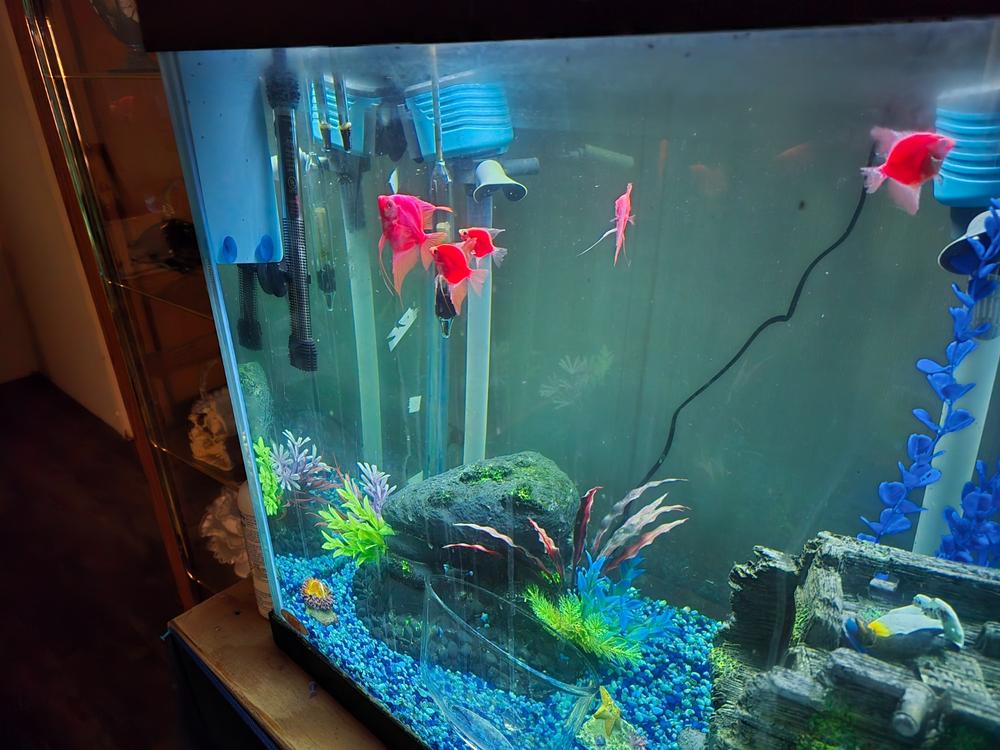
Credit: shop.glofish.com
Angelfish Lighting Needs
Lighting plays a key role in keeping angelfish healthy and happy. Proper light helps them behave naturally and grow well.
Understanding their lighting needs helps you create the best environment for your angelfish at home.
Natural Habitat Light Conditions
Angelfish come from slow-moving rivers and streams in the Amazon. These waters have soft, filtered light from trees and plants above.
- Light is usually dim and scattered.
- Daylight lasts about 10 to 12 hours.
- Light changes with weather and seasons.
Impact Of Light On Behavior
Light affects angelfish activity and mood. Too much light can stress them, while too little can make them inactive.
| Light Condition | Behavior |
| Bright Light | Hides more, less active |
| Dim Light | Swims freely, shows colors |
| Consistent Light Cycle | Normal feeding and breeding |
Light And Growth Correlation
Proper lighting supports healthy growth in angelfish. It helps regulate their body clock and feeding times.
- Provide 10 to 12 hours of light daily.
- Use soft, indirect light to mimic natural habitat.
- Avoid sudden changes in lighting to reduce stress.
Optimal Light Duration
Angelfish need the right amount of light every day to stay healthy. Light helps their natural behavior and growth.
Too much or too little light can cause problems in your aquarium. It is important to find the best balance.
Recommended Daily Light Hours
Angelfish usually do well with about 8 to 10 hours of light daily. This mimics their natural environment.
Use a timer to keep the light schedule steady. This helps angelfish stay calm and active.
- Provide 8-10 hours of light each day
- Keep light intensity moderate, not too bright
- Use a timer for consistent light periods
Effects Of Overexposure
Too much light can stress angelfish and cause algae to grow fast. This can harm water quality.
Overexposure may make angelfish hide or lose color. It also disrupts their sleep cycle.
- Increased stress and hiding behavior
- Faster algae growth in the tank
- Color fading and health problems
- Disrupted sleep and activity patterns
Consequences Of Insufficient Light
Not enough light can slow angelfish growth and reduce their activity. Plants in the tank also suffer.
Low light may cause angelfish to lose appetite and become weak. It changes the aquarium balance.
- Slow growth and low energy
- Weak appetite and poor health
- Reduced plant growth in the tank
- Unhealthy aquarium environment
Choosing The Right Light Type
Lighting is important for angelfish health and growth. The right light type helps fish show their colors well. It also supports plant growth in the tank.
Different light types have different effects. This guide covers LED and fluorescent lights, color temperature, and energy use.
Led Vs Fluorescent Lights
LED lights last longer and use less power. Fluorescent lights cost less at first but burn out faster. Both can work for angelfish tanks.
- LED lights produce less heat
- Fluorescent lights can make colors look bright
- LED bulbs can be dimmed easily
- Fluorescent bulbs need frequent replacement
Color Temperature Effects
| Color Temperature (Kelvin) | Effect on Tank |
|---|---|
| 5000K – 6500K | Natural daylight look, good for plants and fish |
| 4000K – 5000K | Cool white light, enhances fish colors |
| 3000K – 4000K | Warm light, less harsh, cozy appearance |
Choosing the right color temperature helps fish feel comfortable. It also supports plant health and shows fish colors well.
Energy Efficiency Considerations
Energy use is important for cost and environment. Here are tips to save energy:
- Use LED lights for lower power use
- Turn off lights when not needed
- Use timers to control light hours
- Choose lights with good energy ratings
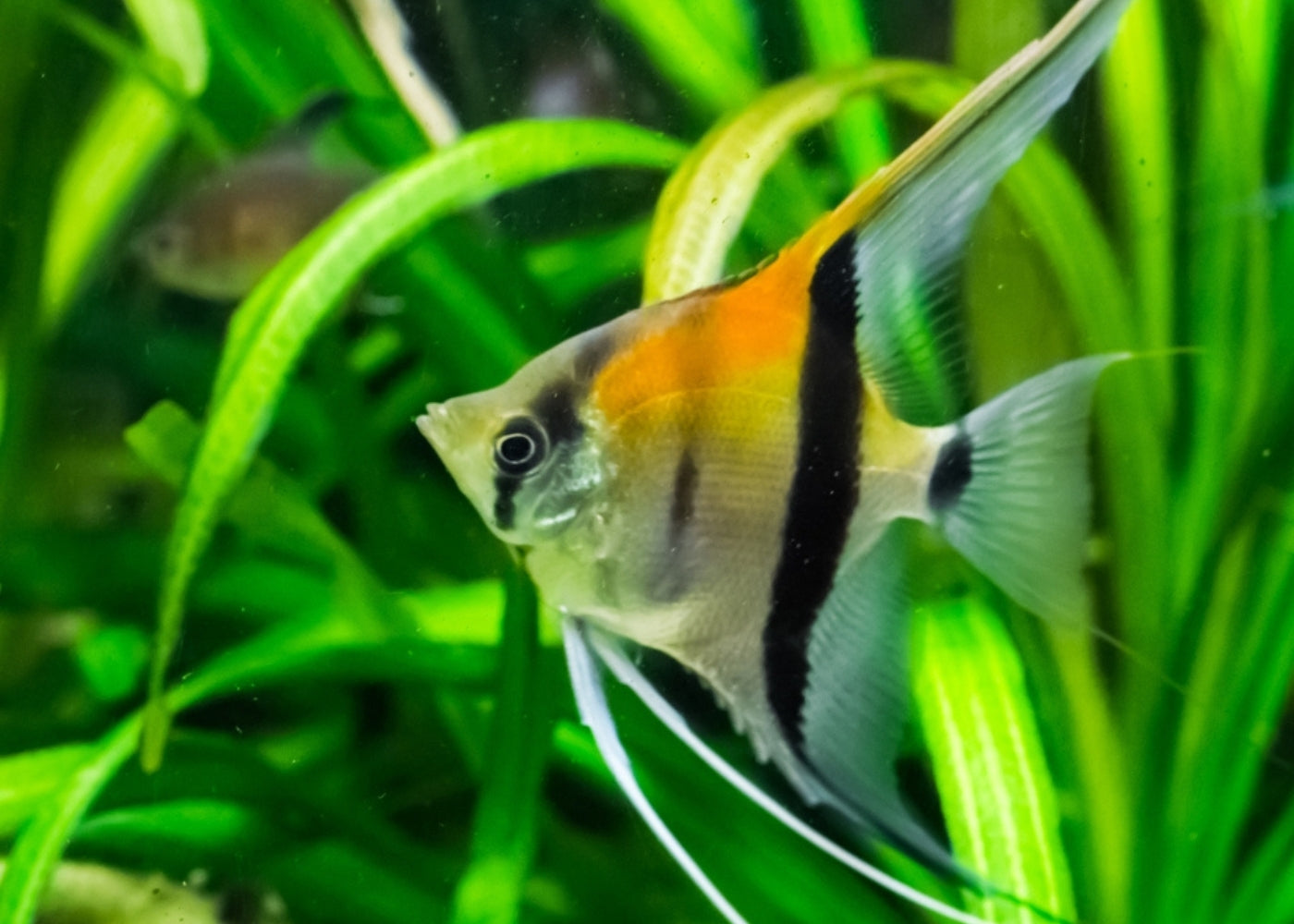
Credit: coburgaquarium.com.au
Creating A Lighting Schedule
Angelfish need a steady lighting schedule to stay healthy and active. Proper light helps their colors shine and supports their natural behavior.
Setting the right light time each day creates a good environment. It also helps you care for your fish better.
Setting Timers For Consistency
Use timers to turn aquarium lights on and off at the same time daily. This keeps the fish’s environment stable. Consistent light helps reduce stress in angelfish.
- Set lights for about 10 to 12 hours daily
- Turn lights on in the morning to mimic sunrise
- Turn lights off at night to mimic sunset
- Use an automatic timer to avoid mistakes
Adjusting For Seasonal Changes
Light length changes with the seasons. Adjust your timer to match. This helps angelfish stay healthy all year.
| Season | Light Hours | Notes |
| Spring | 11 hours | Increase light gradually |
| Summer | 12 hours | Peak light period |
| Fall | 10 hours | Decrease light slowly |
| Winter | 9 hours | Keep light steady |
Balancing Light With Feeding Times
Light and feeding should match angelfish habits. Feed fish during light hours for best results. Avoid feeding in dark times to keep tank clean.
Here is a simple daily routine:
- Turn lights on
- Feed fish 1 hour after lights on
- Turn lights off
Signs Of Lighting Stress
Angelfish need a proper lighting schedule to stay healthy. Incorrect lighting can cause stress in these fish. Understanding the signs of lighting stress helps keep your angelfish happy.
Lighting stress can show in different ways. It’s important to know how to spot these signs early. This guide will help you identify and adjust lighting for your angelfish.
Behavioral Indicators
Angelfish may behave differently if stressed by light. Watch for changes in their normal behavior. These changes can indicate stress.
- Swimming erratically or hiding often
- Aggression towards other fish
- Loss of appetite or not eating
Physical Symptoms
Physical signs can also show lighting stress in angelfish. Check for these symptoms if you suspect stress.
- Faded or dull coloring
- Clamped fins close to the body
- Rapid breathing or gasping
Adjusting Light To Reduce Stress
Proper lighting adjustments can help reduce stress in angelfish. Ensure the light schedule mimics natural day-night cycles.
- Provide 8-10 hours of light daily
- Use a timer to keep lighting consistent
- Include shaded areas in the tank for refuge
Lighting For Breeding Angelfish
Lighting plays a key role in breeding angelfish. Proper light helps trigger spawning and supports fry growth.
Setting the right light schedule creates a natural environment. This encourages angelfish to breed successfully.
Light Conditions To Encourage Spawning
Bright but gentle light helps angelfish feel safe to spawn. Avoid direct sunlight or very strong lighting.
- Use 10 to 12 hours of light daily.
- Keep lighting consistent each day.
- Use full-spectrum bulbs to mimic natural daylight.
- Dim lights slightly during breeding periods.
Timing Light For Fry Growth
Fry need enough light for healthy growth. Too much light stresses young fish.
| Age of Fry | Recommended Light Hours | Notes |
|---|---|---|
| 0-2 Weeks | 8-10 Hours | Keep light soft and indirect |
| 2-4 Weeks | 10-12 Hours | Gradually increase light intensity |
| 4+ Weeks | 12 Hours | Normal daylight cycle |
Managing Light During Breeding Cycles
Adjust light length and brightness to match breeding phases. This helps angelfish stay on a natural cycle.
- Start with 10 hours of light during courtship.
- Increase to 12 hours once eggs are laid.
- Reduce light slightly after eggs hatch to calm fry.
- Use timers to keep light schedules steady.
Complementing Lighting With Tank Setup
Lighting is very important for angelfish tanks. It helps fish stay healthy and plants grow well.
Good lighting works with the tank setup to create a natural and safe home for angelfish.
Plant Selection And Light Needs
Plants in the tank need the right light to grow. Some plants like bright light. Others need less light.
Choose plants that match your tank’s light. This helps plants stay healthy and look nice.
- Low light plants: Anubias, Java Fern
- Medium light plants: Cryptocoryne, Amazon Sword
- High light plants: Dwarf Hairgrass, Rotala
Tank Decoration Impact On Light
Tank decorations can change how light spreads in the tank. Large decorations may block light.
Use decorations that do not create too much shade. This keeps light reaching all parts of the tank.
- Place tall decorations near the back
- Use clear or light-colored items
- Avoid overcrowding to let light flow
Maintaining Water Quality With Light
Proper lighting helps control algae growth in the tank. Too much light causes algae to grow fast.
Keep light on for 8 to 10 hours daily. This keeps water clean and healthy for angelfish.
- Use timers to control light duration
- Clean tank walls to remove algae
- Balance light with plant growth

Credit: www.coastgemusa.com
Frequently Asked Questions
What Is The Ideal Lighting Duration For Angelfish Tanks?
Angelfish thrive with 10 to 12 hours of light daily. This mimics their natural environment and supports healthy behavior. Avoid prolonged lighting to prevent stress and algae growth.
How Does Lighting Affect Angelfish Health?
Proper lighting regulates Angelfish’s biological clock and activity levels. Too much light can cause stress, while too little can reduce their activity and feeding habits.
Can Angelfish Survive With Natural Light Only?
Yes, Angelfish can live with natural light if it’s consistent. However, controlled artificial lighting ensures stable conditions and promotes better growth and coloration.
Should I Use A Timer For Angelfish Aquarium Lighting?
Using a timer helps maintain a consistent light schedule. Consistency reduces stress for Angelfish and supports stable tank conditions, promoting their overall well-being.
Conclusion
Setting a proper lighting schedule helps keep angelfish healthy. It supports their natural behavior and growth. Too much or too little light can stress the fish. Aim for about 10 to 12 hours of light daily. Keep the schedule consistent every day.
Use a timer for easy control. Watch your angelfish to see how they respond. Good lighting improves their colors and activity. A steady routine creates a calm environment for your fish. Remember, balanced lighting plays a big role in angelfish care.