
When it comes to keeping tropical freshwater fish, lighting plays a bigger role than you might think. The right light not only makes your aquarium look stunning but also keeps your fish healthy and happy.
If you want your underwater world to thrive and glow with vibrant colors, understanding how to choose and use lighting is key. You’ll discover simple tips and expert advice that will transform your fish tank into a lively, natural habitat.
Keep reading, and you’ll learn how to create the perfect lighting setup that your tropical fish will love.
Choosing The Right Light
Lighting plays a key role in the health of tropical freshwater fish. It affects their behavior, growth, and tank appearance. Picking the right light helps create a natural and comfortable environment.
Understanding different light types, intensity, and energy use will guide you to the best choice for your aquarium.
Types Of Aquarium Lights
There are several common lighting options for freshwater fish tanks. Each type offers different benefits and fits various needs.
- Fluorescent Lights: Affordable and widely used, they provide good light for fish but may not be strong enough for plants.
- LED Lights: Energy-efficient and long-lasting, LEDs offer adjustable colors and brightness.
- Incandescent Lights: Less common, these lights produce heat and use more energy.
- Metal Halide Lights: Very bright, used mainly in large or deep tanks but consume more power.
Light Intensity And Spectrum
Fish need the right light strength and color to stay healthy. Light intensity affects their activity and stress levels. The spectrum impacts how colors look and plant growth.
| Light Spectrum | Effect |
|---|---|
| Blue Light | Enhances fish colors and simulates moonlight |
| White Light | Shows natural colors and helps plants grow |
| Red Light | Boosts plant growth and fish activity |
| Full Spectrum | Balanced light for fish and plants |
Energy Efficiency Considerations
Lighting runs daily, so energy use adds up. Choosing efficient lights saves money and reduces heat in the tank.
- LEDs use less power and last longer than other lights.
- Fluorescent bulbs are less efficient but cheaper upfront.
- Turn lights off when not needed to save energy.
- Use timers to control light duration automatically.
Impact On Fish Health
Lighting plays a key role in the health of tropical freshwater fish. Proper light helps keep fish active and calm. It also supports their natural colors and overall well-being.
Understanding how lighting affects fish behavior and health helps create a better aquarium environment. It can reduce stress and promote natural habits.
Behavior And Activity Levels
Fish need a light cycle that mimics their natural habitat. Light influences when fish swim, eat, and rest. Too much or too little light can change their behavior.
- Consistent light helps fish develop regular activity patterns
- Bright lights increase movement and feeding behavior
- Dim or irregular light can cause fish to hide or become inactive
- Proper lighting supports healthy sleep cycles
Stress Reduction Through Lighting
Stress harms fish health and weakens their immune system. Good lighting reduces stress by creating a stable environment. Fish feel safe with proper light and dark periods.
| Lighting Condition | Effect on Stress |
| Steady natural light cycle | Reduces stress, promotes calm |
| Too bright or constant light | Increases stress, causes aggression |
| Sudden changes in light | Confuses fish, raises stress levels |
| Too little light | Stress from lack of normal cues |
Promoting Natural Coloration
Lighting affects how fish show their colors. Proper light helps fish display bright and natural hues. This is a sign of good health.
Tips for enhancing fish coloration with lighting:
- Use full-spectrum lights that mimic sunlight
- Avoid overly harsh or colored lights that distort natural colors
- Provide periods of darkness to let colors rest
- Match lighting to fish species’ natural environment
Supporting Plant Growth
Lighting is very important for tropical freshwater fish tanks with plants. Good light helps plants grow healthy and strong. Plants use light to make food through photosynthesis.
Without enough light, plants may become weak or die. Too much light can cause problems too. This guide explains how to give the right light for your aquatic plants.
Light Requirements For Aquatic Plants
Aquatic plants need a certain amount of light to grow well. Most tropical freshwater plants do best with moderate light. This means about 8 to 10 hours of light each day.
Too little light slows growth. Too much light can stress plants. Use full spectrum lights made for aquariums. These lights give the right colors plants need.
- Provide 8-10 hours of light daily
- Use full spectrum LED or fluorescent lights
- Adjust light intensity based on plant types
Balancing Light And Nutrients
Plants need both light and nutrients to grow. If light is strong but nutrients are low, plants may not grow well. Nutrients include things like nitrogen, phosphorus, and potassium.
Check that your tank has enough nutrients in the water and substrate. A balance of light and nutrients helps plants stay green and healthy.
- Use fertilizers if needed
- Keep substrate rich in nutrients
- Match nutrient levels to light intensity
Avoiding Algae Overgrowth
Too much light can cause algae to grow fast. Algae can cover plants and block light. This harms both plants and fish.
To avoid algae, limit light hours and keep nutrients balanced. Clean the tank regularly and remove algae by hand if needed.
- Limit light to 8-10 hours per day
- Keep nutrient levels steady
- Clean algae from tank surfaces often

Credit: www.aqqapet.com
Setting Up Your Lighting System
Lighting is important for tropical freshwater fish tanks. It helps fish stay healthy and shows their true colors.
Choosing the right setup lets you control how much light your fish get each day.
Placement And Duration
Place your lights above the tank for even coverage. Avoid direct sunlight to stop algae growth.
Keep the lights on for 8 to 12 hours daily. This mimics natural day and night cycles for the fish.
- Position lights evenly over the tank
- Use a cover to reduce light escape
- Set daily light duration between 8 and 12 hours
Using Timers And Automation
Timers help keep lighting consistent. They turn lights on and off at set times.
Automation reduces stress for fish by keeping a steady light schedule. It also saves energy.
- Use digital timers for precise control
- Set lights to mimic sunrise and sunset
- Automate to avoid human error in timing
Adjusting Light For Different Species
Different fish need different light levels. Some like bright light, others prefer dimmer settings.
Adjust your lighting to match the needs of your fish species for their health and comfort.
- Bright light for active, colorful fish
- Lower light for shy or nocturnal species
- Change light intensity gradually to avoid stress
Troubleshooting Common Issues
Lighting is essential for tropical freshwater fish. It helps in their growth and behavior. Sometimes, lighting can cause issues that need fixing.
Common problems include algae growth, flickering lights, and improper lighting. Addressing these can improve your fish’s environment.
Dealing With Algae Problems
Algae can grow rapidly in fish tanks. Too much light often causes this issue. Reducing light exposure helps control algae.
- Limit light to 8-10 hours a day
- Use timers for consistent lighting
- Consider adding algae-eating fish
Light Flickering And Malfunctions
Flickering lights can stress fish. Check connections if lights flicker. Replace bulbs if needed.
Ensure that all equipment is properly installed. Regular maintenance can prevent malfunctions.
- Inspect wires for damage
- Clean light fixtures regularly
- Use high-quality bulbs
Signs Of Improper Lighting
Improper lighting affects fish health. Look for signs like faded colors and unusual behavior. Adjust lighting to improve conditions.
Observe fish daily for signs of stress. Proper lighting should mimic natural conditions.
- Adjust light intensity to suit fish type
- Monitor fish activity regularly
- Consider using full-spectrum lights
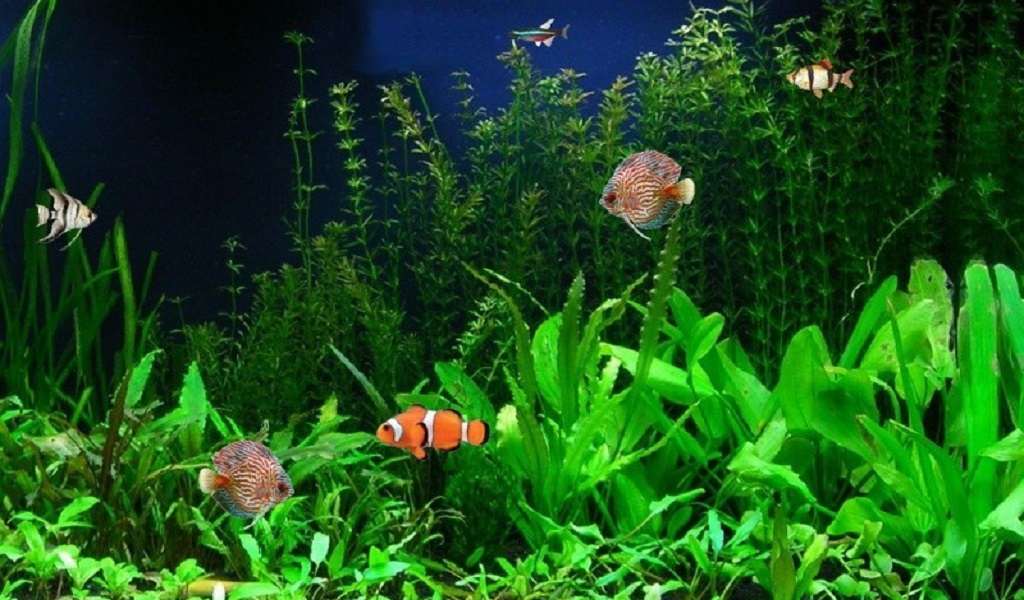
Credit: www.hygger-online.com
Enhancing Aquarium Aesthetics
Lighting plays a key role in making a tropical freshwater aquarium look beautiful. Proper lighting brings out the best in fish and plants.
Good lighting helps highlight colors, create natural effects, and improve the overall feel of your aquarium.
Highlighting Colors And Textures
Light can make fish colors and plant textures more vivid. Bright light shows off shiny scales and fine leaf details.
- Use full-spectrum bulbs to show natural colors.
- Adjust light angle to reduce glare and shadows.
- Place lights to highlight favorite areas or fish.
- Combine light with dark backgrounds for contrast.
Creating Day And Night Effects
Simulating day and night helps fish stay healthy. It also adds a realistic look to the tank.
| Time | Lighting Type | Purpose |
| Morning | Soft white light | Wake up fish gently |
| Daytime | Bright full-spectrum light | Show colors and plants |
| Evening | Dim warm light | Prepare fish for rest |
| Night | Blue moonlight or off | Rest period for fish |
Using Colored And Led Lighting
LED lights are popular for aquariums because they save energy and last long. Colored LEDs add mood and highlight features.
Tips for using LED and colored lights:
- Choose colors that match your fish and plants.
- Use dimmers to control light intensity.
- Mix colors for a natural look.
- Set timers for consistent lighting schedules.

Credit: www.reddit.com
Frequently Asked Questions
What Is The Best Lighting For Tropical Freshwater Fish?
The best lighting mimics natural daylight with full spectrum LEDs. It enhances fish colors and supports plant growth. Avoid overly bright lights to reduce fish stress. A 8-10 hour light cycle suits most tropical freshwater aquariums.
How Does Lighting Affect Tropical Freshwater Fish Behavior?
Proper lighting regulates fish activity and feeding patterns. It helps maintain their natural circadian rhythm. Too much light causes stress and hiding. Balanced lighting improves fish health and vitality in your aquarium.
Can Aquarium Lighting Promote Plant Growth In Tropical Tanks?
Yes, full spectrum lighting supports photosynthesis in aquatic plants. It encourages lush, healthy plant growth and oxygenates the tank. Proper light intensity and duration are key for thriving plants and a balanced ecosystem.
How Long Should I Keep Lights On For Tropical Fish?
A daily light cycle of 8-10 hours is ideal. This simulates natural day length and prevents algae overgrowth. Consistent timing using a timer ensures stable fish behavior and plant health. Avoid sudden light changes to reduce stress.
Conclusion
Good lighting helps keep tropical freshwater fish healthy and happy. It supports plant growth and shows off fish colors well. Choose lighting that matches your tank’s needs and fish type. Avoid too much or too little light to prevent stress.
Regularly check and adjust your setup for the best results. Bright, balanced light creates a lively and natural aquarium scene. Keep it simple, watch your fish, and enjoy your beautiful tank every day.