
Have you ever noticed how your fish act differently under various lighting conditions? Lighting plays a powerful role in shaping the way territorial fish behave.
If you want to create a peaceful and balanced aquarium, understanding how light affects your fish’s mood and actions is key. You’ll discover simple yet effective lighting tips that can help reduce aggression and keep your fish happy. Keep reading to unlock the secrets behind lighting and territorial fish behavior—your aquarium will thank you!
Territorial Fish Behavior Basics
Territorial fish defend a specific area against others. This helps them get food, shelter, and mates. Different fish show different behaviors to protect their space.
Lighting can affect how these fish behave. Understanding their territory needs helps create better aquarium environments.
Types Of Territorial Fish
Many fish species show territorial behavior. Some stay in one spot, while others roam a larger area. Common territorial fish include cichlids, bettas, and damselfish.
- Cichlids:They guard nests and chase intruders.
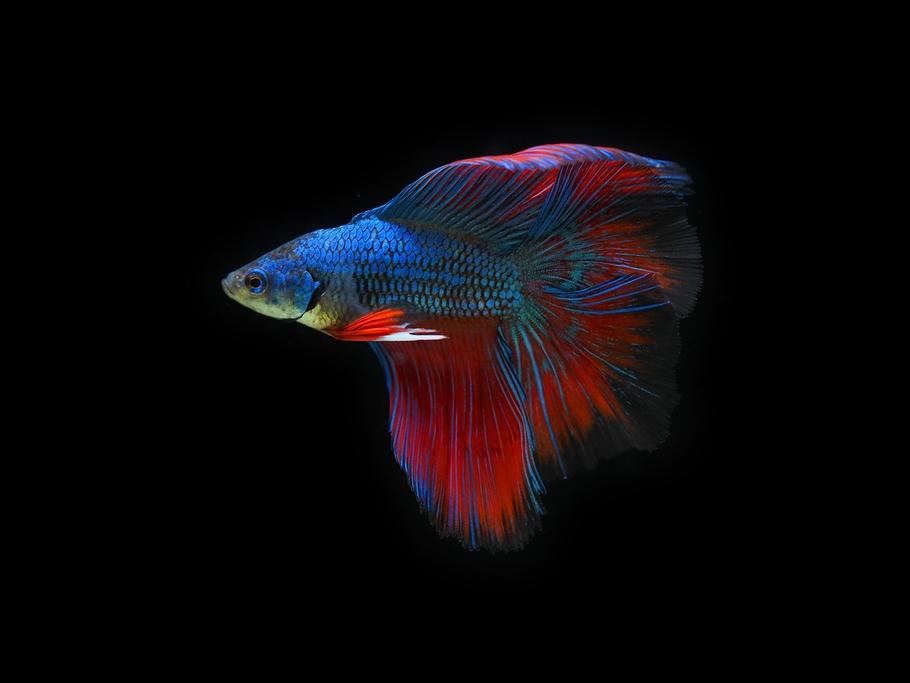
- Bettas:Males flare fins and fight to protect their space.
- Damselfish:They defend coral patches for food and shelter.
- Gobies:They keep small burrows safe from others.
Why Territory Matters
Territories help fish survive and reproduce. Fish use their space for food, safety, and raising young. Lighting can influence how well they see and defend their area.
| Benefit | Explanation |
| Food Access | Fish guard areas rich in food to eat safely. |
| Protection | Territory offers shelter from predators. |
| Breeding | Fish use territories to lay eggs and raise fry. |
| Social Order | Clear boundaries reduce fights and stress. |
Signs Of Aggression
Fish show aggression to keep their territory safe. You can spot these signs in an aquarium or wild habitat.
- Chasing or biting other fish
- Flared fins and gill covers
- Body color changes, like darkening
- Making loud noises or grunts
- Building or guarding nests or caves
Credit: www.ratemyfishtank.com
Role Of Lighting In Fish Behavior
Lighting plays a big role in how territorial fish behave. It affects their mood and actions.
Fish use light to find food, spot threats, and mark their territory. Different light settings change their behavior.
Light Intensity Effects
Light intensity means how bright the light is. Bright light can make fish more alert and active.
Dim light often calms fish and reduces fighting. Too much light can stress territorial fish.
- High light increases visibility and territorial displays
- Low light reduces aggression and movement
- Balanced light helps fish feel safe and secure
Color Spectrum Impact
Different colors of light affect fish behavior in many ways. Blue light can soothe fish and lower stress.
Red light may increase activity and territorial fights. Fish see colors differently than humans do.
- Blue light calms fish and reduces aggression
- Red light can trigger stronger territorial behavior
- Green light provides a natural feeling environment
Day-night Cycle Influence
Fish follow a day-night cycle to know when to rest and when to be active. This cycle guides their territorial actions.
Bright day light increases activity and territory defense. Nighttime darkness helps fish rest and hide.
- Daylight boosts fish movement and guarding behavior
- Night causes fish to be less active and more hidden
- Consistent cycles keep fish healthy and balanced
Boosting Aggression Through Lighting
Lighting affects how territorial fish act. Bright or dim light can change their mood.
Using the right light can make fish more aggressive. This helps in studying their behavior.
Optimal Light Settings
Strong, focused light can increase fish aggression. It makes fish feel more alert.
Low light may calm fish and reduce fights. Use moderate light for balance.
- Use bright light to boost territorial displays
- Avoid harsh lighting that causes stress
- Adjust light intensity based on fish species
Simulating Natural Environments
Fish act more naturally under familiar light. Mimic their native habitat lighting.
Using colors and light patterns from nature helps trigger aggression.
- Use blue or green hues for river fish
- Use warm light for tropical species
- Add shadows to create hiding spots
Timing And Duration Strategies
Set light times to match fish activity periods. Fish are more active at certain times.
Longer light exposure can raise aggression, but too long causes stress.
- Use 8-12 hours of light daily
- Increase light before feeding or interaction
- Give dark periods to reduce stress
Controlling Aggression Safely
Territorial fish often show aggression that can harm other fish. Proper lighting helps control this behavior safely. Adjusting light can reduce stress and signal space boundaries.
Using light correctly supports a peaceful tank environment. It works well with other tank setup methods to keep fish calm and healthy.
Balancing Light To Reduce Stress
Bright or harsh light can increase fish stress and aggression. Soft, natural lighting helps fish feel safe. Use dimmers or lower wattage bulbs to balance brightness.
- Use timers to mimic natural day and night cycles
- Choose full-spectrum bulbs for natural colors
- Avoid sudden changes in light intensity
- Place floating plants to diffuse light
Using Light To Signal Boundaries
Fish recognize different light zones as territory markers. Changing light color or intensity at tank edges helps set clear boundaries. This reduces fights over space.
| Light Feature | Effect on Fish Behavior |
| Dimmed corners | Mark territory limits softly |
| Colored lights | Signal different zones clearly |
| Light gradients | Create natural separation of areas |
Combining Lighting With Tank Setup
Lighting works best with plants, rocks, and decorations. These create hiding spots and visual breaks for fish. Combine light zones with physical barriers to control aggression.
- Use tall plants in bright areas to give shelter
- Place rocks to block direct sight lines
- Match light color with tank decorations for calm zones
- Arrange open swimming spaces under soft light
Practical Tips For Aquarium Lighting
Proper lighting is important for fish in aquariums. It affects their behavior and health. Here are some tips to help you choose the right lighting for your fish.
These tips will guide you in selecting and adjusting lighting. This ensures the best environment for your fish.
Choosing The Right Fixtures
The right light fixture keeps your fish happy. Different aquariums need different lights. Consider the size of your aquarium before buying a fixture.
LED lights are energy efficient and last longer. Fluorescent lights are also a good choice for many tanks.
- LED lights save energy
- Fluorescent lights are affordable
- Choose fixtures based on tank size
Adjusting Lighting For Different Species
Different fish species need different lighting. Some fish like bright light, others prefer dim light. Adjust your lights based on your fish’s needs.
Research your fish species. Find out their natural habitat lighting. This helps you recreate it in your aquarium.
- Bright light for active fish
- Dim light for shy fish
- Check natural habitat lighting
Monitoring Fish Reactions
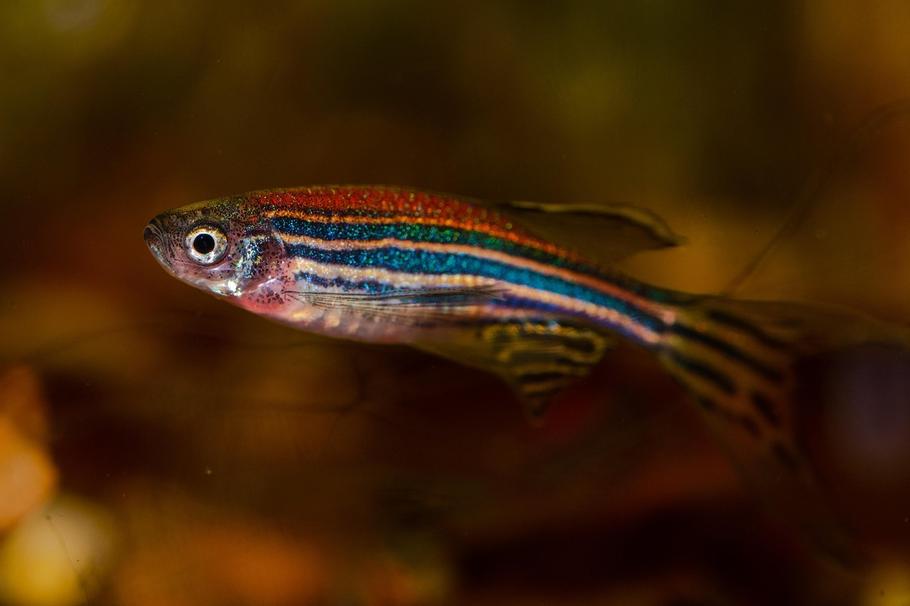
Watch how your fish react to lighting. If they hide often, the light may be too bright. If they are inactive, more light might be needed.
Adjust lighting based on their behavior. Happy fish are active and swim freely.
- Observe fish behavior regularly
- Adjust lighting as needed
- Happy fish swim actively
Credit: www.ratemyfishtank.com

Credit: www.aqqapet.com
Frequently Asked Questions
How Does Lighting Affect Territorial Fish Behavior?
Lighting influences fish activity and aggression levels. Bright light can increase territorial displays. Dim lighting may reduce conflicts. Proper lighting helps fish feel secure and maintain territories.
What Is The Best Lighting For Territorial Fish Tanks?
Natural daylight spectrum or LED lights are ideal. Moderate intensity lighting mimics natural habitats. Avoid overly bright or flickering lights. Consistent lighting schedules support stable fish behavior.
Can Lighting Reduce Aggression In Territorial Fish?
Yes, controlled lighting can lower aggression. Dimming lights during feeding or rest periods calms fish. Gradual light changes prevent stress and territorial disputes.
How Long Should Lighting Be On For Territorial Fish?
A 10-12 hour light cycle is optimal. It replicates natural day and night. Consistent lighting helps regulate fish biological rhythms and territory stability.
Conclusion
Lighting affects how territorial fish act and feel in their space. Bright or dim light can change their mood and behavior. Careful light choices help keep fish calm and reduce fights. Watching fish under different lights can teach us about their needs.
Good lighting supports a healthy, peaceful aquarium environment. Always think about light when setting up your fish tank. Simple changes can make a big difference for your fish friends.