
Are you struggling to keep your ornamental fish calm and healthy? The right lighting could be the simple solution you’ve been missing.
Your fish rely on light just like you do—it affects their mood, behavior, and overall well-being. Imagine creating a peaceful, stress-free environment where your fish thrive and show off their vibrant colors every day. You’ll discover how to choose and set up the perfect lighting to keep your aquatic friends happy and stress-free.
Keep reading to unlock the secrets to a brighter, calmer aquarium!
Choosing The Right Light Spectrum
Lighting plays a big role in keeping ornamental fish calm and healthy. Picking the right light spectrum helps fish feel safe and stress-free.
Different light colors affect fish behavior and tank plants. It is important to use a light that works well for both.
Benefits Of Full-spectrum Lighting
Full-spectrum lighting shows many colors like natural sunlight. It helps fish see their environment clearly and reduces stress.
This light also supports plant growth and keeps the tank looking bright and natural. Fish feel more comfortable under this type of light.
- Improves fish color and health
- Supports live plant growth
- Makes tank look natural and bright
- Reduces fish stress and hiding
Avoiding Harsh Blue And Uv Light
Strong blue and UV lights can hurt fish eyes and skin. These lights may cause stress and unhealthy behavior.
It is best to limit blue and UV light or use filters to block harsh rays. This keeps fish safe and calm.
- Harsh blue light can cause eye damage
- Too much UV light harms fish skin
- Fish may hide or swim erratically
- Use gentle lighting or filters
Simulating Natural Daylight
Fish feel best with light that changes like the sun. Use timers to create day and night cycles in the tank.
This natural light pattern helps fish stay active during the day and rest at night. It lowers stress and supports healthy behavior.
- Use timers for consistent light schedule
- Match daylight hours for your fish type
- Provide dim light or darkness at night
- Supports natural fish rhythms and health

Credit: www.amazon.com
Adjusting Light Intensity
Lighting plays a key role in keeping ornamental fish calm and healthy. Adjusting light intensity helps create a stress-free environment. Proper light levels support fish behavior and overall tank health.
Too much or too little light can upset fish and plants. Finding the right balance improves their well-being and appearance.
Impact Of Brightness On Fish Behavior
Bright light can make fish feel exposed or stressed. Some fish may hide or swim erratically under strong light. Dimmer light helps fish feel safe and relaxed.
Different fish species react to light differently. Some prefer low light while others like moderate brightness. Observing your fish helps you adjust light levels correctly.
Using Dimmer Settings And Shades
Dimmer switches allow you to control light intensity easily. You can lower brightness during the day or night to match natural cycles. Shades or covers also reduce harsh light in the tank.
Using dimmers and shades creates a smooth transition between light and dark. This helps reduce fish stress and mimics their natural habitat better.
Balancing Light For Plants And Fish
Plants need enough light to grow, but too much light can stress fish. Balancing light supports healthy plants and calm fish together. Choose bulbs that provide the right spectrum for both.
Adjust light duration and intensity to meet both plants’ and fish’s needs. Monitor your aquarium regularly and change settings if fish show signs of stress.
Setting Proper Light Duration
Lighting plays a big role in keeping ornamental fish healthy. Setting the right light duration helps fish stay calm and active.
Too much or too little light can stress fish and affect their behavior. It is important to find the right balance.
Ideal Photoperiod For Ornamental Fish
Ornamental fish need a regular light and dark cycle each day. The ideal photoperiod is usually 8 to 12 hours of light.
This schedule mimics natural day and night patterns. It helps fish feel safe and maintain normal activity levels.
- 8 to 12 hours of light daily
- 12 to 16 hours of darkness
- Adjust based on fish species and tank plants
Preventing Stress Through Consistent Cycles
Fish get stressed if the light changes suddenly or is irregular. Keeping a consistent schedule helps reduce stress.
Consistent light cycles support fish health and their natural rhythms. Fish become more active and eat better with steady lighting.
- Turn lights on and off at the same time every day
- Avoid sudden changes in light intensity
- Keep the tank in a quiet, stable location
Using Timers For Automated Lighting
Timers help keep lighting on a strict schedule without needing manual control. This reduces human error and stress for fish.
Automatic timers turn lights on and off at preset times. This makes it easy to maintain a healthy photoperiod every day.
- Set timers for 8 to 12 hours of light
- Choose timers with easy programming
- Check timers regularly to ensure they work
Incorporating Ambient Lighting
Ambient lighting creates a calm space for ornamental fish. It uses soft, gentle lights instead of bright, harsh ones.
This lighting style helps reduce stress and keeps fish healthy. It also makes the aquarium look natural and inviting.
Benefits Of Soft Background Lights
Soft background lights lower stress in fish by avoiding strong glares. This lighting is easier on their eyes and helps them relax.
It also helps fish see their surroundings without feeling threatened. This lighting supports their natural behavior and activity.
- Reduces eye strain for fish
- Keeps fish calm and less anxious
- Enhances the colors of fish gently
- Prevents over-brightness in the tank
Creating A Natural Aquarium Environment
Ambient lighting helps mimic natural light cycles. This makes the aquarium feel like a real underwater habitat.
Using soft lights that change gradually can copy sunrise and sunset effects. This supports fish health and natural rhythms.
- Simulates day and night cycles
- Supports natural fish behavior
- Encourages healthy growth and activity
- Improves overall tank atmosphere
Reducing Sudden Light Changes
Sudden light changes can scare fish and cause stress. Ambient lighting uses slow transitions to avoid this problem.
Fading lights on and off gently helps fish adjust calmly. It keeps the tank peaceful and fish comfortable at all times.
- Prevents startling fish with bright flashes
- Helps fish adapt to new lighting smoothly
- Reduces stress and erratic behavior
- Creates a stable, calm environment
Effects Of Lighting On Fish Health
Lighting plays a big role in keeping ornamental fish healthy. Good lighting helps fish feel safe and active.
Poor lighting can cause stress and harm fish health over time. It affects their mood and behavior.
Stress Indicators Related To Lighting
Fish show signs of stress when lighting is too bright or too dim. Stress can make fish hide or stop eating.
Flickering lights or sudden changes in light can also upset fish. These changes disturb their normal behavior.
- Hiding more than usual
- Loss of appetite
- Color fading
- Erratic swimming
- Clamped fins
Enhancing Color And Activity Levels
Proper lighting helps fish show their best colors. It also encourages them to swim and explore more.
Natural light or full spectrum LED lights are good choices. These lights make fish look bright and lively.
- Use lights that mimic daylight
- Keep lighting on for 8-12 hours a day
- Choose colors that suit your fish species
Lighting And Fish Sleep Patterns
Fish need a regular day and night cycle to rest well. Lighting affects their sleep and recovery.
Too much light at night can confuse fish and reduce their sleep quality. Turning lights off helps fish relax.
- Keep a consistent light schedule
- Turn off aquarium lights at night
- Use a timer for regular light cycles

Credit: www.amazon.com
Lighting Setup Tips For Beginners
Setting up lights for your ornamental fish can be simple. The right lighting helps fish thrive and keeps your aquarium beautiful.
Begin with understanding basic lighting needs. This ensures a stress-free environment for your fish.
Choosing The Right Fixtures
Selecting the right fixtures is crucial for your aquarium. They affect the health and well-being of your fish.
- LED lights are energy-efficient and long-lasting.
- Fluorescent lights are good for beginners.
- Ensure the fixture size matches your tank size.
Positioning Lights For Optimal Coverage
Proper positioning of lights is important. It helps provide even coverage and avoids stress for your fish.
| Tank Type | Recommended Positioning |
| Small Tanks | Place lights directly above |
| Large Tanks | Use multiple fixtures evenly spaced |
| Deep Tanks | Consider stronger light intensity |
Maintenance And Safety Considerations
Regular maintenance and safety checks are essential. They keep your lighting setup effective and safe.
- Check for water damage regularly.
- Replace burnt-out bulbs promptly.
- Ensure electrical components are secure.
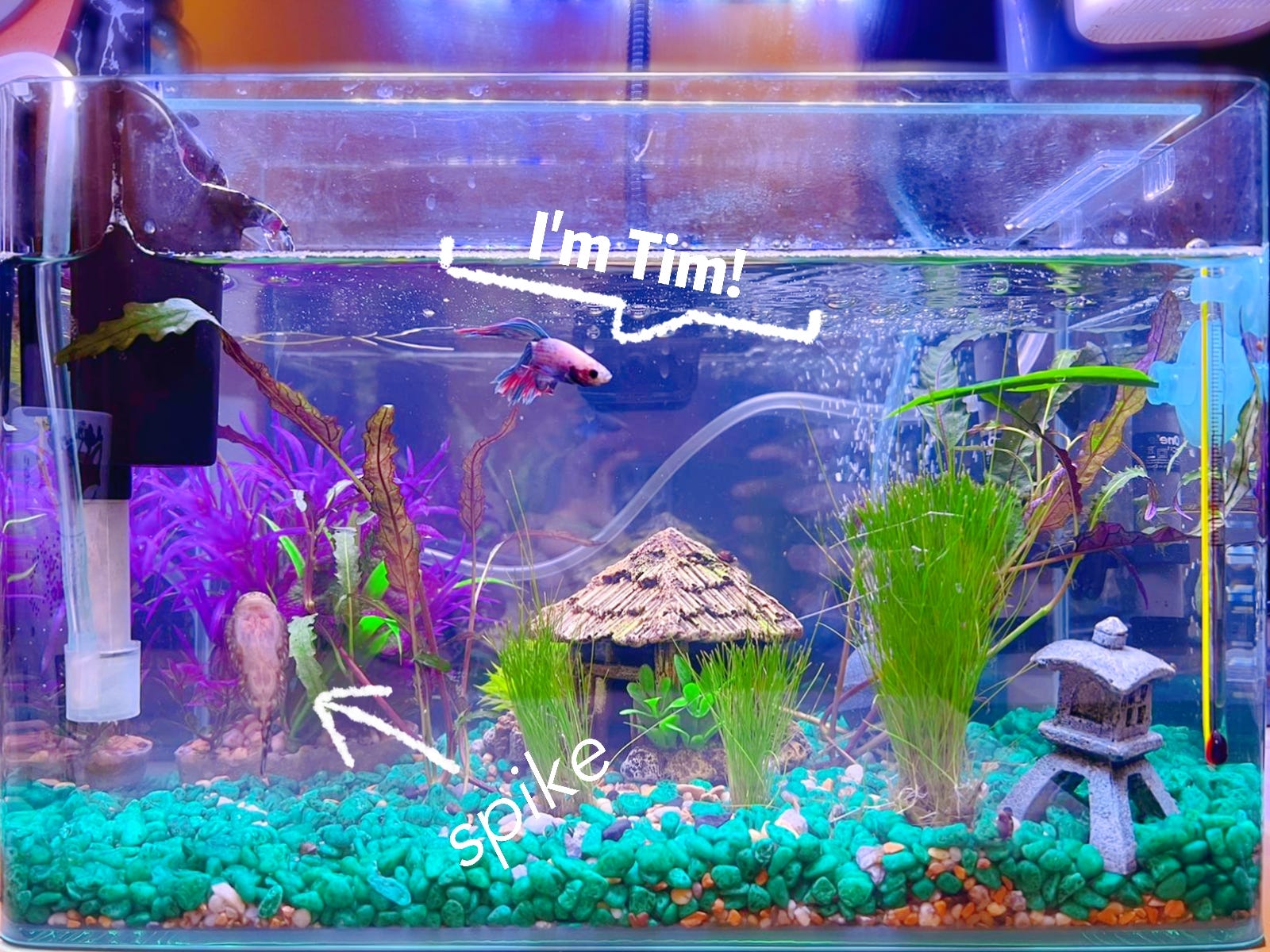
Credit: medium.com
Frequently Asked Questions
What Type Of Lighting Reduces Stress In Ornamental Fish?
Soft, natural lighting mimics their natural habitat. Avoid harsh or overly bright lights to reduce stress. Use LED lights with adjustable brightness for better control. Timed lighting helps maintain a regular day-night cycle, promoting fish health.
How Long Should Aquarium Lights Be On Daily?
Keep aquarium lights on for 8 to 10 hours daily. This duration mimics natural daylight cycles. Too much light causes stress and algae growth. Consistent lighting times help fish maintain regular biological rhythms and reduce stress.
Can Colored Lights Affect Ornamental Fish Stress Levels?
Yes, colored lights impact fish behavior and stress. Blue and white lights are generally calming and natural. Red or green lights can sometimes cause confusion or agitation. Choose lighting that closely resembles natural sunlight for best results.
Why Is A Consistent Lighting Schedule Important For Fish?
A consistent lighting schedule regulates fish biological clocks. It helps reduce stress and promotes healthy behavior. Irregular lighting can cause confusion and disrupt feeding patterns. Using timers ensures a stable day-night cycle, supporting fish well-being.
Conclusion
Proper lighting helps keep ornamental fish calm and healthy. It mimics their natural environment and supports their daily activities. Avoid too bright or too dim lights to reduce fish stress. Consistent light schedules also improve fish behavior and tank appearance.
Remember, good lighting benefits both fish and plants. Regularly check and adjust lighting to suit your fish type. Small changes can make a big difference in your aquarium’s life. Light matters—create a peaceful home for your ornamental fish.