
Are you struggling to create the perfect environment for your small community fish? Lighting plays a bigger role than you might think.
The right light can boost your fish’s health, show off their colors, and even keep your tank plants thriving. But choosing the best lighting isn’t always simple. You’ll discover how to pick and set up lighting that makes your fish happy and your tank look amazing.
Keep reading to unlock the secrets that will transform your aquarium into a vibrant underwater world.
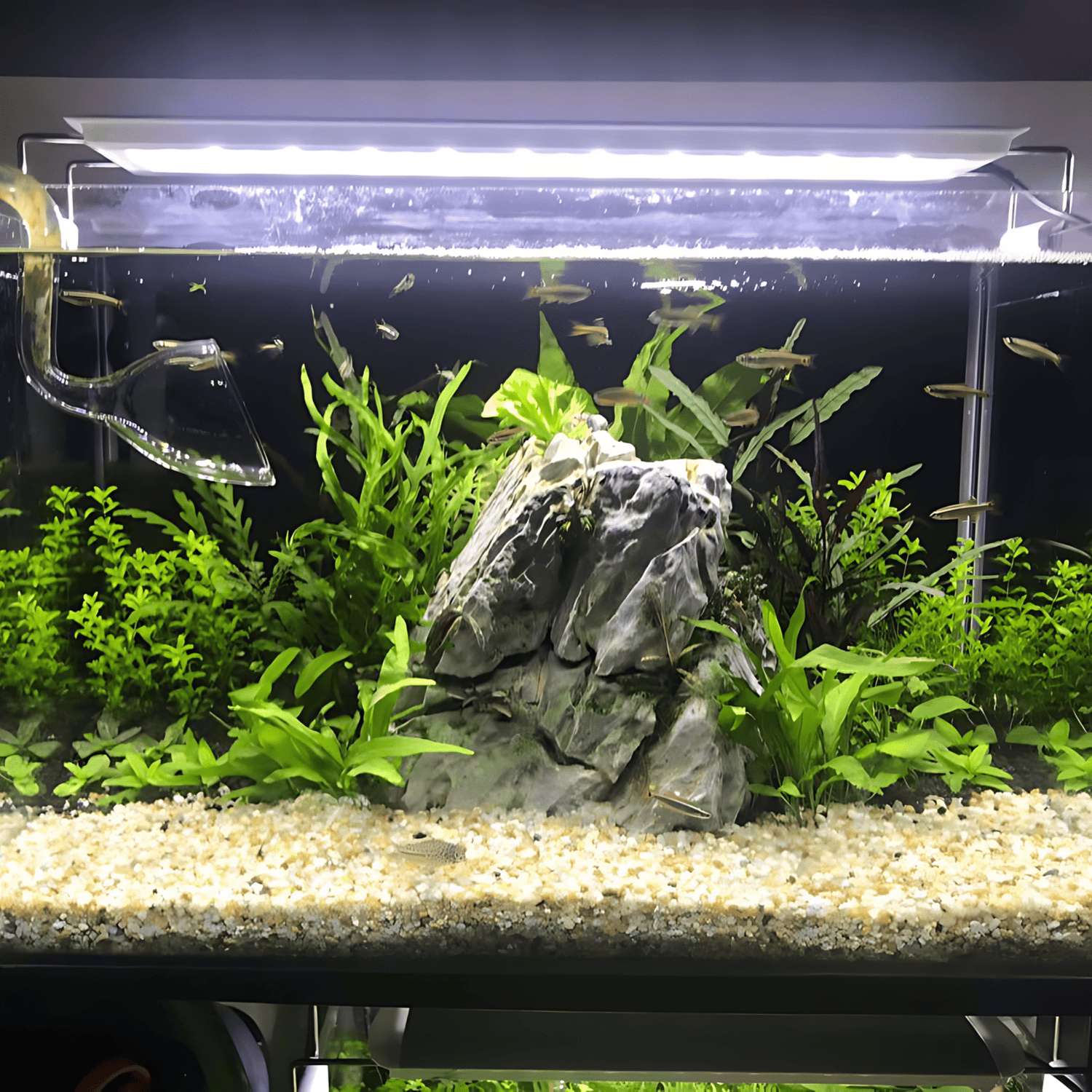
Credit: aquascapeshop.com
Choosing The Right Light
Lighting is important for small community fish tanks. It helps fish stay healthy and shows their colors well.
Picking the right light means thinking about the light type, brightness, color, and energy use.
Types Of Aquarium Lights
There are many lights made for fish tanks. Some are LED, fluorescent, or incandescent.
LED lights last long and use less power. Fluorescent lights are good for plants. Incandescent lights are less common.
- LED lights: Bright and energy-saving
- Fluorescent lights: Good for planted tanks
- Incandescent lights: Usually not energy efficient
Light Intensity And Spectrum
Fish need the right light brightness. Too bright can stress them. Too dim hides their colors.
The light color or spectrum matters. Natural white light shows fish colors best. Some fish like blue or red shades.
- Moderate brightness works well for most fish
- Full-spectrum light mimics daylight
- Colored lights can highlight fish features
Energy Efficiency Considerations
Energy use is important for your electric bill. LED lights use the least energy. They also last longer.
Choosing energy efficient lights saves money and helps the environment. Look for lights with good energy ratings.
- LED lights use less power
- Fluorescent lights are moderately efficient
- Incandescent lights consume more energy
- Longer-lasting bulbs reduce replacement costs
Lighting Duration And Schedule
Lighting is important for small community fish tanks. Proper light helps fish stay healthy and active. It also supports plant growth and shows fish colors well.
Setting the right lighting duration and schedule keeps the tank environment stable. Fish can adjust better when light stays consistent every day.
Ideal Daily Light Hours
Most small community fish do well with 8 to 10 hours of light per day. Too much light can cause stress and algae growth. Too little light may affect fish behavior and plants.
- Provide 8 to 10 hours of light daily
- Keep light hours consistent each day
- Turn off lights completely at night
- Use a mix of natural and artificial light if possible
Using Timers For Consistency
Timers help keep lighting schedules steady. They turn lights on and off automatically. This consistency reduces stress for your fish.
| Benefit | Details |
| Consistency | Lights turn on/off at exact times daily |
| Convenience | No need to manually control lighting |
| Health | Stable environment helps fish and plants |
| Energy Saving | Prevents lights from running too long |
Adjusting Light Based On Fish Behavior
Watch your fish closely to see how they react to light. If they hide often or seem stressed, reduce light time. If fish are active and healthy, current light is good.
Tips for adjusting light:
- Lower light duration if fish hide or lose color
- Increase light slightly if plants look weak
- Change light timing to match fish natural activity
- Observe fish daily for any signs of stress
Impact On Fish Health
Lighting plays a key role in the health of fish in small community tanks. Good lighting helps fish stay active and grow well.
Too little or too much light can cause problems. It is important to find the right balance for a healthy fish environment.
Effects Of Proper Lighting
Proper lighting supports fish growth and color. It helps fish see food and interact with their surroundings.
- Boosts fish immune system
- Enhances natural colors
- Improves feeding behavior
- Supports plant growth in the tank
Avoiding Stress And Overexposure
Too much light can stress fish and cause illness. Stress lowers fish defenses and makes them weak.
| Lighting Issue | Effect on Fish |
| Overexposure | Stress and weakened immune system |
| Inadequate light | Reduced activity and poor growth |
| Sudden changes | Confusion and hiding behavior |
Supporting Natural Fish Rhythms
Fish follow natural light cycles. Proper lighting helps keep these rhythms steady.
Here are tips to support natural rhythms:
- Use timers to set day and night light periods
- Keep light intensity steady during day time
- Allow complete darkness at night for rest

Credit: www.youtube.com
Enhancing Plant Growth
Lighting plays a key role in growing plants in a small fish community. Proper light helps plants make food and stay healthy.
Choosing the right light means plants grow well without hurting the fish or causing problems in the tank.
Light Needs For Aquatic Plants
Aquatic plants need enough light to perform photosynthesis. Most plants do best with moderate light levels. Too little light slows growth. Too much light can cause algae to grow fast.
- Use full-spectrum light for better color and growth
- Provide 8 to 10 hours of light daily
- Place lights close to plants but avoid overheating
- Choose LED lights for energy efficiency and good output
Balancing Fish And Plant Requirements
Fish and plants need different light levels. Fish prefer dimmer light to reduce stress. Plants need enough light to grow. Balance is key to keep both healthy.
| Lighting Aspect | Plants | Fish |
| Light Intensity | Medium to High | Low to Medium |
| Light Duration | 8-10 hours | 6-8 hours |
| Light Type | Full-spectrum LED | Soft or indirect |
Preventing Algae Overgrowth
Algae grow fast with too much light. Controlling light helps stop algae from taking over the tank. Use a timer to keep light on schedule.
- Limit light to 8-10 hours a day
- Do not place tank in direct sunlight
- Remove excess nutrients by regular water changes
- Choose plants that compete well with algae
Lighting Setup Tips
Lighting is important for small community fish tanks. Good lighting helps fish stay healthy and plants grow well.
Setting up the right light can improve the tank’s look and the fish’s behavior. Use these tips to get started.
Positioning Lights For Small Tanks
Place lights above the tank to cover the entire area. Avoid shining light directly into the fish’s eyes. Keep lights about 6 to 12 inches from the water surface.
- Center the light over the tank for even coverage
- Use adjustable mounts to change light height
- Check for shadows or dark spots inside the tank
- Keep lights away from heat-sensitive equipment
Combining Natural And Artificial Light
Natural light can add brightness but may cause algae growth. Use artificial light to control the light duration and intensity.
| Light Source | Benefit | Consideration |
| Natural Light | Free and soft | May cause algae |
| LED Lights | Energy efficient | Needs timer control |
| Fluorescent Lights | Good plant growth | Produces heat |
Maintenance And Cleaning
Keep lights clean to keep brightness high. Dust and water spots reduce light output and can harm fish health.
- Turn off lights before cleaning
- Use a soft cloth to wipe light covers
- Check bulbs for damage or wear
- Replace bulbs every 6 to 12 months
Troubleshooting Common Issues
Lighting is crucial for small community fish tanks. It affects fish behavior and tank health. Sometimes, lighting issues occur that need troubleshooting.
Understanding common problems helps maintain a healthy environment. Let’s explore some typical issues and solutions.
Dealing With Algae Problems
Algae growth is a common issue in fish tanks. It can make the tank look dirty and unhealthy.
Excessive algae usually means too much light or nutrients. Reducing light hours can help control algae.
- Limit lighting to 8-10 hours per day
- Use algae-eating fish or snails
- Consider using a timer for consistent lighting
Signs Of Insufficient Lighting
Insufficient lighting can harm fish and plants. It can cause stress in fish and poor plant growth.
Dim lighting may lead to dull fish colors. Observe your tank to spot signs of low lighting.
- Plants appear pale or stop growing
- Fish colors become less vibrant
- Fish seem sluggish or stressed
When To Upgrade Your Lighting System
Sometimes, upgrading your lighting system is necessary. It improves tank conditions and benefits fish and plants.
Consider upgrading if your current system is old or not adjustable. New systems offer energy efficiency and customizable settings.
- If your current lights are more than 3 years old
- If you want to grow more demanding plants
- If energy costs are high with old lighting

Credit: www.reddit.com
Frequently Asked Questions
What Is The Best Lighting For Small Community Fish Tanks?
LED lights with adjustable brightness are ideal for small community tanks. They provide energy efficiency and customizable light intensity to suit various fish and plants.
How Much Light Do Small Community Fish Need Daily?
Small community fish typically need 8 to 10 hours of light daily. This duration supports their natural behavior without causing stress or algae growth.
Can Lighting Affect Fish Health In Community Tanks?
Yes, proper lighting regulates fish activity and enhances color. Inadequate or excessive light can stress fish and disrupt their natural cycles.
Should I Use Colored Lights For Small Community Fish Tanks?
Colored lights can enhance tank appearance but may stress some fish. Natural white or full-spectrum lights are generally better for fish health.
Conclusion
Good lighting helps small community fish stay healthy and active. Choose lights that match their natural needs. Soft, gentle light creates a calm environment for all fish. Avoid strong or harsh lights that can stress them out. Proper lighting also shows off their colors beautifully.
Keep a regular light schedule to mimic nature’s day and night. Remember, simple lighting changes can make a big difference. Your fish will thrive and your tank will look great. Small efforts bring happy fish and a peaceful aquarium.