
If you keep small catfish, you know how important their environment is for their health and happiness. But have you ever thought about how lighting affects your little swimmers?
The right lighting can make a big difference in their behavior, growth, and even how beautiful they look. You’ll discover simple tips to choose the perfect lighting for your small catfish species. By the end, you’ll know exactly how to create an aquarium that keeps your catfish thriving and makes your tank a stunning centerpiece.
Ready to transform your fish’s world? Let’s dive in!
Choosing The Right Light
Lighting is important for small catfish in aquariums. It helps them feel safe and active.
Picking the right light can improve their health and show their colors well.
Types Of Aquarium Lights
There are several types of lights for fish tanks. Each type has good and bad points.
Common types include LED, fluorescent, and incandescent lights.
- LED lights: Use less power and last long. They give bright, clear light.
- Fluorescent lights: Spread light evenly and are good for plants and fish.
- Incandescent lights: Not energy efficient and can get hot. Not best for small catfish.
Light Intensity For Small Catfish
Small catfish prefer low to medium light. Too bright light can stress them out.
Use dimmable lights or place decorations to create shaded areas for hiding.
- Low light helps catfish stay calm and sleep well.
- Moderate light lets you see their colors clearly.
- Bright light may cause hiding or stress.
Color Temperature Impact
Color temperature affects how the tank looks and feels. It is measured in Kelvins (K).
Small catfish do best with light that looks natural and soft.
- 2700K to 3500K: Warm light, good for calm and cozy tanks.
- 4000K to 5000K: Neutral white light, shows true colors well.
- Above 6000K: Cool blue light, can look harsh and stress some fish.

Credit: fishingbooker.com
Lighting Duration And Schedule
Lighting is important for small catfish species. It affects their behavior and health. Setting the right duration and schedule helps keep them active and stress-free.
Too much or too little light can harm the fish. We need to create a balanced light cycle that fits their natural habits.
Optimal Light Cycles
Small catfish do best with a light cycle that mimics natural day and night. They usually need about 10 to 12 hours of light each day. This helps keep their internal clock steady.
- Provide 10–12 hours of light daily
- Keep light intensity moderate, not too bright
- Use a timer to keep the schedule consistent
- Turn lights off completely during the dark period
- Avoid sudden changes in light duration
Simulating Natural Environments
It is best to simulate natural light changes. Sunrise and sunset should happen gradually. Sudden light changes can stress catfish and affect their feeding and breeding.
| Time of Day | Light Intensity | Duration |
| Morning (6 AM – 8 AM) | Low to Medium | 2 hours |
| Daytime (8 AM – 6 PM) | Medium to Bright | 10 hours |
| Evening (6 PM – 8 PM) | Medium to Low | 2 hours |
| Night (8 PM – 6 AM) | Off | 10 hours |
Effects Of Lighting On Catfish Behavior
Lighting plays a key role in the daily life of small catfish species. It affects how they behave and interact with their environment.
Understanding these effects helps in creating better habitats for catfish in tanks or ponds. Proper lighting can improve their health and wellbeing.
Activity Patterns
Catfish activity changes with light levels. They are mostly active during low light or dark periods. Bright light often makes them hide or stay still.
- Catfish hunt more when it is dim or dark.
- They rest or hide during bright light hours.
- Light cycles help set their internal clocks.
- Sudden changes in light can confuse their activity rhythm.
Stress And Comfort Levels
Lighting affects catfish stress and comfort. Too much light can cause stress, which may lead to health problems.
| Lighting Condition | Effect on Catfish |
| Low Light | Comfortable, low stress |
| Bright Light | Increased stress, hiding behavior |
| Flashing or Sudden Light | High stress, erratic movement |
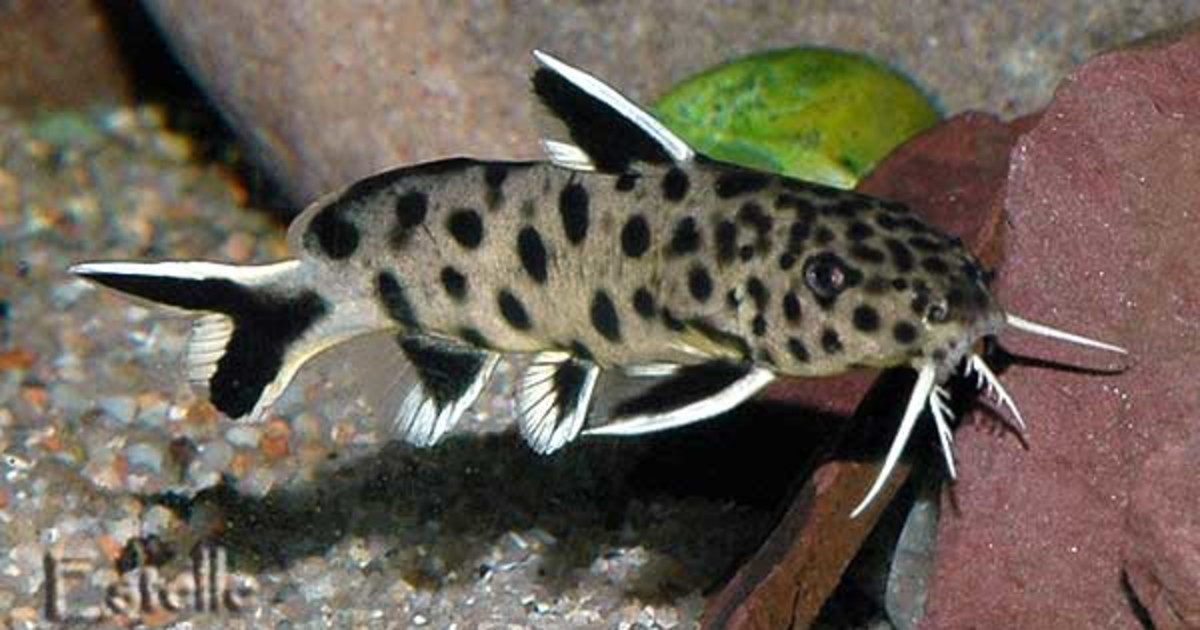
Credit: pethelpful.com
Enhancing Tank Aesthetics
Lighting plays a key role in making small catfish tanks look great. The right light shows off the fish and plants.
Good lighting can create a relaxing and natural feel in your aquarium. It helps you enjoy your tank more.
Highlighting Catfish Colors
Small catfish have many beautiful colors and patterns. Proper lighting makes these colors stand out clearly.
Use soft white or warm lights to brighten up the fish’s natural shades. Avoid harsh lights that can wash out colors.
- Choose LED lights with adjustable brightness
- Position lights to shine from above or the side
- Use a light spectrum that matches natural daylight
Creating Natural Shadows
Shadows add depth and a natural look to the tank. They make the environment feel like the catfish’s real home.
Place decorations and plants so lights create soft shadows. This gives the tank a calm and interesting appearance.
- Use floating plants to block some light
- Set up rocks and wood to cast shadows
- Adjust light angles for gentle shadow effects
Avoiding Common Lighting Mistakes
Lighting is crucial for small catfish species. It affects their health and behavior. Avoid common mistakes to keep them healthy.
Proper lighting prevents stress and supports a balanced ecosystem. Let’s explore key areas to focus on.
Overexposure Issues
Too much light can harm small catfish. It may cause stress and disrupt their natural cycles.
- Monitor light duration: Aim for 8-10 hours daily.
- Avoid direct sunlight on the tank.
- Use adjustable LED lights for control.
Algae Growth Control
Excessive light can lead to algae blooms. This affects water quality and fish health.
| Light Intensity | Algae Growth |
| High | Fast |
| Moderate | Controlled |
| Low | Minimal |
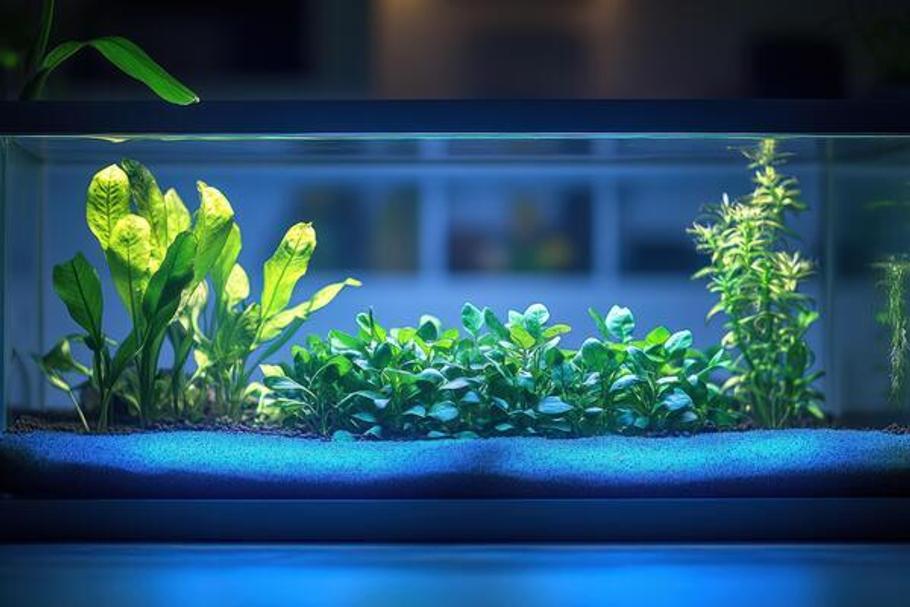
Credit: www.ratemyfishtank.com
Complementary Tank Setup Tips
Lighting plays a key role in keeping small catfish happy. The right tank setup helps balance light and shadow.
Good lighting shows the catfish’s colors and helps plants grow well. Choose decorations and plants carefully.
Substrate And Decoration Choices
Soft substrates like sand or fine gravel protect small catfish. Rough surfaces can hurt their sensitive barbels.
Use smooth stones and driftwood to create hiding spots. Catfish need places to rest and feel safe.
- Sand or fine gravel substrate
- Smooth river rocks or pebbles
- Driftwood for shade and shelter
- Caves or small hiding decorations
Using Plants For Light Management
Plants help control tank lighting by creating shade areas. This mimics the catfish’s natural environment.
Floating plants reduce strong light. Tall plants give spots for catfish to hide and rest.
- Floating plants like duckweed or water lettuce
- Tall stem plants for vertical cover
- Broad-leaf plants for shaded zones
- Live plants improve water quality
Frequently Asked Questions
What Type Of Lighting Is Best For Small Catfish?
Low-intensity, dim lighting mimics their natural habitat best. Soft LED lights create a calm environment. Avoid bright, direct lights to reduce stress.
How Long Should Lighting Be On For Small Catfish?
Maintain 8 to 10 hours of light daily. This schedule supports their natural circadian rhythm. Use timers to ensure consistent lighting periods.
Can Colored Lighting Affect Small Catfish Behavior?
Yes, blue or green lighting can soothe catfish. It replicates underwater environments and reduces stress. Avoid harsh colors like red, which may cause agitation.
Should Lighting Be Adjusted For Nocturnal Catfish Species?
Yes, dim or moonlight settings help nocturnal catfish stay active. Gradual light transitions mimic dusk and dawn. This promotes natural behaviors and comfort.
Conclusion
Choosing the right light helps small catfish feel safe and active. Soft, low lighting suits their natural habits best. Bright lights can stress them and hide their colors. Use timers to keep a regular day and night cycle. Watching your catfish under good light makes the tank more enjoyable.
Small changes in lighting can improve their health and behavior. Keep lighting simple and gentle for happy, healthy catfish.