
Lighting for reef fish is more than just brightening your aquarium. It’s about creating the perfect environment where your colorful friends can thrive and show off their true beauty.
If you want your reef fish to stay healthy, active, and vibrant, understanding the right lighting is key. You’ll discover simple tips and expert advice that will help you choose the best lighting setup for your reef tank. Ready to make your underwater world come alive like never before?
Keep reading—you won’t want to miss this.
Choosing The Right Light Spectrum
Lighting is very important for reef fish tanks. It helps fish stay healthy and shows their true colors.
Choosing the right light spectrum makes a big difference. It supports fish and coral growth in your tank.
Blue And Actinic Lights
Blue and actinic lights give a deep ocean look. They help corals grow and bring out fish colors.
These lights are usually in the 420-460 nanometer range. They mimic natural reef conditions well.
- Enhance coral fluorescence
- Support photosynthesis in corals
- Create a natural reef appearance
Full Spectrum Leds
Full spectrum LEDs include many colors from red to blue. They give balanced light for fish and coral.
This light type helps plants and corals grow well. It also shows fish colors naturally.
- Supports coral and plant health
- Shows fish colors clearly
- Balances light for a natural look
Balancing Intensity And Color
Too much light can stress fish and corals. Too little light can slow their growth.
Find a balance between brightness and color. Use dimmers or timers to control light levels.
- Adjust light intensity to suit your tank
- Use timers for consistent light periods
- Match light color to fish and coral needs
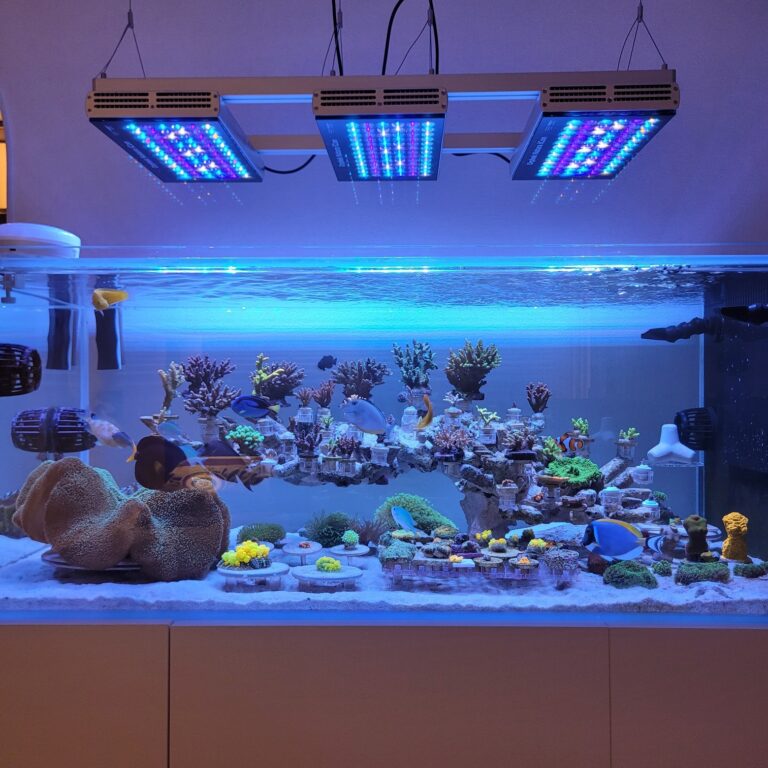
Credit: orphek.com
Impact Of Lighting On Fish Health
Lighting plays a key role in the health of reef fish. It affects how fish behave, eat, and rest. Proper lighting helps fish thrive in their environment.
Understanding how light affects fish can improve their colors, sleep cycles, and overall well-being. It is important to choose the right lighting for reef tanks.
Enhancing Natural Colors
Good lighting brings out the vivid colors of reef fish. Natural light spectrums make their scales shine and show true hues. This makes the tank more beautiful and closer to a natural reef.
- Use lights with full-spectrum bulbs
- Include blue and actinic lighting for brightness
- Avoid overly harsh or dim lights
- Keep a consistent lighting schedule daily
Supporting Circadian Rhythms
Fish follow a daily cycle of light and dark. This cycle helps their bodies know when to eat, rest, and swim. Proper lighting supports this natural rhythm.
| Time of Day | Lighting Type | Fish Behavior |
| Morning | Soft, warm light | Active, feeding |
| Day | Bright, full spectrum | Swimming, exploring |
| Evening | Dim, blue light | Calm, preparing to rest |
| Night | Lights off or moonlight | Resting, low activity |
Preventing Stress And Disease
Lighting that is too strong or too weak can stress fish. Stress lowers their immune system and raises disease risk. Proper lighting keeps fish calm and healthy.
Tips to prevent stress from lighting:
- Match lighting to natural reef conditions
- Use timers to keep light consistent
- Avoid sudden changes in light intensity
- Provide shaded areas in the tank
Lighting Duration And Scheduling
Lighting is very important for reef fish health and behavior. Setting the right duration and schedule helps keep them active and comfortable.
This guide explains how to set daily light cycles, mimic natural environments, and use timers for best results.
Optimal Daily Light Cycles
Reef fish need a balanced light period to support their natural rhythms. Most experts recommend 8 to 12 hours of light each day.
- Start with about 8 hours of light per day.
- Increase gradually to 10-12 hours if fish show good activity.
- Keep the light period consistent daily to avoid stress.
- Include some dimming time to simulate dawn and dusk.
Simulating Natural Environments
Reef fish respond best to lighting that imitates their ocean home. This means changing light intensity and color through the day.
| Time of Day | Light Color | Intensity |
| Morning | Warm white | Low to medium |
| Midday | Bright white and blue | High |
| Evening | Warm white | Low to medium |
| Night | Dim blue (moonlight) | Very low |
Using Timers And Automation
Timers help keep lighting consistent and stress-free. Automation devices make it easy to follow natural cycles without manual effort.
Benefits of using timers and automation:
- Ensures lights turn on and off at the same time daily.
- Reduces human error in lighting schedules.
- Allows for smooth light transitions to mimic dawn and dusk.
- Supports fish health by maintaining natural rhythms.
Types Of Lighting Fixtures
Lighting is important for reef fish tanks. It helps fish stay healthy and shows their colors well.
There are different lighting fixtures you can choose. Each type has its own benefits and uses.
Led Vs Fluorescent
LED lights use less power and last longer than fluorescent lights. They also produce less heat.
Fluorescent lights are cheaper but need to be replaced more often. They give good light for fish and coral.
- LED lights save energy and run cool
- Fluorescent lights cost less upfront
- LEDs offer many color options
- Fluorescents may need more frequent changes
Metal Halide Options
Metal halide lights are very bright and good for deep tanks. They help corals grow well.
These lights use more energy and make more heat. They need special fixtures and cooling systems.
- Strong light for deep or large tanks
- Supports coral growth with intense light
- Higher energy use and heat output
- Needs good ventilation or cooling
Hybrid Systems
Hybrid lighting combines LED and other types like metal halide or fluorescent. It balances brightness and energy use.
These systems give flexible light settings. You can adjust colors and intensity for your reef tank.
- Mix of LED with metal halide or fluorescent
- Good balance of light quality and energy use
- Adjustable light colors and brightness
- Suitable for various reef tank needs
Installation And Maintenance Tips
Lighting is very important for reef fish tanks. Good lighting helps fish stay healthy and shows their colors well.
Proper installation and regular care keep your lighting working well. This guide covers key tips for setup and upkeep.
Positioning Lights For Best Coverage
Place lights where they can cover the whole tank evenly. Avoid dark spots where fish may not get enough light.
Use adjustable mounts to direct light at different angles. This helps reach all areas, including corners and plants.
- Center lights above the tank for even spread
- Angle lights to reduce shadows and dark zones
- Use multiple light sources for large tanks
- Avoid placing lights too close to the water surface
Cleaning And Upkeep
Clean light fixtures regularly to remove dust and salt buildup. Dirty lights lose brightness and heat up more.
Wipe covers and bulbs gently with a soft cloth. Avoid using harsh chemicals that can damage the fixtures.
- Turn off lights before cleaning
- Use a damp cloth to wipe surfaces
- Remove salt deposits promptly
- Check for water splashes and dry them
Replacing Bulbs And Components
Replace bulbs based on the manufacturer’s recommended time. Old bulbs dim and change color, affecting fish health.
Inspect all parts for damage or wear. Replace broken parts quickly to avoid electrical problems or poor lighting.
- Keep spare bulbs handy
- Use bulbs made for reef tanks
- Check wiring and connectors regularly
- Turn off power before replacing parts
Common Lighting Mistakes To Avoid
Lighting is crucial for a healthy reef aquarium. Mistakes in lighting can harm fish and corals.
Understanding common errors helps maintain a balanced environment. Avoid these mistakes to keep your reef thriving.
Overlighting And Algae Growth
Too much light causes algae to grow fast. Algae can cover corals and reduce water quality.
Adjust lighting to prevent algae blooms. Balance is key for a healthy tank.
- Use timers for consistent lighting periods
- Monitor algae levels regularly
- Choose the right intensity for your tank
Ignoring Fish Behavior
Fish need light patterns that mimic their natural habitat. Ignoring this can stress your fish.
Watch your fish to see how they react to light. Adjust if they seem stressed or inactive.
- Observe fish behavior during light changes
- Provide shaded areas for rest
- Simulate sunrise and sunset with dimming lights
Neglecting Light Quality
Light quality affects coral growth and color. Poor quality lights can harm your reef.
Choose lights that match your tank’s needs. Ensure the spectrum supports both fish and corals.
- Research light brands and specifications
- Check reviews from other reef owners
- Regularly replace old or dim lights
Enhancing Aquarium Aesthetics
Lighting makes your aquarium look beautiful. It shows off the fish and corals. Good lighting also helps mimic natural environments.
With the right lights, your reef aquarium can look amazing. You can create different effects and moods using lighting techniques.
Using Lighting To Create Depth
Lighting can make your aquarium look deeper. Different light angles create shadows. Shadows add a sense of depth to the tank.
Use dimmer lights at the back and brighter lights in the front. This trick helps create an illusion of depth in your aquarium.
Highlighting Reef Structures
Light can highlight the shapes of your corals. This makes them stand out in the tank. Position lights above the tank to focus on key areas.
LED lights offer more control. You can adjust them to focus on specific reef structures. This helps draw attention to the most beautiful parts of the reef.
Combining Lights For Visual Effects
Combining different lights creates stunning effects. Mix blue and white lights for a natural look. This combination mimics sunlight under the ocean.
Colored lights add drama and mood to your aquarium. You can use them to create special effects and enhance the beauty of your reef tank.
- Blue lights mimic the ocean
- White lights highlight fish colors
- Red lights create a warm glow

Credit: www.amazon.ca

Credit: www.ebay.ca
Frequently Asked Questions
What Is The Best Lighting For Reef Fish Tanks?
LED lighting is ideal for reef fish tanks. It provides the right spectrum, intensity, and energy efficiency. LEDs enhance fish colors and support coral growth effectively. Adjustable settings allow mimicking natural daylight cycles, benefiting reef ecosystems.
How Long Should Reef Fish Lighting Be On Daily?
Reef fish lighting should be on for 8 to 12 hours daily. This duration mimics natural sunlight and supports coral photosynthesis. Avoid overexposure to prevent algae growth and stress in fish. Use timers for consistent lighting periods.
Can Improper Lighting Harm Reef Fish?
Yes, improper lighting can stress reef fish and corals. Too much light causes algae blooms and bleaching. Insufficient light limits coral growth and weakens fish health. Proper lighting balance is crucial for a healthy reef aquarium.
What Light Spectrum Is Best For Reef Fish?
A light spectrum of 10,000K to 20,000K suits reef fish tanks. This range mimics natural ocean light and promotes coral health. Blue light enhances fish colors and supports photosynthetic organisms. Combining spectrums creates a natural and vibrant environment.
Conclusion
Good lighting helps reef fish stay healthy and show their best colors. It supports coral growth and keeps the tank balanced. Choose lights that fit your fish’s needs and tank size. Change lighting times to mimic natural day and night.
Watch your fish and corals to see how they respond. Bright, balanced light makes your reef look alive and vibrant. Simple care with the right light brings a happy underwater world. Keep learning and adjusting for the best results every day.