
When it comes to keeping ornamental saltwater fish, lighting plays a bigger role than you might think. The right light can make your fish look vibrant and healthy, while the wrong one can cause stress and dull their colors.
If you want your underwater world to shine and thrive, understanding how to choose and use lighting is key. You’ll discover simple tips to create the perfect light environment for your saltwater fish. Keep reading to unlock the secrets that will make your aquarium a stunning, lively display.
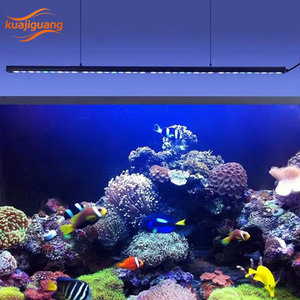
Credit: www.alibaba.com
Choosing The Right Light
Lighting is key for ornamental saltwater fish. It helps fish show their true colors and stay healthy.
Picking the right light can be tricky. You need to think about light type, brightness, and color.
Types Of Aquarium Lighting
Aquarium lighting comes in many types. Each type offers different benefits for your saltwater fish.
Common types include LED, fluorescent, and metal halide lights. Some mimic natural sunlight better.
- LED lights are energy-saving and long-lasting.
- Fluorescent lights are affordable and easy to find.
- Metal halide lights give strong, bright light for deep tanks.
Light Intensity And Spectrum
Light intensity means how bright the light is. Saltwater fish need medium to high brightness.
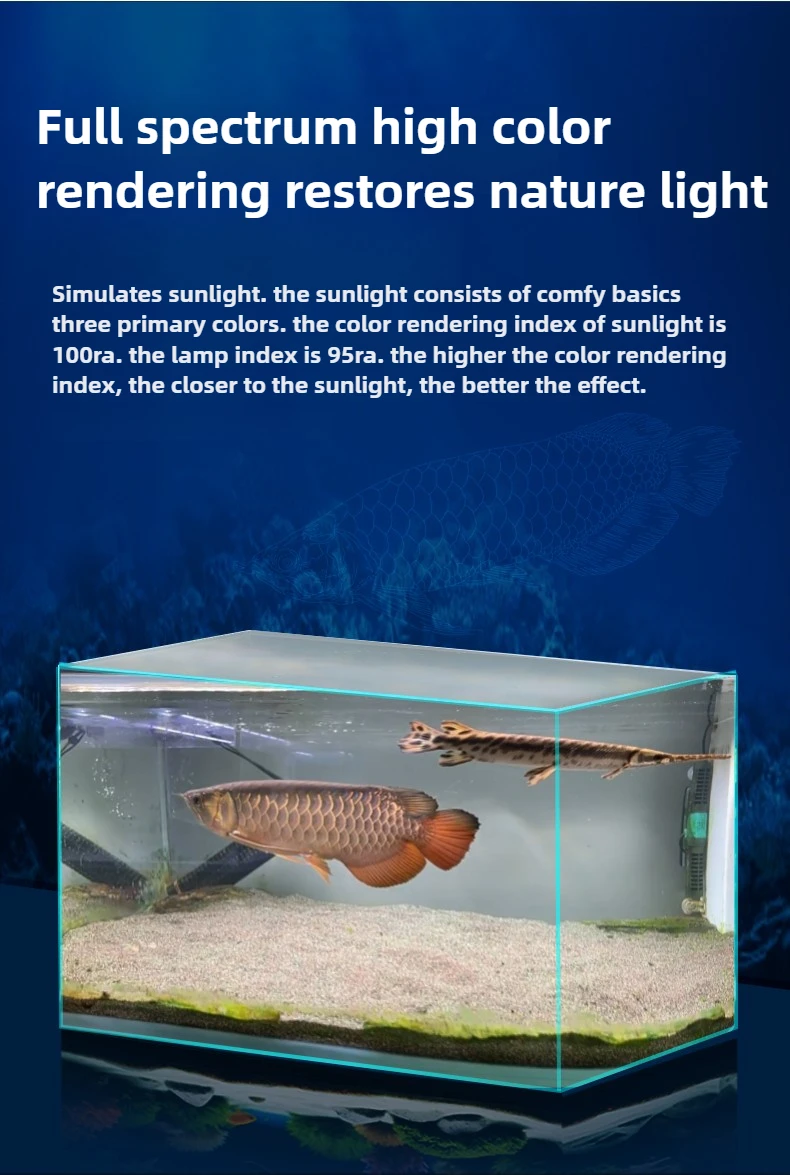
The light spectrum is the range of colors the light shows. Full spectrum light helps fish and coral grow.
- Blue light enhances fish colors and simulates ocean depth.
- White light mimics natural sunlight.
- Red and green lights add warmth and balance.
Led Vs Fluorescent Options
LED lights use less power and last longer than fluorescent bulbs. They also produce less heat.
Fluorescent lights cost less up front but need frequent replacement. They provide good color range.
| Feature | LED | Fluorescent |
|---|---|---|
| Energy Use | Low | Higher |
| Lifespan | Long (up to 50,000 hrs) | Short (around 10,000 hrs) |
| Heat Output | Low | Moderate |
| Cost | Higher initial cost | Lower initial cost |
| Light Quality | Adjustable spectrum | Good spectrum but less control |
Credit: www.aliexpress.com
Impact On Fish Coloration
Lighting plays an important role in showing the true colors of ornamental saltwater fish. Good light helps fish display their natural beauty. Poor lighting can make colors look dull or washed out.
Understanding the right lighting can help keep your fish healthy and colorful. Different species need different light settings to look their best.
Enhancing Natural Colors
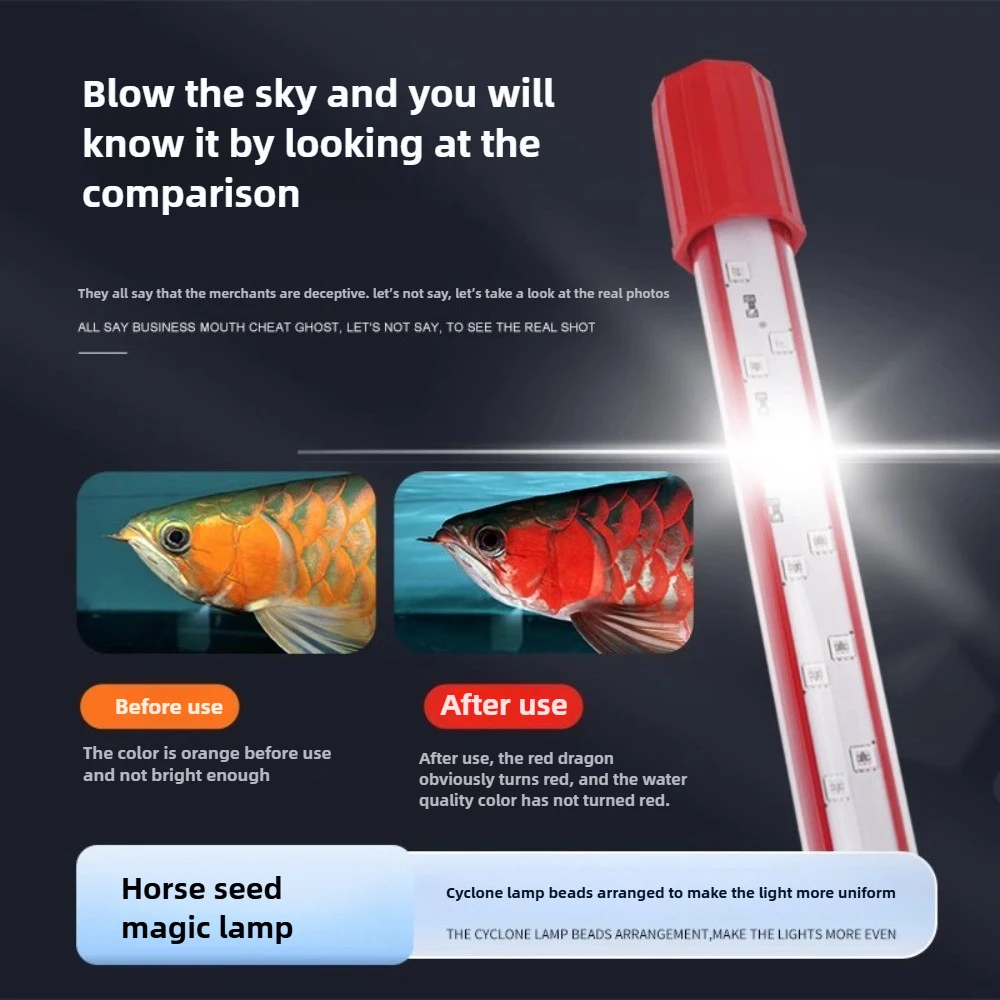
Proper lighting enhances the vivid colors of saltwater fish. Full-spectrum lights mimic natural sunlight. This helps fish show bright reds, blues, and yellows.
- Use LED lights with a mix of blue and white tones.
- Choose lights with a color temperature between 6500K and 10000K.
- Aim for 8 to 12 hours of light daily.
- Place lights to avoid shadows on fish.
Lighting For Different Species
Each fish species reacts to light in a unique way. Some need brighter light. Others prefer softer lighting to reduce stress.
| Species | Preferred Light Type | Color Effect |
| Clownfish | Moderate LED | Enhances orange and white |
| Mandarinfish | Blue LED | Brightens blues and greens |
| Angelfish | Full-spectrum | Sharpens yellows and blacks |
| Wrasse | Low intensity | Prevents color fading |
Avoiding Color Fading
Color fading happens when lighting is too strong or lasts too long. Fish can lose their bright colors and look pale.
- Limit light duration to 8-10 hours per day.
- Avoid direct sunlight on the tank.
- Use timers to keep consistent light cycles.
- Maintain water quality for healthy skin and color.
- Replace old bulbs to keep light intensity steady.
Supporting Coral And Plant Life
Lighting is very important for saltwater fish tanks. It helps corals and plants grow strong. Good light keeps the tank healthy and beautiful.
Different types of corals and plants need different light levels. Choosing the right lighting helps them thrive and stay colorful.
Light Requirements For Corals
Corals need bright light to live and grow. They use light to make food through photosynthesis. Some corals like very strong light.
Too little light can make corals weak. Too much light can cause stress or bleaching. It is important to match light to the coral type.
- Soft corals need low to medium light
- Hard corals need medium to high light
- Check coral species for exact light needs
- Use LED or T5 lights made for reef tanks
Balancing Light For Plants And Fish
Plants need light to grow but fish prefer some shade. Too much light can stress fish and cause algae growth. Balance is key.
Use timers to give plants enough light daily. Provide shaded areas or plants that grow tall to give fish places to hide.
- Give plants 8 to 10 hours of light each day
- Use dimmable lights to adjust brightness
- Create shaded spots with decorations or plants
- Observe fish behavior to adjust lighting
Preventing Algae Growth
Algae grow fast with too much light. It can cover corals and plants, blocking their light. Controlling light helps stop algae problems.
Keep light times reasonable and avoid very bright lights all day. Clean the tank regularly to remove algae before it spreads.
- Limit light to 8-10 hours daily
- Use a timer to keep light consistent
- Remove excess nutrients from water
- Clean algae from glass and decorations often
Credit: www.aliexpress.com
Setting Up The Lighting System
Lighting is essential for ornamental saltwater fish tanks. It supports fish health and shows their colors well.
Choosing the right setup helps keep your fish happy and the tank looking great.
Placement And Angle
Place the lights above the tank to cover the whole area. The angle should shine evenly on all parts.
- Keep lights centered above the tank for best coverage
- Avoid sharp angles that create shadows
- Adjust light height to suit tank size and fish needs
- Use reflectors or diffusers to spread light softly
Duration And Timing
Set the lights to mimic natural daylight cycles. Too much light can stress fish, too little can harm their health.
| Lighting Duration | Effect |
| 6 hours | Too little light, poor fish color |
| 8-10 hours | Ideal for most ornamental fish |
| 12 hours or more | May cause algae growth and stress |
Using Timers And Controllers
Timers help keep the light schedule regular. Controllers allow you to set different light intensities and colors.
- Use timers to turn lights on and off automatically
- Controllers can simulate sunrise and sunset effects
- Adjust settings based on fish species and tank plants
- Regular schedules reduce fish stress and improve health
Common Lighting Issues
Lighting is vital for ornamental saltwater fish health. Poor lighting affects their colors and behaviors. Understanding common problems helps keep your aquarium vibrant.
Many fishkeepers face issues like too much or too little light. Flickering lights also cause stress. This guide explains these common lighting problems.
Overexposure Effects
Too much light harms fish and plants. It causes algae to grow fast. Overexposure can make fish lose color and hide more.
- Faded colors in fish
- Algae covering glass and decorations
- Fish hiding or showing stress signs
- Higher water temperature from strong lights
Underlighting Problems
Too little light slows plant growth and dulls fish colors. It can also reduce fish activity. Underlighting makes the tank look dull and lifeless.
| Problem | Effect on Aquarium |
| Low light intensity | Weak plant growth and pale fish |
| Short lighting periods | Reduced algae balance and fish activity |
| Inadequate light spectrum | Poor color display in fish |
Troubleshooting Flickering And Dimming
Flickering or dim lights can stress fish and damage equipment. It often means a wiring or bulb issue. Fixing it keeps fish healthy.
Common causes of flickering and dimming:
- Loose bulb or connection
- Faulty ballast or driver
- Power supply fluctuations
- Aging bulbs needing replacement
Check wiring and replace faulty parts for steady lighting.
Maintaining Your Lighting Equipment
Proper lighting is vital for ornamental saltwater fish. It keeps them healthy and vibrant. Regular maintenance of lighting equipment is crucial.
Good care ensures the lights last longer. It also saves money and energy. Let’s explore ways to maintain your lighting.
Cleaning And Care
Dust and water stains can affect light brightness. Clean the lights regularly to prevent this. Use a soft cloth for cleaning.
Check for any water leaks. This can damage the lights. Keep the area dry to avoid issues.
- Turn off the lights before cleaning
- Use gentle cleaners to avoid damage
- Inspect for rust or corrosion
Replacing Bulbs And Fixtures
Bulbs need replacing when they dim. This ensures fish receive enough light. Check the type before buying replacements.
Fixtures may also need updates. Choose ones that fit your tank size. Proper fittings prevent light loss.
- Replace bulbs every 6 to 12 months
- Check compatibility with your system
- Ensure fixtures are secure
Energy Efficiency Tips
Energy-efficient lights save money. They also reduce heat, making the tank safer. LED lights are a good choice.
Use timers to control light duration. This mimics natural light cycles. It also conserves energy.
- Choose LED for lower energy use
- Set timers to manage light hours
- Consider solar-powered options
Frequently Asked Questions
What Is The Best Lighting For Ornamental Saltwater Fish?
The best lighting mimics natural sunlight with a full spectrum LED light. It enhances fish colors and supports coral growth. Use lights with adjustable intensity and a timer for a consistent day-night cycle.
How Many Hours Should Saltwater Fish Lighting Last Daily?
Saltwater fish need about 8 to 12 hours of light daily. This schedule supports their natural behavior and coral health. Avoid excessive lighting to prevent algae growth and stress in fish.
Can Led Lights Affect Saltwater Fish Health?
Yes, LED lights impact fish health positively by providing proper light spectrum. They reduce heat and energy use compared to other lights. Proper lighting helps regulate fish activity and promotes coral photosynthesis.
Why Is Spectrum Important In Saltwater Aquarium Lighting?
The light spectrum affects fish color and coral photosynthesis. Blue and white lights replicate ocean conditions, enhancing beauty and growth. Balanced spectrum lighting ensures a healthy, vibrant aquarium environment.
Conclusion
Choosing the right lighting helps keep saltwater fish healthy and bright. Good light makes colors shine and supports tank plants. Fish feel safe and active under proper lighting. Remember to match light type and duration to your tank’s needs. Regular checks keep the setup balanced and clear.
Lighting is simple but key for a beautiful saltwater aquarium. Keep it steady, and your fish will thrive happily.