
Are you struggling to make your ornamental reef fish truly shine? The right lighting can transform your aquarium into a vibrant underwater paradise.
But not all lights are created equal—choosing the wrong type can stress your fish or dull their colors. You’ll discover simple, effective lighting tips that bring out the best in your reef fish while keeping them healthy and happy. Keep reading to unlock the secrets that will make your aquarium the envy of every fish lover.
Choosing The Right Light Spectrum
Lighting plays a key role in keeping ornamental reef fish healthy. Choosing the right light spectrum helps fish show their best colors. It also supports coral growth in reef tanks.
Different light colors affect fish and corals in various ways. Understanding these effects helps create a balanced environment in your aquarium.
Importance Of Blue And Actinic Lights
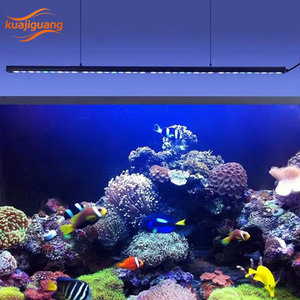
Blue and actinic lights mimic the natural ocean light at reef depths. They help fish feel safe and less stressed. These lights also highlight the bright colors of many reef fish.
- Blue light enhances fish’s natural colors.
- Actinic light supports coral photosynthesis.
- These lights reduce algae growth in tanks.
- They create a peaceful, natural tank look.
Balancing White And Full-spectrum Lighting
White and full-spectrum lights add brightness and simulate daylight. They help corals grow by providing energy for photosynthesis. Too much white light can stress fish and cause algae blooms.
| Light Type | Benefits | Drawbacks |
| White Light | Brightens tank, aids coral growth | Can stress fish, may grow algae |
| Full-Spectrum | Balances colors, mimics natural light | Needs proper timing and intensity |
| Blue/Actinic | Enhances colors, supports coral health | Less bright, needs balance with white |
Effects On Fish Colors And Coral Growth
Light spectrum affects how fish colors appear and how well corals grow. Blue light makes fish colors look vivid. White light helps corals build strong skeletons. A good mix of light types keeps fish and corals healthy.
- Use mostly blue and actinic lights for color and health.
- Add white or full-spectrum lights in small amounts.
- Keep light cycles consistent, about 8-10 hours daily.
- Adjust light intensity slowly to avoid stress.
Credit: www.alibaba.com
Types Of Aquarium Lighting
Lighting is very important for ornamental reef fish tanks. It helps fish show their true colors and stay healthy. Different lighting types work best for different tanks.
Choosing the right light depends on your tank size, fish species, and plants or corals. Here are common lighting types used in reef aquariums.
Led Lighting Benefits
LED lights use less power and last a long time. They produce little heat, which keeps the tank cooler. Many LED lights let you change colors and brightness.
LEDs help corals grow by providing the right light spectrum. They also make fish colors look bright and natural. You can control them with timers or apps.
- Energy efficient and cost-saving
- Low heat output
- Adjustable colors and brightness
- Long lifespan
- Supports coral growth well
T5 Fluorescent Fixtures
T5 fluorescent lights are tube-shaped bulbs. They give bright, even light across the tank. Many reef keepers like T5s for their natural look.
T5 bulbs come in different colors to help corals and plants grow. They need replacing every 6 to 12 months. T5s produce moderate heat and use more power than LEDs.
- Bright and even lighting
- Good color options for coral growth
- Needs regular bulb replacement
- Moderate heat and power use
Metal Halide Options
Metal halide lights are very strong and shine deep into large tanks. They create natural sunlight effects with bright, intense light. Many reef tanks use metal halides for coral health.
These lights get hot and use more electricity. They need special fixtures and cooling systems. Metal halides bulbs last about a year before they dim.
- Very bright and intense light
- Penetrates deep water well
- Produces a natural sunlight look
- High heat and power usage
- Requires cooling and fixture care
Lighting Intensity And Duration
Lighting is key for ornamental reef fish tanks. It affects fish health and tank balance.
Proper light intensity and timing help fish thrive and keep the tank clean.
Optimal Brightness Levels For Reef Tanks
Reef fish need light that mimics their natural environment. Too bright or dim light can stress them.
- Use moderate light intensity between 50 and 150 PAR (Photosynthetically Active Radiation).
- Adjust brightness based on the species in the tank.
- Use LED lights with adjustable settings for better control.
- Monitor fish behavior to see if lighting suits them.
Setting Light Cycles For Fish Health
Regular light cycles help regulate fish sleep and activity. This reduces stress and disease.
| Time | Lighting |
| 6:00 AM – 8:00 AM | Slow ramp up to mimic sunrise |
| 8:00 AM – 6:00 PM | Steady light at optimal brightness |
| 6:00 PM – 8:00 PM | Slow dimming to simulate sunset |
| 8:00 PM – 6:00 AM | Complete darkness for rest |
Avoiding Algae Overgrowth
Too much light or long exposure can cause algae to grow fast. This harms fish and plants.
- Limit light duration to 8-10 hours daily.
- Use timers to keep light cycles consistent.
- Reduce light intensity if algae appears.
- Clean tank surfaces regularly to remove algae.
Customizing Light For Different Fish Species
Lighting is essential for ornamental reef fish. Different species need different lighting. Proper light keeps fish healthy and vibrant.
Customizing light can help mimic natural habitats. This benefits the fish and creates a beautiful aquarium.
Lighting Needs Of Brightly Colored Fish
Brightly colored fish need vibrant light. This enhances their colors and well-being. Use full-spectrum lights for the best results.
These lights mimic sunlight. They highlight the fish’s natural beauty. Adjust the intensity to avoid stress.
- Use LED lights for energy efficiency
- Adjust light intensity gradually
- Maintain a regular light schedule
Shaded Areas For Sensitive Species
Sensitive species prefer shaded areas. Bright lights can cause stress. Create shaded spots in the tank for these fish.
Use plants or decorations to make shade. This helps fish feel safe and reduces stress.
- Add floating plants for natural shade
- Use rocks or caves for hiding spots
- Place lights to create natural shadows
Adjusting Lights For Nocturnal Behavior
Nocturnal fish are active at night. They need dim lights to mimic moonlight. Use blue LEDs to create a calming environment.
These lights help fish stay active at night. It also allows you to enjoy their nighttime behavior.
- Set a timer for day and night cycles
- Choose low-intensity blue lights
- Observe fish to ensure comfort
Enhancing Tank Aesthetics With Lighting
Lighting plays a big role in how your ornamental reef fish tank looks. Good lighting can make colors pop and create a lively scene.
Choosing the right lighting helps show off the beauty of your fish and coral. It also adds mood and style to your tank.
Creating Depth And Contrast
Use lighting to add layers and shadows in your tank. This makes the tank look bigger and more natural.
- Place lights at different angles to create shadows
- Use dim lights in some areas for a deep sea effect
- Brighten spots where fish like to swim
- Mix soft and strong lights to show details
Using Color-changing Leds
Color-changing LEDs add fun and variety to your tank’s look. They let you change the mood with simple settings.
| LED Color | Effect on Tank |
| Blue | Makes fish colors glow |
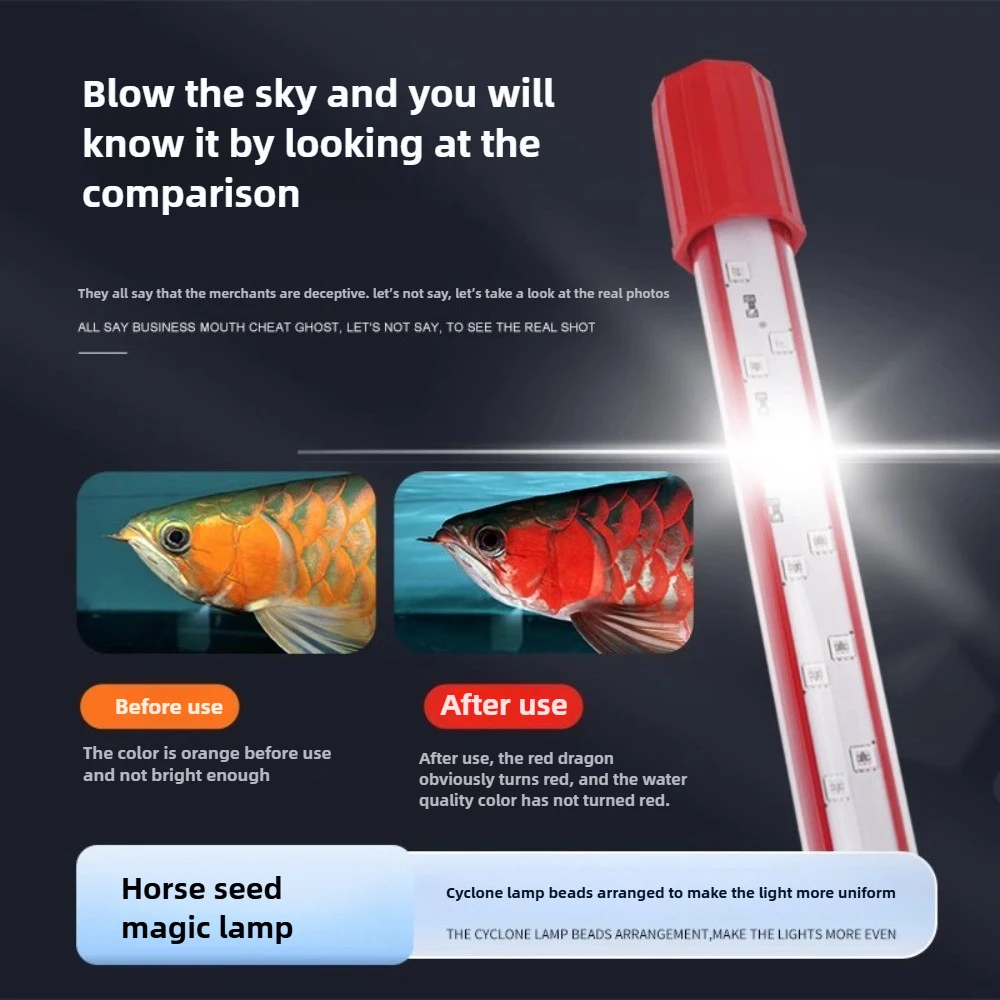
| Red | Highlights coral details |
| Green | Creates a calm, natural feel |
| White | Brightens the whole tank |
Highlighting Key Tank Features
Use spotlights or focused beams to draw attention to special parts of your tank.
Tips for Highlighting Features:
- Light up your favorite coral with a spotlight
- Use soft lighting around rock formations
- Place lights to show fish hiding spots
- Adjust brightness to avoid stressing fish
Credit: www.aliexpress.com
Maintaining And Upgrading Lighting Systems
Proper lighting is important for the health and beauty of ornamental reef fish. Keeping your lighting system in good shape helps fish thrive.
Upgrading lighting can improve light quality and energy efficiency. Regular care extends the life of your fixtures and bulbs.
Routine Light Fixture Cleaning
Dust and salt buildup reduce light output and can harm fixtures. Clean your light fixtures regularly to keep them bright.
Use a soft cloth and mild cleaner to wipe surfaces. Avoid harsh chemicals that can damage the fixture or glass.
- Turn off and unplug lights before cleaning
- Wipe down glass covers and bulbs gently
- Remove salt deposits with a damp cloth
- Check for corrosion or rust on metal parts
Replacing Bulbs And Leds
Bulbs and LEDs lose brightness over time. Replace them to maintain proper light levels for your fish.
Choose bulbs that match the spectrum needed for coral and fish health. Follow manufacturer guidelines for replacement.
- Replace bulbs every 6 to 12 months
- Use LEDs for longer life and energy savings
- Check wattage and color temperature before buying
- Dispose of old bulbs safely
Incorporating Smart Lighting Controls
Smart lighting controls help simulate natural light cycles. They also save energy by adjusting light intensity automatically.
You can program lights to mimic sunrise, daylight, and sunset. This supports fish behavior and coral growth.
- Set timers for consistent light schedules
- Use dimmers to adjust brightness levels
- Control lights remotely with apps
- Integrate sensors for automatic adjustments

Credit: www.ebay.ca
Frequently Asked Questions
What Is The Best Lighting For Ornamental Reef Fish?
The best lighting mimics natural sunlight with full-spectrum LEDs. It promotes fish health and coral growth. Avoid overly bright or dim lights to prevent stress.
How Does Lighting Affect Reef Fish Behavior?
Proper lighting regulates fish activity and feeding cycles. It enhances colors and natural behaviors. Incorrect lighting can cause stress and hiding.
Can Led Lights Improve Ornamental Reef Fish Colors?
Yes, LED lights enhance vibrant colors by providing specific light spectrums. They support coral fluorescence and fish pigmentation, making the aquarium visually stunning.
How Long Should Ornamental Reef Fish Lighting Be On?
Lighting should be on 8 to 12 hours daily. This simulates natural day-night cycles, ensuring fish and coral health without algae overgrowth.
Conclusion
Proper lighting helps your ornamental reef fish stay healthy and vibrant. It supports their natural behavior and shows their true colors. Choose lights that match the needs of your fish and corals. Adjust the brightness and duration to mimic their natural environment.
This care creates a lively and beautiful reef tank. Enjoy watching your fish thrive under the right light. Simple steps make a big difference in your reef’s success.