
If you’re serious about breeding ornamental fish, you already know that every detail matters. But have you ever stopped to think about how lighting affects your fish’s health and breeding success?
The right lighting can make a huge difference, helping your fish thrive and encouraging them to reproduce naturally. You’ll discover simple yet powerful lighting tips that can transform your breeding setup. Keep reading to unlock the secrets that will give your ornamental fish the best environment to grow and multiply.
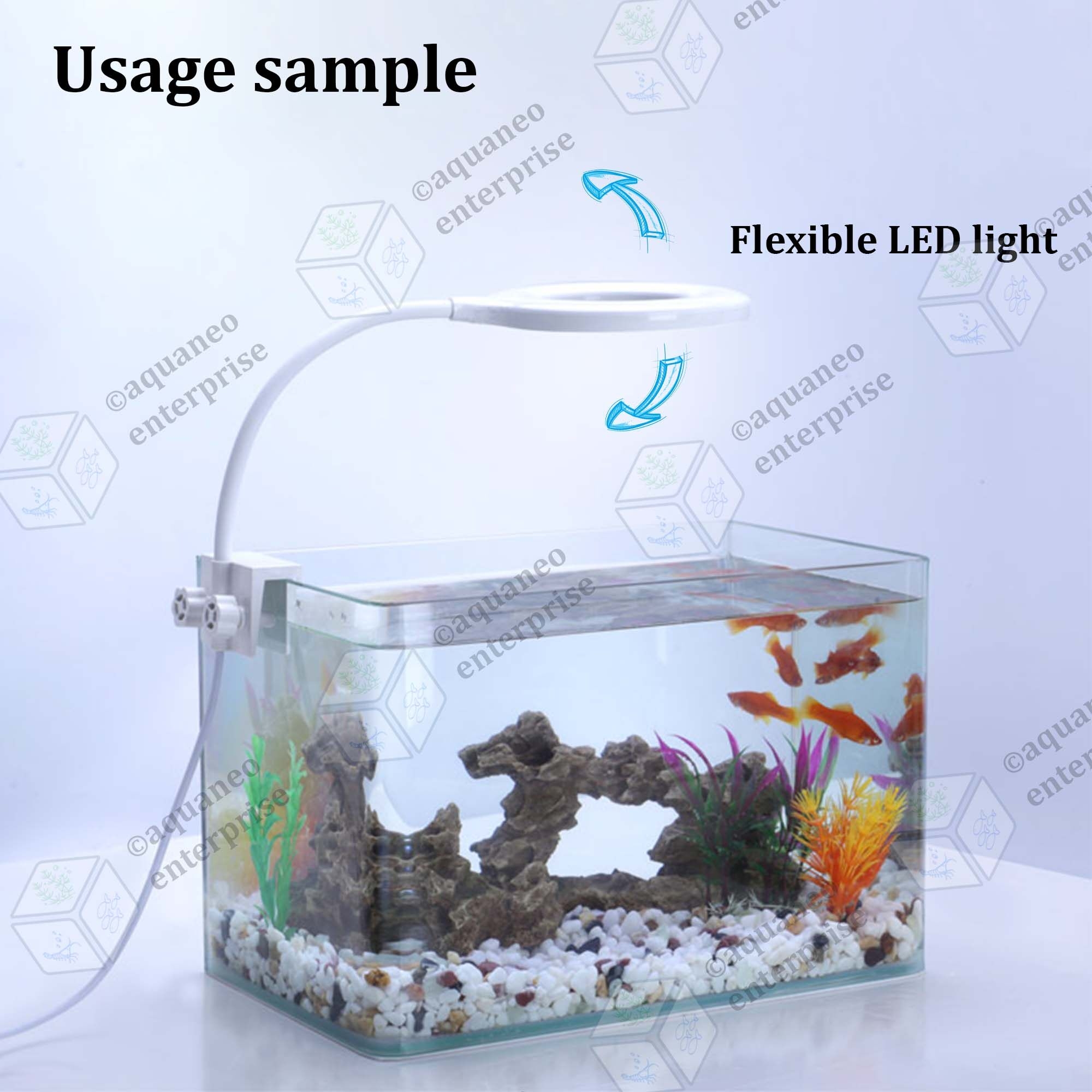
Credit: www.aquaneo2u.com
Choosing The Right Light Spectrum
Lighting is very important for breeding ornamental fish. The right light helps fish grow healthy and breed well.
Choosing the correct light spectrum can improve fish behavior and plant growth in the tank.
Benefits Of Full Spectrum Lighting
Full spectrum lighting mimics natural sunlight. It covers all colors that fish and plants need.
This lighting helps plants grow strong and fish show their true colors. It also supports fish breeding.
- Supports healthy plant growth
- Enhances fish color and activity
- Encourages natural breeding behavior
- Provides balanced light for all tank life
Impact Of Blue And Red Lights
Blue light helps fish stay calm and active. It also helps plants with photosynthesis.
Red light stimulates fish breeding and helps plants grow flowers. It is good during breeding cycles.
- Blue light calms fish and supports plant growth
- Red light promotes breeding and flowering
- Both colors improve tank environment
Avoiding Harmful Light Frequencies
Some light frequencies can stress fish or harm plants. Avoid very bright or flickering lights.
Lights with too much ultraviolet or infrared can hurt fish eyes and skin. Use safe lighting options.
- Avoid strong UV and infrared light
- Use steady, moderate brightness
- Choose lights made for aquariums
- Observe fish for signs of stress

Credit: www.youtube.com
Optimal Light Duration
Light plays a key role in breeding ornamental fish. The right light duration helps fish stay healthy and breed well.
Too much or too little light can harm fish or stop breeding. Finding the right balance is important.
Balancing Day And Night Cycles
Fish need a clear difference between day and night. This helps their natural behaviors and breeding cycles.
Usually, 10 to 12 hours of light and 12 to 14 hours of darkness works well for most ornamental fish.
- Daylight triggers activity and feeding
- Darkness encourages rest and breeding
- Regular cycles reduce fish stress
Effects Of Overexposure
Too much light can cause stress in fish. It may lead to poor health and less breeding success.
Overexposure can also cause algae growth, which harms water quality and fish health.
- Fish may become aggressive or hide more
- Algae can reduce oxygen in the water
- Stress lowers fish immune response
Setting A Consistent Lighting Schedule
Using a timer helps keep light on and off at the same times daily. This creates a stable environment for fish.
Consistency helps fish develop regular breeding habits and stay healthy.
- Set light duration between 10 to 12 hours
- Keep dark periods quiet and free from light
- Check timer regularly to avoid errors
Light Intensity And Placement
Lighting plays a key role in ornamental fish breeding. It affects fish behavior and health. Proper light intensity and placement can improve breeding success.
Too much light or poor placement can cause stress and harm fish. It is important to set up lighting carefully for each species.
Adjusting Brightness For Different Species
Different fish species need different light levels. Some like bright light, while others prefer dimmer conditions. Adjust light brightness based on the fish type.
Use dimmable LED lights or adjustable fixtures to control brightness. Observe fish behavior to find the best light level for each species.
- Bright light suits active, surface-dwelling species
- Moderate light fits mid-level swimmers
- Low light helps shy or nocturnal fish
Preventing Stress From Excess Light
Too much light can stress ornamental fish. Stress lowers breeding chances and causes health issues. Avoid lighting that is too bright or constant.
Use timers to simulate natural day and night cycles. Provide shaded areas or plants where fish can hide from strong light.
- Limit light to 8-12 hours per day
- Use shaded zones for resting
- Watch fish for signs of stress like hiding or color loss
Best Practices For Light Positioning
Place lights so they evenly cover the tank. Avoid bright spots or shadows that confuse fish. Position lights above the tank, not from the sides.
Keep lights away from direct contact with water to avoid damage. Adjust height and angle to spread light gently over the whole aquarium.
- Use adjustable mounts to fine-tune light position
- Keep light fixtures dry and secure
- Ensure even light distribution to reduce stress
Using Timers And Automation
Lighting plays a key role in breeding ornamental fish. Using timers and automation helps keep light cycles steady. This supports fish health and breeding success.
Automated lighting systems let you control light hours without manual changes. This reduces stress for fish and saves time for breeders.
Benefits Of Automated Lighting Systems
Automated lighting gives many advantages for ornamental fish breeding. It creates a natural environment and avoids sudden changes.
- Maintains consistent day and night cycles
- Reduces human error in lighting schedules
- Helps simulate seasonal changes for breeding cues
- Improves fish well-being and growth
- Saves energy by turning lights off automatically
Choosing The Right Timer
Pick a timer that fits your tank size and lighting type. Mechanical timers are simple but less precise. Digital timers offer exact control and multiple settings.
| Timer Type | Pros | Cons |
| Mechanical | Easy to use, low cost | Less precise, limited settings |
| Digital | Accurate, programmable | Higher cost, needs power |
| Smart (Wi-Fi) | Remote control, flexible | Requires internet, complex setup |
Maintaining Regular Light Cycles
Regular light cycles help fish keep their natural rhythms. Set timers to switch lights on and off at the same time daily. This reduces stress and encourages breeding behavior.
Tips for steady light cycles:
- Set lights for 10 to 12 hours of daylight
- Use dimmers if possible to mimic sunrise and sunset
- Avoid turning lights on or off manually
- Check timers weekly to ensure they work properly
- Adjust cycles gradually if changing seasons
Supplementary Lighting Options
Lighting plays a key role in ornamental fish breeding. Proper lighting helps simulate natural conditions and supports fish health.
Different lighting options can enhance breeding outcomes. Let’s explore various options available for ornamental fish enthusiasts.
Led Vs Fluorescent Lights
LED and fluorescent lights are popular choices for fish breeding. Both have benefits and drawbacks.
LED lights are energy efficient and last longer. Fluorescent lights are cost-effective and provide bright light.
- LEDs are more durable
- Fluorescents are less expensive initially
- LEDs offer color temperature options
Specialized Breeding Lamps
Specialized lamps are designed for breeding needs. They offer the right spectrum for fish health and breeding success.
These lamps mimic natural sunlight. They enhance fish colors and stimulate breeding behaviors.
- Promote natural fish behavior
- Enhance color vibrancy
- Support fish immune systems
Incorporating Natural Light Safely
Natural light can benefit fish breeding. It should be used safely to prevent algae growth and temperature issues.
Position tanks near windows but avoid direct sunlight. Use curtains or blinds to control light exposure.
| Light Source | Advantages | Disadvantages |
| Natural Light | Boosts natural behavior | May cause algae |
| Controlled Use | Prevents overheating | Requires monitoring |

Credit: www.reddit.com
Monitoring Fish Behavior And Health
Lighting plays a key role in the health of ornamental fish. Watching fish behavior helps spot problems early.
Proper lighting supports breeding and keeps fish active and healthy. Observing changes can guide lighting adjustments.
Signs Of Lighting Stress
Fish can show stress if lighting is too bright or too dim. Watch for unusual swimming or hiding.
Stress signs include faded colors, loss of appetite, and rapid gill movement.
- Erratic swimming or darting
- Hiding more than usual
- Colors becoming dull or pale
- Refusing food or eating less
- Fast breathing or gill movement
Adjusting Lighting Based On Fish Response
Change lighting slowly to avoid shocking fish. Start with low brightness and increase as fish adapt.
Use timers to keep light on a regular schedule. This helps fish maintain normal behavior and breeding cycles.
- Reduce light intensity if fish hide or stress
- Increase light duration gradually to boost activity
- Keep light timing consistent every day
- Match lighting to natural day and night cycles
Recording And Tracking Lighting Changes
Keep a log of lighting adjustments and fish behavior. This helps find the best light settings for breeding.
Note the time, light intensity, and fish responses each day. Use this data to improve tank conditions.
| Date | Light Intensity | Duration | Fish Behavior Notes |
|---|---|---|---|
| April 10 | Low | 8 hours | Fish active, normal feeding |
| April 12 | Medium | 10 hours | Some hiding, less eating |
| April 14 | Low | 9 hours | Behavior returned to normal |
Lighting For Breeding Different Ornamental Fish
Lighting plays an important role in breeding ornamental fish. Proper light helps fish stay healthy and encourages spawning. Each type of fish may need different lighting conditions.
This guide explains lighting needs for livebearers, egg-layers, and other species. Follow these tips for better fish breeding results.
Lighting Needs Of Livebearers
Livebearers like guppies and mollies prefer moderate lighting. They breed well under 10 to 12 hours of light daily. Too much light can stress them, so avoid very bright lamps.
Use full-spectrum lighting to mimic natural daylight. This supports their health and encourages breeding.
Lighting For Egg-layers
Egg-layers such as cichlids and tetras need stable light cycles. They usually spawn when light stays on for 12 hours a day. Bright light helps trigger spawning behavior.
- Keep light duration consistent every day.
- Use LED lights for energy efficiency and good brightness.
- Place plants or decorations to provide shaded areas.
- Avoid sudden changes in lighting to reduce stress.
Species-specific Recommendations
| Fish Species | Light Duration | Light Intensity |
| Guppies (Livebearers) | 10-12 hours | Moderate |
| Angelfish (Egg-Layers) | 12 hours | Bright |
| Discus (Egg-Layers) | 10-12 hours | Soft, diffuse |
| Platies (Livebearers) | 10-12 hours | Moderate |
| Neon Tetras (Egg-Layers) | 12 hours | Moderate |
Frequently Asked Questions
What Type Of Lighting Is Best For Ornamental Fish Breeding?
Soft, natural white LED lighting is ideal. It mimics daylight and promotes healthy fish behavior. Avoid harsh or colored lights that stress fish.
How Many Hours Of Light Do Breeding Fish Need Daily?
Breeding ornamental fish typically need 10 to 12 hours of light daily. This simulates natural day length and encourages spawning.
Can Lighting Affect Fish Breeding Success Rates?
Yes, proper lighting regulates fish hormones and breeding cycles. Consistent light schedules increase breeding success and fry survival rates.
Should Lighting Intensity Be Adjusted During Breeding?
Yes, reduce light intensity during spawning to create a calm environment. Bright lights can stress fish and reduce breeding activity.
Conclusion
Proper lighting helps ornamental fish stay healthy and breed well. Fish need the right light hours to feel safe and active. Bright light can stress them, so keep it gentle and steady. Watching how fish react to light helps you adjust it just right.
Good lighting supports plant growth, which also benefits fish. Small changes make a big difference in breeding success. Keep learning and observing your fish for best results. Lighting is a simple tool that aids strong, happy fish.