
If you have a nano reef tank, you know how important lighting is for the health and beauty of your tiny underwater world. The right lighting can make your corals glow, help your marine life thrive, and turn your tank into a stunning display.
But with so many options out there, how do you choose the best light for your nano reef? You’ll discover simple tips and expert advice to find the perfect lighting that fits your tank and helps your reef flourish. Keep reading to unlock the secrets that will transform your nano reef into a vibrant aquatic masterpiece.
Choosing The Right Light
Lighting is very important for nano reef tanks. It helps corals and plants grow well. Picking the right light keeps your tank healthy.
Different lights give different effects. You need to know what each light type does. This guide will help you choose.
Types Of Lighting Options
There are many lights for nano reef tanks. Each type has its own benefits and limits. Choose one that fits your tank size and needs.
- LED lights
- Fluorescent lights
- Metal halide lights
Led Vs Fluorescent Vs Metal Halide
LED lights use less power and last longer. They can change colors and brightness. They are good for small tanks.
Fluorescent lights are cheaper. They give good light but use more power than LEDs. They need changing more often.
Metal halide lights are very bright. They help corals grow deep in the tank. They use a lot of energy and make heat.
| Light Type | Power Use | Brightness | Heat Output | Lifespan |
|---|---|---|---|---|
| LED | Low | Medium to High | Low | Long |
| Fluorescent | Medium | Medium | Low | Medium |
| Metal Halide | High | Very High | High | Short |
Light Spectrum Essentials
Corals need specific light colors to grow. Blue light helps coral photosynthesis. White light shows natural colors.
Balance of colors affects coral health. Too much light can harm them. Too little light slows growth.
- Blue light supports coral growth
- White light displays tank colors well
- Red and green light are less important
- Choose lights with adjustable spectrum
Light Intensity And Duration
Lighting is very important for nano reef tanks. It helps corals grow and stay healthy. The right light intensity and time keep the tank balanced.
Too much or too little light can harm corals. You need to set the correct brightness and timing for the tank.
Optimal Brightness Levels
Corals need enough light to do photosynthesis. This process helps them make food and grow. Nano tanks usually need moderate light levels.
Use lights with an intensity between 50 and 150 PAR (Photosynthetically Active Radiation). This range suits most soft and some hard corals.
- Low light corals: 50-75 PAR
- Medium light corals: 75-125 PAR
- High light corals: 125-150 PAR
Photoperiod Timing
Photoperiod means how long the light stays on each day. Most nano reef tanks need 8 to 10 hours of light daily. This simulates natural sunlight.
Keeping a regular schedule helps corals keep their natural rhythms. Avoid sudden changes in light timing to reduce stress.
- Start with 8 hours of light
- Increase to 10 hours if corals need more
- Keep light off at night for coral rest
Adjusting For Coral Needs
Different corals need different light levels. Watch your corals’ color and growth to know if light is right. Pale or bleached corals may get too much light.
If corals look dark or stop growing, they might need more light. Change intensity or duration slowly to avoid shock.
- Lower light if corals bleach or shrink
- Increase light if corals fade or grow slowly
- Adjust light time in small steps, about 30 minutes
Positioning And Fixture Setup
Proper lighting is key for a healthy nano reef tank. Positioning and fixture setup affect coral growth and tank appearance.
This guide covers how to place lights, mount fixtures, and reduce shadows and hotspots.
Placement Strategies
Place lighting to cover the entire tank evenly. Avoid dark corners where corals may not get enough light.
- Center fixtures over the tank for balanced light distribution
- Adjust height to change light intensity
- Use multiple smaller lights instead of one large light
- Consider coral placement under different light strengths
Mounting Techniques
Secure your lighting fixtures firmly above the tank. Choose mounting methods that fit your tank setup and space.
| Mount Type | Advantages | Best For |
| Hanging Kits | Adjustable height, flexible positioning | Open tanks |
| Magnetic Mounts | Easy to move, no drilling | Glass tanks |
| Arm Mounts | Stable, space-saving | Small tanks or shelves |
| Bracket Mounts | Secure, fixed position | Long-term setups |
Reducing Shadows And Hotspots
Shadows and hotspots can stress corals and create uneven growth. Use these tips to minimize them.
- Use multiple light sources at different angles
- Move fixtures to balance bright and dark areas
- Choose lights with wide beam angles
- Install diffusers or lenses to spread light evenly
- Regularly check tank lighting and adjust as needed

Credit: www.reddit.com
Energy Efficiency And Cost
Lighting is key for nano reef tanks. It affects coral health and tank beauty. Choosing energy-efficient lighting saves money and power.
Understanding power use helps pick the right light. Lower power means less cost over time. Let’s explore how to keep lighting affordable.
Power Consumption Comparison
| Lighting Type | Power Use (Watts) | Cost per Month ($) |
| LED | 15 | 3.60 |
| Fluorescent | 30 | 7.20 |
| T5 HO | 40 | 9.60 |
| Metal Halide | 70 | 16.80 |
LED lighting uses less power than others. It costs less to run each month. This helps lower your electric bill.
Long-term Savings Tips
- Use timers to run lights only when needed
- Choose LED lights for better energy use
- Keep tank clean to reduce light needed
- Replace old bulbs to keep efficiency high
- Adjust light intensity to match coral needs
These tips lower your tank’s energy use. Saving money over months and years.
Budget-friendly Lighting Solutions
Consider these affordable options:
- Basic LED fixtures with adjustable settings
- Second-hand LED lights in good condition
- DIY LED setups using quality strips
These choices keep costs low and save energy.
Maintaining Lighting Systems
Lighting is important for the health of your nano reef tank. Good maintenance keeps the system working well. It helps your corals and fish stay healthy and grow.
Regular checks and care prevent problems. This guide covers cleaning, replacing parts, and fixing issues. Follow these tips to keep your lighting system reliable.
Cleaning And Upkeep
Dirt and salt buildup can reduce light quality. Clean your lighting fixtures often to avoid this. Use a soft cloth and a mild cleaner. Do not use harsh chemicals that can damage parts.
- Turn off and unplug the light before cleaning
- Wipe the glass cover gently to remove dust and salt
- Clean fans and vents to prevent overheating
- Check for corrosion and wipe it away carefully
- Dry all parts completely before turning the light back on
Replacing Bulbs And Components
Bulbs and parts wear out over time. Replace them to keep your light strong. Use the right type and wattage for your tank. Handle bulbs carefully to avoid damage.
| Component | Replacement Interval | Notes |
| LED Bulbs | 12-24 months | Check brightness and color regularly |
| Fluorescent Bulbs | 6-12 months | Replace when flickering or dim |
| Ballasts | 2-3 years | Replace if buzzing or not powering bulbs |
| Reflectors | Clean regularly | Replace if damaged or corroded |
Troubleshooting Common Issues
Lights may have problems like flickering or not turning on. Check power connections first. Look for loose wires or blown fuses. Clean contacts if dirty. Reset the timer or controller if used.
- Check power supply and plugs
- Inspect bulbs for damage or wear
- Clean contacts and connectors
- Test with a different bulb or ballast
- Reset or replace timers and controllers
- Contact a professional if issues persist
Enhancing Coral Growth And Color
Lighting is important for nano reef tanks. It helps corals grow and show their best colors. Choosing the right light can make a big difference.
Corals need specific light to thrive. Understanding the effects of different light types can improve coral health and appearance.
Light Effects On Coral Health
Light affects coral health in many ways. Corals need light for photosynthesis. This process helps them get food and energy.
Too much or too little light can harm corals. Finding the right balance is key to keeping them healthy and vibrant.
- Proper light intensity supports coral growth
- Corals need steady light cycles
- Light helps corals fight off diseases
Balancing Blue And White Light
Blue and white lights are common in reef tanks. They each have unique benefits for corals.
Blue light enhances coral color. White light supports coral growth. Mixing both can be effective.
- Blue light is great for deep water corals
- White light mimics natural sunlight
- Balance both for best coral health
Using Actinic Lighting
Actinic lighting is another option. It emits blue wavelengths. This light type boosts coral fluorescence.
Actinic lights can highlight coral colors. They are best used with other light types for balance.
- Actinic lights are great for color enhancement
- Use them during dawn and dusk for natural effect
- Combine with other lights for full spectrum
Advanced Lighting Technologies
Lighting is crucial for nano reef tanks. Advanced lighting technologies help corals thrive. Modern systems offer more control over light settings.
These technologies provide better growth conditions. They help mimic natural sunlight and improve coral health. Let’s explore some features.
Programmable Led Systems
Programmable LED systems allow precise control. Users can set light schedules for day and night cycles. This helps simulate natural environments.
These systems are energy-efficient. They save electricity and reduce heat in tanks. Custom settings can support different coral types.
- Set sunrise and sunset times
- Adjust brightness levels
- Create seasonal light changes
Spectrum Tuning Features
Spectrum tuning allows changing light colors. Different corals need different light spectrums. This feature helps meet those needs.
Correct spectrum enhances coral color and growth. It also supports photosynthesis. Users can experiment with settings for best results.
- Blue light promotes coral growth
- Red light enhances photosynthesis
- White light provides balanced illumination
Integration With Automation
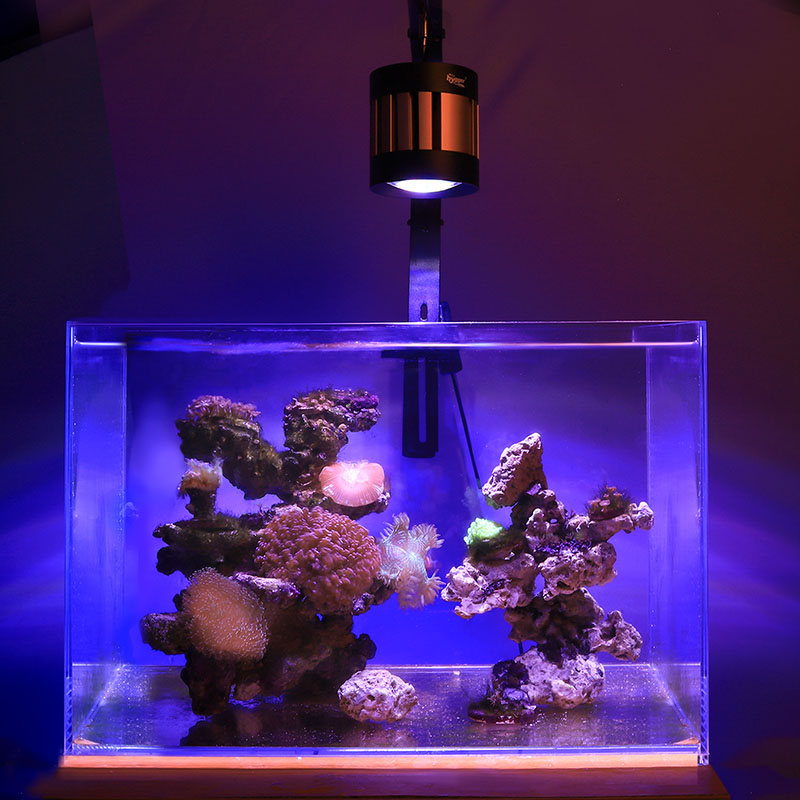
Automation makes managing nano reef tanks easier. Light systems can connect with smart home devices. This allows remote control and monitoring.
Automated systems adjust lighting based on tank needs. They can also alert users to changes in conditions. This ensures a stable environment for corals.
| Feature | Benefit |
| Remote control | Manage lights from anywhere |
| Condition alerts | Receive updates on tank status |
| Adaptive lighting | Adjusts to coral needs automatically |
Credit: www.hygger-online.com

Credit: www.ebay.ca
Frequently Asked Questions
What Is The Best Lighting For Nano Reef Tanks?
LED lights are best for nano reef tanks. They provide bright, energy-efficient light and customizable spectrum. LEDs support coral growth and color vibrancy while producing minimal heat.
How Many Hours Should Nano Reef Tank Lights Run?
Nano reef tank lights should run 8 to 10 hours daily. This mimics natural daylight cycles and prevents algae overgrowth. Consistent lighting schedules help maintain coral health and tank stability.
Can I Use Regular Aquarium Lights For Nano Reefs?
Regular aquarium lights often lack the intensity and spectrum for corals. Specialized reef lights provide necessary blue and white spectrums. Using reef-specific lights ensures optimal coral growth and tank aesthetics.
How Does Light Intensity Affect Nano Reef Tanks?
Light intensity impacts coral photosynthesis and growth. Too little light causes poor coral health; too much causes bleaching. Proper intensity balances coral needs and prevents algae blooms.
Conclusion
Choosing the right lighting helps your nano reef tank thrive. Good light supports coral growth and fish health. It also brings out beautiful colors and shapes. Keep light intensity and duration balanced for best results. Experiment with different settings to find what works best.
Remember, patience and care improve your reef’s success. Enjoy watching your tiny underwater world come alive. Lighting matters, but so does regular maintenance. Happy reef keeping!