
When it comes to creating a stunning nano planted tank, lighting plays a role you can’t afford to overlook. The right light does more than just brighten your aquarium—it helps your plants grow healthy and vibrant, turning your tiny underwater world into a living masterpiece.
But how do you choose the best lighting that fits your tank’s size and your plants’ needs? You’ll discover simple tips and expert advice to pick the perfect light setup. Keep reading, and you’ll soon have a clear path to making your nano planted tank thrive like never before.
Choosing The Right Light Spectrum
Lighting is very important for nano planted tanks. The right light helps plants grow well. It also keeps your tank healthy and bright.
Choosing the correct light spectrum is key. Different light colors affect plants in different ways. This guide explains what to look for.
Importance Of Full Spectrum Light
Full spectrum light means light that includes all colors plants need. It mimics natural sunlight. This helps plants grow strong and healthy.
- Supports photosynthesis
- Enhances plant colors
- Improves plant health
- Encourages natural growth patterns
Balancing Red And Blue Wavelengths
Red and blue light are the most important for plant growth. Red light helps with flowering and leaf growth. Blue light supports strong stems and healthy leaves.
| Wavelength | Effect on Plants |
| Red (620-750 nm) | Boosts flowering and leaf size |
| Blue (450-495 nm) | Promotes stem strength and leaf health |
Role Of Green Light In Plant Growth
Green light is often ignored. It helps plants grow deep inside the leaves. It also makes plants look natural and vibrant.
Benefits of Green Light:
- Penetrates leaf layers
- Improves overall plant health
- Enhances visual appeal of plants

Credit: www.meesho.com
Types Of Lighting For Nano Tanks
Lighting plays a key role in the health of nano planted tanks. It helps plants grow and shows off their colors. Choosing the right light type is important for small aquariums.
This guide covers common lighting types for nano tanks. It explains LED, fluorescent, and compact or T5 lights. Each type has pros and cons to consider.
Led Lighting Benefits
LED lights use less energy and last longer than other lights. They produce less heat, which is good for small tanks. LEDs can also have adjustable colors and brightness levels.
- Energy efficient and cost-saving
- Low heat output protects plants and fish
- Long lifespan reduces replacement needs
- Customizable light spectrum supports plant growth
- Compact size fits small tank setups
Fluorescent Lights In Small Aquariums
Fluorescent tubes are common in many small tanks. They provide even light spread and good color rendering. These lights are affordable but use more electricity than LEDs.
| Feature | Fluorescent Lights |
|---|---|
| Energy Use | Moderate |
| Heat Output | Moderate |
| Light Quality | Good for plants |
| Lifespan | 1 to 3 years |
| Cost | Low to moderate |
Compact And T5 Lighting Options
Compact fluorescent and T5 lights are brighter than standard fluorescents. They fit well in nano tanks and support demanding plants. These lights come in different wattages and color temperatures.
- Compact fluorescents save space with smaller bulbs
- T5 tubes are slim and provide strong light output
- Both types offer good plant growth support
- They produce more heat than LEDs
- Replacement bulbs are easy to find
Lighting Intensity And Duration
Lighting plays a key role in the health of nano planted tanks. Both the strength and length of light affect plant growth and tank balance.
Choosing the right light intensity and timing helps plants thrive. It also keeps algae growth under control.
Optimal Light Levels For Nano Tanks
Nano tanks need moderate light levels to support plant photosynthesis. Too much or too little light can harm plants.
| Light Intensity | Recommended Range (PAR) |
| Low Light Plants | 20-40 µmol/m²/s |
| Medium Light Plants | 40-60 µmol/m²/s |
| High Light Plants | 60-80 µmol/m²/s |
Setting Daily Light Cycles
Consistent light cycles help plants grow steadily. Most nano tanks do well with 6 to 8 hours of light each day.
- Set a timer for daily light control
- Start with 6 hours and adjust if plants need more
- Keep the light cycle steady every day
- Turn off lights fully at night to mimic natural rest
Avoiding Algae Growth With Proper Timing
Algae often grows when light exposure is too long or uneven. Controlling light duration can reduce algae risks.
| Light Timing | Effect on Algae |
|---|---|
| Less than 6 hours | May limit plant growth, algae low |
| 6 to 8 hours | Ideal for plants, algae controlled |
| More than 8 hours | Higher algae growth risk |
Credit: www.amazon.in
Positioning And Installation Tips
Lighting plays a key role in the health of nano planted tanks. Proper positioning and installation help plants grow evenly and look their best.
This guide covers how to place lights, use reflectors and diffusers, and mount lighting in small tank setups.
Best Placement For Even Light Distribution
Place the light source directly above the tank to ensure even coverage. Avoid placing lights too close to one side, which causes uneven growth.
- Center the light for balanced brightness
- Keep the light 6 to 12 inches above the water surface
- Check for shadows on plants and adjust accordingly
- Use adjustable arms to fine-tune the light angle
Using Reflectors And Diffusers
Reflectors help bounce light back into the tank, increasing brightness without extra energy. Diffusers soften light to reduce harsh spots.
| Accessory | Purpose | Benefit |
|---|---|---|
| Reflector | Redirects light | Increases light coverage |
| Diffuser | Spreads light evenly | Prevents hotspots and glare |
Mounting Solutions For Small Setups
Small tanks need compact mounting options to save space and keep the setup neat.
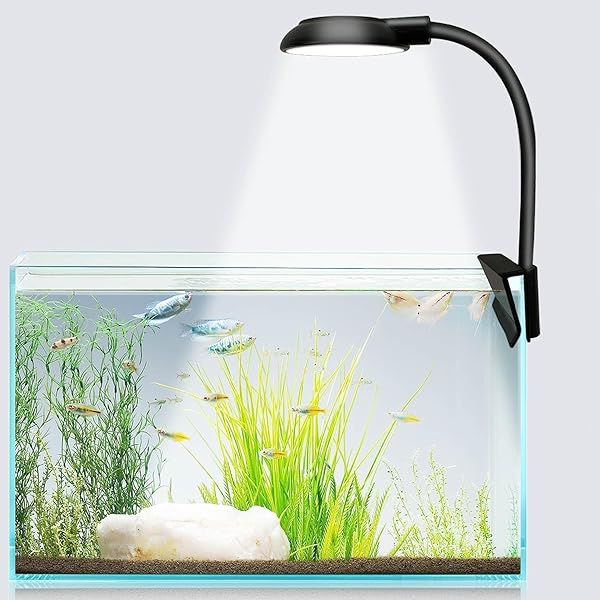
- Clamp lights attach to the tank rim without drilling
- Magnetic mounts fix lights to metal surfaces
- Adjustable gooseneck arms allow easy repositioning
- Overhead light bars provide full coverage
Energy Efficiency And Cost Considerations
Lighting is very important for nano planted tanks. It helps plants grow and keeps the tank healthy. Choosing the right light saves energy and lowers bills.
Good lighting choices balance cost with energy use. This helps keep your tank bright without spending too much money.
Choosing Energy-saving Fixtures
Look for lights that use less electricity but still give enough brightness. LED lights are a popular option because they use little power.
Energy-saving fixtures also produce less heat. This keeps your tank stable and reduces cooling costs.
- Choose LED lights designed for aquariums
- Pick fixtures with adjustable brightness
- Use timers to control lighting hours
- Look for energy star ratings
Balancing Cost And Performance
Cheaper lights may use more electricity or fail quickly. Expensive lights often last longer and save power.
Think about how long you will use the light and the quality you need. This helps you pick the best value for your money.
- Compare initial price with energy cost over time
- Check brightness and color for plant needs
- Read reviews to know performance and lifespan
- Consider warranty and customer support
Maintenance And Longevity Of Lights
Lights that last longer save money on replacements. Regular cleaning keeps lights bright and working well.
Replace bulbs or parts as needed to avoid high energy use or poor light. Proper care extends the life of your fixtures.
- Clean light covers monthly
- Check for flickering or dimming
- Replace bulbs on schedule
- Use recommended parts for repairs
Troubleshooting Common Lighting Issues
Lighting plays a vital role in keeping nano planted tanks healthy. It is important to understand common lighting issues and how to address them.
In this guide, we will explore signs of poor lighting, algae problems, and tips for optimal plant growth.
Signs Of Insufficient Lighting
Plants need sufficient light to photosynthesize and grow. Without it, they may appear weak and discolored.
- Plants have pale or yellow leaves.
- Growth is slow or stunted.
- Leaves fall off easily.
Dealing With Excessive Algae
Too much light can lead to algae problems. Algae can cover plants and decorations, making the tank look unappealing.
Consider these methods to reduce algae:
- Limit light exposure to 8 hours a day.
- Introduce algae-eating fish or snails.
- Regularly clean the tank and remove algae.
Adjusting Light For Plant Health
Adjusting light helps plants flourish. Use the right type and amount of light for your tank.
| Plant Type | Light Requirement |
| Low-light plants | 2–3 watts per gallon |
| Medium-light plants | 3–4 watts per gallon |
| High-light plants | 4–5 watts per gallon |

Credit: www.meesho.com
Frequently Asked Questions
What Type Of Lighting Is Best For Nano Planted Tanks?
LED lights are ideal for nano planted tanks. They provide bright, energy-efficient, and adjustable spectrum lighting. LEDs promote healthy plant growth without overheating small tanks. Choose full-spectrum LEDs to support photosynthesis and vibrant plant colors.
How Many Hours Should Lighting Run In A Nano Tank?
Lighting should run 6 to 8 hours daily in a nano tank. This duration supports plant growth and limits algae growth. Avoid excessive lighting to prevent stress on plants and fish. Use timers for consistent light cycles.
Can I Use Regular Aquarium Lights For Nano Planted Tanks?
Regular aquarium lights may not suit nano planted tanks. They often lack intensity or spectrum needed for plants. Nano tanks require compact, adjustable lights with proper PAR levels. Specialized nano tank lights ensure optimal plant health and growth.
How Does Lighting Affect Algae In Nano Planted Tanks?
Improper lighting can cause excessive algae growth in nano tanks. Too much light or long duration fuels algae bloom. Balanced light intensity and timing help control algae naturally. Regular monitoring and adjustments maintain a healthy planted environment.
Conclusion
Proper lighting helps plants grow healthy in nano tanks. Choose the right light type and intensity for your setup. Keep a regular schedule to mimic natural daylight. Watch your plants closely and adjust as needed. Good lighting brings out the tank’s colors and life.
With care and the right light, your nano planted tank will thrive. Small tanks, big beauty.