
Are you tired of battling stubborn algae that quickly takes over your aquarium or pond? The key to controlling algae growth might be simpler than you think—your lighting setup.
The right lighting can help keep algae at bay, making your water cleaner and your plants healthier. You’ll discover how to choose and manage lighting to minimize algae growth effectively. Keep reading, and you’ll learn easy tips that can transform your aquatic space without extra chemicals or constant cleaning.
Algae Growth Basics
Algae are tiny plants that grow in water. They need certain conditions to thrive. Understanding these helps control their growth.
Lighting plays a key role in algae development. Too much light can cause a rapid increase in algae. Let’s look at what triggers algae and how light affects it.
What Triggers Algae
Algae need food and the right environment to grow. Some common triggers include excess nutrients and warm temperatures.
- High levels of nitrogen and phosphorus
- Warm water temperatures above 70°F (21°C)
- Stagnant or slow-moving water
- Strong sunlight exposure
Role Of Light In Algae Development
Light is essential for algae to grow. They use light to make food through photosynthesis. The type and amount of light affects growth speed.
| Light Type | Effect on Algae |
| Natural Sunlight | Promotes fast growth |
| LED Lights (Cool White) | Moderate growth |
| Low Intensity Light | Slows growth |
| Red Spectrum Light | Less algae growth |

Credit: greenlivingguy.com
Types Of Lighting
Choosing the right lighting helps reduce algae growth in water tanks or ponds. Light affects how algae grow and spread. Understanding different light types can guide better decisions.
This article covers natural versus artificial light and common artificial lighting types. You will learn about LED, fluorescent, and incandescent lighting benefits and drawbacks.
Natural Vs Artificial Light
Natural light comes from the sun. It provides a full spectrum of light but varies by time and weather. Artificial light uses bulbs or LEDs to mimic sunlight or provide specific light spectrums.
- Natural light is free but hard to control.
- Artificial light allows control over intensity and duration.
- Algae may grow faster under certain light types and durations.
- Artificial light can be timed to limit algae growth.
Led Lighting Benefits
LED lights use less energy and last longer than other bulbs. They produce less heat and can be adjusted to specific light colors. This helps keep algae growth minimal.
| Feature | Benefit |
| Energy Use | Low power consumption |
| Lifespan | Lasts many years |
| Heat Output | Minimal heat produced |
| Light Spectrum | Customizable light colors |
| Cost | Higher initial cost but saves money over time |
Fluorescent And Incandescent Options
Fluorescent lights use less energy than incandescent bulbs but more than LEDs. Incandescent bulbs give off a lot of heat and use more power. Both types can encourage algae growth if not managed well.
- Fluorescent bulbs have a cooler light and moderate energy use.
- Incandescent bulbs produce warm light but create more heat.
- Both types may need frequent replacement compared to LEDs.
- Fluorescent lights can cause algae to grow faster if used too long.
Light Spectrum And Algae
Light plays a key role in algae growth in water environments. Different light colors affect algae differently. Understanding these effects helps control algae growth.
By choosing the right light spectrum, you can reduce unwanted algae and keep water clear. This guide explains which wavelengths encourage growth and which help maintain clean water.
Wavelengths That Encourage Growth
Algae mainly use blue and red light for photosynthesis. These wavelengths help algae grow fast. Blue light ranges from 400 to 500 nanometers. Red light ranges from 600 to 700 nanometers.
Green light, between 500 and 600 nanometers, is less used by algae. It does not support strong growth. Avoiding blue and red light can slow algae growth.
- Blue light (400-500 nm) boosts algae growth
- Red light (600-700 nm) supports algae photosynthesis
- Green light (500-600 nm) has minimal effect on algae
Optimal Spectrum For Clear Water
To limit algae growth, use light with less blue and red wavelengths. Lights with more green and yellow can help keep water clear. These colors do not feed algae well.
Using full-spectrum white light with low blue and red content also works. It provides enough light for plants but limits algae growth.
- Use green and yellow light to reduce algae growth
- Limit blue and red light exposure
- Choose full-spectrum lights with less blue/red balance
Light Intensity And Duration
Controlling light intensity and duration helps reduce algae growth. Too much light feeds algae and harms plants.
Proper lighting keeps your aquarium healthy and algae low. Balancing these factors is key.
Balancing Brightness Levels
Choose light brightness that supports plants but limits algae. Bright light encourages algae to grow fast.
Lower light helps plants stay healthy without feeding algae too much.
- Use medium brightness for planted tanks
- Avoid very bright or direct light
- Adjust brightness based on plant needs
Setting Timers For Light Exposure
Limit the time your tank lights are on to control algae. Long light periods boost algae growth.
Use timers to keep lighting consistent. This helps plants get enough light without overexposure.
- Set lights on for 6 to 8 hours daily
- Turn lights off during night hours
- Adjust time based on algae presence
Lighting Placement Strategies
Proper lighting is important for controlling algae in aquariums. Strategically placing lights helps keep algae growth minimal.
By understanding how to position lights, you can create a balanced environment. This ensures your aquarium stays healthy and algae-free.
Avoiding Overexposure
Too much light can cause algae to grow quickly. To avoid this, place lights at a proper distance from the water.
Consider using timers to control the amount of light. This helps maintain a natural day-night cycle for the aquarium.
- Use a timer to control light exposure
- Keep lights at a safe distance from water
- Monitor algae growth regularly
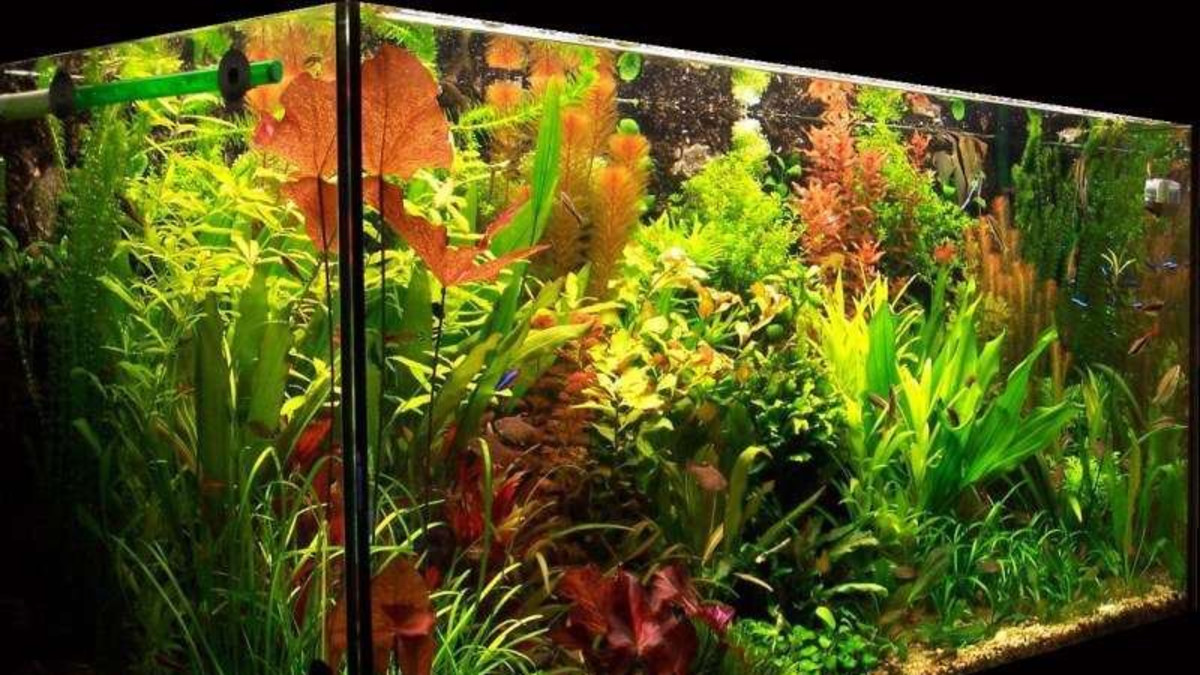
Positioning For Even Coverage
Even light distribution is key for a healthy aquarium. Position lights to cover all areas equally.
Use reflectors or multiple light sources to achieve even lighting. This helps reduce shadow areas where algae might thrive.
- Position lights for equal coverage
- Use reflectors to spread light evenly
- Avoid creating dark spots in the tank
Credit: pethelpful.com
Supplementary Algae Control Methods
Lighting alone cannot stop algae growth. Using other methods helps keep algae low.
These supplementary ways work well with proper lighting. They control algae by targeting its causes.
Water Filtration Techniques
Good water filtration removes tiny particles and algae spores. It keeps water clear and clean.
- Use mechanical filters to trap debris
- Install biological filters for harmful bacteria
- Try UV sterilizers to kill algae cells
- Change filter media often for best results
Nutrient Management
Algae grows fast when nutrients are high. Controlling nutrients slows algae growth.
| Nutrient | Control Method |
| Nitrogen | Use plants that absorb nitrogen |
| Phosphorus | Limit fish food and waste |
| Carbon Dioxide | Keep CO2 levels steady |
Use Of Algae-eating Species
Some animals eat algae. Adding these species helps reduce algae naturally.
- Siamese algae eaters clean many algae types
- Amano shrimp eat soft algae and debris
- Otocinclus catfish consume green algae
- Snails eat algae on surfaces
Monitoring And Adjusting Lighting
Lighting plays a big role in keeping algae growth low. Watching light levels helps control algae in tanks or ponds.
Adjusting the light based on what you see can stop algae from spreading. This keeps plants and water healthy.
Signs Of Excessive Algae
Too much algae looks like green, brown, or red slime on surfaces. It can cover plants and tank walls.
Cloudy water or a bad smell also shows algae is growing too much. Fish and plants may not do well.
- Green or brown patches on plants and glass
- Water turns cloudy or murky
- Fish swim less or hide more
- Unpleasant odors from the water
Adjusting Light Settings Over Time
Start with moderate light hours, about 6 to 8 hours daily. Change the time if algae signs appear.
Lower the light intensity or shorten the light period to reduce algae growth. Watch the tank daily.
- Reduce light hours by one per week if algae grows
- Use dimmer lights or move lights further away
- Keep a regular schedule for light on and off times
- Check plants and water after changing light settings

Credit: www.amazon.ca
Energy Efficiency And Cost
Choosing the right lighting is key to reducing algae growth in aquariums. Efficient lights save energy and cut costs over time.
Energy-efficient lighting options can keep your aquarium clear and your electricity bill low. Let’s explore the best choices.
Choosing Energy-saving Lights
Energy-saving lights help maintain the right light levels in your aquarium. These lights are designed to use less power.
- LED lights last longer and use less energy.
- Compact fluorescent lights (CFLs) are also energy-efficient.
- Choose lights with a timer to control usage.
Long-term Cost Benefits
Investing in energy-efficient lights pays off over time. You will see savings on your energy bill.
| Light Type | Average Lifespan | Energy Savings |
| LED | 50,000 hours | 50% less energy |
| CFL | 10,000 hours | 30% less energy |
Frequently Asked Questions
What Type Of Light Reduces Algae Growth Effectively?
Using LED lights with specific wavelengths, especially blue and red, minimizes algae growth. These lights limit algae photosynthesis, controlling their spread in aquatic environments.
How Long Should Aquarium Lights Be On Daily?
Limit aquarium lighting to 8-10 hours per day. Excessive light promotes algae growth. Consistent timing helps maintain a balanced ecosystem.
Can Natural Sunlight Increase Algae Growth?
Yes, natural sunlight promotes algae growth due to intense light and UV exposure. Indirect or filtered light is better for controlling algae.
Does Light Intensity Affect Algae Growth Rate?
Higher light intensity accelerates algae growth by enhancing photosynthesis. Moderate, controlled lighting slows algae development and supports healthy aquatic plants.
Conclusion
Choosing the right light helps keep algae under control. Use lights with proper intensity and timing. Avoid too much light, which fuels algae growth. Regularly check and adjust your lighting setup. This keeps your water clean and plants healthy. Small changes make a big difference in algae management.
Stay consistent, and your tank will look great. Lighting matters a lot for a clear, algae-free tank. Keep it simple, and enjoy a beautiful aquarium.