
Are you struggling to get your young fish to school properly? The secret might be right above them—lighting.
The right light can make a huge difference in how your fry behave, helping them group together and thrive. Imagine watching your fry swim in perfect harmony, showing natural schooling behavior that signals healthy growth. You’ll discover simple lighting tips that can transform your fish tank and boost your fry’s confidence and safety.
Keep reading to unlock the power of lighting and see your fry flourish like never before.
Fry Schooling Basics
Lighting plays an important role in fry schooling behavior. Fry are young fish that swim in groups. Proper lighting helps them stay together and grow well.
Understanding fry schooling helps improve their care. Bright or dim light can change how fry act and develop.
What Is Fry Schooling
Fry schooling means young fish swim in groups for safety and social reasons. This behavior helps them avoid predators and find food.
- Fry move close together in a group
- They follow each other’s movements
- Schooling gives protection from threats
- It helps fry learn how to survive
Benefits For Growth
Good lighting conditions support fry schooling and growth. Light affects their activity and feeding habits.
| Lighting Condition | Effect on Fry |
| Bright Light | Increases activity and schooling |
| Dim Light | Reduces stress and supports rest |
| Balanced Light | Promotes healthy growth and behavior |

Credit: www.agproud.com
Role Of Light In Fry Behavior
Light plays an important role in how fish fry behave. It affects their schooling and movement.
Understanding light can help create better environments for fry growth and safety.
Light Intensity Effects
Light intensity changes how fry see and react to their surroundings. Bright light can make fry more active.
Too much light may stress fry, while low light can reduce their activity and schooling behavior.
- High intensity increases movement but may cause stress
- Low intensity lowers activity and group cohesion
- Moderate light helps fry school safely
Color Spectrum Impact
Different colors of light affect fry differently. Some colors help fry see better and feel calm.
Blue and green light often improve schooling and reduce stress in fry fish.
- Blue light supports clear vision and calmness
- Green light promotes natural behavior and schooling
- Red or bright white light can cause agitation
Photoperiod Influence
Photoperiod means the length of light and dark periods each day. It affects fry growth and activity.
Regular light cycles help fry develop normal behavior and improve schooling patterns.
- Long light periods increase feeding and schooling
- Too long or too short light can disrupt behavior
- Balanced light and dark cycles support healthy growth
Choosing The Right Illumination
Lighting plays a key role in fry schooling behavior. It helps young fish stay together and feel safe. Picking the right light type and setting it up well can improve their growth and activity.
Different lights affect water and fish in unique ways. Understanding these differences helps create a better environment for fry. This guide covers LED vs fluorescent lighting, adjusting light levels, and light positioning tips.
Led Vs Fluorescent Lighting
LED and fluorescent lights are common in fish tanks. Each has pros and cons for fry schooling behavior. LEDs use less energy and last longer. Fluorescent lights are cheaper but may heat water more.
| Feature | LED Lighting | Fluorescent Lighting |
| Energy Use | Low | Higher |
| Heat Emission | Minimal | Moderate |
| Light Quality | Bright, clear | Soft, diffused |
| Lifespan | Long | Shorter |
| Cost | Higher upfront | Lower upfront |
Adjusting Light Levels
Proper light intensity helps fry school naturally. Too bright light can stress them. Too dim light may reduce activity. Adjust light levels slowly to find the best balance.
- Start with low light and increase gradually
- Observe fry reactions to changes
- Avoid sudden bright flashes or dark periods
- Use dimmers or shading if possible
Light Positioning Tips
Where you place the light affects fry behavior and tank health. Aim for even lighting without harsh shadows. Position lights above the tank at a moderate distance.
- Keep lights centered over the tank
- Use reflectors to spread light evenly
- Avoid direct glare into fish eyes
- Consider natural light cycles for best results
Designing Lighting Schedules
Lighting schedules are important for fry schooling behavior. These schedules help mimic natural environments and support healthy development.
By designing proper lighting, you create a safe and nurturing space. This helps the fry thrive and grow effectively.
Optimal Light-dark Cycles
Establishing the right light-dark cycle is key. It helps fry understand day and night, promoting better schooling behavior.
- Ensure a consistent light schedule daily
- Maintain a balance between light and darkness
- Adjust light intensity for different times of the day
Simulating Natural Conditions
Simulating natural light conditions can improve fry behavior. It mimics their natural habitat and reduces stress.
| Time of Day | Light Intensity |
| Morning | Low |
| Afternoon | High |
| Evening | Medium |
| Night | Off |
Monitoring Fry Response
Lighting plays a key role in how fry behave and grow. Watching their response helps keep them healthy.
Careful monitoring helps spot changes early. This lets you adjust lighting for better results.
Behavioral Indicators
Fry show clear signs when lighting suits them. Look for normal swimming and feeding patterns.
Too bright or dim light can make fry hide or swim erratically. Watch for these signs closely.
- Active swimming in open areas
- Consistent feeding behavior
- Minimal hiding or clustering
- Regular response to light changes
Growth Rate Tracking
Good lighting supports steady fry growth. Measure their size regularly to track progress.
Compare growth rates under different lighting to find what works best. Keep notes for each batch.
| Lighting Type | Average Growth (mm/week) | Notes |
|---|---|---|
| Natural light | 5 | Stable growth, less stress |
| LED white light | 6 | Good growth, energy efficient |
| Blue spectrum light | 4 | Slower growth, less activity |
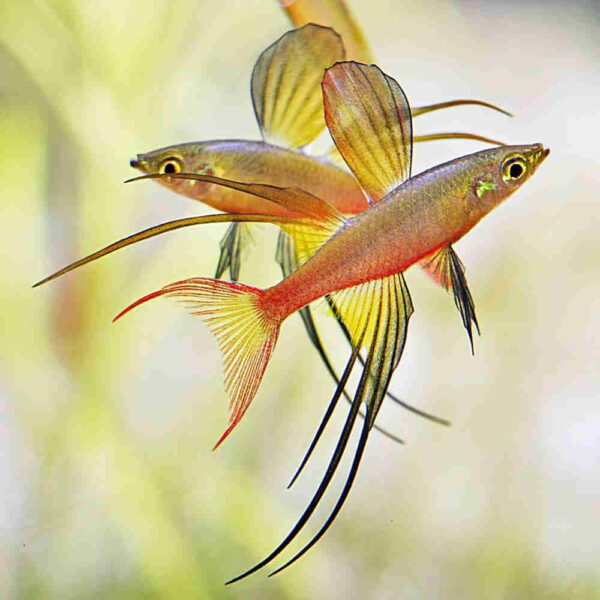
Credit: roxyaquarium.com.au
Common Lighting Mistakes
Lighting plays a big role in fry schooling behavior. Good lighting helps fry see each other and stay together. Poor lighting can cause stress and confusion.
Many fish keepers make simple lighting mistakes. These mistakes can hurt fry growth and safety. Learning about common errors helps avoid problems.
Overexposure Risks
Too much light is bad for fry. Bright lights can scare them and make them hide. Overexposure can raise stress levels and reduce feeding.
Fry need periods of darkness for rest. Constant bright light stops this rest and harms their health. Light should be balanced and timed well.
- Stress from bright light lowers immune defense
- Fry may hide and stop schooling
- Overexposure can cause eye damage
- Nighttime darkness is needed for good rest
Inconsistent Lighting Effects
Changing light levels confuse fry and break their school. Flickering or uneven light creates shadows that scare them. Consistency helps fry stay calm and group well.
Using different bulbs or timers can cause uneven light. It is best to use one light source with steady output. Keep the light at the same level every day.
- Flickering light causes stress and breaks schooling
- Uneven light creates shadows that frighten fry
- Consistent light helps fry feel safe and group
- Use one steady light source for best results
Case Studies And Success Stories
Lighting plays a key role in the behavior of fry fish. Proper light conditions help fry grow well and form tight schools. This article shares real examples of how lighting improved fry schooling behavior in different settings.
We will look at cases where lighting changes led to better growth rates and stronger schooling patterns. These stories help fish farmers and researchers understand the impact of light on fry.
Improved Growth Rates
One case study showed that adjusting light intensity increased fry growth by 20%. The fry received 12 hours of soft white light daily. This lighting mimics natural conditions and reduces stress.
- Fry exposed to 12 hours of soft white light grew faster than those in dim light.
- Light changes helped fry feed more actively.
- Better growth was linked to lower stress levels under correct lighting.
Enhanced Schooling Behavior
Another example focused on schooling behavior. When fry were kept under blue LED lights, they formed tighter schools. This led to less aggression and better survival rates.
| Lighting Type | Schooling Quality | Survival Rate |
| Blue LED | High | 85% |
| White Fluorescent | Medium | 70% |
| Dim Light | Low | 60% |

Credit: www.ledmyplace.com
Frequently Asked Questions
How Does Lighting Affect Fry Schooling Behavior?
Lighting influences fry schooling by enhancing visibility and reducing stress. Proper light intensity encourages natural group movement and coordination. Bright or flickering light can cause disorientation, disrupting schooling patterns. Consistent, moderate lighting promotes healthy social interaction among fry.
What Is The Ideal Light Intensity For Fry Schooling?
Moderate light intensity around 500-800 lux is ideal for fry schooling. It provides enough visibility without causing stress or aggression. Too bright or dim lighting can hinder fry’s ability to school properly. Balanced lighting supports natural behavior and growth.
Why Use Led Lights For Fry Schooling Tanks?
LED lights offer consistent, adjustable brightness ideal for fry schooling tanks. They produce less heat, reducing stress on fry. LEDs are energy-efficient and customizable for spectrum, enhancing fry visibility and behavior. Their longevity makes them cost-effective for long-term use.
Can Lighting Color Impact Fry Schooling Behavior?
Yes, lighting color affects fry schooling behavior. Blue and white light mimic natural daylight, promoting calmness and schooling. Red or green hues may cause stress or disrupt schooling. Using natural-spectrum lighting supports healthy social interaction and reduces fry stress.
Conclusion
Proper lighting plays a big role in fry schooling behavior. Bright, even light helps fry stay together and feel safe. Dim or uneven light can cause stress and scattered movement. Keeping light consistent supports healthy growth and natural habits. Small changes in lighting can make a clear difference.
Observe your fry often and adjust light as needed. Remember, good lighting leads to better schooling and healthier fish. A simple step with great benefits.