
If you have fish at home, you know how important it is to keep them healthy and happy. One often overlooked way to reduce stress in your fish is through proper lighting.
The right lighting can create a calm and natural environment that helps your fish feel safe and comfortable. You’ll discover simple, effective lighting tips that can make a big difference in your fish’s well-being. Keep reading to learn how you can transform your aquarium into a peaceful haven for your aquatic friends.

Credit: www.amazon.co.uk
Effects Of Light On Fish Behavior
Light plays a big role in how fish act. It can change their mood and stress levels. Fish sense light to find food and stay safe.
Different types and amounts of light cause different reactions. Knowing this helps keep fish calm and healthy.
How Light Influences Fish Stress
Bright or sudden light can scare fish and raise stress. Fish feel more relaxed with soft, steady light.
Light affects fish sleep and eating habits. Wrong light can make fish restless or stop them from eating well.
- Bright light may cause hiding or fast swimming
- Dim light helps fish feel safe and calm
- Sudden changes in light increase stress hormones
- Consistent light schedules support fish health
Natural Light Cycles Vs Artificial Lighting
Fish are used to natural light that changes with day and night. This cycle helps regulate their body clocks.
Artificial lights can mimic natural cycles but may be too bright or too dim. Poor lighting can confuse fish.
- Natural light changes slowly throughout the day
- Artificial light needs timers to copy natural cycles
- Too much artificial light can stress fish
- Proper light levels help fish grow and reproduce
Choosing The Right Aquarium Lighting
Aquarium lighting affects fish health and stress levels. Using the right light helps fish stay calm and healthy.
Good lighting supports natural fish behavior and creates a comfortable environment. Choose lights that fit your tank and fish needs.
Types Of Aquarium Lights
There are many types of aquarium lights. Each type has benefits for fish and plants.
LED lights use little energy and last long. Fluorescent lights are bright and affordable. Incandescent lights are less common and can get hot.
- LED lights: energy-saving, adjustable colors
- Fluorescent lights: bright, good for plants
- Incandescent lights: warm, may cause heat
- Metal halide lights: very bright, for large tanks
Selecting Light Intensity And Color
Light intensity affects fish comfort. Too bright light can stress fish. Too dim light may harm plants.
Choose light colors that match natural conditions. Blue and white lights work well for most fish. Avoid harsh colors that scare fish.
- Low to medium intensity for shy fish
- Moderate intensity for active fish and plants
- Blue light creates calm, natural feeling
- White light shows true fish colors
Creating A Calm Environment With Lighting
Fish can feel stress from their surroundings. Lighting plays a big role in how calm they feel. Using the right light helps create a peaceful space for fish.
Good lighting mimics nature and helps fish stay healthy. It stops them from getting scared or restless.
Simulating Natural Day-night Cycles
Fish are used to natural light changes during the day and night. Copying this cycle helps reduce their stress. It gives them a sense of normal time.
Use timers to turn lights on and off at the same times every day. This creates a steady routine for fish to follow.
- Turn lights on gradually in the morning
- Keep lights on for 8 to 12 hours daily
- Dim lights slowly before turning off at night
- Keep aquarium dark during night hours
Using Dim And Soft Lighting Options
Bright lights can make fish nervous. Soft and dim lighting helps fish feel safe and calm. It lowers their stress levels.
Choose LED lights with adjustable brightness. Use blue or white light tones that are gentle on fish eyes.
- Set light brightness low during rest periods
- Use soft colors to mimic natural water light
- Avoid sudden bright light changes
- Place lights where they do not shine directly on fish
Lighting Schedules For Stress Reduction
Fish need proper lighting to stay healthy and calm. Lighting schedules help reduce their stress.
Good lighting mimics natural day and night cycles. This helps fish feel safe in their environment.
Establishing Consistent Lighting Timers
Use timers to keep lighting on and off at the same times each day. Consistency helps fish adjust.
Sudden light changes can scare fish and cause stress. Timers make the light changes smooth and predictable.
- Set lights on a 10 to 12 hour cycle
- Turn lights on gently with dimmers if possible
- Keep lighting times the same daily
- Avoid turning lights on or off suddenly
Adjusting Light Duration Seasonally
Fish react to seasonal changes in daylight. Adjust your lighting schedule to match the seasons.
Longer light periods in summer and shorter in winter help fish stay in sync with nature.
- Increase light hours by 30 minutes each week in spring
- Decrease light hours by 30 minutes each week in fall
- Keep light intensity steady during changes
- Watch fish behavior for signs of stress
Additional Tips To Minimize Fish Stress
Fish can get stressed by many things in their environment. Lighting is one of the key factors.
Proper lighting helps fish feel safe and calm. Here are some tips to reduce fish stress using light and habitat.
Avoiding Sudden Light Changes
Fish do not like quick changes in light. Sudden bright or dark moments can scare them.
Use dimmers or timers to slowly adjust light levels. Turn lights on and off gently over several minutes.
- Use a timer for consistent light cycles
- Dim the lights gradually at dawn and dusk
- Avoid sudden flashes or turning lights on instantly
- Keep room lighting steady to prevent reflections
Incorporating Hiding Spots And Plants
Fish feel safer when they have places to hide. Plants and decorations help reduce stress.
Provide natural hiding spots using live or fake plants and caves. These spots help fish rest and avoid light if needed.
- Use tall plants to create shaded areas
- Add caves or tunnels for secure hiding
- Arrange decorations to break bright light areas
- Choose plants safe for your fish species
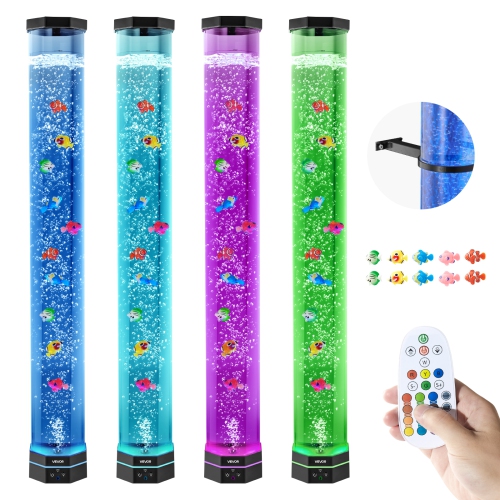
Credit: www.bestbuy.ca
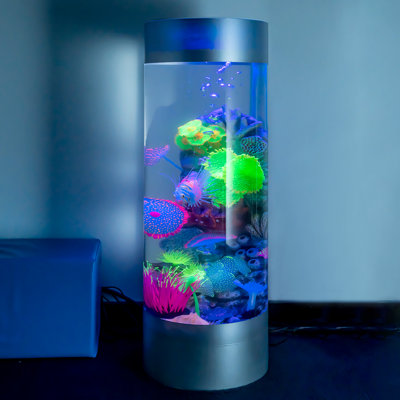
Credit: www.wayfair.ca
Frequently Asked Questions
What Type Of Lighting Reduces Fish Stress Effectively?
Soft, natural-spectrum LED lighting is best for reducing fish stress. It mimics daylight and creates a calm environment. Avoid harsh or flickering lights to prevent startling fish. Consistent light cycles also help maintain their natural rhythms.
How Does Lighting Affect Fish Behavior And Health?
Proper lighting regulates fish biological clocks and reduces stress. It influences feeding, breeding, and activity patterns. Poor lighting causes disorientation and aggression. Balanced lighting improves immunity and overall health, promoting a stable aquarium environment.
Can Dim Lighting Calm Stressed Fish?
Yes, dim lighting lowers fish stress by simulating natural dusk conditions. It reduces brightness and sudden changes that can startle fish. Using adjustable lights helps create gradual transitions, enhancing fish comfort and well-being.
How Long Should Aquarium Lights Stay On Daily?
Aquarium lights should be on for 8 to 12 hours daily. This mimics natural day length and prevents stress from overexposure. Consistent light schedules support fish health and normal behavior patterns.
Conclusion
Proper lighting helps keep fish calm and healthy. Soft, natural light mimics their home environment. Avoid bright or flashing lights that cause stress. A steady light cycle supports their natural rhythm. Watch your fish and adjust lighting as needed. Good lighting improves fish behavior and tank health.
Small changes can make a big difference. Keep lighting simple and consistent for best results. Your fish will thank you with better activity and color. Lighting truly matters in reducing fish stress.