
Are you struggling to create the perfect environment for your fish breeding tanks? Lighting plays a bigger role than you might think.
The right light can boost your fish’s health, encourage breeding, and even reduce stress. But choosing the best lighting isn’t always easy. You’ll discover simple tips and expert advice to help you pick the ideal lighting setup. Keep reading to transform your fish breeding tank into a thriving, vibrant home for your aquatic friends.
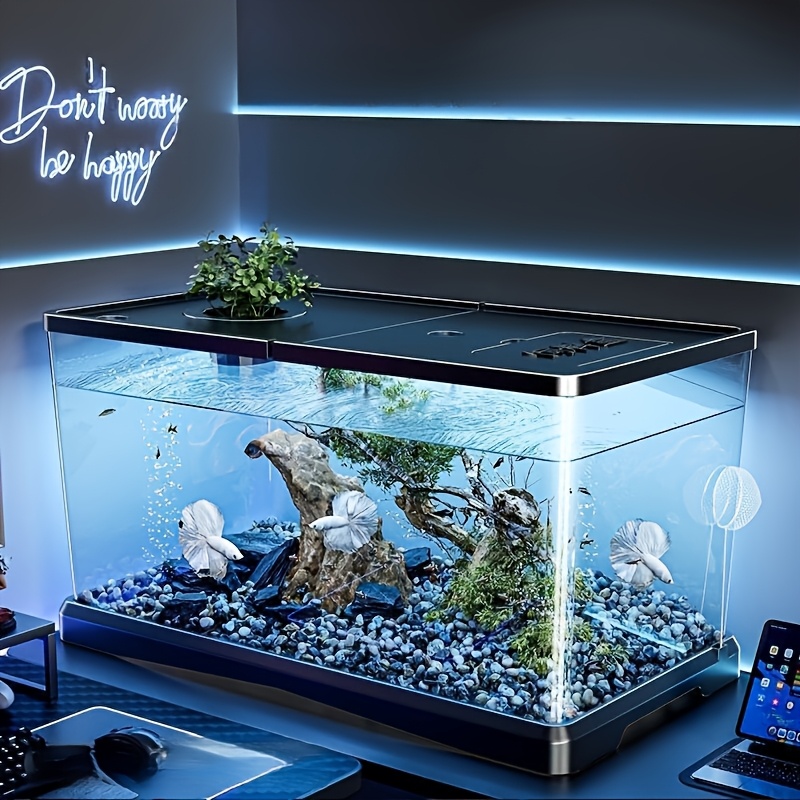
Credit: www.temu.com
Choosing The Right Light
Lighting is very important for fish breeding tanks. It helps fish feel safe and helps eggs grow. Picking the right light makes a big difference.
Different lights affect fish and plants in different ways. You need to know what kind of light works best for your tank.
Types Of Aquarium Lighting
There are many lights for fish tanks. Some are better for breeding than others. Common types include LED, fluorescent, and incandescent lights.
- LED Lights:Use less energy and last longer. They give bright, clear light.
- Fluorescent Lights:Good for plants and fish. They give soft, even light.
- Incandescent Lights:Not used much now. They use more power and make heat.
Light Intensity And Spectrum
Light intensity means how bright the light is. Fish eggs and babies need gentle light. Too bright light can stress them.
Spectrum means the colors of light. Fish and plants need certain colors to grow well. Blue and white light are good choices for breeding tanks.
- Low to medium brightness suits most breeding tanks
- Blue light helps fish relax and breed
- White light shows colors clearly and helps plants
Energy Efficiency Considerations
Energy-efficient lights save money and keep the tank cool. This is better for fish health and the environment.
LED lights use the least power and last longest. They are the best choice for energy saving and good light quality.
- LED lights lower electric bills
- Less heat reduces stress on fish
- Long lifespan means less changing and waste

Credit: www.amazon.in
Lighting Duration And Timing
Lighting is important for fish breeding tanks. It helps regulate breeding cycles and fish health.
Proper lighting duration and timing can improve breeding success. It mimics natural conditions for fish.
Optimal Photoperiods For Breeding
Photoperiod is the length of light a fish gets daily. Most fish need 10 to 14 hours of light each day.
Different fish species may require specific light periods. Research the ideal photoperiod for your fish breed.
- 10-12 hours: Suitable for most tropical fish
- 12-14 hours: Needed for some temperate fish
- 8-10 hours: Best for nocturnal species
Using Timers For Consistency
Timers help keep lighting consistent. They turn lights on and off at the same time every day.
Use timers to avoid human error. It ensures that fish have a stable environment.
- Digital timers offer precise control
- Manual timers are affordable and easy to use
- Smart timers can be controlled via apps
Effects Of Lighting On Fish Behavior
Lighting plays a key role in fish behavior inside breeding tanks. It affects how fish act, feed, and reproduce.
Understanding light patterns helps create a healthy environment for fish. This can improve breeding success and reduce problems.
Stimulating Spawning Activity
Light influences the breeding cycle of many fish species. It signals the right time to start spawning.
- Use a consistent light schedule to mimic natural day and night.
- Increase light intensity gradually to simulate sunrise.
- Provide 10 to 14 hours of light per day for most species.
- Use full-spectrum lights to support natural behaviors.
- Avoid sudden changes in lighting to prevent stress.
Reducing Stress Through Lighting
Proper lighting lowers stress levels in fish. Stress can stop fish from eating or breeding.
| Lighting Condition | Effect on Fish |
| Dim Light | Calms fish and reduces aggression |
| Bright Light | May cause hiding or stress |
| Consistent Light Cycle | Supports normal behavior and health |
| Flickering Light | Increases stress and erratic movement |
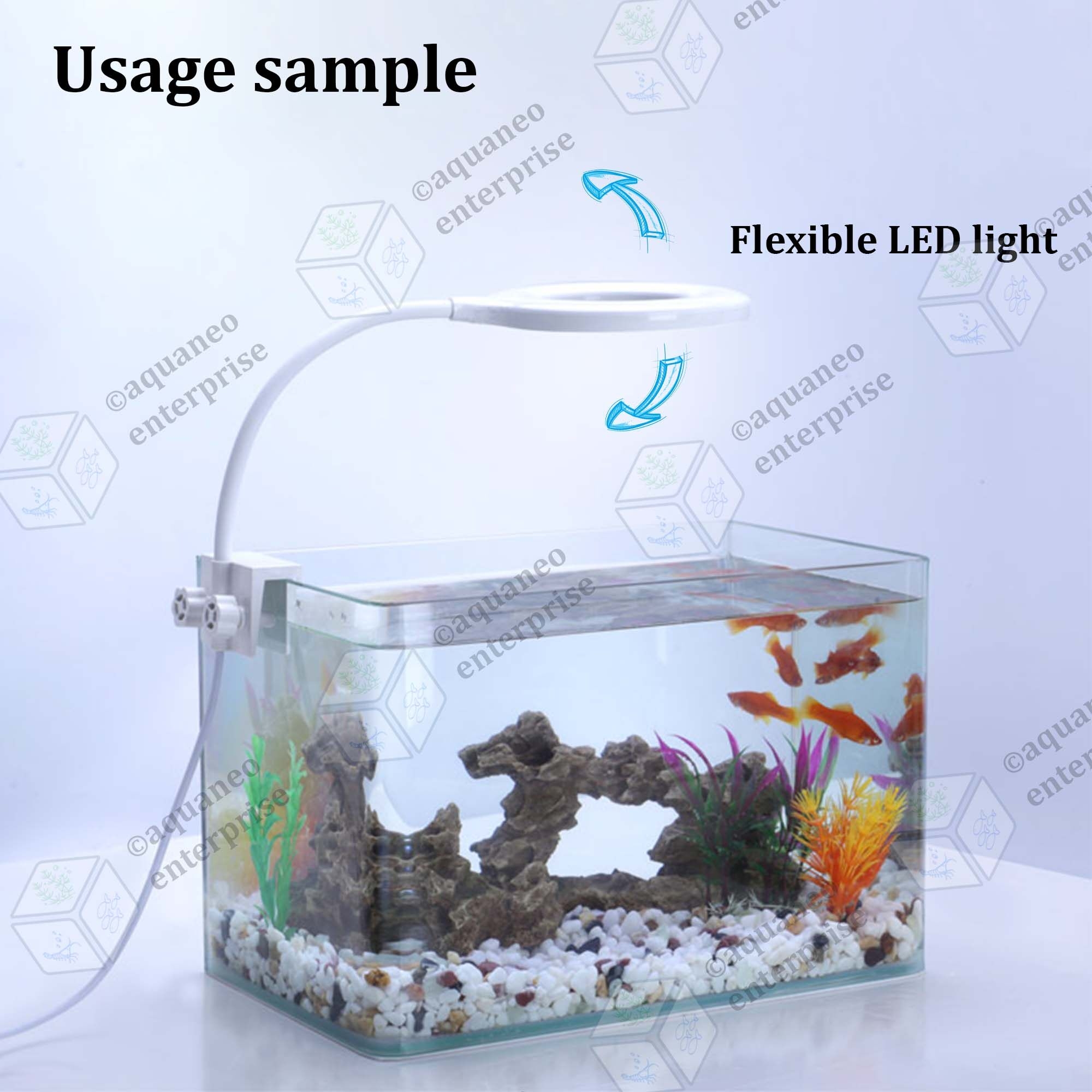
Credit: www.aquaneo2u.com
Balancing Lighting With Plant Growth
Lighting plays a big role in fish breeding tanks. It helps plants grow and keeps fish healthy.
Finding the right light balance supports both plants and fish. Too much light can cause problems.
Selecting Lights For Plant And Fish Needs
Plants need light to make food through photosynthesis. Fish also need light to see and stay active.
Choose lights that give enough brightness without stressing the fish. The light should match the plants’ needs.
- Use full-spectrum LED lights for healthy plant growth
- Keep light intensity moderate to protect fish
- Provide 8 to 10 hours of light each day
- Use timers to keep light periods consistent
- Avoid very bright lights that scare fish
Managing Algae Growth
Algae grows fast under too much light. It can harm plants and fish by using up oxygen.
Control light duration and intensity to reduce algae growth. Keep the tank clean and balanced.
- Limit light to 8-10 hours daily
- Use a light timer to avoid extra lighting
- Balance nutrients to prevent algae blooms
- Remove excess algae by cleaning the tank
- Use plants that compete with algae for nutrients
Setting Up Lighting Fixtures
Proper lighting helps fish grow and stay healthy. It also shows their colors well.
Setting up lights for breeding tanks is easy if you plan it right. This guide explains how to place and protect your lights.
Positioning And Mounting Tips
Place lights above the tank for even light spread. Avoid placing lights too close to the water.
Use adjustable mounts to change light height. Keep lights stable to prevent accidents.
- Mount lights on a frame or hood above the tank
- Keep lights 12-18 inches from water surface
- Use clamps or brackets for secure mounting
- Adjust height based on fish needs and plant growth
- Ensure light covers entire tank area
Waterproofing And Safety Measures
Choose waterproof lights made for aquarium use. Water and electricity can be dangerous if mixed.
Check that all cords and plugs are dry and away from water. Use drip loops to stop water running down cables.
- Use lights rated IP65 or higher for water resistance
- Install GFCI outlets to prevent electric shocks
- Keep power cords away from tank edges
- Turn off lights before cleaning or water changes
- Regularly inspect lights and wiring for damage
Troubleshooting Common Lighting Issues
Lighting plays a key role in fish breeding tanks. It affects fish behavior and egg development. Sometimes, lighting problems can stop breeding success.
Knowing how to find and fix lighting issues helps create a better environment. This guide shows common problems and easy fixes.
Identifying Lighting Problems
Fish may act strange if lighting is wrong. Eggs might not hatch well or fish could hide too much. Check if the light is too bright or too dim.
Look for uneven light spots or flickering bulbs. These can stress fish and reduce breeding chances. Also, check if the light timer works properly.
- Fish avoid light or stay inactive
- Eggs fail to develop or hatch
- Light flickers or changes brightness
- Uneven light across the tank
- Light stays on too long or too short
Adjustments For Better Breeding Results
Adjust the light to match fish needs. Use timers to keep a regular day and night cycle. Avoid sudden changes in brightness.
Use soft, warm light to reduce stress. Check the bulb type and replace old bulbs. Position lights so all tank areas get equal light.
- Set light on a 10-12 hour timer daily
- Use LED or fluorescent bulbs with soft light
- Replace bulbs every 6-12 months
- Place light above tank center for even spread
- Dim or lower light if fish seem stressed
Frequently Asked Questions
What Type Of Lighting Is Best For Fish Breeding Tanks?
LED lighting with adjustable intensity is ideal for breeding tanks. It mimics natural light and supports fish health and breeding behavior. Avoid harsh or overly bright lights, as they stress fish and hinder breeding success.
How Many Hours Of Light Do Breeding Fish Need?
Fish breeding tanks typically require 10 to 12 hours of light daily. This schedule simulates natural day-night cycles and encourages spawning. Consistency in lighting duration is key for successful breeding.
Can Lighting Affect Fish Breeding Success?
Yes, proper lighting triggers natural breeding behaviors and improves egg development. Incorrect lighting can stress fish and reduce breeding rates. Use soft, natural-spectrum lights to create an optimal environment.
Should I Use A Timer For Breeding Tank Lights?
Using a timer ensures consistent light cycles for breeding tanks. Consistency helps regulate fish biological rhythms and breeding patterns. Timers reduce human error and create a stable environment.
Conclusion
Proper lighting supports fish health and encourages successful breeding. Choose lights that match your fish species’ needs. Keep a regular day-night cycle to mimic natural conditions. Avoid too much brightness or darkness, as both can stress fish. Monitor water temperature, as lighting can affect it.
Good lighting helps plants grow, which benefits the fish too. Small changes in lighting can make a big difference. Watch your fish and adjust as needed. Bright tanks mean happy fish and better breeding results. Lighting is a simple step to improve your fish tank’s success.