
Are you struggling to understand how your fish behave in their environment? The right lighting can make all the difference in monitoring their movements and habits clearly.
When you use proper lighting, you not only see your fish better but also gain valuable insights into their health and mood. Imagine being able to spot changes early and respond before problems arise. Keep reading, and you’ll discover simple lighting tips that will transform the way you watch and care for your fish.
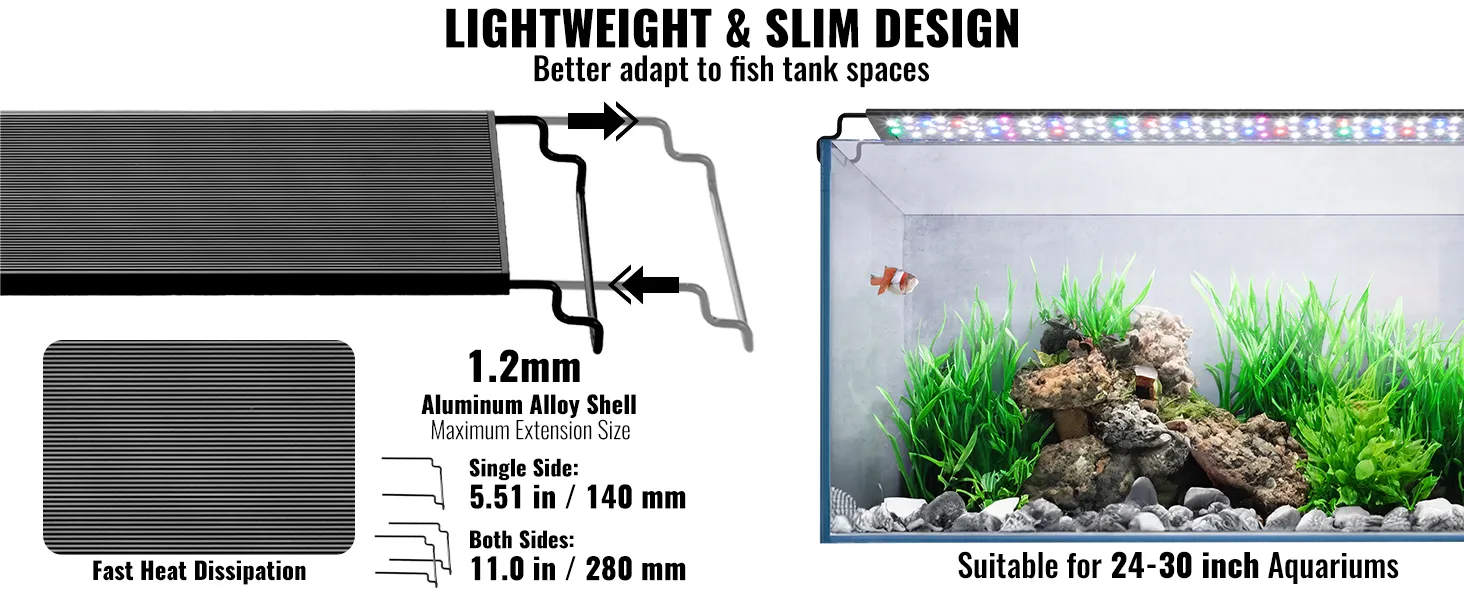
Credit: www.vevor.com
Role Of Lighting In Fish Behavior
Lighting plays a key role in how fish behave in their environment. It affects their feeding, movement, and social interactions. Understanding light helps in monitoring fish behavior effectively.
Different types of light change how fish see their surroundings. This can influence their health and activity levels. Careful control of lighting is important for accurate behavior studies.
Effects Of Light Intensity
Light intensity affects fish in many ways. Bright light can increase activity but may also cause stress. Low light can make fish less active or hide more.
- High intensity may trigger feeding and mating behaviors.
- Too much light can cause discomfort and reduce movement.
- Low intensity often leads to resting or hiding behaviors.
- Moderate light helps maintain normal activity levels.
Color Spectrum And Fish Response
Fish respond differently to various colors of light. Some colors can calm fish, while others excite them. The color spectrum influences vision and mood.
| Light Color | Fish Reaction |
| Blue | Calms and reduces stress |
| Red | Increases activity and alertness |
| Green | Neutral effect, good for general viewing |
| White | Simulates natural daylight |
Natural Vs Artificial Lighting
Natural light changes throughout the day and affects fish behavior naturally. Artificial light can be controlled but may not fully mimic natural conditions.
Key differences include:
- Natural light varies in intensity and color during the day.
- Artificial light allows precise control of timing and brightness.
- Fish may react differently to artificial light if it lacks natural cues.
- Combining both can help create better monitoring environments.

Credit: www.reddit.com
Types Of Lighting Systems
Lighting plays a key role in fish behavior monitoring. The right lighting helps observe fish clearly. Different lighting systems offer unique features for this task.
Choosing suitable lighting depends on the environment and the type of fish. Let’s explore common lighting types used for monitoring fish behavior.
Led Lighting Advantages
LED lights use less power and last longer than other lights. They give bright, clear light that helps see fish movements well.
- Energy-efficient and cost-saving
- Long lifespan reduces maintenance
- Produces less heat, safe for fish tanks
- Can change color to match different needs
- Instant on and off without delay
Fluorescent Lighting Features
Fluorescent lights are common in fish monitoring setups. They spread light evenly and are easy to install.
| Feature | Description |
| Light Quality | Soft and even illumination |
| Energy Use | Moderate consumption |
| Heat Output | Low to moderate heat |
| Lifespan | Shorter than LED |
| Cost | Usually less expensive upfront |
Innovative Lighting Technologies
New lighting technologies improve how we monitor fish. Smart systems can adjust light based on fish activity.
- Automated dimming for day and night cycles
- Remote control via apps for quick changes
- Multi-spectrum lighting to mimic natural habitat
- Integration with sensors for real-time feedback
Optimizing Lighting For Monitoring
Proper lighting helps observe fish behavior clearly. It supports research and care.
Setting up the right light reduces errors in monitoring and keeps fish safe.
Positioning And Angles
Place lights to avoid glare and shadows on fish tanks. Use angles that show fish movements well.
- Use side lighting to reduce reflections
- Adjust light height for clear views
- Avoid shining lights directly into fish eyes
- Test different angles for best visibility
Timing And Duration
Control light times to match natural fish cycles. Use timers to keep lighting consistent.
| Lighting Period | Effect on Fish |
| Short (2-4 hours) | Minimal disturbance, less stress |
| Moderate (6-8 hours) | Good for active monitoring |
| Long (10+ hours) | May cause fatigue and stress |
Minimizing Stress On Fish
Choose light colors and brightness that fish tolerate. Avoid sudden changes in light.
- Use blue or dim white lights for calmness
- Fade lights in and out slowly
- Keep light levels low during rest periods
- Observe fish for signs of stress
Impact On Data Accuracy
Lighting plays a crucial role in fish behavior monitoring. It affects how well cameras capture fish actions. Good lighting helps collect accurate data.
Poor lighting can cause errors in monitoring. Shadows, glare, and changing light can hide details. This leads to wrong conclusions about fish behavior.
Reducing Shadows And Glare
Shadows and glare make it hard to see fish clearly. They create dark spots or bright flashes on images. This can confuse tracking software or observers.
Using soft, even lighting reduces shadows and glare. Position lights to cover all areas without harsh angles. This helps cameras capture clear images.
- Use diffused light sources to soften shadows
- Avoid direct light facing the camera lens
- Place lights at multiple angles for even coverage
- Check for reflective surfaces that cause glare
Enhancing Image Clarity
Clear images show fish movements and features better. Good lighting improves contrast and color accuracy. This helps identify fish behavior more precisely.
Bright, balanced lighting highlights details in fish texture and motion. It reduces noise and blur in video recordings. This leads to higher quality data.
- Choose lights with color temperatures that match natural water
- Keep light intensity steady to avoid flickering
- Use lighting that enhances fish colors without distortion
Consistency In Lighting Conditions
Consistent lighting prevents false changes in fish behavior data. If lighting changes, it may look like fish moved differently. Stable light helps compare data over time.
Keep lighting conditions the same during all monitoring sessions. This creates reliable results and reduces errors. Regular checks ensure lighting stays consistent.
- Use timers to control light schedules
- Maintain equipment to avoid light dimming
- Document lighting setup for repeatability
Insights Gained Through Improved Lighting
Lighting plays a crucial role in monitoring fish behavior. Improved lighting reveals many new insights. It helps understand fish better in their natural habitat.
With better lighting, researchers can see fish movements clearly. It helps in studying their habits, health, and interactions.
Behavioral Pattern Recognition
Fish behavior becomes clearer with good lighting. Scientists observe how fish swim, eat, and rest. Patterns in these actions tell us about their daily routines.
Recognizing these patterns helps in identifying changes. Changes can signal environmental shifts or stress in fish.
Health And Stress Indicators
Improved lighting shows details like color and fin movement. These details help in spotting health issues early. Healthy fish display vibrant colors and active fins.
Stress in fish can be observed through erratic movements. Lighting helps in detecting these signs quickly.
Breeding And Social Interaction Studies
Lighting helps in studying fish breeding behaviors. It reveals how fish interact during mating times. Social interactions are more visible under better lighting.
Fish often form groups or pairs. Lighting makes it easier to study these social bonds.
- Fish gather in schools for protection.
- Mating dances can be observed in detail.
- Lighting highlights social hierarchy among fish.

Credit: www.amazon.com
Challenges And Solutions
Lighting plays a key role in watching how fish behave. Good lighting helps see fish clearly and study their actions well.
There are some challenges in lighting fish tanks or natural water. These challenges need smart solutions to work properly.
Dealing With Water Turbidity
Water turbidity means water looks cloudy or dirty. Cloudy water makes it hard to see fish clearly.
Using bright lights or special filters can help reduce the effect of turbidity. Lights with specific colors can also improve visibility.
- Use LED lights with high brightness
- Apply filters to remove unwanted light reflection
- Choose light colors that pass well through murky water
Energy Efficiency Concerns
Lighting can use a lot of power. This can raise costs and harm the environment.
Using energy-saving lights like LEDs helps lower power use. Timers and sensors can switch lights off when not needed.
- Choose LED lighting for less power use
- Install motion sensors to control light timing
- Use dimmers to adjust light strength
Cost Vs Benefit Analysis
Good lighting can cost more at first. But it improves the quality of fish behavior study.
It is important to balance the cost of lighting with the benefits it gives in research and observation.
| Cost Factors | Benefits |
|---|---|
| Initial price of lights | Clearer fish behavior data |
| Electricity use | Long-term energy savings |
| Maintenance and replacement | Reliable and consistent lighting |
Frequently Asked Questions
What Is The Best Lighting For Fish Behavior Monitoring?
Natural light or full-spectrum LED lighting is best for fish behavior monitoring. It mimics natural conditions and reduces stress, allowing accurate observation of fish movements and interactions.
How Does Lighting Affect Fish Behavior Observation?
Lighting influences fish activity levels and visibility. Proper lighting enhances behavioral patterns, feeding habits, and social interactions, making monitoring more precise and less intrusive for fish.
Can Artificial Light Disturb Fish Behavior Monitoring?
Yes, overly bright or unnatural light can stress fish, altering their natural behavior. Use adjustable, dimmable lights with appropriate wavelengths to minimize disturbance and improve monitoring accuracy.
Why Use Led Lights For Fish Monitoring Tanks?
LED lights consume less energy, produce less heat, and offer customizable wavelengths. They provide consistent illumination, enhancing fish visibility without harming their natural behavior or water quality.
Conclusion
Proper lighting helps observe fish behavior clearly and safely. It supports natural fish activity and reduces stress. Brightness and color affect how fish act and interact. Choosing the right light improves monitoring results and data accuracy. Light setups must suit the fish species and tank environment.
Good lighting makes it easier to study fish habits daily. This simple step can enhance research and aquarium care.