
Are you struggling to give your fast-growing plants the light they need to thrive? The right lighting can make all the difference in how quickly and healthily your plants grow.
Without it, even the fastest growers can slow down or become weak. You’ll discover simple, effective ways to provide your plants with the perfect light. Keep reading, and you’ll unlock the secrets to boosting your plants’ growth and enjoying a lush, vibrant garden in no time.

Credit: www.amazon.ca
Types Of Grow Lights
Grow lights help plants grow indoors by giving them light that they need. Different types of grow lights work in different ways. It is important to know the types to choose the right one for your plants.
Plants need light for photosynthesis. Some lights use less energy while others give more brightness. Each type has its benefits and limits. Let’s look at the main types of grow lights.
Led Lights
LED lights use light-emitting diodes to give off light. They are energy efficient and last a long time. Many growers like LED lights because they produce little heat. This means less chance of burning the plants.
LED lights can be made to give specific colors of light. Plants use red and blue light the most. By using these colors, LED grow lights can help plants grow faster and healthier.
Fluorescent Lights
Fluorescent lights use electricity to excite mercury vapor inside the tube. This produces ultraviolet light that makes the phosphor coating glow. These lights are cool and good for seedlings and small plants.
- Use less energy than incandescent lights
- Produce less heat
- Good for low-light plants
- Affordable and easy to find
High-intensity Discharge Lights
These lights produce very bright light. They use a high amount of electricity and get very hot. There are two main types: Metal Halide and High-Pressure Sodium. Metal Halide is good for growing leaves. High-Pressure Sodium helps with flowering.
| Type | Best Use | Heat Level | Energy Use |
| Metal Halide | Leaf growth | High | High |
| High-Pressure Sodium | Flowering | High | High |
Incandescent Lights
Incandescent lights are the old style bulbs. They make light by heating a metal wire. These lights use a lot of electricity and produce much heat. They are not very good for growing plants but can be used for small setups.
Incandescent light facts:
- Short life span
- High energy use
- Produces a lot of heat
- Cheap but not efficient for plants
Light Spectrum And Plant Growth
Plants need light to grow. The light spectrum affects how fast and healthy plants develop. Different colors of light have different effects on plants.
Understanding the light spectrum helps to choose the best lighting for fast-growing plants. This guide covers blue light, red light, and full spectrum lighting.
Blue Light Effects
Blue light helps plants grow strong stems and healthy leaves. It also regulates the opening of stomata, which controls water loss.
- Promotes leaf growth
- Supports strong stem development
- Improves plant shape and structure
Red Light Benefits
Red light is important for flowering and fruit production. It helps plants to bloom and produce seeds faster.
| Red Light Effect | Benefit for Plants |
| Flowering | Speeds up bloom time |
| Fruit Production | Increases yield |
| Seed Germination | Improves success rate |
Full Spectrum Advantages
Full spectrum light contains all colors of light. It mimics natural sunlight and supports all stages of plant growth.
Full spectrum lighting benefits:
- Enhances photosynthesis
- Improves overall plant health
- Supports growth from seedling to harvest
- Reduces plant stress
Choosing The Right Light Intensity
Light intensity is vital for fast-growing plants. It affects their health and speed of growth. Choosing the right amount of light helps plants thrive indoors or in controlled environments.
Too little light slows growth. Too much light can stress plants. Measuring and adjusting light intensity keeps your plants in balance.
Measuring Light Intensity
You can measure light intensity with a tool called a PAR meter. It shows the amount of usable light plants receive. Another way is to use a smartphone app, but it may be less accurate.
- Use a PAR meter to get exact readings.
- Measure light at plant height for best results.
- Check light during different times of the day.
- Compare readings to recommended levels for your plant type.
Adjusting For Different Growth Stages
Plants need different light intensities at each growth stage. Seedlings require less light to avoid damage. Vegetative growth needs more light for leaf and stem development. Flowering and fruiting stages demand the highest light intensity.
| Growth Stage | Recommended Light Intensity (PPFD) |
| Seedling | 100 – 250 µmol/m²/s |
| Vegetative | 400 – 600 µmol/m²/s |
| Flowering/Fruiting | 600 – 900 µmol/m²/s |
Optimal Light Duration
Light duration is key for plant growth. Proper timing helps plants grow strong and healthy. It affects how plants produce food and flower.
Knowing the right amount of light can boost plant growth. This guide helps you understand the light needs for different growth stages.
Photoperiod For Vegetative Stage
In the vegetative stage, plants need more light. This helps them grow leaves and stems. The right photoperiod is important for this stage.
- 18 hours of light per day is ideal
- 6 hours of darkness for rest
- Use LED lights for energy efficiency
Light Cycles For Flowering Stage
During flowering, plants need less light. This change signals them to produce flowers. Adjusting the light cycle is crucial in this stage.
| Light Duration | Dark Duration |
| 12 hours | 12 hours |
| 10 hours | 14 hours |
Positioning And Distance Of Lights
Lighting is very important for fast-growing plants. The position and distance of lights affect plant health and growth.
Placing lights too close or too far can slow growth or cause damage. Finding the right spot is key for strong plants.
Preventing Light Burn
Light burn happens when plants get too much light or heat. This can make leaves turn yellow or brown.
Keep lights at a safe distance to avoid burning. Different lights need different distances based on their strength.
- Use a ruler or meter to measure the distance
- Check plant leaves often for signs of burn
- Adjust the light height as plants grow taller
- Follow manufacturer guidelines for each light type
Maximizing Light Coverage
Plants need even light to grow well. Position lights to cover all parts of the plant.
Use reflectors or multiple lights to spread light evenly. Move lights as plants grow to keep good coverage.
- Place lights above the center of the plant group
- Use wide-angle bulbs or LED panels for broad light
- Adjust light angles to reduce shadows
- Keep light sources stable and secure
Energy Efficiency And Cost
Lighting is crucial for growing plants indoors. It affects both plant health and your wallet. Choosing the right lighting can save energy and reduce costs.
Let’s explore how different lighting solutions compare. We will look at energy consumption and budget-friendly options. This will help you make an informed decision.
Comparing Energy Consumption
Different lights use energy in various ways. Some are more efficient than others. Understanding these differences is key to saving energy.
| Lighting Type | Watts Used |
| LED | 20 |
| Fluorescent | 40 |
| Incandescent | 60 |
Budget-friendly Lighting Solutions
Finding cost-effective lighting can be easy. Some options help you save money while providing adequate light for your plants.
- LED lights are long-lasting and energy-efficient.
- Fluorescent lights offer good light at a moderate cost.
- Consider using timers to reduce energy use.
Tips For Indoor Lighting Setup
Lighting is key for fast-growing plants indoors. Good light helps plants grow strong and healthy.
Setting up the right lighting takes planning. You must think about reflectors and safety.
Reflectors And Light Movers
Reflectors help spread light evenly over your plants. They make sure no light is wasted.
- Use shiny materials like aluminum for reflectors
- Place reflectors around lights to focus light on plants
- Light movers slowly move lights to cover more area
- Light movers reduce hot spots and help plants grow evenly
- Choose reflectors and movers based on your grow space size
Safety Precautions
Safety is important with indoor lighting. Lights can get hot and cause fires if not handled well.
| Safety Tip | Description |
| Keep lights away from flammable items | Prevent fire hazards by maintaining space |
| Use timers to control light duration | Avoid overheating and stress on plants |
| Check wiring and plugs regularly | Prevent electrical shorts and shocks |
| Install smoke detectors near grow area | Early warning in case of fire |
| Wear gloves when adjusting lights | Protect skin from heat and electrical parts |

Credit: www.amazon.ca
Common Lighting Mistakes
Lighting is a key factor for fast-growing plants. Many gardeners make simple errors that slow plant growth or cause damage.
Understanding common lighting mistakes can help you provide the right light for your plants. This guide covers major issues to avoid.
Overexposure Risks
Too much light can harm plants just as little light can. Overexposure causes leaves to burn and dry out quickly.
- Leaves turn brown or develop white spots.
- Plant growth slows due to stress.
- Excessive heat from lights can dry soil fast.
- Plants may wilt even if soil is moist.
Use timers or adjustable lights to control exposure time. Keep lights at a safe distance from plant tops.
Insufficient Light Issues
Plants need enough light to make food and grow fast. Too little light causes weak stems and pale leaves.
| Symptom | Cause | Solution |
| Leggy plants | Light too weak or far away | Move lights closer or add stronger bulbs |
| Slow growth | Not enough daily light hours | Increase light time to at least 12-16 hours |
| Yellow leaves | Light too dim | Use full-spectrum grow lights |
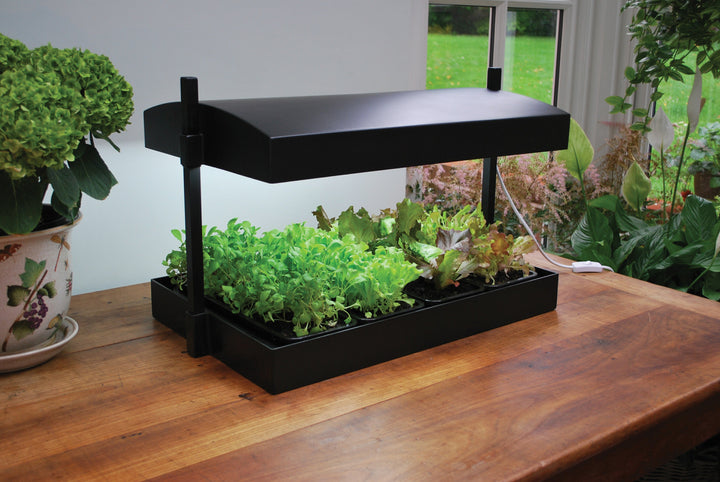
Credit: www.harrisseeds.com
Frequently Asked Questions
What Type Of Light Is Best For Fast-growing Plants?
LED grow lights with a full spectrum are ideal. They provide necessary wavelengths for photosynthesis. These lights enhance plant growth efficiently and save energy.
How Many Hours Of Light Do Fast-growing Plants Need?
Most fast-growing plants require 12 to 16 hours of light daily. Consistent light cycles promote healthy growth and development. Avoid overexposure to prevent stress.
Can Natural Sunlight Support Fast-growing Plants Indoors?
Yes, placing plants near south-facing windows provides ample sunlight. Natural light supports photosynthesis and boosts growth. Supplemental artificial lighting may be needed in low-light areas.
What Distance Should Grow Lights Be From Plants?
Keep grow lights 12 to 24 inches above plants. This distance prevents leaf burn and ensures optimal light exposure. Adjust height as plants grow for best results.
Conclusion
Choosing the right light helps fast-growing plants thrive well. Plants need enough light every day to grow strong. Using proper lighting saves time and improves plant health. Bright, consistent light encourages healthy leaves and stems. Watch your plants often to adjust light as needed.
Good lighting makes your garden more successful and fun. Keep learning and trying different lights for best results. Healthy plants bring joy and fresh air inside your home. Lighting matters—give your plants the light they deserve.