
Have you ever noticed how the right lighting can instantly boost your mood and energy during the day? Lighting for daytime activity simulation is not just about brightness; it’s about creating the perfect environment that keeps you alert, focused, and motivated.
Whether you work from home, exercise indoors, or simply want to feel more awake, the way your space is lit can make a huge difference. You’ll discover simple yet powerful lighting tips that mimic natural daylight and transform your daily routine.
Ready to feel more energized and productive? Keep reading to unlock the secrets behind perfect daytime lighting.
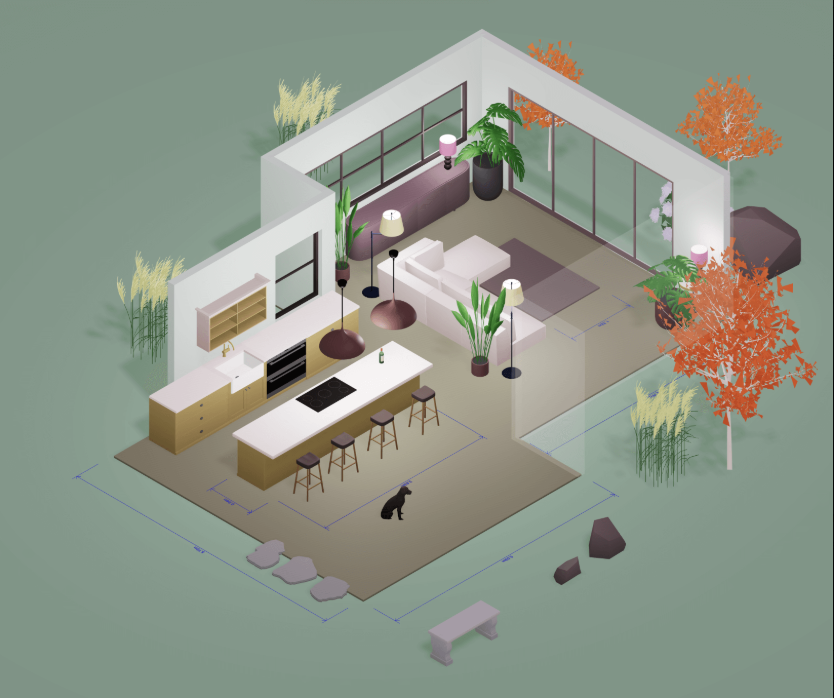
Credit: arcadium3d.com
Benefits Of Daytime Light Simulation
Daytime light simulation uses lighting to mimic natural daylight. It helps create a bright and refreshing environment indoors.
This type of lighting supports our body and mind in many ways throughout the day.
Enhancing Energy Levels
Bright light during the day can boost your energy. It helps reduce feelings of tiredness and sleepiness.
- Increases alertness
- Reduces midday fatigue
- Supports physical activity
- Improves mood and motivation
Improving Focus And Productivity
Daytime light helps your brain stay sharp. It improves concentration and helps you finish tasks faster.
| Benefit | Effect |
| Reading | Better comprehension |
| Work | Higher output |
| Learning | Improved memory |
| Creative Tasks | Enhanced thinking |
Supporting Natural Circadian Rhythms
Light signals help your body know when to be awake or sleepy. Daytime light simulation supports your internal clock.
- Regulates sleep and wake cycles
- Improves sleep quality at night
- Helps balance hormone levels
- Reduces risk of sleep disorders
Credit: solarlits.com
Types Of Lighting For Simulation
Lighting plays a key role in daytime activity simulation. Different types of lights create various effects. Choosing the right light helps mimic natural daylight well.
This guide covers three main types of lighting. Each has unique features and uses for simulation purposes.
Full Spectrum Lights
Full spectrum lights provide a broad range of colors. They include all visible wavelengths similar to natural sunlight. These lights help improve mood and focus during daytime simulation.
- Emit light close to natural sunlight
- Support visual clarity and color recognition
- Useful in offices and classrooms
- Help regulate circadian rhythms
Cool White Leds
Cool white LEDs produce a bright and clean light. They have a color temperature of about 4000 to 5000 Kelvin. This light type is energy-efficient and long-lasting.
| Feature | Description |
|---|---|
| Color Temperature | 4000K to 5000K |
| Energy Use | Low consumption |
| Lifespan | Up to 50,000 hours |
| Best Use | Workspaces and simulation rooms |
Natural Light Mimicking Bulbs
These bulbs imitate the changing light of the sun during the day. They adjust brightness and color to match natural daylight patterns. This helps users feel more awake and alert.
Benefits of Natural Light Mimicking Bulbs:
- Dynamic light changes through the day
- Supports healthy sleep cycles
- Reduces eye strain
- Enhances comfort in indoor spaces
Designing Your Space
Lighting plays a key role in making your space good for daytime activities.
Proper design helps balance brightness and comfort for a healthy environment.
Optimal Light Placement
Place lights where you do most of your daytime tasks. Avoid shadows and glare.
- Put lights above work desks or reading areas
- Use adjustable lamps to direct light where needed
- Keep light sources away from screens to reduce reflections
- Consider ceiling lights for even room brightness
Balancing Brightness And Comfort
Too much light can cause eye strain. Too little light lowers focus and mood.
| Brightness Level | Recommended Use | Effect |
| 300-500 lux | General living areas | Comfortable and soft light |
| 500-750 lux | Work and study spaces | Clear and focused light |
| 750-1000 lux | Detailed tasks | Bright and sharp light |
Combining Artificial And Natural Light
Use natural light to save energy and boost mood. Add artificial light to fill dark spots.
Tips for mixing light sources:
- Keep windows clear to let in daylight
- Use sheer curtains to soften sunlight
- Install dimmable lights for easy adjustment
- Match light color temperature for a uniform look
Timing And Duration
Lighting plays a key role in daytime activity simulation. It helps set our body clock and mood. Using light at the right time and for the right duration is important.
This guide explains the best times for light exposure and how long to use it. It also covers how to avoid too much light.
Best Times For Light Exposure
Morning light exposure is the most effective for waking up and boosting alertness. Midday light helps maintain energy levels during the day. Evening light should be limited to avoid disturbing sleep.
- Expose yourself to bright light within an hour of waking.
- Use strong light around noon to support focus.
- Dim lights at least one hour before bedtime.
Recommended Daily Duration
Most people benefit from 20 to 30 minutes of bright light exposure daily. This helps regulate the internal clock and improve mood. Longer exposure may be needed in low-light seasons.
| Duration | Effect |
| 10-15 minutes | Light boost for short tasks |
| 20-30 minutes | Optimal for daily circadian support |
| 45-60 minutes | Used for stronger adjustment needs |
Avoiding Overexposure
Too much light can cause headaches and trouble sleeping. It is important to stop light therapy if you feel discomfort. Avoid bright light in the late evening.
- Limit light sessions to recommended times.
- Use dimmer settings in the afternoon and evening.
- Take breaks from light exposure during the day.
- Consult a doctor if you have eye sensitivity.
Technology And Tools
Lighting for daytime activity simulation uses special tools to mimic natural light. This helps improve mood and focus indoors.
Modern technology offers various devices to create light that supports our body’s natural rhythms.
Smart Lighting Systems
Smart lighting systems adjust brightness and color automatically. They match the natural daylight cycle to support energy and alertness.
These systems use sensors and timers to change light throughout the day. Users can control them with apps or voice commands.
- Automatic brightness and color changes
- Energy-saving features
- Remote control via apps or voice
- Integration with home automation
Light Therapy Devices
Light therapy devices use bright light to simulate sunlight. They help reduce symptoms of seasonal affective disorder and improve mood.
These devices come in many forms, such as lamps and light boxes. People use them for specific times to boost energy during the day.
- Bright, full-spectrum light
- Portable lamps and boxes
- Timed sessions for best effect
- Used for mood and sleep support
Wearable Light Gadgets
Wearable light gadgets deliver light close to the eyes. They are small and easy to carry for use anytime.
These devices help regulate the body clock and improve alertness while on the move. They are useful for shift workers and travelers.
- Light glasses and visors
- Portable and lightweight
- Supports circadian rhythm
- Useful during travel or shifts
Tips For Maximizing Effectiveness
Lighting for daytime activity simulation is a technique used to enhance productivity and overall well-being. By mimicking natural daylight, individuals can experience improved mood, energy levels, and focus.
Consistency And Routine
Establishing a consistent daily routine is crucial for maximizing the effectiveness of lighting for daytime activity simulation. Set a schedule that includes regular exposure to bright light, ideally during the morning hours, to help regulate your circadian rhythms.
- Wake up with a 10-15 minute exposure to bright light
- Take a 30-minute break every hour to stretch and move around
- Gradually increase light intensity throughout the day
Integrating With Breaks And Movement
Moving around and taking regular breaks is essential for maintaining focus and reducing eye strain. When incorporating lighting for daytime activity simulation, ensure that you’re also taking advantage of these breaks to stretch, move around, and refresh your eyes.
Try to incorporate physical activity into your breaks, such as jumping jacks, stretching, or a short walk. This will help increase blood flow and oxygenation to your brain, further enhancing the benefits of lighting for daytime activity simulation.
Monitoring Personal Response
Pay attention to how your body and mind respond to lighting for daytime activity simulation. If you’re feeling fatigued or experiencing headaches, it may be a sign that the light intensity is too high or that you’re not taking regular breaks.
- Track your energy levels and focus throughout the day
- Adjust light intensity based on your personal response
- Experiment with different lighting schedules and routines
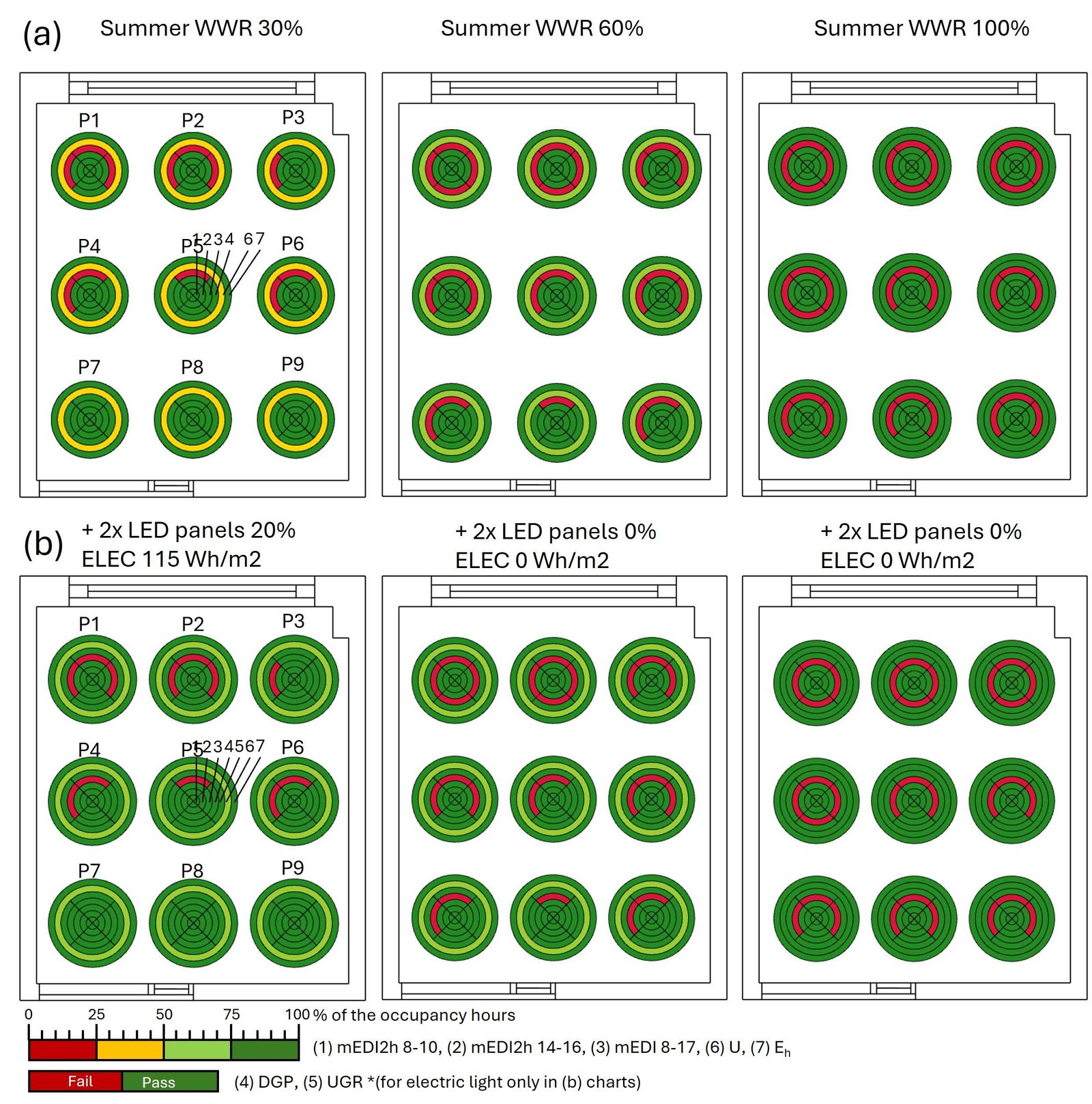
Credit: www.researchgate.net
Frequently Asked Questions
What Is Daytime Activity Simulation Lighting?
Daytime activity simulation lighting mimics natural daylight indoors. It enhances alertness, mood, and productivity by replicating sunlight’s intensity and color temperature. This lighting supports circadian rhythms and improves overall well-being in environments lacking natural light.
How Does Lighting Affect Daytime Activity?
Lighting influences energy levels and focus by regulating the body’s internal clock. Proper lighting boosts concentration, reduces fatigue, and increases motivation during daytime tasks. It creates a more comfortable and stimulating environment for work or leisure activities.
What Are The Best Bulbs For Daytime Simulation?
LED bulbs with a color temperature of 5000K to 6500K are ideal. They closely imitate natural daylight and provide bright, cool light. Choose bulbs with high CRI (Color Rendering Index) for accurate color perception and improved visual comfort.
Can Daytime Lighting Improve Mental Health?
Yes, daylight simulation lighting positively impacts mood and reduces stress. It helps regulate sleep patterns and alleviates symptoms of Seasonal Affective Disorder (SAD). Consistent exposure to proper lighting supports overall mental well-being.
Conclusion
Good lighting helps create a natural daytime feel indoors. It boosts mood and focus during daily tasks. Using the right light colors and brightness matters a lot. Bright, cool lights mimic daylight best. They keep energy up and reduce tiredness.
Choosing the right bulbs and placement improves the effect. Try to balance light to avoid glare or shadows. Proper lighting makes your space feel fresh and lively. Simple changes can bring big benefits to your daily routine. Keep experimenting to find what works best for you.