
If you have Corydoras catfish in your tank, you know how important it is to create the perfect environment for them. One key factor that often gets overlooked is lighting.
The right lighting can make your Corydoras feel safe, encourage natural behavior, and even enhance their beautiful colors. But too much or too little light can stress your fish and harm their health. You’ll discover exactly how to choose and set up lighting that keeps your Corydoras happy and thriving.
Keep reading to learn simple tips that will transform your tank and make your catfish truly shine.
Ideal Light Conditions
Lighting is important for Corydoras catfish tanks. Good light helps fish stay healthy and show their colors.
Too much or too little light can stress the fish. It can also affect plants and algae growth in the tank.
Light Intensity Needs
Corydoras catfish prefer low to moderate light. Bright light can make them hide more often.
Use soft lighting to mimic their natural habitat. Avoid direct strong lights that shine too brightly.
- Low to medium light intensity
- Soft, diffused lighting works best
- Avoid harsh or direct bright lights
Best Light Spectrum
Light with a natural color spectrum is best. It shows the true colors of Corydoras catfish well.
Use full spectrum or daylight bulbs in the range of 5000K to 7000K. These bulbs support plant growth too.
- Full spectrum or daylight bulbs
- Color temperature around 5000K to 7000K
- Supports both fish and plants
Duration Of Lighting
Keep the lights on for about 8 to 10 hours a day. This matches natural daylight length for most fish.
Too long lighting can cause algae growth. Too short can make fish less active and plants weak.
- 8 to 10 hours of light daily
- Use a timer for consistent lighting
- Turn off lights at night to mimic darkness
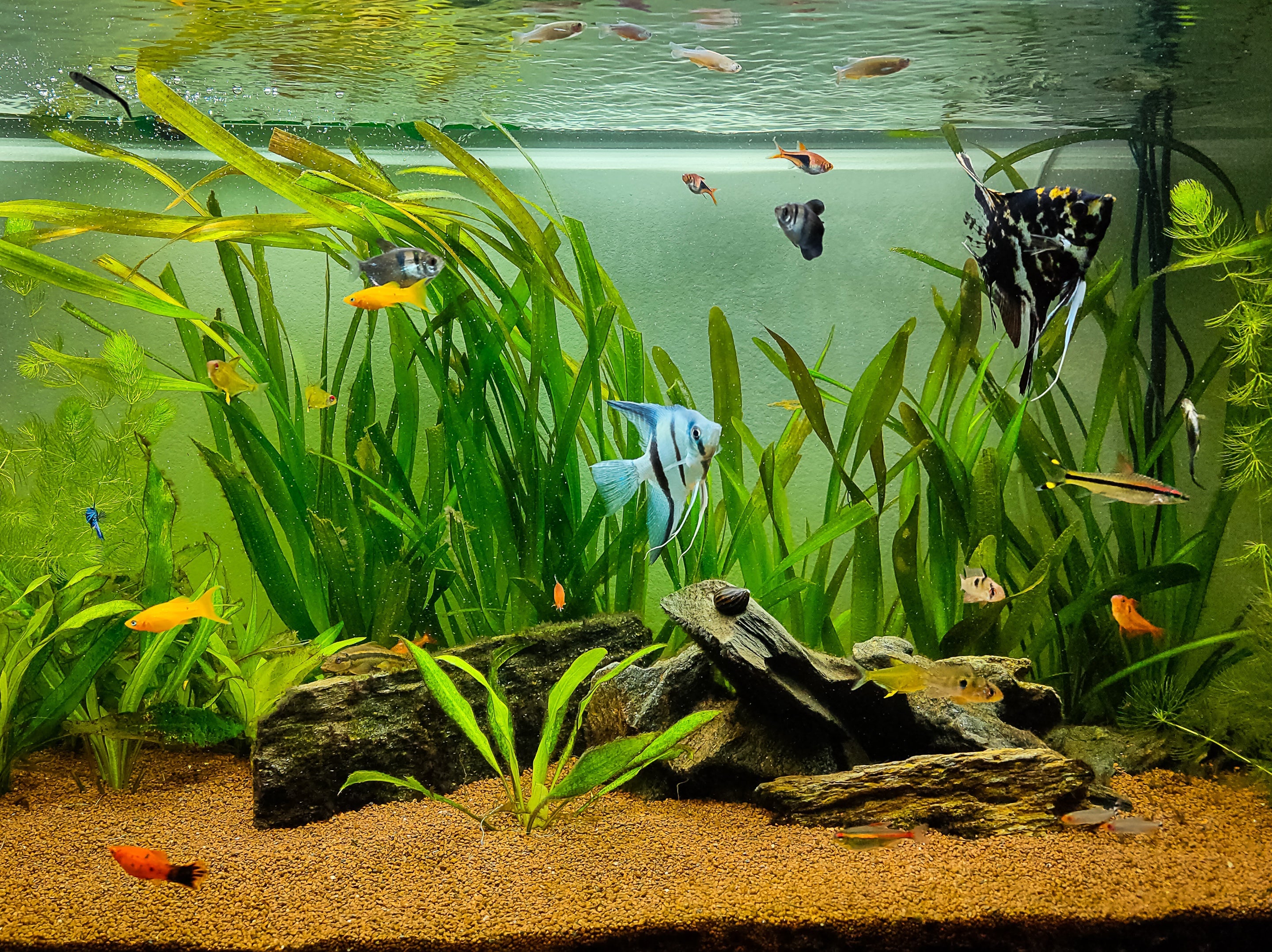
Credit: splashyfishstore.com
Types Of Aquarium Lighting
Lighting plays a key role in maintaining a healthy tank for Corydoras catfish. It affects their behavior and tank plants. Choosing the right light type helps keep the aquarium balanced.
This guide explains common lighting types used in Corydoras tanks. It covers LED lights, fluorescent lamps, and natural light options.
Led Lights
LED lights are popular for aquariums due to their energy efficiency. They produce little heat and last a long time. LEDs offer different color options, which can enhance the tank’s look.
- Use low to moderate brightness for Corydoras tanks
- Choose LED lights with adjustable settings
- Ensure the light spectrum supports plant growth if plants are present
- Avoid very intense lighting to reduce fish stress
Fluorescent Lamps
Fluorescent lamps provide bright and even lighting. They are less expensive than LEDs but use more power. These lights produce moderate heat and may need replacement every year or two.
| Feature | Fluorescent Lamps | LED Lights |
| Energy Use | Higher | Lower |
| Lifespan | 1–2 years | 5+ years |
| Heat Output | Moderate | Low |
| Cost | Lower upfront | Higher upfront |
Natural Light Considerations
Natural light can enter the aquarium if placed near a window. It helps plants grow but can cause algae problems. The light changes during the day and may not be steady enough for fish needs.
Tips for using natural light:
- Place the tank away from direct sunlight
- Use curtains or blinds to control light intensity
- Combine natural light with artificial lighting for best results
- Watch for algae growth and clean regularly
Effects Of Lighting On Corydoras
Lighting plays an important role in a Corydoras catfish tank. It affects how these fish behave and look. Proper lighting helps create a natural environment.
Choosing the right light can improve the health and mood of your Corydoras. It also shows their colors better and reduces stress.
Behavioral Impact
Corydoras catfish are shy and like dim lighting. Bright lights can make them hide more often. Soft lighting helps them explore and swim freely.
Using a light with a timer helps keep their daily rhythm. This makes their activity more natural and balanced.
- Dim light encourages normal swimming
- Bright light causes hiding and stress
- Consistent light cycle keeps fish active
Color Enhancement
Lighting can make Corydoras colors more visible. Warm white or natural daylight bulbs show their patterns well. This helps you enjoy their beauty.
Blue or red lights can change how colors look but may not be natural. Choose lights that bring out true colors without being too bright.
- Natural light bulbs improve color clarity
- Warm tones highlight orange and brown shades
- Cool tones may dull colors
Stress Reduction
Corydoras feel less stressed with soft, indirect lighting. Too much light causes anxiety and hiding. Gentle light helps them feel safe and calm.
Adding plants or decorations to block direct light creates shaded spots. This gives Corydoras places to rest and lowers stress levels.
- Use dim lighting to reduce stress
- Provide shaded areas in the tank
- Keep light on a regular schedule

Credit: www.aquariumsource.com
Balancing Light And Plants
Lighting plays a big role in keeping Corydoras catfish tanks healthy. Plants need light to grow well. At the same time, too much light can harm the tank.
Finding the right balance helps plants thrive and keeps fish happy. It also stops algae from growing too much.
Choosing Compatible Plants
Pick plants that grow well with Corydoras catfish. These fish like gentle water and soft light. Some plants need less light and are easier to care for.
Good plants provide hiding spots and improve water quality. Choose plants that do not need strong light to avoid stressing the fish.
- Java Fern
- Anubias
- Mosses like Java Moss
- Cryptocoryne species
- Amazon Sword
Lighting For Plant Growth
Plants need enough light to make food and grow. Use lights that give moderate brightness. Too little light slows plant growth.
Use a timer to give plants about 8 to 10 hours of light per day. This helps plants grow without wasting energy or causing problems.
- Choose LED or fluorescent lights made for aquariums
- Keep light intensity moderate, not too bright
- Set light cycle to 8–10 hours daily
- Place plants where they get enough light but fish can hide
Avoiding Algae Overgrowth
Too much light can cause algae to grow fast. Algae can cover plants and make the tank look dirty. It can also harm fish and plants.
Control algae by balancing light and nutrients. Avoid leaving lights on all day. Clean the tank regularly and remove algae when you see it.
- Use a timer to limit light hours
- Do not place tank in direct sunlight
- Keep water clean with regular changes
- Add algae-eating fish or snails if needed
- Do not overfeed fish to reduce waste
Lighting Setup Tips
Lighting is essential for Corydoras catfish tanks. The right setup helps fish feel comfortable and thrive.
Proper lighting enhances the tank’s environment. It also showcases the beauty of your fish.
Positioning Lights
Place lights above the tank for even coverage. This ensures all areas of the tank are lit.
Avoid placing lights too close to the water. This prevents overheating and algae growth.
- Use adjustable mounts for flexibility
- Keep lights 6-12 inches from the water
- Ensure lights are secure to avoid accidents
Using Timers
Timers help maintain a regular light cycle. This mimics natural day and night rhythms for the fish.
Set timers for 10-12 hours of light daily. This duration supports healthy fish and plant growth.
- Choose digital timers for accuracy
- Program lights to turn on in the morning
- Set lights to turn off at night
Adjusting For Tank Size
Light intensity should match tank size. Larger tanks may need stronger lights for full coverage.
Smaller tanks require less intense lighting. This prevents stress for the fish and avoids algae blooms.
| Tank Size | Light Intensity |
| Small | Low |
| Medium | Medium |
| Large | High |
Troubleshooting Lighting Issues
Lighting is important for Corydoras catfish tanks. It helps fish stay healthy and active. But sometimes lighting can cause problems.
This guide helps you spot lighting issues and fix them. You will learn the signs of too much or too little light.
Signs Of Too Much Light
Too much light can stress your Corydoras catfish. Watch for these signs:
- Fish hide more than usual
- Algae grows fast on tank surfaces
- Fish show faded colors
- Catfish become less active during the day
Signs Of Too Little Light
Too little light can also harm the tank environment. Look for these symptoms:
- Plants in the tank grow slowly or die
- Fish stay inactive or sleep too much
- Tank water looks dull or cloudy
- Corydoras lose their natural shine
Fixing Common Problems
| Problem | Cause | Solution |
|---|---|---|
| Algae Overgrowth | Too much light | Reduce light hours to 6-8 per day |
| Fish Stress | Bright or direct light | Use dimmer bulbs or add shade |
| Plant Death | Insufficient light | Increase light intensity or duration |
| Cloudy Water | Poor lighting affecting plants | Improve light and clean tank regularly |

Credit: www.reddit.com
Frequently Asked Questions
What Is The Best Lighting For Corydoras Catfish Tanks?
Soft, dim lighting mimics Corydoras’ natural habitat. Use LED or fluorescent lights with adjustable brightness. Avoid harsh, direct light to reduce stress and encourage natural behavior in Corydoras catfish.
How Many Hours Should Tank Lights Stay On Daily?
Keep tank lights on for 8 to 10 hours daily. This duration supports Corydoras’ natural day-night cycle and helps maintain healthy plant growth without stressing the fish.
Can Bright Lights Harm Corydoras Catfish?
Yes, overly bright lights can stress Corydoras. These fish prefer subdued lighting as it mimics their natural, shaded environments. Use dimmable lights or add tank decorations for shade.
Should I Use A Timer For Corydoras Tank Lighting?
Using a timer ensures consistent light cycles. It helps replicate natural daylight patterns, reduces stress, and promotes healthy behavior and growth in Corydoras catfish.
Conclusion
Proper lighting helps keep Corydoras catfish happy and healthy. Soft, low light mimics their natural environment. Bright lights can stress these peaceful fish. Choose lighting that supports plants and fish alike. A balanced setup promotes natural behavior and growth. Remember, simple lighting often works best for Corydoras tanks.
Watch your fish to see how they respond. Small changes can make a big difference in tank life. Enjoy creating a calm and inviting home for your Corydoras.