
Are you struggling to keep your Corydoras active and happy in your aquarium? The right lighting can make all the difference.
Your Corydoras rely on specific light conditions to feel secure, explore, and show their natural behavior. If the lighting is too bright or too dim, they may hide or become less lively. You’ll discover simple lighting tips that will bring out the best in your Corydoras and transform your tank into a vibrant, thriving underwater world.
Keep reading to learn how to create the perfect light environment for your Corydoras’ activity and well-being.

Credit: www.reddit.com
Ideal Light Conditions
Lighting plays a key role in the health and behavior of Corydoras fish. Proper light helps them feel safe and active. Too much or too little light can cause stress.
Understanding the right light conditions helps create a natural and comfortable environment for Corydoras. This guide covers what light levels to use and how to mimic natural settings.
Preferred Light Intensity
Corydoras prefer low to moderate light. Bright light can make them hide or become inactive. A soft glow works best to keep them comfortable and visible.
- Use dim lighting or LED bulbs with low brightness
- Avoid direct, harsh light above the tank
- Provide shaded areas with plants or decorations
- Keep light on for 8-10 hours a day for a natural cycle
Natural Daylight Mimicry
To mimic daylight, use light that changes with the day. This helps Corydoras keep their natural rhythm. Cooler light in the morning and warmer light in the evening works well.
| Time of Day | Light Color | Light Intensity |
| Morning | Cool white (5000K) | Low to moderate |
| Afternoon | Neutral white (4000K) | Moderate |
| Evening | Warm white (3000K) | Low |
Avoiding Brightness Stress
Too much brightness causes stress in Corydoras. They may hide or stop eating. Avoid placing the tank near windows with direct sunlight.
- Use adjustable lighting to control brightness
- Add floating plants to reduce light intensity
- Turn off lights gradually to simulate sunset
- Observe fish behavior and adjust light if they hide often
Lighting Duration
Lighting duration plays a key role in Corydoras activity. Proper light cycles help keep these fish healthy and active.
Too much or too little light can stress Corydoras and affect their natural behaviors.
Optimal Light Cycles
Corydoras do best with about 8 to 10 hours of light each day. This simulates their natural environment well.
Consistent light schedules help maintain their feeding and swimming routines. Use a timer to keep lights on and off at the same time daily.
- 8 to 10 hours of light daily
- Use a timer for consistency
- Light should be soft, not too bright
Effects Of Prolonged Lighting
Too much light can cause stress in Corydoras. It may lead to less activity and hiding.
Long lighting periods can also affect water quality by increasing algae growth. This harms the tank environment.
- Stress from constant light
- Reduced natural behavior
- More algae growth in the tank
Nighttime Darkness Importance
Darkness at night gives Corydoras time to rest. It helps keep their natural day and night rhythm.
Without proper dark periods, these fish may become stressed and less healthy over time.
- Nighttime darkness allows rest
- Maintains natural circadian rhythm
- Reduces fish stress levels
Light Color And Spectrum
Lighting plays a key role in the health and activity of Corydoras fish. The color and spectrum of light affect their daily behavior and comfort.
Choosing the right light helps mimic their natural environment and keeps them active and healthy.
Warm Vs Cool Lighting
Warm lighting has a yellow to red tone, similar to sunrise or sunset. Cool lighting ranges from blue to white, like daylight.
Corydoras feel more relaxed under warm light. Cool light can make them more alert and active.
- Warm light creates a calm, cozy tank
- Cool light encourages more movement
- Mixing both can balance comfort and activity
Benefits Of Full Spectrum Lights
Full spectrum lights show all colors like natural sunlight. They cover both warm and cool tones in one light.
These lights help Corydoras see well and keep their natural colors bright. They also support plant growth if you have live plants.
- Supports fish health and visibility
- Improves plant photosynthesis
- Creates a natural tank environment
Influence On Corydoras Behavior
Corydoras respond to light color and intensity. Soft, warm light helps them rest and hide when needed.
Bright or cool light boosts their activity. They become more social and explore the tank more often.
- Low light encourages resting and hiding
- Bright light increases swimming and feeding
- Balanced light helps keep a healthy routine
Lighting Placement
Proper lighting helps Corydoras fish stay active and healthy. The right light placement creates a natural environment for them.
Good lighting placement also reduces stress and encourages natural behaviors in your tank.
Positioning For Natural Shadows
Place lights to create soft shadows in the tank. Shadows make the environment look more natural for Corydoras.
Use overhead lights angled slightly to one side. This setup helps form shaded areas where fish feel safe.
- Angle lights to avoid harsh, direct beams
- Use plants or decorations to block some light
- Keep shadows soft, not too dark
Creating Hiding Spots
Corydoras like to hide when they rest or feel threatened. Good lighting helps highlight their hiding spots.
Place lights so that some areas remain dim. This encourages fish to explore and use shelters.
- Use dimmer lights near caves and plants
- Avoid bright spots inside hiding places
- Keep light balanced to show hiding spots clearly
Balancing Light Across Tank
Even light distribution helps Corydoras move freely. Avoid too bright or too dark spots in the tank.
Use multiple light sources or adjustable lights to balance brightness. This helps all areas of the tank get enough light.
- Check light levels in different tank parts
- Adjust lights to reduce glare and dark zones
- Keep lighting gentle to avoid stressing fish
Lighting And Tank Environment
Creating the right lighting for Corydoras is important. They thrive with specific light conditions.
Light affects their activity and health. Understanding their needs helps in setting up a suitable tank.
Plant Lighting Needs
Plants in the tank require light for photosynthesis. This impacts the overall tank environment.
- Ensure light is not too bright
- Use LED lights for energy efficiency
- Provide 8-10 hours of light daily
Substrate And Decoration Impact
The substrate can affect how light is distributed in the tank. Decorations also play a role.
| Substrate Type | Light Reflection |
| Gravel | Medium |
| Sand | High |
| Rocks | Low |
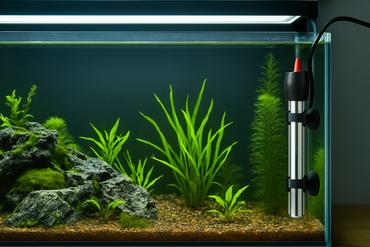
Simulating Natural Habitat
To keep Corydoras active, mimic their natural environment. This includes both light and tank setup.
Credit: www.ratemyfishtank.com
Common Lighting Mistakes
Lighting is important for keeping Corydoras healthy and active. Wrong lighting can cause stress and hide their natural behavior.
Many fishkeepers make simple lighting mistakes. These mistakes can harm Corydoras and reduce their activity in the tank.
Overexposure Issues
Too much light can stress Corydoras. Bright, constant lighting makes them hide more often.
Overexposure can also harm plants and cause algae growth. This makes the tank unhealthy for fish.
- Keep light levels moderate, not too bright
- Use dimmers or adjustable lights
- Turn off lights at night to mimic natural cycles
Ignoring Corydoras Activity Patterns
Corydoras are mostly active at dawn and dusk. Ignoring this means lighting does not match their natural habits.
Bright light during their active times can cause them to hide or rest instead of exploring.
- Use soft lighting during dawn and dusk
- Observe your fish to learn their activity times
- Adjust light schedules to fit their natural rhythm
Inconsistent Lighting Schedules
Changing light times daily confuses Corydoras. They need a regular light cycle for good health.
Inconsistent lighting can cause stress and reduce feeding and swimming activity.
- Set a timer for consistent light on/off times
- Keep light duration steady, about 8-10 hours
- Avoid sudden changes in brightness or timing
Enhancing Corydoras Activity
Corydoras are lively fish that thrive in well-lit environments. Adjusting lighting can boost their activity levels. Proper lighting can mimic their natural habitat.
Understanding how light affects their behavior is key. Different light settings can promote various activities in Corydoras.
Using Dim Lighting For Night Activity
Dim lighting helps Corydoras feel safe at night. It encourages them to explore their surroundings.
Soft light mimics moonlight, creating a natural environment. This gentle glow can prompt night-time activity.
- Use a timer to simulate dusk and dawn
- Install low-wattage bulbs for nighttime
- Position lights to avoid direct glare
Combining Light With Feeding Times
Lighting can signal feeding times to Corydoras. Turning on lights before feeding can prepare them for meals.
This technique helps in establishing a routine. Corydoras will associate light changes with food availability.
- Switch lights on 10 minutes before feeding
- Dim lights gradually after feeding
- Observe their reaction to light changes
Encouraging Natural Foraging
Proper lighting encourages Corydoras to forage naturally. It helps them find food hidden in the substrate.
Natural light setups mimic their river habitats. This promotes healthy foraging behavior in Corydoras.
- Use full-spectrum lights for a natural feel
- Adjust light intensity to simulate sunlight
- Provide a varied substrate for hiding food

Credit: www.aqqapet.com
Frequently Asked Questions
What Is The Best Lighting For Corydoras Activity?
Corydoras prefer dim, soft lighting that mimics their natural habitat. Avoid bright or direct light to reduce stress and encourage natural behavior.
How Does Lighting Affect Corydoras Behavior?
Lighting influences Corydoras activity by signaling day and night cycles. Proper lighting promotes feeding, swimming, and social interaction, keeping them healthy.
Should I Use A Timer For Corydoras Aquarium Lighting?
Yes, a timer helps maintain consistent light cycles. It supports Corydoras’ circadian rhythm, improving their overall well-being and natural activity patterns.
Can Bright Light Harm Corydoras Fish?
Bright light can stress Corydoras, causing hiding or reduced activity. Use subdued lighting to ensure a comfortable environment for these bottom-dwellers.
Conclusion
Proper lighting helps Corydoras stay active and healthy. Soft, low light mimics their natural habitat. Bright lights can stress these gentle fish. Adjust lighting to match their day and night cycle. Watch your fish to see how they react. Good lighting supports their feeding and swimming habits.
Remember, comfort is key for happy Corydoras. Keep their environment calm and balanced. This simple step improves your aquarium’s overall life.