
If you want your coral to thrive and show off its vibrant colors, lighting is one of the most important factors you need to get right. The right light doesn’t just make your tank look beautiful—it directly affects your coral’s health and growth.
But with so many options out there, how do you choose the best lighting for your coral? You’ll discover simple, effective ways to create the perfect light environment that keeps your coral happy and healthy. Keep reading, and you’ll learn the secrets to making your underwater world shine like never before.

Credit: shop.thebiotagroup.com
Types Of Lighting For Coral
Lighting plays a big role in coral health. Corals need light to grow and stay healthy. Different lights give different benefits for corals.
Choosing the right light helps corals get energy from photosynthesis. This keeps your coral colorful and alive.
Led Lights
LED lights use less energy and last long. They produce less heat, which helps keep water temperature stable.
LEDs can change colors and brightness. This helps match natural light that corals need for growth.
- Low energy use
- Long life span
- Adjustable light spectrum
- Low heat output
T5 Fluorescent Lights
T5 fluorescent lights give even light spread over the tank. They work well for many coral types.
These lights produce good colors that corals like. They do not get very hot, so they are safe for tanks.
- Even light distribution
- Good color spectrum
- Moderate heat output
- Needs tube replacement every year
Metal Halide Lights
Metal halide lights are very bright and strong. They can reach deep into large tanks for coral growth.
These lights produce heat, so cooling may be needed. They work best for light-loving corals.
- Very bright light
- Good penetration in deep tanks
- High heat output
- Higher energy use
Light Intensity And Spectrum
Light plays a key role in coral health. It helps corals grow and stay colorful. The right amount and type of light are very important.
This guide covers the best light intensity and color spectrum for corals. It explains how to balance blue and white light for healthy reefs.
Optimal Light Intensity
Corals need enough light to perform photosynthesis. Too little light can slow growth. Too much light can cause stress and bleaching.
- Measure light in PAR units (Photosynthetically Active Radiation).
- Most corals thrive between 100 and 300 PAR.
- Soft corals need lower light than hard corals.
- Adjust light based on coral species and depth.
- Use dimmers or move lights if intensity is too high.
Color Spectrum Needs
Corals use specific light colors for growth. Blue light helps with photosynthesis. Red and green light support other coral functions.
| Light Color | Wavelength (nm) | Effect on Corals |
| Blue | 400-500 | Supports photosynthesis and coral fluorescence |
| White | Full spectrum | Balances overall light and simulates natural sun |
| Red | 600-700 | Less used but helps coral pigmentation |
| Green | 500-600 | Minimal role but adds natural appearance |
Balancing Blue And White Light
Blue and white light must be balanced for coral health. Blue light promotes growth. White light keeps colors natural and bright.
- Use mostly blue light for photosynthesis.
- Add white light to mimic daylight.
- Adjust ratios based on coral type and tank setup.
- Too much white can reduce coral fluorescence.
- Too little white may make the tank look dull.
Lighting Duration And Cycles
Lighting plays a key role in coral health and growth. The right duration and cycles help corals thrive. Too much or too little light can cause stress.
Understanding how long and when to light your coral tank supports their natural rhythms. This guide covers important aspects of lighting duration and cycles.
Recommended Photoperiod
Corals usually need 8 to 12 hours of light per day. This period mimics daylight and supports photosynthesis. Less than 6 hours can slow growth. More than 14 hours may cause stress.
- Provide 10 to 12 hours of light daily
- Use timers to keep a consistent schedule
- Adjust duration slowly if changing light periods
- Observe coral response to find the best timing
Simulating Natural Light Cycles
Natural sunlight changes throughout the day. Corals react to these changes. You can simulate this by varying light intensity and color temperature during the day.
| Time of Day | Light Intensity | Light Color |
| Morning | Low to Medium | Warm (Yellow/Orange) |
| Midday | High | Cool (Blue/White) |
| Evening | Medium to Low | Warm (Red/Orange) |
Avoiding Overexposure
Too much light can bleach coral or reduce their health. It is important to avoid overexposure by controlling light strength and duration.
Tips to prevent overexposure:
- Use dimmers to adjust light intensity
- Limit the photoperiod to 12 hours or less
- Place corals in shaded areas if needed
- Monitor coral color and behavior daily
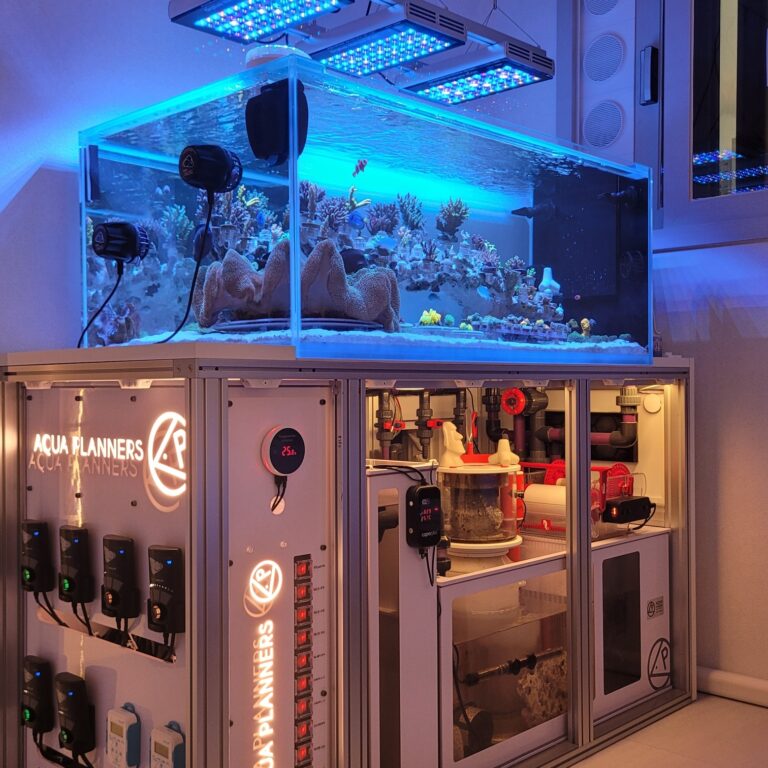
Credit: orphek.com
Effects Of Lighting On Coral Growth
Lighting plays a crucial role in coral health. It affects their growth, color, and survival. Different types of light can impact corals in various ways.
Understanding how light influences corals helps in maintaining healthy aquarium environments. Let’s explore the key effects of lighting on coral growth.
Photosynthesis And Zooxanthellae
Corals have a symbiotic relationship with tiny algae called zooxanthellae. These algae live inside coral tissues and perform photosynthesis using sunlight. This process helps in producing food for the coral.
- Sunlight is vital for photosynthesis.
- Zooxanthellae provide energy to corals.
- Healthy lighting boosts coral growth.
Promoting Coloration
Different lighting can enhance coral colors. The spectrum and intensity of light affect how corals appear. Some lights bring out vibrant hues in corals.
Preventing Coral Bleaching
Coral bleaching happens when corals lose their zooxanthellae. This often occurs due to stress from improper lighting. Maintaining the right light conditions helps prevent bleaching.
| Lighting Condition | Impact on Coral |
| Too intense | Increased stress |
| Too dim | Reduced growth |
| Balanced | Healthy growth |
Adjusting Lighting For Different Coral Types
Lighting is crucial for coral health in aquariums. Different coral types need specific lighting settings to thrive. Understanding these needs helps maintain vibrant and healthy corals.
Each coral type has unique lighting requirements. Adjusting the light intensity and duration can improve coral growth and coloration.
Soft Corals
Soft corals are less demanding and do well in moderate light. They are suitable for beginners due to their adaptability.
- Place them in areas with indirect light.
- Ensure light does not exceed 8 hours daily.
- Use LED lights to mimic natural sunlight.
Lps Corals
LPS corals require moderate to bright lighting. They need a balanced environment to grow their large, fleshy polyps.
| Lighting Type | Duration |
| LED | 8-10 hours |
| T5 Fluorescent | 9 hours |
| Metal Halide | 6-8 hours |
Sps Corals
SPS corals are more challenging and need intense lighting. They thrive under strong, direct light, similar to their natural reef environments.
For SPS corals, consider using the following:
- High-output LED systems
- Metal halide lamps for deeper tanks
- Ensure consistent light spectrum for optimal growth
Maintaining Lighting Equipment
Proper lighting is key to coral health in aquariums. Keeping your lighting equipment well maintained helps corals grow strong.
Regular care of lights ensures they work efficiently and last longer. This helps you provide the right light for your corals.
Cleaning And Replacement
Dust and salt build-up can reduce light output. Clean bulbs and fixtures gently with a soft cloth and mild cleaner.
Replace bulbs or tubes as recommended by the manufacturer. Old bulbs lose brightness and can harm coral growth.
- Turn off lights before cleaning
- Use soft, non-abrasive cloths
- Follow manufacturer’s replacement schedule
- Check for corrosion on fixtures
Monitoring Light Output
Regularly check how much light your equipment gives. Light meters help measure intensity and spectrum.
Keeping the right light level helps corals stay healthy and colorful. Adjust settings if output drops too low.
- Use a PAR meter to check light intensity
- Test light spectrum for coral needs
- Record readings to track changes
- Adjust height or timer settings as needed
Upgrading Technology
New lighting technology offers better energy use and light quality. LED lights are popular for coral tanks.
Upgrading lights can improve coral growth and reduce electricity costs. Check compatibility before buying new gear.
- Choose LED lights with full spectrum
- Look for dimmable and programmable options
- Ensure fixtures fit your tank size
- Replace old ballasts with modern drivers
Common Lighting Mistakes To Avoid
Lighting is very important for coral health in your aquarium. Good lighting helps corals grow and stay colorful. Bad lighting can harm them.
Many aquarium owners make simple lighting mistakes. These mistakes can stress corals or stop their growth. Avoiding these errors keeps your corals healthy.
Excessive Light Intensity
Too much light can burn corals. It causes bleaching, which makes corals lose color. High light can also stop coral growth.
Check your light intensity with a PAR meter. Adjust the lights if the reading is too high for your coral type.
- Start with low light levels for new corals
- Increase light slowly over days or weeks
- Use shading if corals show signs of stress
Inconsistent Lighting Schedule
Corals need a steady light schedule to thrive. Turning lights on and off at random times confuses corals. This can cause stress and poor growth.
Use a timer to create a regular day and night cycle. This helps corals adjust and stay healthy.
- Set lights to stay on about 8-12 hours daily
- Avoid sudden changes in lighting times
- Keep lighting consistent even on weekends or holidays
Ignoring Coral Responses
Watch your corals closely for signs of light stress. Changes in color or behavior show how corals react to lighting. Ignoring these signs can harm them.
Adjust your lighting if you see bleaching, shrinking, or excessive mucus. Corals tell you what they need.
- Look for pale or white coral areas
- Notice if corals close up or shrink
- Check for unusual slime or mucus buildup
- Change light intensity or schedule based on coral health
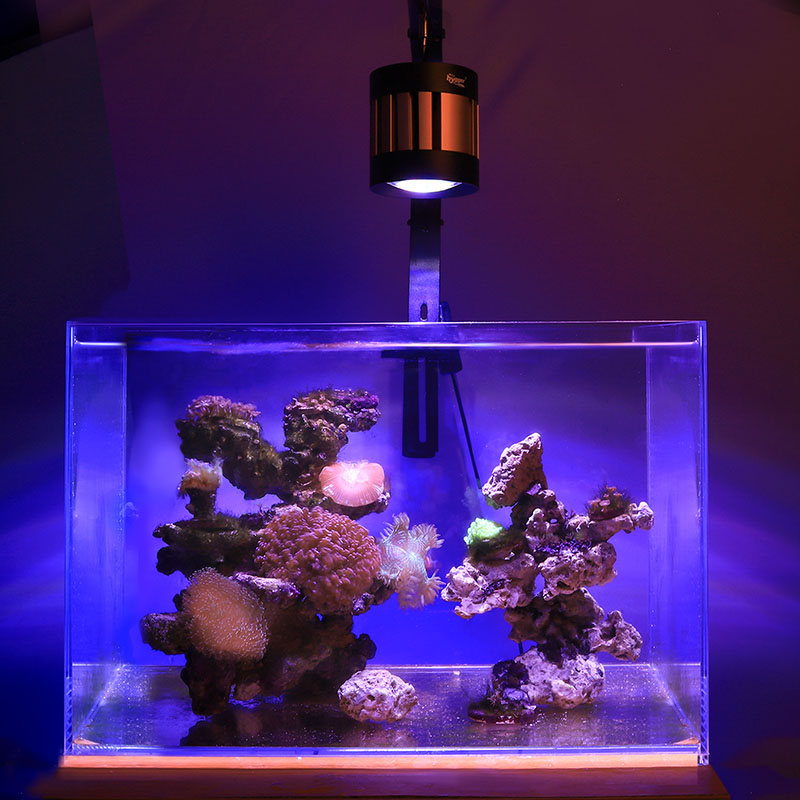
Credit: www.hygger-online.com
Frequently Asked Questions
What Type Of Lighting Is Best For Coral Health?
LED lighting with a full spectrum is ideal for coral health. It mimics natural sunlight and supports photosynthesis. This promotes growth and vibrant colors in corals.
How Does Light Intensity Affect Coral Growth?
Light intensity impacts coral photosynthesis and energy production. Too much light can cause bleaching, while too little slows growth. Balanced light intensity helps maintain coral health and coloration.
Can Lighting Color Temperature Influence Coral Health?
Yes, color temperature affects coral health. A range of 10,000K to 20,000K replicates natural ocean light. This enhances photosynthesis and keeps corals healthy and colorful.
How Many Hours Of Light Do Corals Need Daily?
Corals generally need 8 to 12 hours of light daily. This simulates natural daylight cycles and supports healthy growth. Consistent lighting schedules prevent stress and bleaching.
Conclusion
Proper lighting keeps corals healthy and vibrant. It helps corals grow and stay strong. Choose lights that match coral needs. Too much or too little light can harm them. Regularly check and adjust your lighting setup. Healthy corals mean a beautiful and thriving reef tank.
Lighting is key to your coral’s success. Simple care with good light makes a big difference. Keep learning and observing your corals’ reactions. Bright, balanced light leads to happy, healthy corals.