
Creating the perfect lighting for your community tank can transform it from ordinary to breathtaking. You want every fish and plant to thrive, and the right light plays a huge role in that.
But with so many options, how do you choose what’s best for your tank’s harmony? This guide will help you understand exactly what your aquarium needs, so you can create a balanced, healthy environment that everyone in your community tank will love.
Keep reading to discover simple tips that make a big difference in your tank’s look and life.

Credit: www.clairnara.com
Choosing The Right Light Type
Lighting plays a key role in keeping your community tank healthy. The right light helps plants and fish thrive.
Choosing the right light type depends on your tank’s needs. Different lights offer different benefits.
Led Vs Fluorescent
LED lights last longer than fluorescent bulbs. They give bright light while using less power.
Fluorescent lights are cheaper but use more energy. They also need to be replaced more often.
- LED lights have a longer lifespan
- Fluorescent lights cost less upfront
- LEDs use less electricity
- Fluorescents may flicker or dim over time
Full Spectrum Benefits
Full spectrum lights mimic natural sunlight. They help plants grow and show fish colors clearly.
These lights support photosynthesis. They improve the overall health of your tank ecosystem.
- Supports plant growth
- Enhances fish colors
- Creates a natural look
- Helps maintain tank balance
Energy Efficiency Considerations
Energy-efficient lights save money on power bills. They produce less heat, keeping the tank stable.
LED lights are usually the best choice for saving energy. They use less electricity and last longer.
- Lower electricity use
- Less heat output
- Longer bulb life reduces waste
- Good for tanks running many hours
Balancing Light Intensity
Lighting is key to a healthy community tank. The right light helps plants grow and keeps fish active. Too much or too little light can cause problems.
Balancing light intensity means giving the tank just enough light to support all life inside. This guide explains how to measure and adjust light properly.
Measuring Par Levels
PAR stands for Photosynthetically Active Radiation. It shows how much usable light plants get. Measuring PAR helps set the right light strength for your tank.
- Use a PAR meter to check light intensity at different tank depths.
- Measure during the tank’s peak light hours for accuracy.
- Record PAR values to track changes over time.
Adjusting For Plant And Fish Needs
Plants and fish have different light needs. Plants need enough light to grow. Fish need light that is not too bright or harsh.
| Living Organism | Ideal Light Intensity (PAR) | Light Duration (Hours) |
| Low-light Plants | 20-40 µmol/m²/s | 6-8 |
| Medium-light Plants | 40-70 µmol/m²/s | 8-10 |
| High-light Plants | 70-120 µmol/m²/s | 10-12 |
| Community Fish | Moderate light, avoid direct glare | 8-10 |
Adjust light intensity and timing based on what lives in the tank. Use dimmers or timers to keep balance.
Avoiding Algae Overgrowth
Too much light causes algae to grow fast. Algae can harm plants and fish by using up nutrients and oxygen.
- Keep light on for no more than 10 hours a day.
- Use a timer to control light duration.
- Reduce light intensity if algae appear.
- Clean the tank glass and decorations regularly.
- Balance nutrients to avoid extra algae food.
Optimizing Light Duration
Lighting plays a key role in keeping your community tank healthy. Setting the right light duration helps plants and fish thrive. It also prevents problems like algae growth.
In this guide, we focus on how to manage light timing well. You will learn about keeping a steady schedule, using timers, and adjusting lights by season.
Setting A Consistent Photoperiod
A photoperiod is the daily light period your tank receives. Keeping this period consistent is important for your tank’s balance. Most tanks do best with 8 to 10 hours of light each day.
- Pick a light duration that suits your plants and fish.
- Turn lights on and off at the same times every day.
- Keep the schedule steady, even on weekends or holidays.
- Watch how your tank reacts and adjust if needed.
Using Timers For Automation
Timers help automate your tank’s light schedule. They make sure lights turn on and off exactly on time. This reduces stress for fish and helps plants grow well.
| Timer Type | Feature | Best Use |
|---|---|---|
| Mechanical Timer | Simple, manual dial | Basic on/off control |
| Digital Timer | Precise scheduling, multiple settings | Complex light cycles |
| Smart Timer | App control, remote access | Adjusting from anywhere |
Seasonal Light Adjustments
Changing seasons affect natural light and temperature. Adjusting your tank’s light duration helps keep things stable. Shorter days in winter may mean less light, while summer needs more control.
Here is a simple guide to adjust light duration by season:
- Spring:Increase light by 30 minutes weekly.
- Summer:Maintain longer light periods, about 10 hours.
- Autumn:Decrease light by 30 minutes weekly.
- Winter:Keep light periods shorter, around 8 hours.
Credit: clixfueling.com
Positioning And Fixture Placement
Lighting is key to keeping a community tank healthy and balanced. Proper positioning and fixture placement help plants, fish, and corals thrive.
Good light setup avoids dark spots and ensures even brightness. This guide explains how to place your lighting fixtures for the best results.
Maximizing Coverage
Place lights so they cover the entire tank surface. Even coverage helps all areas get enough light for growth.
Use multiple fixtures if one does not cover the whole tank. Spread them evenly to avoid dim spots.
- Measure tank length and width before placing lights
- Use fixtures with wide beam angles for broad coverage
- Overlap light zones slightly for consistent brightness
Reducing Shadows And Hotspots
Shadows and hotspots can stress fish and hurt plant growth. Place fixtures to minimize these issues.
Avoid placing lights too close or too far from the tank. Adjust fixture spacing to balance light intensity.
- Keep lights at a consistent height across the tank
- Use diffusers or spreader lenses if available
- Check for dark corners and adjust fixture placement
Height And Angle Tips
Height affects how light spreads over the tank. Place fixtures high enough to cover the tank but not so high light weakens.
Angle lights slightly to reach hard-to-light areas. Tilt can help reduce glare on the water surface.
- Start with lights 12 to 18 inches above water
- Adjust angle between 10 and 30 degrees for best spread
- Raise or lower lights based on plant and coral needs
Enhancing Aesthetics With Lighting
Lighting can transform the look of a community tank. It highlights the beauty of aquatic life and decor.
Proper lighting creates a pleasant atmosphere. It helps in showcasing the tank’s features effectively.
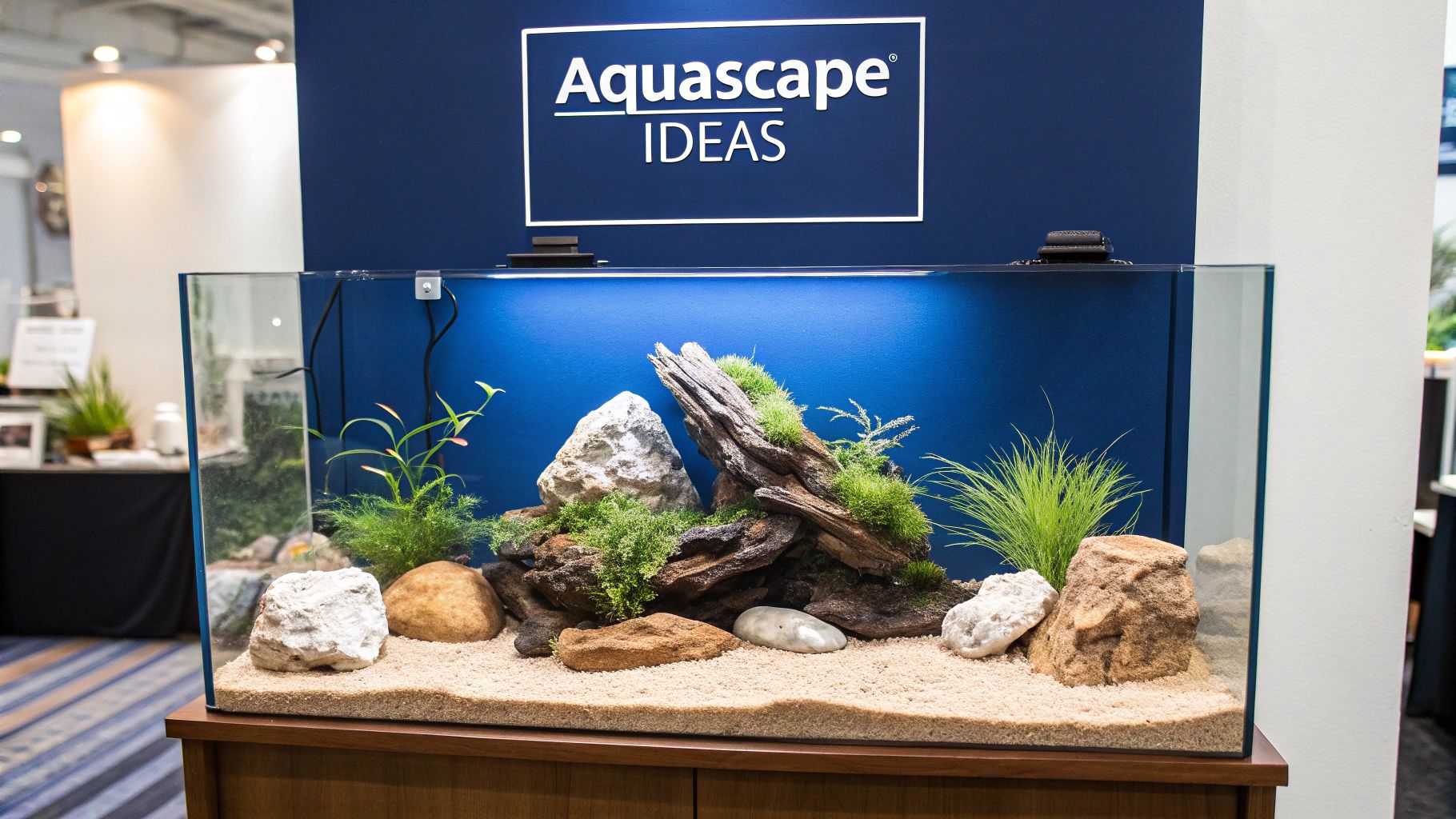
Highlighting Aquascape Features
Lights can emphasize special areas in your tank. They draw attention to plants and decorations.
Spotlights can highlight unique structures. This makes them stand out and enhances the overall visual appeal.
- Focus on centerpiece plants
- Highlight rock formations
- Illuminate swim paths for fish
Color Temperature Effects
Color temperature affects how the tank looks. Cool tones create a calm and serene environment.
Warm tones make the tank feel cozy and inviting. This can enhance the viewing experience.
- Cool white for a natural look
- Warm white for a soothing feel
- Mixed tones for dynamic effects
Creating Depth And Contrast
Lighting helps in creating depth in the tank. It adds layers to the aquascape, making it more interesting.
Contrasting light and shadow can enhance visual depth. This makes the tank look more three-dimensional.
- Use shadows to add mystery
- Create layers with varied light intensity
- Enhance textures with strategic lighting

Credit: www.youtube.com
Maintaining Lighting Equipment
Good lighting is key for a healthy community tank. Regular care keeps lights working well. It helps plants and fish stay happy.
Maintaining your lighting equipment means cleaning, replacing parts, and fixing problems. This guide shows simple ways to do it.
Cleaning And Upkeep
Keep your lighting gear clean to avoid damage and dim light. Dust and salt build-up can block light and cause heat issues.
- Turn off and unplug lights before cleaning.
- Use a soft cloth or brush to remove dust and salt.
- Clean glass covers with water and mild soap only.
- Check for any cracks or damage during cleaning.
- Dry all parts completely before turning lights back on.
Replacing Bulbs And Leds
Bulbs and LEDs lose brightness over time. Replace them to keep your tank well lit. Follow the manufacturer’s guide for your model.
| Type of Light | Replacement Frequency |
| Fluorescent Bulbs | Every 6-12 months |
| LED Bulbs | Every 2-3 years |
| Compact Fluorescent | Every 1 year |
Troubleshooting Common Issues
Lighting problems can affect your tank’s health. Check these common issues and solutions to fix them quickly.
- Light won’t turn on:Check the power plug and switch. Replace the bulb if needed.
- Flickering light:Clean the contacts and check for loose connections.
- Lights too dim:Replace old bulbs or clean the light cover.
- Overheating:Make sure vents are clear and the light is not too close to the water.
Integrating Lighting With Tank Ecosystem
Lighting plays a key role in maintaining a healthy community tank. It helps plants grow and keeps fish comfortable. Proper lighting also balances natural and artificial sources in the tank.
Choosing the right lighting supports all living things in the tank. It creates a stable environment for plants and animals to thrive together.
Supporting Plant Growth
Plants need light to perform photosynthesis and stay healthy. Using the right light spectrum helps plants grow strong and green.
- Use full-spectrum lights that mimic natural sunlight
- Keep lights on for 8 to 10 hours daily
- Avoid too much light to prevent algae growth
- Place lights evenly to cover all plants
Ensuring Fish Comfort
Fish feel safe when the lighting matches their natural habitat. Bright or sudden light can stress them out.
| Lighting Aspect | Recommended Setting |
| Brightness | Soft to moderate |
| Duration | 8 to 12 hours per day |
| Shade Areas | Provide hiding spots |
| Light Color | Warm tones preferred |
Balancing Natural And Artificial Light
Natural light can help the tank but may cause temperature changes or algae. Artificial light gives control over timing and intensity.
Tips to balance natural and artificial light:
- Place tank away from direct sunlight
- Use timers to control artificial lights
- Monitor algae growth regularly
- Adjust light duration by season
Frequently Asked Questions
What Is The Best Lighting For A Community Tank?
The best lighting balances intensity and spectrum for all tank inhabitants. LED lights with adjustable settings suit most community tanks well. Proper lighting enhances fish colors and promotes healthy plant growth, ensuring a harmonious environment.
How Long Should Community Tank Lights Stay On Daily?
Community tank lights should stay on 8 to 10 hours daily. This duration mimics natural daylight cycles, supporting fish and plant health. Avoid excessive lighting to prevent algae growth and stress in fish.
Can Wrong Lighting Harm Community Tank Fish?
Yes, wrong lighting can stress fish and disrupt their natural behavior. Too bright or constant light causes stress and may lead to disease. Proper, moderate lighting keeps fish comfortable and healthy.
What Lighting Color Is Ideal For Community Tanks?
A full-spectrum white light with slight blue tones is ideal. It mimics natural daylight and enhances fish coloration. Blue light also supports plant photosynthesis and creates a calm environment.
Conclusion
Good lighting helps fish and plants live well together. It keeps the tank bright but not too strong. Fish feel safe, and plants grow healthy. Adjust the light time to match natural day and night. Watch your tank often to see how fish react.
Small changes make a big difference. Enjoy the calm and beauty of your community tank. Lighting plays a key role in tank harmony. Keep it simple, steady, and suitable for all. Your tank will thank you with vibrant life.