
Setting up your first aquarium is exciting, but choosing the right lighting can feel confusing. The light you pick affects your fish, plants, and the overall look of your tank.
If you get it wrong, you might struggle with unhealthy plants or stressed fish. But don’t worry—this guide will help you understand exactly what you need. By the end, you’ll feel confident in picking the perfect lighting that keeps your underwater world bright and thriving.
Ready to make your aquarium shine? Let’s dive in!
Choosing The Right Light
Lighting is essential for a healthy aquarium. It affects plant growth and fish behavior. Choosing the right light helps your tank thrive.
Understanding different types of lights and their features makes the choice easier. This guide covers key points to help beginners.
Types Of Aquarium Lights
There are several types of aquarium lights. Each type suits different tank needs. Common options include LED, fluorescent, and incandescent lights.
- LED Lights:Energy efficient and long-lasting.
- Fluorescent Lights:Good for plant growth and cost-effective.
- Incandescent Lights:Less common, produce more heat.
- Metal Halide Lights:Very bright, used in large tanks.
Light Intensity And Spectrum
Light intensity means how bright the light is. Different fish and plants need different brightness levels. The light spectrum means the colors the light shows.
| Light Factor | Importance | Example |
| Intensity | Affects plant photosynthesis | High for planted tanks |
| Spectrum | Supports natural colors and growth | Full spectrum or blue/red lights |
| Duration | Controls day and night cycle | 8-10 hours per day |
Led Vs Fluorescent Options
LED and fluorescent lights are the most popular. They each have benefits and limits for beginners.
- LED Lights:Use less power and last longer.
- Fluorescent Lights:Cheaper but use more energy.
- LEDs:Often adjustable in color and brightness.
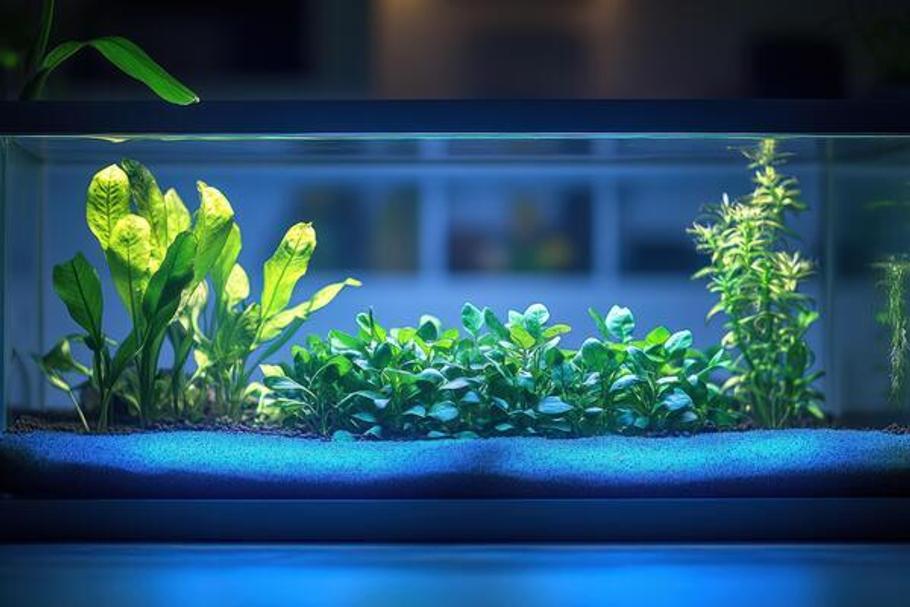
- Fluorescents:Provide steady light but may need replacing more often.
Credit: www.ratemyfishtank.com
Lighting Duration And Schedule
Proper lighting is key for a successful aquarium. It helps fish and plants thrive. Setting the right schedule is important.
New aquarists often wonder how long lights should stay on. Let’s explore the best lighting practices.
Optimal Daily Lighting Hours
Fish and plants need a balance of light and dark. Too much light can stress them. Too little can hinder growth.
- Most aquariums do well with 8-10 hours of light daily.
- Adjust based on the type of plants and fish.
- Observe the aquarium’s response to find the perfect timing.
Using Timers For Consistency
Timers help maintain a consistent lighting schedule. Consistency is important for fish and plant health.
Avoiding Algae Growth
Algae can overgrow with excessive light. It can harm the aquarium environment.
| Lighting Duration | Algae Risk |
| Less than 8 hours | Low |
| 8-10 hours | Moderate |
| More than 10 hours | High |
Lighting For Different Tank Types
Lighting is important for all aquarium types. It helps fish stay healthy and plants grow well. Different tanks need different lighting setups.
Choosing the right light depends on your tank’s water type and what lives inside. Understanding these needs can improve your aquarium’s look and health.
Freshwater Vs Saltwater Needs
Freshwater and saltwater tanks require different lighting. Freshwater tanks use softer light. Saltwater tanks need stronger light for coral and marine life.
| Tank Type | Light Intensity | Light Spectrum | Duration |
| Freshwater | Low to Medium | Warm to Neutral | 8-10 hours |
| Saltwater | High | Full Spectrum, Blue-heavy | 10-12 hours |
Lighting For Planted Tanks
Plants need bright light to grow. Good lighting helps plants make food through photosynthesis. Without enough light, plants will die.
- Use full-spectrum LED lights
- Keep light on for 8 to 12 hours daily
- Adjust light strength based on plant type
- Avoid too much light to stop algae growth
Lighting For Fish-only Tanks
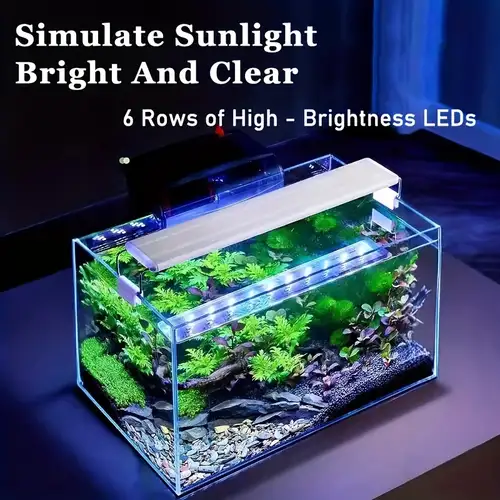
Fish-only tanks do not need very strong light. Soft lighting reduces fish stress. It also shows fish colors well.
Choose lights that are easy on the eyes. A timer can keep the light cycle steady. This helps fish stay healthy.
Credit: www.temu.com
Setting Up Your Lighting System
Good lighting is key for a healthy aquarium. It helps plants grow and shows off your fish well.
Setting up your lighting system correctly keeps your tank balanced and safe. Follow these tips for best results.
Positioning Lights Correctly
Place lights above the tank for even coverage. Avoid shadows and dark spots. Keep lights close enough to reach plants but not too close to cause heat.
- Center lights over the tank
- Keep lights 6 to 12 inches from water surface
- Adjust height based on plant needs
- Use reflectors to spread light evenly
- Avoid direct sunlight on the tank
Securing Fixtures Safely
Secure all lighting fixtures to prevent accidents. Use mounting brackets or clamps made for aquariums. Make sure cords stay dry and out of reach of water.
| Fixture Type | Securing Method |
| LED Light Bar | Clamp or magnetic mounts |
| Fluorescent Tube | Holder brackets |
| Hanging Lights | Chains with hooks |
| Submersible Lights | Suction cups |
Maintenance Tips
Keep your lighting system clean and working well. Dust and water spots reduce light output. Check bulbs and fixtures often for damage.
- Clean bulbs with a soft cloth monthly
- Check electrical parts for corrosion
- Replace bulbs every 6 to 12 months
- Turn lights off during water changes
- Use timers to control light cycles
Troubleshooting Common Lighting Issues
Lighting is key for any beginner aquarist. It affects plant growth and fish health.
Some common lighting problems can harm your aquarium. Fixing them keeps your tank healthy.
Dealing With Algae Problems
Algae can grow too fast with too much light or poor balance. It makes the tank look dirty.
- Reduce the light hours to 6–8 hours per day
- Use a timer to keep lighting consistent
- Clean algae from glass and decorations regularly
- Check if your bulbs produce the right light spectrum
- Do partial water changes to lower nutrients that feed algae
Addressing Uneven Light Distribution
Uneven light causes some plants to grow poorly. Some areas may look dark or too bright.
| Problem | Cause | Solution |
|---|---|---|
| Dark spots in tank | Light fixture too far or blocked | Move light closer or remove obstacles |
| Bright spots cause algae | Light too focused in one area | Use diffuser or reposition light |
| Plants lean toward light | Light source is on one side only | Use multiple lights or reposition plants |
Replacing Bulbs And Components
Old bulbs lose strength and change color. This affects plant growth and fish behavior.
- Check bulb age; replace every 6–12 months
- Use bulbs made for aquariums with proper spectrum
- Clean bulb covers and reflectors to improve light output
- Inspect wiring and sockets for damage
- Replace any broken or flickering parts immediately

Credit: www.glowrium.com
Frequently Asked Questions
What Type Of Lighting Is Best For Beginner Aquariums?
LED lighting is best for beginners. It is energy-efficient, long-lasting, and provides adjustable brightness. LED lights support plant growth and enhance fish colors. They generate less heat, making them safe and easy to maintain for new aquarists.
How Many Hours Should Aquarium Lights Be On Daily?
Aquarium lights should be on for 8 to 10 hours daily. This duration mimics natural daylight and supports fish and plant health. Avoid excessive lighting to prevent algae growth. Use a timer for consistent lighting periods.
Can Aquarium Lighting Affect Fish Health?
Yes, lighting impacts fish health. Proper lighting regulates fish behavior and stress levels. It also supports natural cycles like feeding and resting. Too much or too little light can cause stress, so balance is key.
Do Freshwater And Saltwater Tanks Need Different Lighting?
Yes, freshwater and saltwater tanks need different lighting. Freshwater plants require moderate light, while saltwater corals need intense, specialized lighting. Choose lights based on your tank type to ensure optimal growth and health.
Conclusion
Choosing the right lighting helps fish and plants stay healthy. Simple lights can make your aquarium look beautiful. Brightness and timing matter for good water life. Too much light can cause algae to grow fast. Use a timer to keep the light steady each day.
Watch how your plants and fish react. Adjust the light as you learn what they need. Good lighting makes your aquarium a happy home. Keep it easy and enjoy the bright, clear view.