
If you want to successfully breed angelfish, getting the lighting just right is one of the most important steps you can take. The right light doesn’t just brighten your tank; it helps create the perfect environment for your angelfish to thrive and reproduce.
You might wonder how something as simple as lighting can make such a big difference. Keep reading, and you’ll discover easy-to-follow tips that will boost your chances of a healthy, happy angelfish family. Your tank’s lighting setup could be the secret you’ve been missing.

Credit: www.reddit.com
Choosing The Right Light
Lighting plays an important role in angelfish breeding. It helps create a natural environment for the fish.
Good lighting supports healthy growth and encourages breeding behavior in angelfish.
Types Of Lighting Suitable For Angelfish
Angelfish do best under soft, natural light. Avoid harsh or very bright lights that can stress them.
LED lights and fluorescent bulbs are common choices. Both provide gentle, even light that helps fish feel safe.
- LED lights use less energy and last longer
- Fluorescent lights give off a natural color spectrum
- Full-spectrum bulbs mimic daylight well
Balancing Intensity And Duration
Light intensity should be low to medium to avoid stressing angelfish. Too much light can stop breeding.
Set the light to stay on for 10 to 12 hours each day. This matches natural daylight and helps fish stay healthy.
- Keep light intensity moderate for calm behavior
- Use a timer to ensure consistent light cycles
- Give angelfish a dark period to rest each day
Setting The Lighting Schedule
Lighting is important for angelfish breeding success. It helps control their daily habits.
A good lighting schedule creates a natural environment. This supports healthy fish behavior.
Ideal Photoperiod For Breeding
Angelfish need about 10 to 12 hours of light daily to breed well. This mimics natural daylight.
Too much light can stress them, and too little light slows breeding. Keep it steady.
- Provide 10-12 hours of light each day
- Use a timer for consistent lighting
- Keep lighting soft to avoid stress
- Ensure darkness during off hours for rest
Adjusting Light Cycles For Seasonal Changes
Change light duration to match seasonal daylight shifts. This helps angelfish stay on a natural cycle.
In winter, reduce light to about 10 hours. In summer, increase it up to 12 hours for better breeding.
- Shorten light in colder months
- Lengthen light in warmer months
- Adjust gradually to avoid shocking fish
- Watch fish behavior for signs of stress
Impact Of Light On Angelfish Behavior
Light plays a key role in the behavior of angelfish. It affects their mood, activity, and breeding habits. Proper lighting can help create a natural environment for them.
Understanding how light influences angelfish helps in breeding them successfully. Adjusting light conditions can improve their health and spawning frequency.
Stimulating Spawning With Light
Angelfish respond well to changes in light to trigger spawning. Increasing daylight hours can mimic their natural breeding season.
- Start with 8 hours of light daily for a week.
- Gradually increase to 12 hours over two weeks.
- Use soft, white light to avoid stressing the fish.
- Keep the light schedule consistent every day.
Reducing Stress Through Proper Lighting
Proper lighting helps lower stress in angelfish. Too bright or flickering lights can cause anxiety and health issues.
| Lighting Condition | Effect on Angelfish |
| Dim light | Calms fish, reduces stress |
| Bright light | Can cause stress and hiding |
| Flickering light | Leads to anxiety and erratic behavior |
| Consistent light schedule | Supports normal activity and health |
Credit: www.hygger-online.com
Combining Lighting With Tank Environment
Lighting plays a key role in angelfish breeding success. It affects fish behavior and tank plants.
Proper lighting helps create a natural environment. This supports angelfish comfort and breeding activity.
Enhancing Plant Growth For Shelter
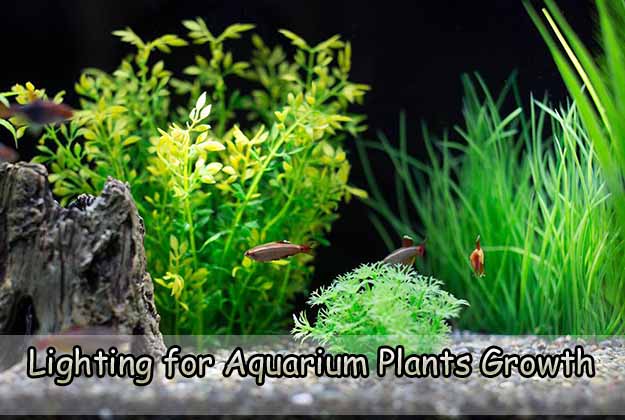
Plants provide shelter and hiding spots for angelfish. Good lighting helps plants grow strong.
Use full-spectrum lights to support photosynthesis. Healthy plants make the tank feel safe for fish.
- Choose lights that mimic natural daylight
- Keep lights on for 8 to 10 hours daily
- Use low to medium light intensity for most plants
- Place plants near light sources for better growth
Using Light To Highlight Breeding Areas
Light can draw angelfish to specific breeding spots. Bright areas encourage egg laying and care.
Focus light near flat surfaces or plants where angelfish prefer to lay eggs. Keep other tank areas dimmer.
- Use adjustable lighting to create bright and shaded zones
- Keep breeding areas well-lit for 10 to 12 hours daily
- Avoid sudden light changes to reduce fish stress
- Use soft white or daylight bulbs for natural look
Common Lighting Mistakes To Avoid
Lighting plays a crucial role in angelfish breeding. Mistakes with lighting can affect the health and reproduction of your angelfish.
Understanding common lighting errors will help you create a better environment for breeding success.
Overexposure And Its Effects
Too much light can be harmful to angelfish. It can cause stress and disrupt their natural behavior.
- Excessive light leads to stress
- Stress affects breeding success
- Too much light causes algae growth
Inconsistent Lighting Schedules
Irregular lighting confuses angelfish. It disrupts their natural day-night cycle.
Consistency in lighting helps maintain a stable environment, supporting healthy breeding conditions.

Credit: www.completekoi.com
Advanced Lighting Techniques
Lighting plays a key role in angelfish breeding success. Advanced lighting helps create a better environment for the fish.
Using the right techniques can improve fish health and encourage spawning. It is important to control light carefully.
Using Dimmer Controls
Dimmer controls let you adjust light intensity slowly. This helps reduce stress for angelfish during breeding.
Start with low light in the morning and increase it gradually. Dimmer controls make this easy and smooth for fish.
- Set a gentle sunrise effect to wake fish
- Lower light levels during feeding times
- Use dimmers to mimic sunset before dark
Simulating Natural Light Conditions
Natural light cycles help angelfish feel safe and comfortable. Simulating these cycles supports breeding behavior.
Use timers and different light colors to mimic daylight changes. This includes soft dawn and dusk lighting effects.
- Set 10-12 hours of daylight for healthy cycles
- Use blue or red lights to simulate dawn and dusk
- Keep lighting consistent every day
Frequently Asked Questions
What Is The Ideal Lighting For Angelfish Breeding?
The ideal lighting for angelfish breeding is moderate, around 8-10 hours daily. Avoid intense or direct light to reduce stress and encourage spawning behavior.
How Does Lighting Affect Angelfish Breeding Success?
Proper lighting regulates angelfish’s biological clock and triggers natural breeding instincts. Balanced light helps maintain healthy fish and improves egg fertilization rates.
Can Too Much Light Harm Angelfish Breeding?
Yes, excessive light causes stress, disrupts sleep, and lowers breeding chances. Maintain a consistent, gentle lighting schedule to support angelfish health and spawning.
Should I Use A Timer For Angelfish Breeding Lights?
Using a timer ensures consistent light cycles, mimicking natural daylight. This stability reduces stress and promotes regular breeding behavior in angelfish.
Conclusion
Proper lighting helps angelfish feel safe and ready to breed. Bright, natural light supports their health and encourages spawning. Avoid harsh or flickering lights that may stress the fish. A consistent day-night cycle keeps their environment stable. Watch your angelfish closely to adjust light as needed.
Good lighting is a simple step to support successful breeding. Keep it gentle, steady, and natural for best results.