
If you keep aggressive fish in your planted tank, you know how tricky it can be to create the perfect environment. Lighting plays a bigger role than you might think.
The right light can help your plants thrive and keep your feisty fish calm and healthy. But how do you find that balance? You’ll discover simple lighting tips tailored for tanks with aggressive species. By the end, you’ll know exactly how to make your tank a vibrant, peaceful underwater world—without stressing your fish or your plants.
Keep reading to transform your aquarium into a stunning, harmonious space.
Choosing The Right Light
Lighting is a key part of keeping aggressive fish in a planted tank. The right light helps plants grow and keeps fish active.
Picking the correct light means thinking about the types, brightness, and color spectrum. This helps fish and plants stay healthy.
Types Of Aquarium Lights
Different lights work for planted tanks with aggressive fish. LED, fluorescent, and metal halide lights are popular choices.
LED lights use less power and last longer. Fluorescent lights give soft light but use more energy. Metal halide lights are very bright but can get hot.
- LED: Energy efficient and long-lasting
- Fluorescent: Soft light, moderate energy use
- Metal Halide: Very bright, can raise tank temperature
Light Intensity And Spectrum
Light intensity means how bright the light is. Plants need medium to high light to grow well. Aggressive fish may prefer less intense light to reduce stress.
The spectrum is the color range of the light. Full spectrum lights help plants grow and show fish colors clearly. A mix of blue and red light is best for plants.
- Use medium light for balanced plant growth
- Choose full spectrum lights for healthy plants
- Adjust brightness to keep fish calm
Balancing Brightness For Aggressive Fish
Aggressive fish may become more active under very bright light. Too much light can cause stress and fights. Keep brightness moderate to help fish stay calm.
Use plants and decorations to create shaded areas. This lets fish hide and reduces aggression. Dimmer light also helps plants that prefer low light.
- Set light to medium brightness
- Create shaded spots with plants or decor
- Use timers to simulate natural day and night

Credit: www.blessingsaquarium.com
Impact Of Light On Fish Behavior
Light plays a big role in how fish behave in planted tanks. It can change their mood and actions.
For aggressive species, the right lighting can help manage fights and stress. Understanding this helps create a better home.
How Light Affects Aggression
Bright light can make some fish more active and aggressive. They may show more chasing and fighting.
Darker light or dimmed lighting often helps calm these fish. It reduces their need to compete or defend territory.
- Bright light increases visibility, causing more confrontations.
- Dim light lowers stress by hiding fish from each other.
- Flickering or uneven light can confuse fish and raise aggression.
- Consistent lighting helps fish settle into routines and lowers fights.
Creating Comfort Zones With Lighting
Comfort zones help fish feel safe and less aggressive. Lighting can create these zones inside the tank.
| Lighting Technique | Effect |
|---|---|
| Spotlighting plants | Creates shaded areas for hiding |
| Using floating plants | Blocks direct light, softens the environment |
| Gradual dimming | Helps fish adjust to light changes gently |
These methods help reduce eye contact between fish. Less eye contact means fewer fights.
Adjusting Light To Reduce Stress
Stress makes fish weak and more likely to act aggressively. Adjusting light can lower stress.
- Lower light intensity during feeding times.
- Use timers for consistent light schedules.
- Keep lights off at night to mimic natural cycles.
- Avoid sudden changes in brightness.
Following these tips helps fish stay calm and healthy in your planted tank.
Lighting For Plant Growth
Lighting plays a big role in planted tanks with aggressive fish. Plants need light to grow strong and healthy.
Good lighting helps plants produce food and oxygen. It also keeps the tank looking natural and lively.
Selecting Plants For Aggressive Tanks
Choose plants that can handle rough fish and strong lighting. Some plants grow fast and resist damage.
Look for hardy plants with thick leaves. These plants survive bites and strong water movement.
- Anubias species
- Java Fern
- Amazon Sword
- Cryptocoryne
- Vallisneria
Light Requirements For Common Aquatic Plants
Different plants need different light levels. Some need low light, while others grow best in bright light.
Knowing your plants’ light needs helps you set the right lighting time and intensity.
| Plant | Light Level |
|---|---|
| Anubias | Low to Medium |
| Java Fern | Low to Medium |
| Amazon Sword | Medium to High |
| Cryptocoryne | Low to Medium |
| Vallisneria | Medium to High |
Balancing Plant Needs With Fish Activity
Aggressive fish may damage plants if lighting is too strong or weak. Balance light to keep plants and fish healthy.
Use timers to give plants enough light without stressing fish. Adjust light intensity based on fish behavior.
- Provide 8 to 10 hours of light daily
- Use medium light to suit most plants and fish
- Watch fish for signs of stress or hiding
- Change plant placement to protect delicate species
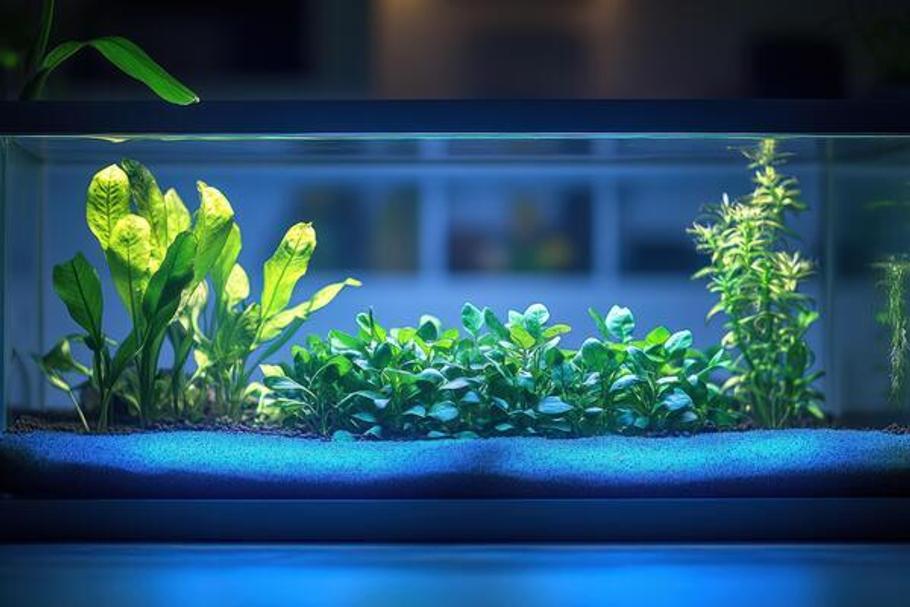
Credit: www.ratemyfishtank.com
Lighting Setup Tips
Lighting is very important for planted tanks with aggressive species. Good light helps plants grow well. It also keeps fish active and healthy.
Choosing the right light setup can be tricky. You need to think about light position, timing, and light type. This guide gives simple tips for the best results.
Positioning Lights For Optimal Coverage
Place lights where they shine on all parts of the tank. Avoid shadows that block light from plants. Use multiple lights if your tank is large or deep.
- Center lights over the tank for even coverage
- Use adjustable mounts to change light direction
- Keep lights close but not too hot for plants and fish
- Check for dark corners and add extra lighting if needed
Using Timers And Dimmers
Timers help keep a regular light schedule. Dimmers adjust light brightness. Both tools support plant health and reduce stress in fish.
| Tool | Benefit | Tip |
| Timer | Keeps consistent light hours | Set 8-10 hours per day |
| Dimmer | Controls light intensity | Lower light at night or during fish rest |
Combining Natural And Artificial Light
Natural light can help plants but may cause algae. Artificial light is steady and easy to control. Use both carefully for balance.
Tips for mixing natural and artificial light:
- Place tank near windows but avoid direct sunlight
- Use blinds or curtains to limit strong sun
- Turn on artificial lights during cloudy days or evenings
- Watch for algae growth and adjust light as needed
Troubleshooting Lighting Issues
Lighting plays a big role in keeping aggressive species healthy in planted tanks. Too much or too little light can cause problems. It is important to watch for signs and fix lighting issues fast.
This guide helps you spot common lighting problems and adjust your setup for better tank health and plant growth.
Dealing With Algae Growth
Algae can grow fast if lighting is not right. Too much light or poor quality light encourages algae. You need to balance light to keep algae under control.
- Reduce light hours to 6-8 per day.
- Use a timer to keep lighting consistent.
- Choose full-spectrum lights for better plant growth.
- Remove visible algae by hand or with algae eaters.
- Check water quality and nutrient levels regularly.
Signs Of Over Or Under Lighting
Too much light causes plants to bleach or algae to bloom. Too little light makes plants grow slowly or lose color. Watch for these signs to fix lighting.
| Lighting Condition | Common Signs |
| Over Lighting | Algae blooms, bleached leaves, rapid algae growth |
| Under Lighting | Slow plant growth, yellowing leaves, weak stems |
Adjusting Light For Tank Changes
As your tank changes, you need to change the light. New plants, fish, or decorations affect light needs. Adjust light to keep balance.
- Increase light duration for new plants to help growth.
- Lower light if algae starts to grow too fast.
- Move lights or add reflectors to reach shaded areas.
- Replace bulbs every 6-12 months for best output.
- Use dimmers if your light supports them for fine control.

Credit: www.aqqapet.com
Frequently Asked Questions
What Lighting Is Best For Aggressive Fish In Planted Tanks?
Use moderate, diffused lighting to reduce stress on aggressive fish. Avoid overly bright lights, as they can increase territorial behavior and stress levels in these species.
How Does Lighting Affect Aggressive Species Behavior?
Lighting influences fish activity and aggression. Bright, direct light can heighten aggression, while softer, dimmer lighting promotes calmness and natural behavior in aggressive fish.
Can Lighting Improve Plant Growth With Aggressive Fish?
Yes, balanced lighting supports healthy plant growth without stressing aggressive fish. Choose lighting that promotes photosynthesis but avoids triggering aggressive territorial displays.
Should I Use Timers For Lighting In Aggressive Species Tanks?
Timers help maintain consistent light cycles, reducing stress and aggression. Stable lighting mimics natural conditions, promoting healthier fish and plant life in your planted tank.
Conclusion
Choosing the right lighting helps keep aggressive fish calm and plants healthy. Bright lights support plant growth without stressing your fish. Use timers to create natural day and night cycles. Watch your tank often to adjust lighting as needed. Good lighting balances the needs of both fish and plants.
This care leads to a lively, beautiful planted tank. Keep learning and experimenting to find what works best. Lighting matters more than you might think. A well-lit tank makes all the difference.