
Have you ever wondered why some fish in your aquarium shine with brilliant colors while others look dull? The secret lies in the light spectrum you choose for your tank.
The right light can bring out the vibrant hues of your fish, making your underwater world come alive like never before. You’ll discover how different light spectrums affect your fish’s colors and learn simple tips to create a stunning display that keeps your fish healthy and eye-catching.
Ready to transform your aquarium into a dazzling showcase? Let’s dive in!
Importance Of Light Spectrum
Light spectrum plays a key role in showing fish colors vividly. Different types of light affect how colors appear in water.
Using the right light helps fish look healthy and bright. It also supports their natural behavior and well-being.
How Light Affects Fish Colors
Fish colors change under different light conditions. Some lights make colors shine more than others. The water also filters light, changing what the fish see.
- Bright light can bring out reds and oranges.
- Blue light highlights blues and greens.
- Too much light can cause colors to fade.
- Low light may make colors look dull.
Role Of Different Wavelengths
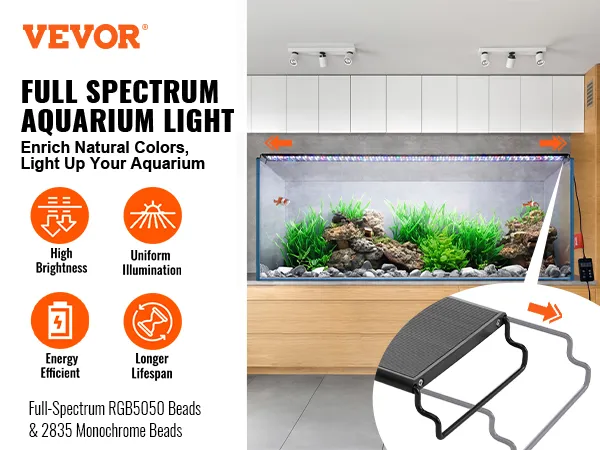
Light has many wavelengths. Each wavelength shows different colors. Fish absorb and reflect these colors in unique ways.
| Wavelength | Color Shown | Effect on Fish Color |
| 400-450 nm | Violet to Blue | Enhances blues and greens |
| 500-570 nm | Green to Yellow | Brings out greens and yellows |
| 600-700 nm | Orange to Red | Highlights reds and oranges |
| 700+ nm | Infrared | Not visible, no color effect |
Credit: www.vevor.com
Types Of Aquarium Lighting
Lighting is important for fish tanks. It helps fish show their best colors. Different lights affect the aquarium in unique ways.
Choosing the right light can make a big difference. It can enhance the colors of your fish and plants.
Led Lights
LED lights are popular for aquariums. They use less energy and last longer. These lights come in different colors and intensities.
LEDs are good for beginners. They are easy to install and adjust. This makes them a great choice for vibrant fish colors.
Fluorescent Lights
Fluorescent lights are common in aquariums. They are bright and efficient. These lights can also enhance fish colors.
There are two main types: T5 and T8. T5 is smaller and more powerful. T8 is larger and less intense.
Halide And Metal Halide Lights
Halide lights are strong and bright. They are often used in large tanks. Metal halide lights can mimic natural sunlight.
These lights help in growing coral and plants. They are best for experienced aquarium keepers due to their strength.
- LED lights: energy-efficient, versatile
- Fluorescent lights: bright, efficient
- Halide lights: strong, mimic sunlight
Choosing The Right Spectrum
Light affects fish colors in many ways. Choosing the right spectrum helps keep fish vibrant and healthy.
Not all light spectrums are the same. Some cover a wide range, while others focus on specific colors.
Full Spectrum Vs. Specialized Spectrum
Full spectrum lighting mimics natural sunlight. It covers all colors from violet to red. Specialized spectrum lights focus on certain colors, like blue or red, to enhance fish colors.
- Full spectrum lights support overall fish health and plant growth.
- Specialized spectrum lights highlight specific colors on fish scales.
- Full spectrum suits most freshwater and saltwater tanks.
- Specialized lights work well for tanks with high color contrast needs.
Optimal Color Temperatures
Color temperature is measured in kelvin (K). It affects how light looks and how fish colors appear. Choosing the right temperature helps fish show their best colors.
| Color Temperature (K) | Effect on Fish Colors | Best Use |
| 5000-6500 K | Natural daylight look, enhances blues and greens | Freshwater tanks with plants |
| 6500-8000 K | Bright white light, boosts reds and oranges | Saltwater tanks with colorful fish |
| 8000-12000 K | Cool blue light, highlights fluorescent colors | Reef tanks and marine fish |
Benefits Of Proper Lighting
Proper lighting in an aquarium helps fish show their true colors. It also keeps fish healthy and supports plant growth.
Using the right light spectrum makes the tank look lively and natural. It creates a better home for fish and plants.
Enhancing Color Vibrancy
Proper lighting brings out the bright colors of fish. Certain light waves make colors look stronger and more vivid.
Fish colors can look dull without the right light. Using full spectrum lights helps show natural hues.
- Blue and white lights boost blues and reds
- Full spectrum lights balance all colors
- Adjusting brightness prevents washed-out colors
Promoting Fish Health
Good lighting supports fish health by regulating their daily cycles. Fish need light and dark periods to stay active.
Proper light helps reduce fish stress and improves their immune system. It also encourages natural behavior.
- Consistent light schedules prevent stress
- Light helps fish produce essential vitamins
- Natural light cycles support breeding behavior
Supporting Plant Growth
Plants need specific light colors to grow well. Red and blue light waves are best for photosynthesis.
Healthy plants improve water quality and provide hiding spots. Proper light helps plants stay green and strong.
- Red light supports leaf growth
- Blue light helps roots and stems
- Balanced spectrum prevents algae overgrowth
Adjusting Light For Different Fish Species
Lighting affects fish health and color. Different fish species need different light settings.
Understanding these needs helps create a better tank environment for your fish.
Tropical Fish Lighting Needs
Tropical fish need lighting that mimics their natural habitats. Light affects their color and behavior.
- Use full-spectrum lights to enhance vibrant colors.
- Provide 8 to 12 hours of light daily to simulate day and night.
- Adjust light intensity based on fish species sensitivity.
- Include shaded areas for fish to rest from bright light.
Freshwater Vs. Saltwater Lighting
| Type | Lighting Needs | Effects on Fish |
| Freshwater | Moderate light, 8-10 hours/day | Enhances natural colors, supports plant growth |
| Saltwater | High intensity, 10-12 hours/day | Promotes coral growth, boosts fish vibrancy |
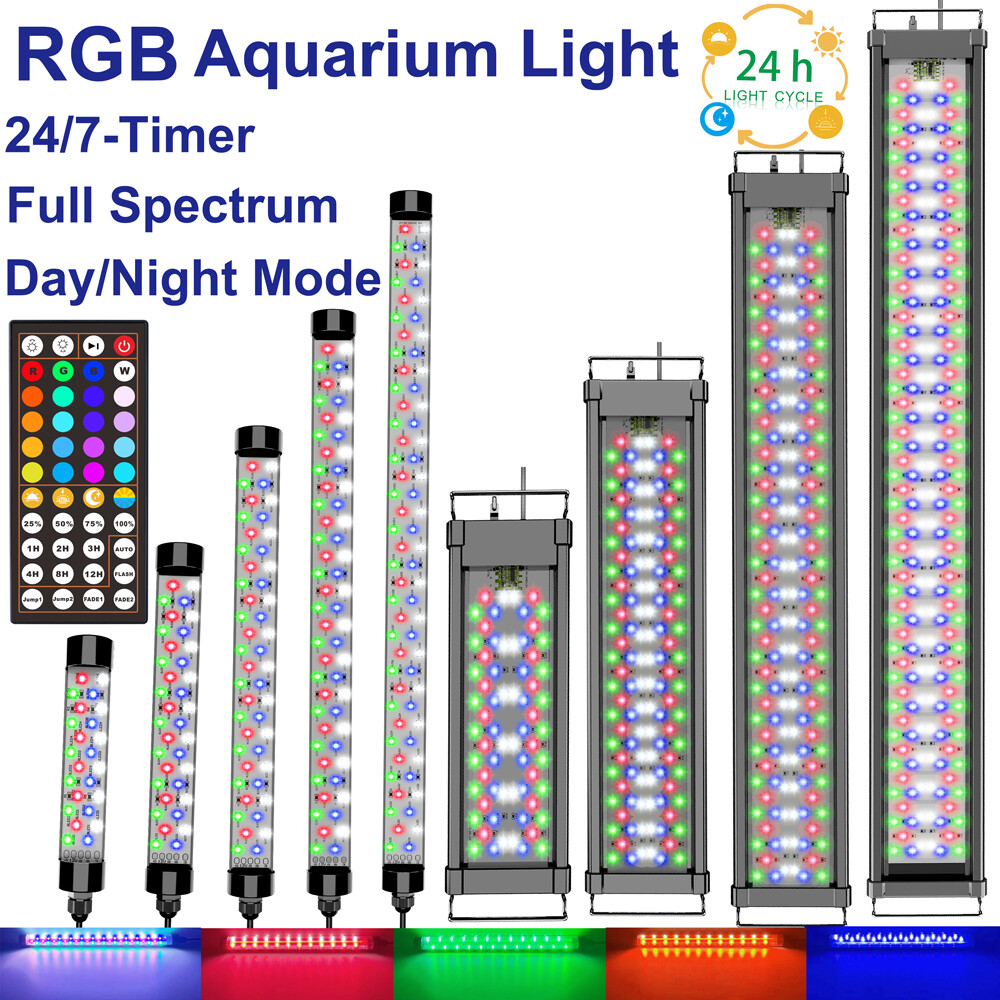
Adjusting light to match water type keeps fish healthy and colorful.
Credit: www.ebay.com
Lighting Duration And Intensity
Light plays a key role in showing off vibrant fish colors. The right length and strength of light help fish look their best. Too much or too little light can hide their true colors.
Understanding how long and how bright the light should be is important for a healthy aquarium. This guide covers daily light cycles and avoiding overexposure.
Daily Light Cycles
Fish need a regular light schedule to keep their colors bright. Most fish do well with 8 to 10 hours of light each day. This mimics their natural environment and helps them stay healthy.
- Set a timer to keep light periods consistent
- Use medium intensity lighting to avoid stress
- Keep light cycles steady to support fish behavior
- Adjust duration slightly for different fish species
Avoiding Overexposure
Too much light can harm fish and fade their colors. Overexposure may cause stress and algae growth. It is important to balance light intensity and duration.
| Light Intensity | Recommended Duration | Effect of Overexposure |
| Low (200-400 lux) | 8-12 hours | Colors stay bright, minimal algae |
| Medium (400-700 lux) | 8-10 hours | Good color display, watch for algae |
| High (700+ lux) | 6-8 hours | Stress to fish, algae grows fast |
Tips To Boost Brightness Instantly
Light affects how bright your fish look in the tank. Using the right light can make fish colors shine.
This guide shows simple tips to improve fish colors by adjusting light in your aquarium.
Using Reflectors
Reflectors bounce light back into the tank. They help spread light evenly on your fish.
Adding reflectors can increase brightness without extra bulbs or power.
- Place reflectors behind lights to direct more light down
- Use shiny materials like aluminum for better reflection
- Clean reflectors often to keep them bright
Positioning Lights Effectively
Where you put your lights changes how colors show. Position lights to avoid dark spots.
Lights should focus on fish areas, not just plants or decorations.
- Place lights at the front for direct brightness
- Use adjustable fixtures to change light angle
- Keep lights close, but not too close to fish
Combining Light Sources
Use different types of lights to enhance fish colors. Mix daylight and colored lights.
This mix shows colors clearly and makes fish look lively.
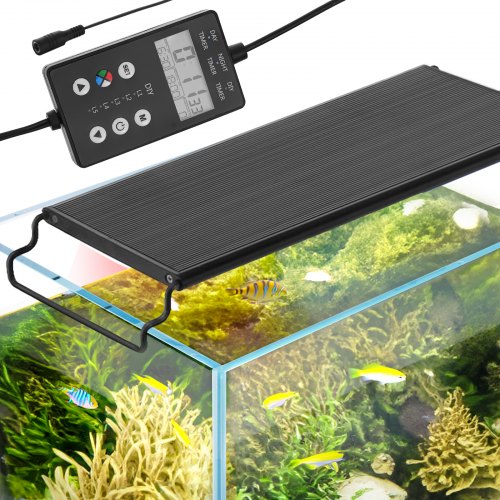
- Use LED lights with cool white for brightness
- Add blue or red lights to bring out specific colors
- Balance light types to avoid too much glare
Credit: www.vevor.com
Frequently Asked Questions
What Light Spectrum Enhances Fish Color Vibrancy Best?
The blue and red light spectrum enhances fish colors best. These wavelengths boost natural pigmentation and make colors vivid. Full-spectrum LED lights mimic natural sunlight and improve overall fish appearance. Using the right light spectrum promotes healthier, more vibrant fish in aquariums.
How Does Light Affect Fish Color Intensity?
Light affects fish color intensity by stimulating pigment cells. Proper lighting activates chromatophores, enhancing brightness and contrast. Insufficient or harsh light can dull fish colors. Balanced light promotes natural hues and highlights unique patterns in fish species.
Can Led Lights Improve Aquarium Fish Colors?
Yes, LED lights improve aquarium fish colors effectively. They offer customizable spectrums to match fish needs. LEDs provide energy efficiency and long-lasting brightness. Using LEDs helps create optimal conditions for vibrant, healthy fish.
What Is The Ideal Lighting Duration For Fish Color?
The ideal lighting duration for fish color is 8 to 10 hours daily. Consistent light cycles mimic natural environments and support pigment development. Overexposure can stress fish, while too little light reduces color vibrancy.
Conclusion
Choosing the right light spectrum helps fish show their best colors. Different fish need different lights to look bright and healthy. Proper lighting also supports fish behavior and tank plants. Remember to balance light intensity and duration for a natural feel.
Watching vibrant fish makes the aquarium more enjoyable. Small changes in lighting can make a big difference. Keep experimenting to find what suits your fish best. Bright, colorful fish make your tank a lively and happy place.