
If you want your coral tank to thrive and glow with vibrant colors, understanding the light spectrum is key. The right light can make a huge difference in your coral’s health and growth.
But with so many options out there, how do you know which light spectrum is best for your tank? This guide will help you unlock the secrets of light, so you can create the perfect environment for your corals to flourish.
Keep reading to discover how the right spectrum can transform your coral tank like never before.
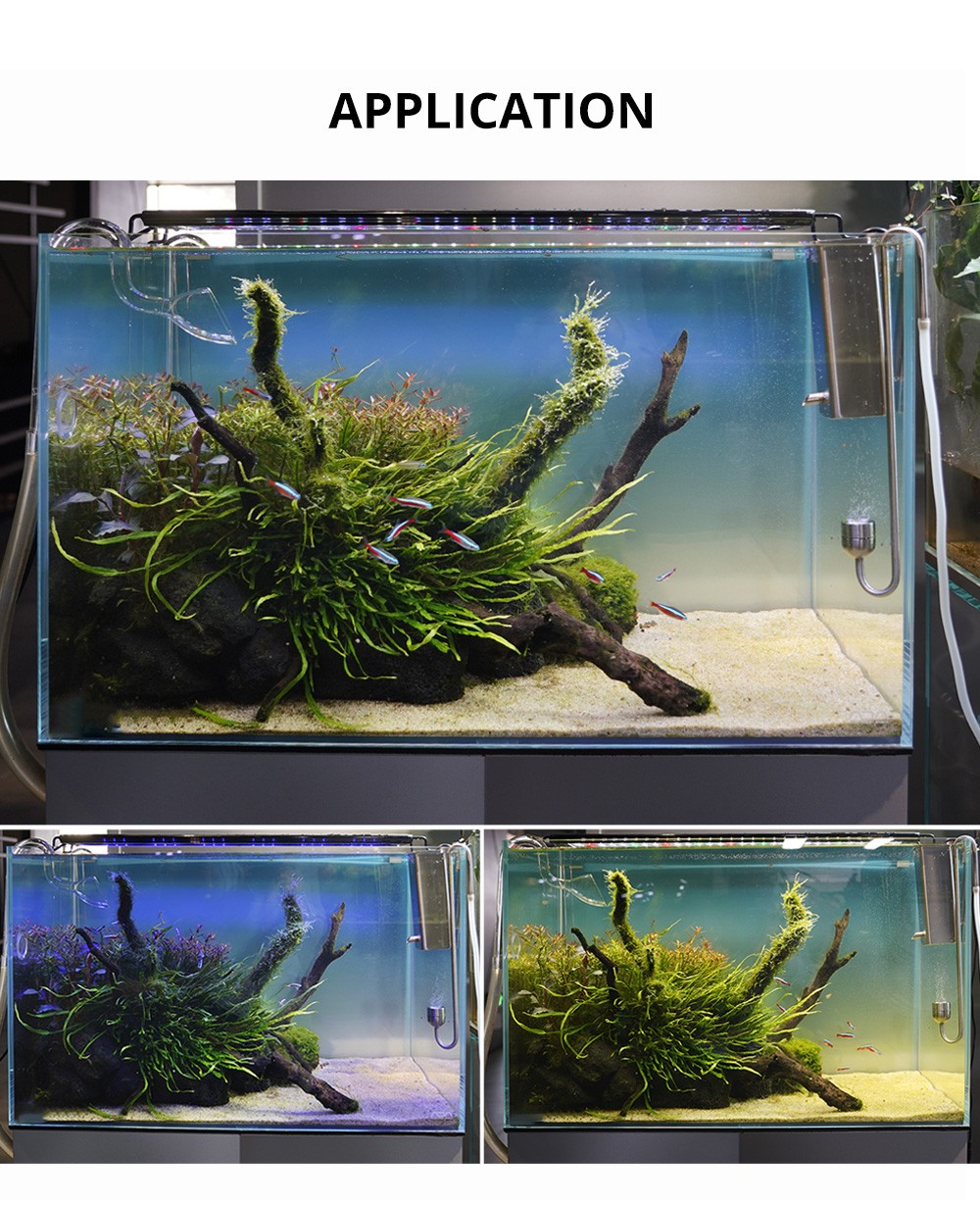
Credit: www.spectra-aquarium.com
Importance Of Light In Coral Tanks
Light plays a key role in keeping coral tanks healthy. It affects how corals grow and stay strong.
Choosing the right light helps create a natural environment. This supports the coral’s needs and beauty.
Role Of Light In Coral Health
Light helps corals survive by providing energy. It also influences their color and overall health.
- Supports coral pigmentation
- Maintains coral metabolism
- Helps corals fight disease
- Promotes reproduction and growth
Photosynthesis And Coral Growth
Corals depend on tiny algae called zooxanthellae. These algae live inside coral tissues and use light to create food.
| Light Spectrum | Effect on Photosynthesis | Coral Growth Impact |
| Blue (400-500 nm) | High energy absorption | Promotes strong growth |
| Green (500-570 nm) | Moderate absorption | Supports moderate growth |
| Red (620-750 nm) | Low absorption | Minimal growth effect |
Types Of Light Spectrums For Coral Tanks
Lighting is very important for coral tanks. Different light spectrums help corals grow and show their colors.
Each light spectrum has a special role. Knowing these types helps you pick the right light for your coral tank.
Blue Light Spectrum
Blue light helps corals with photosynthesis. It makes coral colors look bright and vibrant.
This light penetrates water well. It is important for deep or large tanks where light must travel far.
White Light Spectrum
White light is like natural sunlight. It provides a balance of colors that corals need to thrive.
It helps corals grow strong and supports all types of coral species in the tank.
Actinic Light Spectrum
Actinic light is a type of blue light with a purple tint. It enhances coral fluorescence and makes colors pop.
This spectrum supports coral health by providing light that corals use for energy in low-light conditions.
Full Spectrum Lighting
Full spectrum lighting combines all light colors. It mimics natural sunlight closely.
This type of light supports coral growth and shows off their true colors in the tank.
- Includes blue, white, and other light colors
- Helps corals perform photosynthesis better
- Creates a natural look for your tank
Choosing The Right Light Spectrum
Light plays a key role in the health of coral tanks. Different corals need different light colors to grow well. Picking the right light spectrum helps corals get energy and show their best colors.
Understanding how light affects corals makes it easier to set up your tank. The correct spectrum supports photosynthesis and coral development.
Matching Spectrum To Coral Species
Each coral species reacts best to certain light colors. Soft corals and LPS corals often prefer warmer light with more reds and yellows. SPS corals do better with cooler blue and violet light.
- Soft Corals: Warm spectrum (3000K to 4500K)
- LPS Corals: Moderate spectrum with reds and blues
- SPS Corals: Strong blue and violet spectrum (10000K to 20000K)
- Mushrooms and Zoanthids: Low to moderate blue light
Balancing Intensity And Spectrum
Light intensity and spectrum must work together. Too much light can stress corals. Too little light can slow growth. Balance helps keep corals healthy and colorful.
| Light Type | Intensity Level | Best Coral Type |
| Low Intensity | 20-40 PAR | Soft Corals, Mushrooms |
| Medium Intensity | 40-80 PAR | LPS Corals, Zoanthids |
| High Intensity | 80-200+ PAR | SPS Corals |
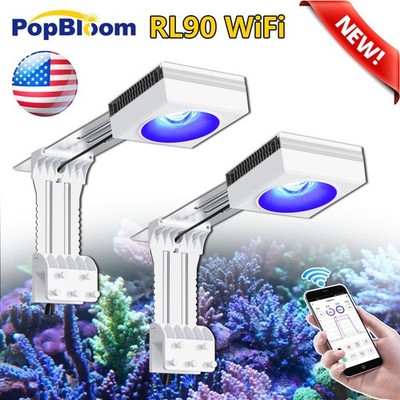
Credit: www.ebay.com
Light Intensity And Duration
Light is very important for coral tanks. Corals need the right light to grow and stay healthy. Both the amount of light and how long it shines matter.
Too much light can harm corals. Too little light can stop their growth. Finding the right balance is key for a thriving coral tank.
Optimal Light Levels For Growth
Corals need a certain light intensity to make food through photosynthesis. This light comes from the blue and white parts of the spectrum.
Light intensity is measured in PAR (Photosynthetically Active Radiation). Different corals need different PAR levels to grow well.
- Soft corals need 50 to 150 PAR
- Hard corals need 200 to 400 PAR
- Very bright light can cause coral bleaching
- Use adjustable lights to control intensity
Setting Light Cycles
Corals also need regular light and dark periods. This cycle helps their natural rhythms and growth.
A typical light cycle is 8 to 12 hours of light per day. Night time without light lets corals rest and recover.
- Start with 8 hours of light for new tanks
- Increase to 10-12 hours for mature tanks
- Use timers for consistent light cycles
- Simulate sunrise and sunset with dimming
Types Of Lighting Fixtures
Lighting plays a key role in coral tank health and growth. Choosing the right fixture helps provide the right light spectrum.
Different lighting types offer various benefits and challenges. Understanding these helps pick the best option for your coral tank.
Led Lights
LED lights are popular for coral tanks because they use less energy. They last long and produce less heat than other lights.
- Adjustable spectrum for coral needs
- Low power consumption
- Long lifespan
- Low heat output
T5 Fluorescent Lights
T5 fluorescent lights give bright, even lighting. They are easy to install and replace. They work well for shallow tanks.
| Feature | Details |
| Light Output | High, even spread |
| Heat | Moderate heat generation |
| Lifespan | About 10,000 hours |
| Cost | Moderate initial cost |
Metal Halide Lights
Metal halide lights provide intense light needed for deep tanks. They produce strong blue and white light for coral growth.
Metal halide lights have these features:
- Very bright output
- High heat production
- Shorter bulb life
- Higher energy use
Enhancing Coral Colors With Spectrum
Coral tanks need the right light spectrum for vibrant colors. Light affects coral growth and appearance.
Different light spectrums can change how corals look. Understanding these effects helps maintain colorful tanks.
Spectrum Effects On Pigmentation
Light spectrum influences coral pigmentation. Certain wavelengths bring out vivid colors.
Corals use pigments to protect themselves from light. These pigments change with different light spectrums.
- Blue light enhances blue and purple tones
- Red light can deepen red and orange hues
- Green light is less effective for color enhancement
Tips For Vibrant Coral Colors
Choose the right lighting for your coral tank. This helps maintain bright and healthy corals.
Position lights correctly and monitor their intensity. Adjust settings to best suit your coral species.
- Use LED lights with adjustable spectrums
- Test different light settings for best results
- Ensure consistent light schedule for coral health
Common Lighting Mistakes
Lighting is key for coral tanks. Good light helps corals grow and stay healthy. Many hobbyists make mistakes that harm their corals.
Understanding common lighting errors can save your coral from stress and damage. Below are two frequent issues with lighting.
Overexposure And Coral Stress
Too much light can cause coral bleaching and stress. Corals get tired and lose their color if exposed to strong light for long.
- Bright lights on high settings without adjustment
- Leaving lights on for too many hours daily
- Not giving corals a shaded area to rest
- Using intense light too soon after adding new corals
Overexposure makes corals expel algae that give them color. This harms coral health and slows growth.
Insufficient Lighting Problems
Too little light also causes trouble. Corals need enough light for photosynthesis. Without it, they become weak and pale.
| Problem | Effect on Coral |
| Low light intensity | Slow growth and dull colors |
| Short light duration | Insufficient energy for coral |
| Wrong light spectrum | Reduced photosynthesis |
To avoid these problems, use the right light spectrum and time for your coral types. Observe your corals daily for signs of stress.

Credit: www.ebay.com
Maintaining And Adjusting Light Spectrum
Light spectrum is vital for coral tank health. It affects growth and color.
Regular maintenance and spectrum adjustments help corals thrive. Learn how to keep your tank in top condition.
Regular Light Fixture Maintenance
Keeping your light fixtures clean ensures optimal performance. Dust and salt can block light.
- Clean fixtures weekly using a damp cloth
- Check for salt buildup and remove it
- Inspect bulbs for any signs of wear
- Replace old bulbs regularly
Adjusting Spectrum For Growth Stages
Different coral growth stages need specific light spectrums. Adjusting the spectrum can enhance growth.
Use a spectrum controller to fine-tune light settings. A balanced spectrum promotes healthy coral development.
| Growth Stage | Recommended Spectrum |
| Early Growth | 12,000K |
| Mature Growth | 14,000K |
| Reef Building | 20,000K |
Frequently Asked Questions
What Is The Ideal Light Spectrum For Coral Tanks?
The ideal spectrum includes blue and actinic lights between 400-500 nm. These wavelengths promote coral photosynthesis and vibrant colors effectively.
How Does Light Spectrum Affect Coral Growth?
Light spectrum influences coral photosynthesis and pigmentation. Proper spectrum ensures healthy growth and prevents bleaching by mimicking natural sunlight.
Can Led Lights Provide The Right Spectrum For Corals?
Yes, LED lights can be customized to emit specific wavelengths. They are energy-efficient and support coral health with adjustable spectra.
Why Is Blue Light Important In Coral Tanks?
Blue light penetrates water deeply and enhances coral fluorescence. It stimulates zooxanthellae algae, crucial for coral nutrition and growth.
Conclusion
Choosing the right light spectrum helps coral tanks thrive. Coral needs light to grow and show colors. Blue and white lights are most common and effective. Balancing light intensity prevents stress and promotes health. Regularly check and adjust lights for best results.
Good lighting brings beauty and life to your tank. Keep learning and observing your corals’ response to light. A well-lit tank makes coral care rewarding and fun.