
Are you struggling to keep your community tank healthy and vibrant? One key factor you might be overlooking is light intensity.
Getting the right amount of light can make all the difference for your fish and plants. Too much light can cause algae to take over, while too little can leave your tank dull and lifeless. You’ll discover simple, effective ways to adjust your tank’s light intensity.
By the end, you’ll know exactly how to create the perfect environment that keeps your aquatic community thriving. Keep reading to unlock the secrets of light and transform your tank today!
Importance Of Light Intensity
Light intensity plays a key role in community tanks. It affects the health of fish, plants, and other aquatic life. Proper light helps keep the tank balanced and lively.
Too much or too little light can cause problems. Adjusting light intensity helps create a good environment for all tank inhabitants.
Effects On Aquatic Life
Aquatic animals need the right light to stay healthy. Light affects their behavior and natural cycles. Fish may hide or be active depending on light levels.
Proper light helps maintain their natural rhythms like feeding and breeding. Too bright light can stress fish, while too dim light can make them inactive.
Role In Plant Growth
Plants in community tanks need light to grow. Light helps plants make food through photosynthesis. The right intensity supports healthy leaves and roots.
Low light slows plant growth and can cause leaves to die. Strong light promotes growth but may need more care to avoid algae problems.
- Light helps plants produce oxygen for fish
- Good light keeps plants green and strong
- Proper light supports natural plant cycles
Influence On Algae Development
Algae growth depends on light intensity. Too much light can cause algae to grow quickly. This can cloud the water and harm plants.
Adjusting light helps control algae. Lower light slows algae but still supports plants and fish. Balance is important to keep algae under control.
- High light leads to more algae
- Lower light reduces algae growth
- Balanced light keeps tank clean and healthy
Types Of Lighting For Community Tanks
Lighting is important for community tanks to keep fish healthy. It also helps plants grow and shows fish colors well.
There are several types of lighting. Each type has different features and uses. Choosing the right light can improve your tank’s look and life.
Led Lights
LED lights use less energy and last longer than other lights. They come in many colors and brightness levels. You can adjust LED lights to fit your tank’s needs.
LED lights also produce less heat. This helps keep water temperature steady. Many models have timers and dimmers for better control.
Fluorescent Lights
Fluorescent lights are common in fish tanks. They give bright light and cover large areas well. They are good for tanks with live plants.
- Cooler than halogen lights
- Energy efficient
- Available in tubes or bulbs
- Needs replacing every 1-2 years
Halogen And Incandescent Options
Halogen and incandescent lights are less common now. They use more power and create more heat. These lights give a warm color but can stress fish if too hot.
| Type | Energy Use | Heat Produced | Brightness |
| Halogen | High | High | Bright |
| Incandescent | High | High | Moderate |
| LED | Low | Low | Varies |
| Fluorescent | Moderate | Low | Bright |
Measuring Light Intensity
Light intensity affects the health of plants and animals in community tanks. It is important to measure light to keep the tank balanced. Proper light helps photosynthesis and keeps species active.
There are simple ways to check light levels. You can use tools or estimate without any devices. Knowing the right light helps avoid stress and promotes growth.
Using A Light Meter
A light meter measures the amount of light in your tank. It shows results in lux or foot-candles. You hold the sensor near the tank surface to get a reading.
Light meters give accurate numbers. You can adjust your lights based on these readings. This helps you provide the right brightness for all tank species.
Estimating Without Tools
If you do not have a light meter, you can estimate light levels by observing the tank. Look at plant growth and fish behavior. Bright tanks have strong shadows and clear details.
- Check if plants grow tall or stretch for light
- Look for algae growth as a sign of too much light
- Notice if fish hide often or stay active
- Use a smartphone camera to compare brightness
Ideal Light Levels For Various Species
| Species Type | Light Level (Lux) |
|---|---|
| Low Light Plants | 50 – 150 |
| Medium Light Plants | 150 – 300 |
| High Light Plants | 300 – 600 |
| Community Fish Only | 100 – 250 |
| Bright Color Fish | 200 – 400 |

Credit: www.reddit.com
Adjusting Light Intensity
Light intensity is important for healthy community tanks. It helps plants and animals grow well. Adjusting light helps create the right environment.
Too much or too little light can harm your tank. Learn how to control light with simple tools and setups.
Dimmers And Controllers
Dimmers let you lower or raise the light brightness easily. Controllers can adjust light based on time or tank needs. Both help keep the light steady and safe.
Using a dimmer or controller saves energy and prevents stress for fish and plants. It is a smart way to manage light without guesswork.
Distance And Positioning
Moving the light closer or farther changes how bright it is. Position the light to cover the tank evenly. This prevents dark spots and over-lit areas.
Check the light angle to avoid glare or shadows. Adjusting height helps control heat too, which keeps fish safe.
- Raise light to reduce intensity
- Lower light to increase brightness
- Center light for even coverage
- Avoid direct light on one spot
Using Reflectors And Diffusers
Reflectors bounce light to spread it wider. They make the light cover more of the tank without adding more bulbs. Diffusers soften the light to reduce harsh spots.
Using reflectors and diffusers helps balance light intensity. They protect plants and animals from bright, direct light damage.
- Reflectors increase light spread
- Diffusers create softer light
- Both reduce hot spots
- They improve energy use
Balancing Light For Plants And Fish
Light is very important in community tanks. It helps plants grow and keeps fish healthy.
Too much or too little light can cause problems. You need the right balance for both plants and fish.
Meeting Plant Photosynthesis Needs
Plants need light to make food through photosynthesis. They use light energy to grow and stay healthy.
Most aquatic plants need moderate light for about 8 to 10 hours each day. This helps them thrive without wasting energy.
- Use full-spectrum lights for better plant growth
- Keep light on for 8 to 10 hours daily
- Adjust light intensity to avoid burning plant leaves
Avoiding Stress In Fish
Fish can get stressed if the light is too bright or changes suddenly. Stress makes fish sick and weak.
Keep light levels gentle and stable. Use timers to keep the light on and off at the same time each day.
- Use dim or shaded areas in the tank
- Turn lights on and off gradually
- Choose light colors that are soft for fish
Preventing Excessive Algae Growth
Too much light can cause algae to grow fast. Algae covers plants and makes the tank dirty.
Limit light duration and intensity to control algae. Keep the tank clean and avoid extra nutrients.
- Set light time to 8-10 hours daily
- Use medium light intensity
- Clean tank regularly to remove algae
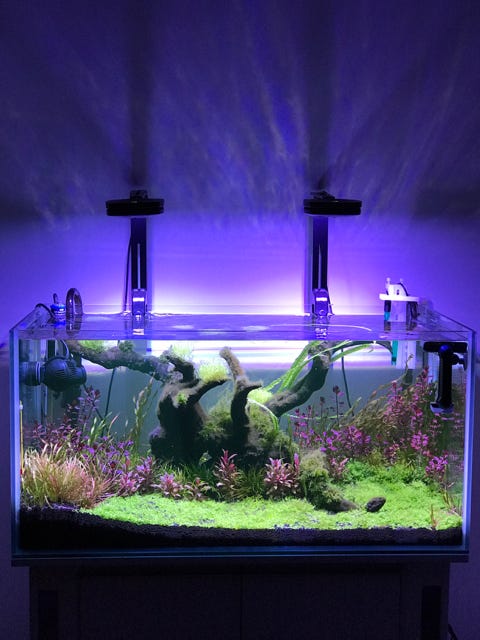
Credit: www.plantedtank.net
Lighting Schedules And Timers
Managing light in community tanks is vital for fish and plant health. Using schedules and timers helps maintain a stable environment.
Automation with timers can mimic natural light cycles, reducing stress for aquatic life. It also supports plant growth by providing consistent lighting.
Optimal Daily Light Periods
Most community tanks benefit from 8 to 10 hours of light each day. Too much light can lead to algae growth, while too little can harm plants.
- Set lights to turn on in the morning.
- Ensure an 8-10 hour light cycle.
- Adjust based on plant and fish needs.
Simulating Natural Cycles
Mimicking sunrise and sunset can benefit tank inhabitants. Gradual changes in light intensity help fish adapt smoothly to changes.
Consider using programmable LED lights for gradual light changes, creating a more natural environment.
Adjusting For Seasonal Changes
Seasons affect natural light, and tanks might need adjustments. Shorter days in winter might mean slightly longer artificial light periods.
| Season | Light Hours |
| Spring | 9 hours |
| Summer | 8 hours |
| Fall | 9 hours |
| Winter | 10 hours |
Common Mistakes And Solutions
Adjusting light intensity in community tanks can be challenging. Mistakes often lead to poor health in aquatic life. Learn about common errors and how to fix them.
Proper lighting is crucial for fish and plant health. Too much or too little light can cause problems. Let’s explore common lighting issues and solutions.
Overexposure Issues
Too much light can stress fish and cause algae growth. It is important to adjust light duration and intensity.
- Reduce light duration to 8-10 hours per day.
- Use a timer to control lighting automatically.
- Choose LED lights with adjustable brightness.
Underlighting Problems
Insufficient light affects plant growth and fish activity. Low light can also lead to dull colors in fish.
| Problem | Solution |
| Plants not growing | Increase light intensity |
| Dull fish colors | Ensure 8-10 hours of light daily |
| Low fish activity | Check light quality and replace if needed |
Troubleshooting Algae Bloom
Algae blooms are common with incorrect lighting. They make tanks look dirty and affect water quality.
Maintenance And Upgrades
Proper light intensity is important for community tanks. Regular maintenance keeps lights working well. Upgrading parts can save energy and improve tank health.
Clean and replace parts as needed. Choose better lighting options for better results. This guide helps you maintain and upgrade your tank lighting.
Cleaning Light Fixtures
Clean light fixtures often to keep brightness high. Dust and algae can block light and reduce intensity.
Use a soft cloth and mild cleaner. Avoid harsh chemicals that can damage fixtures or harm fish.
- Turn off and unplug lights before cleaning
- Wipe fixture surfaces gently
- Clean covers and reflectors carefully
- Check for moisture or corrosion
- Dry all parts before turning lights on
Replacing Bulbs
Bulbs lose brightness over time. Replace them regularly for consistent light intensity.
Match new bulbs to your tank’s lighting needs. Use the correct size and type to avoid damage.
- Turn off power before changing bulbs
- Handle bulbs with clean, dry hands
- Dispose of old bulbs safely
- Check manufacturer’s guidelines
- Test new bulbs after installation
Upgrading To Energy-efficient Options
Energy-efficient lights reduce power use and heat output. They last longer and save money.
LED lights are a good choice. They provide strong light with less energy. Upgrade to improve your tank’s environment.
- Choose LED bulbs designed for aquariums
- Look for adjustable brightness features
- Check compatibility with existing fixtures
- Consider timers for automatic control
- Compare energy ratings before purchase

Credit: www.reddit.com
Frequently Asked Questions
What Is The Ideal Light Intensity For Community Tanks?
The ideal light intensity varies by tank inhabitants. Generally, moderate light supports plant growth without stressing fish. Aim for 20-40 lumens per liter for balanced ecosystems.
How Does Light Intensity Affect Fish Behavior?
Light intensity influences fish activity and stress levels. Too much light can cause hiding and aggression. Proper adjustment promotes natural behavior and comfort for all species.
Can Light Intensity Impact Algae Growth In Tanks?
Yes, high light intensity accelerates algae growth. Controlling light duration and brightness helps prevent excessive algae, maintaining a clean and healthy tank environment.
How To Measure Light Intensity In Community Aquariums?
Use a lux or PAR meter to measure light intensity accurately. These tools ensure correct light levels for plants and fish, optimizing tank health.
Conclusion
Adjusting light intensity helps keep fish healthy and happy. Bright light can stress some fish, while dim light suits others. Finding the right balance supports plant growth and fish comfort. Watch how your fish react and change light as needed.
A well-lit tank looks beautiful and feels natural. Small adjustments make a big difference in your community tank. Keep learning and observing to create a peaceful home for all. Light matters—use it wisely for a thriving aquarium.