
If you have a species-specific tank, you know how important it is to create the perfect environment for your aquatic friends. One of the biggest factors that can make or break their health and happiness is lighting.
But not all lights are the same. Choosing the right LED lighting can help your tank’s plants thrive, keep your fish active, and even bring out their best colors. You’ll discover how to pick the ideal LED lighting tailored to your tank’s unique needs, so your underwater world can truly shine.
Keep reading to unlock the secrets to lighting that works just for your species-specific tank.
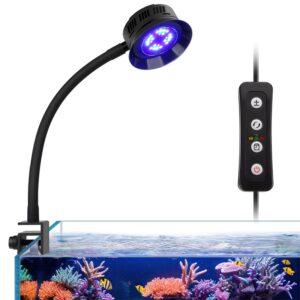
Credit: www.hygger-online.com
Benefits Of Led Lighting
LED lighting offers many advantages for species-specific tanks. It supports tank inhabitants by providing suitable light levels and colors. Using the right light helps plants and animals thrive.
LED lights also save energy and last a long time. They are easy to adjust for different species and tank setups. These benefits make LED lighting a smart choice.
Energy Efficiency
LED lights use less electricity than traditional bulbs. This lowers power bills and reduces heat output. Cooler tanks protect sensitive species from stress.
- Consumes up to 80% less energy
- Generates minimal heat
- Reduces need for extra cooling
- Supports eco-friendly tank care
Longevity And Durability
LED lights last much longer than other types of lighting. They resist shocks and vibrations, making them ideal for tanks. Long life means fewer replacements and less waste.
| Light Type | Average Lifespan |
| LED | 25,000 to 50,000 hours |
| Fluorescent | 7,000 to 15,000 hours |
| Incandescent | 1,000 to 2,000 hours |
Customizable Light Spectrum
LED lighting allows you to adjust colors and intensity. This matches the needs of different species and plants. Custom light helps simulate natural environments in tanks.
- Choose blue light for coral growth
- Use red light to enhance plant photosynthesis
- Adjust brightness for day and night cycles
- Mix colors to create natural-looking scenes

Credit: www.reddit.com
Light Requirements By Species
Different aquatic species need different light types and intensities. Using LED lighting helps meet these needs well.
Choosing the right light supports fish health and plant or coral growth. It also shows their colors best.
Freshwater Fish
Most freshwater fish prefer moderate light levels. Too much light can stress them or cause algae growth.
LED lights with adjustable brightness work well. Use timers to mimic natural day and night cycles.
- Low to medium brightness suits most species
- Use full-spectrum LEDs for natural colors
- Provide 8 to 12 hours of light daily
Saltwater Fish
Saltwater fish often need brighter light than freshwater fish. They come from clear ocean waters.
LEDs with strong blue and white light show their colors well. Avoid sudden light changes to reduce stress.
- Medium to high brightness recommended
- Include blue spectrum for ocean effect
- Light duration around 10 to 12 hours
Corals And Invertebrates
Corals and many invertebrates need intense light to grow. They rely on light for photosynthesis.
Use LED lights with strong blue and violet wavelengths. This helps their symbiotic algae produce food.
| Species Type | Light Intensity | Light Spectrum | Daily Light Hours |
|---|---|---|---|
| Soft Corals | Medium to high | Blue and white | 8-10 hours |
| Hard Corals | High | Blue, violet, white | 10-12 hours |
| Invertebrates (e.g., shrimp) | Low to medium | Full spectrum | 8-10 hours |
Choosing The Right Led Setup
Choosing the right LED lighting is important for species-specific tanks. Different species need different light to stay healthy.
This guide helps you pick the best LED setup for your tank. It covers wattage, color temperature, and automation options.
Wattage And Intensity
Wattage shows how much power the LED uses. Intensity means how bright the light is. Both affect how well plants and animals grow.
Species like corals need high intensity, while fish-only tanks need less light. Too much light can harm some species.
- Low wattage suits small tanks or low-light species
- High wattage works for tanks with plants or corals
- Adjust intensity to match species needs
Color Temperature
Color temperature measures light color in Kelvin (K). It affects how natural the tank looks and how species behave.
Cooler light (5000K–7000K) looks blue and suits marine tanks. Warmer light (3000K–5000K) suits freshwater plants and fish.
- 5000K to 7000K for saltwater and coral tanks
- 3000K to 5000K for freshwater planted tanks
- Match color temperature to species’ natural habitat
Lighting Timers And Automation
Timers help keep a regular light cycle. Species need consistent day and night periods to stay healthy.
Automation can turn lights on and off automatically. This reduces stress on species and helps plants grow well.
- Set timer for 8 to 12 hours of light daily
- Use automation to mimic natural sunrise and sunset
- Keep lighting consistent for stable tank conditions
Impact On Aquarium Health
LED lighting plays a vital role in the health of species-specific tanks. Proper light helps maintain a balanced ecosystem. It affects plants, fish, and algae in the tank.
Choosing the right LED light can support the natural needs of your aquarium’s inhabitants. This improves their growth, behavior, and overall tank condition.
Promoting Plant Growth
Plants need specific light wavelengths to grow well. LED lights can be adjusted to provide the right colors and intensity. This helps plants perform photosynthesis efficiently.
- Red and blue light boost plant growth
- Proper light duration supports healthy development
- Adjustable LED settings match different plant species
- Good lighting reduces plant stress and decay
Enhancing Fish Behavior
Fish rely on light for their daily activities. LED lighting simulates natural day and night cycles. This helps fish stay active and reduces stress.
| Light Feature | Effect on Fish |
| Soft blue light | Calms shy species |
| Bright white light | Encourages active swimming |
| Color changes | Stimulates natural behaviors |
Preventing Algae Overgrowth
Too much light can cause algae to grow fast. LED lighting can be controlled to limit this problem. Proper light balance keeps the tank clean and healthy.
Tips to control algae with LED lighting:
- Use timers to limit light hours
- Choose light spectrum that favors plants over algae
- Maintain regular cleaning routines
Installation And Maintenance Tips
LED lighting is important for species-specific tanks. It helps fish and plants stay healthy.
Good installation and care keep the lights working well for a long time.
Proper Placement
Place LED lights where they shine evenly across the tank. Avoid bright spots that stress fish.
Keep lights away from water splashes to prevent damage and reduce risks.
- Install lights above the tank, centered if possible
- Use adjustable mounts to change light height
- Keep distance based on species needs
- Protect lights from water and humidity
Cleaning And Care
Clean LED lights regularly to remove dust and water spots. Clean lights work better.
Use a soft cloth and mild cleaner. Avoid harsh chemicals that damage the light cover.
- Turn off and unplug lights before cleaning
- Wipe gently to avoid scratching
- Check for corrosion on connectors
- Replace bulbs or parts if flickering occurs
Troubleshooting Common Issues
If the LED lights do not turn on, check the power source and connections first.
Flickering lights may mean loose wires or faulty bulbs. Replace parts if needed.
- Ensure power cord is plugged in securely
- Look for damaged wires or connectors
- Reset the light system if it has a switch
- Contact support if problems continue
Credit: www.cichlid-forum.com
Frequently Asked Questions
What Is Led Lighting For Species-specific Tanks?
LED lighting is tailored illumination designed to meet the needs of specific aquatic species. It enhances tank aesthetics and supports plant growth and fish health. Different species require unique light spectrums and intensities to mimic their natural habitats effectively.
How Does Led Lighting Benefit Aquatic Species?
LED lighting provides energy-efficient, customizable light that mimics natural conditions. It promotes healthy fish behavior and plant photosynthesis. Proper lighting reduces stress and enhances coloration, improving overall tank vitality and species well-being.
Can Led Lighting Improve Tank Plant Growth?
Yes, LED lighting can significantly enhance plant growth. It provides the right light spectrum needed for photosynthesis. Adjustable intensity and timing help simulate natural day-night cycles, promoting healthy, lush aquatic plants in species-specific tanks.
What Factors To Consider For Species-specific Led Lighting?
Consider species’ natural habitat light intensity, spectrum, and photoperiod. Match LED settings to replicate these conditions. Also, account for tank size, plant types, and fish behavior to ensure optimal health and tank balance.
Conclusion
Choosing the right LED lighting helps keep species healthy and happy. It supports their natural behavior and growth. Proper light makes tanks look bright and natural. It also saves energy and lasts longer than old bulbs. Pay attention to each species’ needs for best results.
Good lighting creates a balanced and beautiful tank environment. Simple changes can improve your tank’s health and appearance. LED lighting fits well with any setup. Make lighting a part of your tank care routine.