
Are you looking to grow soft corals that thrive and glow with vibrant colors? Choosing the right lighting can make all the difference in your coral propagation success.
LED lighting has become a game-changer for hobbyists and professionals alike. It provides the perfect balance of light intensity and spectrum, helping your soft corals flourish like never before. You’ll discover how LED lighting can boost your coral growth, what settings work best, and practical tips to get the most out of your setup.
Ready to take your soft coral propagation to the next level? Keep reading to unlock the secrets of LED lighting that can transform your underwater garden.
Benefits Of Led Lighting For Corals
LED lighting is popular for growing soft corals in aquariums. It helps corals grow healthy and strong. Many hobbyists use LED lights because they have many advantages.
Good lighting is important for coral health. LED lights offer features that help coral propagation and improve tank conditions.
Energy Efficiency And Cost Savings
LED lights use less electricity than traditional lighting. This saves money on power bills. They also produce less heat, so your aquarium stays cooler.
Lower energy use means less stress on your home’s electrical system. LED lights keep running costs low for coral keepers.
- Uses less power than other lights
- Reduces cooling needs
- Decreases electricity bills
- Lasts longer with steady performance
Customizable Light Spectrum
LED lights can change their colors and brightness. This helps mimic natural sunlight needed by soft corals. You can adjust the light to fit coral growth stages.
Different coral types need different light spectrums. LED lighting lets you set the best light for each coral species in your tank.
- Adjust blue and white light levels
- Supports photosynthesis in corals
- Helps corals show vibrant colors
- Tailors light to coral needs
Longevity And Durability
LED lights last much longer than other bulbs. They can work for many years without losing brightness. This means less frequent replacements.
These lights are tough and resist damage from moisture and heat. They keep working well even in humid aquarium environments.
- Long life span reduces costs
- Strong and moisture resistant
- Stable light output over time
- Less maintenance needed

Credit: www.ebay.com
Light Spectrum And Coral Growth
LED lighting plays a big role in growing soft corals. Different light colors help corals grow better and stay healthy.
Understanding the light spectrum helps you choose the right LEDs for coral propagation. Soft corals rely on specific wavelengths to photosynthesize and glow.
Key Wavelengths For Photosynthesis
Corals use light to make food through photosynthesis. The key light colors are blue and red. These colors help the coral’s algae produce energy.
- Blue light (around 450 nm) supports photosynthesis and coral health.
- Red light (around 660 nm) helps with energy absorption.
- Green light is less important but can affect coral color.
Blue Light And Coral Fluorescence
Blue light is the strongest trigger for coral fluorescence. This makes corals glow in bright colors.
| Wavelength (nm) | Effect on Coral |
| 420 – 470 | Enhances fluorescence and photosynthesis |
| 480 – 500 | Supports coral growth and pigment production |
Balancing Red And White Leds
Using both red and white LEDs gives corals a balanced light environment. White LEDs add broad spectrum light, while red LEDs boost photosynthesis.
| LED Type | Role | Wavelength Range (nm) |
|---|---|---|
| Red LEDs | Energy absorption for photosynthesis | 620-660 |
| White LEDs | Broad spectrum, simulating natural sunlight | 400-700 |
Setting Up Led Lights For Propagation
LED lights play a key role in growing soft coral. Proper light setup helps coral fragments grow strong and healthy. Using the right LED settings creates a good environment for coral propagation.
This guide covers the key points to set up LED lights. You will learn about intensity, timing, and placement. These factors improve coral growth and survival rates.
Optimal Intensity Levels
Soft corals need moderate light intensity for good growth. Too much light can stress the coral, while too little slows growth. LED lights should mimic natural sunlight levels found in shallow reefs.
| Light Intensity (PAR) | Recommended Range (µmol/m²/s) |
| Low Intensity | 50 – 100 |
| Moderate Intensity | 100 – 200 |
| High Intensity | 200 – 300 |
Light Duration And Photoperiod
Soft coral needs a balanced light schedule to grow well. The light should be on long enough to support photosynthesis but also allow rest periods. This cycle helps maintain coral health.
- Keep lights on for 8 to 12 hours daily
- Simulate natural day and night cycles
- Use timers for consistent light periods
- Adjust light duration as coral grows
Positioning And Coverage
Place LED lights evenly above coral to cover all fragments. Proper distance prevents light burn and ensures uniform growth. Adjust height based on light intensity and coral needs.
Tips for LED Positioning:
- Keep LEDs 12-18 inches above coral
- Avoid shadows by spacing lights evenly
- Use reflectors to improve light spread
- Check coral color and adjust light accordingly

Credit: www.reddit.com
Monitoring Coral Response
LED lighting helps soft corals grow well. Watching coral response shows if light is right.
Good monitoring keeps corals healthy and avoids damage from wrong light levels.
Signs Of Healthy Growth
Healthy soft corals have bright colors and open polyps. They grow new branches or tips.
Look for steady growth and no color fading. These signs mean the coral likes the light.
- Bright, vibrant colors
- Open and extended polyps
- New branch or tip growth
- No tissue recession
Adjusting Light Based On Coral Behavior
If corals close polyps often, the light may be too strong. Lower the LED intensity slowly.
When corals stretch toward the light, they may need more brightness. Increase light in small steps.
- Reduce light if polyps stay closed
- Increase light if corals stretch out
- Change light duration if growth slows
Preventing Light Stress
Light stress causes bleaching and tissue damage. Avoid sudden changes in LED brightness.
Use a gradual ramp-up and ramp-down schedule for your LED lighting. Monitor corals daily.
- Do not increase light too fast
- Keep stable light cycles
- Watch for color fading or shrinking polyps
- Adjust settings if stress signs appear
Complementary Factors For Growth
Soft coral propagation needs the right environment to grow well. Led lighting is important, but other factors also help corals thrive.
Water quality, temperature, and flow are key to healthy coral growth. Let’s explore these factors in detail.
Water Quality And Nutrients
Clean water is essential for coral health. Poor water can harm corals and slow their growth.
Nutrients like calcium and magnesium support coral skeletons. Test water regularly to keep levels balanced.
- Use a good filtration system
- Check pH and salinity levels
- Monitor nitrate and phosphate levels
Temperature Control
Corals need stable temperatures to grow. Sudden changes can stress them.
Use a heater or chiller to maintain a steady temperature. Most soft corals like water around 24-26°C (75-79°F).
- Check temperature daily
- Avoid placing tanks in direct sunlight
- Use a thermometer for accurate readings
Flow And Circulation
Good water flow helps corals get nutrients and oxygen. It also removes waste from their surface.
Adjust flow based on coral type. Some need gentle flow, while others prefer stronger currents.
- Position pumps to create varied flow
- Avoid stagnant areas in the tank
- Observe coral behavior to adjust flow
Common Challenges And Solutions
Growing soft corals with LED lighting can be tricky. Many issues may arise that affect coral health and growth.
This guide covers common problems and easy fixes to help maintain a healthy coral environment.
Algae Overgrowth Management
Algae can quickly cover soft corals and block light, harming their growth. Controlling algae is crucial for success.
- Keep lighting periods short to reduce algae growth.
- Use proper water flow to prevent algae buildup.
- Introduce algae-eating fish or invertebrates.
- Maintain stable water parameters to avoid excess nutrients.
- Clean tank surfaces regularly to remove algae spots.
Avoiding Coral Bleaching
Coral bleaching happens when corals lose their color. It is often caused by too much light or heat stress.
| Cause | Solution |
| Excessive LED intensity | Lower brightness or increase distance from corals |
| High water temperature | Use cooling fans or chillers to keep temperature stable |
| Sudden changes in lighting | Adjust lighting gradually over days |
| Poor water quality | Test and balance water chemistry regularly |
Troubleshooting Led Malfunctions
LED lights may stop working or flicker. This can stress corals and affect growth.
Common LED issues and fixes:
- Check power connections and cables.
- Replace faulty LED chips or modules.
- Clean lenses and cooling fans to prevent overheating.
- Reset or update LED controller firmware.
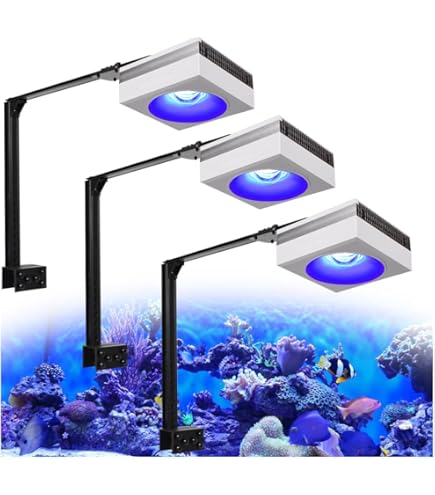
Credit: www.amazon.com
Frequently Asked Questions
What Is The Best Led Light For Soft Coral Growth?
The best LED light for soft coral growth offers full-spectrum output. It mimics natural sunlight and supports photosynthesis. Look for adjustable intensity and color settings to optimize coral health and propagation.
How Does Led Lighting Affect Soft Coral Propagation?
LED lighting provides consistent, energy-efficient light that encourages coral photosynthesis. It promotes faster growth and vibrant colors. Proper LED spectra improve coral health and increase successful propagation rates.
Can Led Lights Replace Traditional Aquarium Lighting?
Yes, LED lights can replace traditional lighting. They use less energy, emit less heat, and last longer. LEDs offer customizable spectrums that benefit soft coral growth more effectively than older lighting types.
What Led Settings Optimize Soft Coral Propagation?
Optimal LED settings include moderate intensity and a balanced blue-to-white light ratio. Use a photoperiod of 8-12 hours daily. Adjust light spectrum based on coral species for best propagation results.
Conclusion
LED lighting helps soft coral grow strong and healthy. It uses less energy and lasts longer than other lights. Soft corals need the right light colors and intensity. LED lights can be adjusted to fit these needs. This makes them a good choice for coral lovers.
With the right setup, corals can thrive and look beautiful. Choosing LED lighting supports coral health and saves money. Try LED lights to help your soft corals grow well. The results can be rewarding and easy to see.