
If you care deeply about your aquarium and the well-being of your sensitive fish species, choosing the right lighting is more important than you might think. The wrong light can stress your fish, affecting their health and behavior.
But what if there was a lighting option that not only highlights the beauty of your tank but also creates a calm and safe environment for your delicate aquatic friends? You’ll discover how LED lighting can transform your aquarium, keeping your sensitive fish comfortable and thriving.
Keep reading to learn how to make the best choice for your underwater world.
Benefits Of Led Lighting
LED lighting offers many benefits for sensitive fish species in aquariums. It provides the right environment to keep fish healthy and active.
This type of lighting helps mimic natural conditions while using less energy and lasting longer than traditional bulbs.
Energy Efficiency
LED lights use less electricity than other lighting options. This saves energy and reduces your power bill.
- Consume up to 80% less power
- Produce less heat, protecting water temperature
- Lower environmental impact due to reduced energy use
Longevity And Durability
LED bulbs last much longer than traditional bulbs. They are strong and resist damage better.
| Lighting Type | Average Lifespan |
| LED | 25,000 to 50,000 hours |
| Fluorescent | 8,000 to 15,000 hours |
| Incandescent | 1,000 to 2,000 hours |
Customizable Light Spectrum
LEDs can change colors and brightness to match fish needs. This helps create a natural and calm environment.
Advantages of Customizable Spectrum:
- Simulates natural daylight cycles
- Supports plant growth and fish health
- Reduces stress for sensitive species
Credit: www.signliteled.com
Light Requirements For Sensitive Fish
Sensitive fish need special lighting to stay healthy. Too much light can stress them out.
Using the right LED lighting helps keep these fish calm and active. It also supports their natural behavior.
Preferred Light Intensity
Sensitive fish prefer low to moderate light levels. Bright light can cause stress and hide their colors.
LED lights with adjustable intensity work best. You can lower the brightness during the day or night.
- Use dim settings for shy or nocturnal fish
- Avoid direct, harsh lighting
- Provide shaded areas in the tank
Ideal Light Spectrum
Fish see different colors of light better than others. Blue and green light mimic natural water conditions.
LED lights with a spectrum close to sunlight or natural water help fish feel safe. Avoid strong red or white lights.
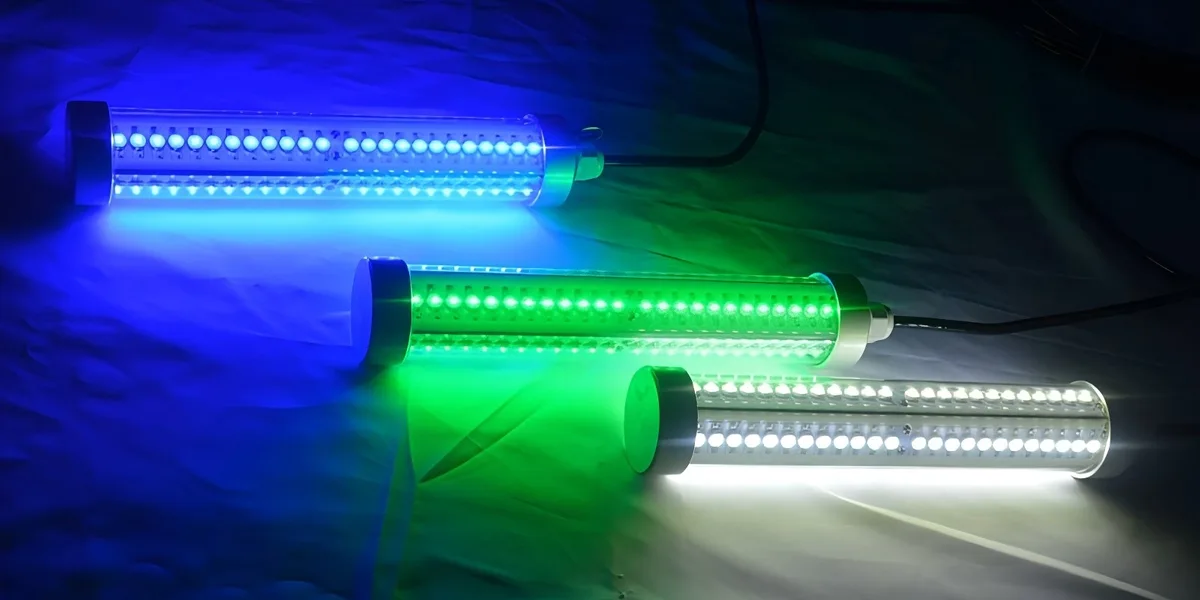
- Use blue and green LED lights
- Keep light spectrum natural and soft
- Match lighting to the fish’s natural habitat
Effects Of Light On Fish Behavior
Light affects how fish behave. It controls their feeding, breeding, and rest cycles.
Too much light can cause hiding or aggression. Proper lighting helps fish stay active and healthy.
- Bright light may stress shy fish
- Dim light encourages natural activity
- Light changes signal feeding and sleep times
Choosing The Right Led Lights
LED lighting is a smart choice for fish tanks. It uses less energy and lasts longer.
Picking the right LED lights helps keep sensitive fish calm and healthy.
Types Of Led Fixtures
There are many LED fixtures for aquariums. Some fit small tanks, others for large setups.
- Strip lights: Thin and easy to place, good for low light needs.
- Panel lights: Cover wide areas, give even lighting.
- Spotlights: Focus light on specific areas in the tank.
- Floating lights: Sit on water surface, good for natural light effect.
Choose fixtures that match your tank size and fish needs.
Adjustable Features To Consider
Adjustable LED lights help meet sensitive fish needs. You can change brightness and color.
- Brightness control: Lower light reduces fish stress.
- Color spectrum: Use blue and white to mimic natural light.
- Timer settings: Set light times to match day and night cycles.
- Dimming options: Soft light helps shy fish feel safe.
These features give you control over the tank environment.
Brands Recommended For Sensitive Fish
Some LED brands make lights suited for sensitive fish species. They focus on gentle, adjustable lighting.
- Fluval: Known for full spectrum and easy controls.
- NICREW: Offers affordable lights with dimming features.
- Current USA: Good color options and timers.
- Finnex: High quality with adjustable brightness.
Pick a brand that fits your tank size and budget.
Credit: www.signliteled.com
Setting Up Led Lighting
LED lighting is a popular choice for aquariums with sensitive fish. It provides gentle light that fish can tolerate well. Proper setup helps keep the fish healthy and calm.
Setting up LED lighting correctly involves placing lights well, controlling how long the lights stay on, and adjusting brightness and color. These steps create a safe and comfortable environment.
Optimal Placement In Aquarium
Place LED lights where they spread light evenly across the tank. Avoid direct beams that shine too bright on one spot. Sensitive fish like dimmer areas to hide and rest.
- Mount lights above the aquarium center for wide coverage
- Avoid placing lights too close to the water surface
- Use diffusers or covers to soften harsh light
- Keep some shaded areas by placing decorations or plants
Timing And Duration Of Light Exposure
Fish need a balanced day-night cycle to stay healthy. Too much light stresses sensitive fish. Too little light affects their natural rhythms.
| Lighting Duration | Recommended Hours |
| Morning | 2 to 3 hours |
| Daytime | 6 to 8 hours |
| Evening | 1 to 2 hours |
| Total per day | 8 to 12 hours |
Dimming And Color Adjustment Techniques
Dimming LED lights helps reduce stress for sensitive fish. Adjusting the color spectrum can mimic natural light. This supports fish health and plant growth.
- Use dimmers to lower brightness gradually
- Choose LED lights with adjustable color settings
- Set warmer colors for early morning and late evening
- Use cooler colors during the day for plant photosynthesis
- Test settings and watch fish behavior for comfort
Monitoring Fish Response
LED lighting affects fish behavior and health. Watching how fish react helps keep them safe.
Fish can show signs of stress when lighting is too strong or unnatural. Careful monitoring is key.
Signs Of Stress Related To Lighting
Fish may act differently if lighting is harmful. Look for these signs to spot stress early.
- Hiding more than usual
- Loss of appetite
- Rapid gill movement
- Faded colors
- Erratic swimming
Adjusting Light Settings Based On Behavior
Change light brightness or color if fish show stress signs. Small adjustments can help.
| Behavior | Adjustment |
| Fish hide often | Lower brightness |
| Fish swim erratically | Use softer light colors |
| Colors fade | Check light spectrum |
| Appetite drops | Reduce light hours |
Maintaining A Natural Day-night Cycle
Fish need a regular light cycle like in nature. It helps their health and stress levels.
Keep these tips for day-night cycles:
- Turn lights on at the same time daily
- Provide 8 to 12 hours of light
- Use dim lighting for dawn and dusk
- Give complete darkness at night
Credit: www.signliteled.com
Additional Care Tips
LED lighting is a popular choice for sensitive fish species. Proper care ensures both the fish and their environment thrive.
Adjusting LED lighting with the right techniques can create a healthy habitat. Here are some care tips for your aquarium.
Combining Led Lighting With Aquarium Plants
Plants in aquariums benefit from LED lights. They help with photosynthesis and growth.
- Choose LED lights with a full spectrum for plant growth.
- Position lights to avoid overheating plants.
- Monitor plant health regularly.
Water Quality Considerations
Maintaining water quality is crucial for fish health. LED lights do not affect water temperature significantly.
| Parameter | Ideal Range |
| pH Level | 6.5 – 7.5 |
| Ammonia | 0 ppm |
| Nitrates | < 20 ppm |
Regular Maintenance And Cleaning
Keeping the aquarium clean is vital. Regular maintenance ensures a safe environment for fish.
Frequently Asked Questions
What Are The Benefits Of Led Lighting For Sensitive Fish?
LED lighting provides gentle, adjustable illumination ideal for sensitive fish. It reduces stress and mimics natural environments. LEDs also consume less energy and emit less heat, protecting delicate aquatic ecosystems. This lighting enhances fish health and coloration while supporting plant growth in aquariums.
How Does Led Lighting Affect Sensitive Fish Behavior?
LED lighting creates a calm environment, minimizing sudden brightness changes. Sensitive fish feel less stressed and display natural behaviors. Proper LED settings prevent overexposure, reducing hiding or aggressive reactions. Consistent lighting schedules help maintain fish circadian rhythms and overall well-being.
Can Led Lighting Improve Aquarium Plant Growth For Fish?
Yes, LED lighting supports aquarium plant growth by providing specific light spectrums. Healthy plants produce oxygen and natural shelter for fish. This creates a balanced ecosystem that benefits sensitive fish by improving water quality and offering hiding spots, enhancing their comfort and survival.
What Led Features Suit Sensitive Fish Species Best?
Adjustable brightness and color temperature are key LED features for sensitive fish. Dimmable lights allow gradual changes, reducing fish stress. Full-spectrum LEDs replicate natural sunlight, promoting fish health. Timers ensure consistent day-night cycles, crucial for sensitive species’ biological rhythms.
Conclusion
Choosing the right LED lighting helps keep sensitive fish healthy. It creates a gentle environment that reduces stress for fish. Proper light supports natural behavior and growth in your aquarium. Simple adjustments make a big difference in fish comfort. Remember, soft and stable light is best for delicate species.
Careful lighting choices lead to a happy, thriving fish tank. Keep your fish safe with smart LED options. Your aquarium will look beautiful and feel natural. Small changes matter for your sensitive fish’s well-being.