
Are you looking to make your reef show tank truly stand out? The right lighting can transform your underwater world, bringing out the vibrant colors of your corals and fish like never before.
LED lighting is the secret many reef enthusiasts swear by—it’s powerful, energy-efficient, and customizable to suit your tank’s unique needs. You’ll discover how LED lighting can boost the beauty and health of your reef, making every glance at your tank a stunning experience.
Ready to light up your reef like a pro? Let’s dive in.
Benefits Of Led Lighting For Reef Tanks
LED lighting is a popular choice for reef tanks. It helps corals grow and shows their true colors.
Many reef keepers prefer LEDs because they use less energy and last a long time.
Energy Efficiency And Cost Savings
LED lights use less electricity than other types. This saves money on power bills.
They also produce less heat, so your tank stays cooler. You spend less on cooling systems.
- Lower electricity costs
- Less heat output
- Reduced need for extra cooling
Customizable Light Spectrum
LEDs let you change the light colors to fit your reef’s needs. You can adjust brightness and color.
This helps corals get the right light for growth and shows their colors better for viewing.
- Adjust red, blue, and white light levels
- Match light to coral species
- Improve coral health and color
Long Lifespan And Durability
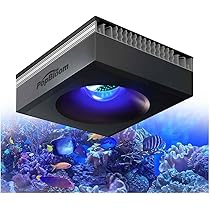
LED lights last much longer than traditional bulbs. They can work for many years without changing.
They are also more durable and less likely to break. This means less maintenance and replacement costs.
- Long working life (20,000+ hours)
- Strong and resistant to damage
- Lower maintenance needs
Credit: www.amazon.ca
Key Factors For Reef Tank Lighting
Proper lighting is vital for healthy reef tanks. It affects coral growth and color. Choosing the right light helps create a thriving environment.
This guide explains important lighting factors to consider for reef show tanks. Understanding these will help maintain a balanced tank.
Light Intensity And Par Levels
Light intensity influences photosynthesis in corals. PAR (Photosynthetically Active Radiation) measures usable light for them. Too much or too little light harms coral health.
| Light Intensity | PAR Range (µmol/m²/s) | Coral Type |
| Low | 50-100 | Soft corals |
| Medium | 100-250 | LPS corals |
| High | 250-450 | SPS corals |
Color Temperature And Spectrum
Color temperature affects coral appearance and growth. It is measured in Kelvin (K). A mix of blue and white light supports photosynthesis and shows coral colors vividly.
- 4000K to 6500K: Provides natural white light
- 10000K to 20000K: Adds blue tones for coral health
- Full spectrum: Combines colors for balanced growth
Photoperiod And Dimming Options
Photoperiod means how long lights stay on each day. Most reef tanks need 8 to 12 hours of light. Dimming helps mimic sunrise and sunset, reducing stress on corals.
Benefits of Dimming and Photoperiod Control:
- Simulates natural light cycles
- Reduces algae growth
- Improves coral color and health
- Allows gradual light changes
Choosing The Right Led Fixture
LED lighting is key for reef show tanks. It helps corals grow and shows their colors well.
Picking the right LED fixture needs care. The right light makes your tank look great and stays healthy.
Fixture Types And Mounting Styles
LED fixtures come in many types. Some hang over the tank, others sit on the rim or mount on the wall.
Choose a mounting style that fits your tank space and setup. Hanging lights give good coverage but need strong support.
- Hanging fixtures: hang from ceiling or stand, good for large tanks
- Rim-mounted fixtures: attach to tank edges, easy to install
- Wall-mounted fixtures: save space, good for small setups
- Integrated fixtures: built into tank canopy, neat look
Coverage Area And Tank Size
LED lights cover different areas. Match fixture size to your tank size for even light spread.
Too small a fixture means dim spots. Too large wastes power and money.
- Measure tank length and width
- Check fixture coverage specs
- Pick a fixture that covers whole tank surface
- Consider layering multiple fixtures for deep tanks
Quality And Brand Considerations
Good LED fixtures last longer and work better. Quality means stable light and good heat control.
Choose brands known for reef lighting. They offer better warranties and support.
- Look for LEDs with high PAR output
- Check customer reviews for reliability
- Prefer fixtures with adjustable light settings
- Consider energy efficiency ratings
Optimizing Coral Growth With Leds
LED lighting is a key factor in promoting healthy coral growth. It allows you to simulate natural conditions effectively. Understanding how to use LEDs properly can make a big difference in your reef show tank.
In this guide, we will explore different aspects of LED lighting. This includes simulating light cycles, balancing color temperatures, and using special spectrum LEDs.
Simulating Natural Light Cycles
Corals thrive under conditions that mimic their natural habitats. Simulating day and night cycles is important. It helps in maintaining their biological rhythms.
- Set gradual sunrise and sunset using timers.
- Ensure a period of complete darkness each day.
- Adjust light intensity based on coral species.
Balancing Blue And White Leds
Blue and white LEDs play different roles in coral growth. Blue light penetrates deeper, while white light adds brightness and balance. Finding the right mix is crucial for a vibrant reef tank.
| LED Type | Role |
| Blue | Enhances photosynthesis |
| White | Provides full spectrum |
Using Actinic And Uv Leds
Actinic and UV LEDs provide unique benefits. They enhance coral coloration and stimulate natural fluorescent pigments. This can make your reef tank look stunning.
Consider integrating these LEDs for an extra pop of color. They also support coral health by promoting essential biological processes.
Common Mistakes To Avoid
Using LED lighting for reef show tanks needs care and attention. Avoiding common mistakes helps keep corals healthy.
This guide covers errors like overlighting, ignoring PAR, and skipping maintenance.
Overlighting And Coral Stress
Too much light can harm corals and cause stress. Corals need the right light amount to grow well.
Overlighting causes bleaching and weakens coral health. It also increases algae growth.
- Use timers to control light duration
- Adjust light intensity based on coral needs
- Watch for color changes in corals as warning signs
Ignoring Par Measurements
PAR means Photosynthetically Active Radiation. It shows how much usable light reaches corals.
Not measuring PAR leads to wrong lighting. This causes poor coral growth and health problems.
- Use a PAR meter to check light levels
- Match PAR values to coral species needs
- Adjust LED settings based on PAR readings
Neglecting Maintenance And Cleaning
Dirt and salt buildup on LEDs reduce light output. This affects coral growth and tank appearance.
Regular cleaning keeps LEDs bright and efficient. It also prevents equipment damage.
- Clean LED covers every few weeks
- Check for salt deposits and wipe them off
- Inspect LED fixtures for damage or wear

Credit: www.amazon.com
Advanced Lighting Techniques
LED lighting plays a key role in reef show tanks. It helps keep corals healthy and shows their colors well. Advanced techniques improve light control and tank appearance.
Using smart lighting settings can mimic natural environments. This supports coral growth and creates a beautiful display.
Programmable Light Schedules
Programmable light schedules let you set specific times for lights to turn on and off. This matches the natural day cycle of coral reefs.
You can control light intensity and colors for different times. This gives corals the right light they need at each stage of the day.
- Set daylight hours for strong coral growth
- Dim lights gradually for dawn and dusk effects
- Use timers to avoid manual switching
Moonlight And Sunrise Effects
Moonlight effects use blue or dim white LEDs to simulate night. This helps corals rest and keeps fish calm.
Sunrise effects slowly increase light intensity. This mimics natural mornings and helps corals adjust to daylight.
- Use blue LEDs for soft moonlight
- Gradual light rise for sunrise simulation
- Create natural day and night cycles
Integrating With Automated Systems
Automated systems connect lighting with other tank equipment. This ensures smooth operation without manual control.
You can link lights with pumps and heaters. The system adjusts all parts for better tank health and energy use.
- Sync light schedules with feeding times
- Adjust lighting based on water temperature
- Remote control via smartphone apps
Maintenance Tips For Led Systems
LED lighting is popular for reef show tanks. It uses less power and lasts longer.
Proper care keeps LED systems working well. Regular maintenance helps avoid problems.
Regular Cleaning Procedures
Dust and salt build-up reduce light output. Clean your LED lights often to keep brightness.
Use a soft cloth and mild cleaner. Avoid harsh chemicals that can damage the LEDs.
- Turn off and unplug the lights before cleaning
- Wipe the surface gently with a damp cloth
- Remove salt deposits with a vinegar solution
- Dry completely before turning the lights on
Monitoring And Replacing Leds
Check LEDs regularly for dim or dead bulbs. This keeps your tank well lit and healthy.
Replace faulty LEDs quickly to avoid uneven lighting. Use compatible parts for your system.
- Inspect LEDs every few months
- Look for color changes or flickering lights
- Use manufacturer-approved replacement LEDs
- Follow safety steps when swapping bulbs
Troubleshooting Common Issues
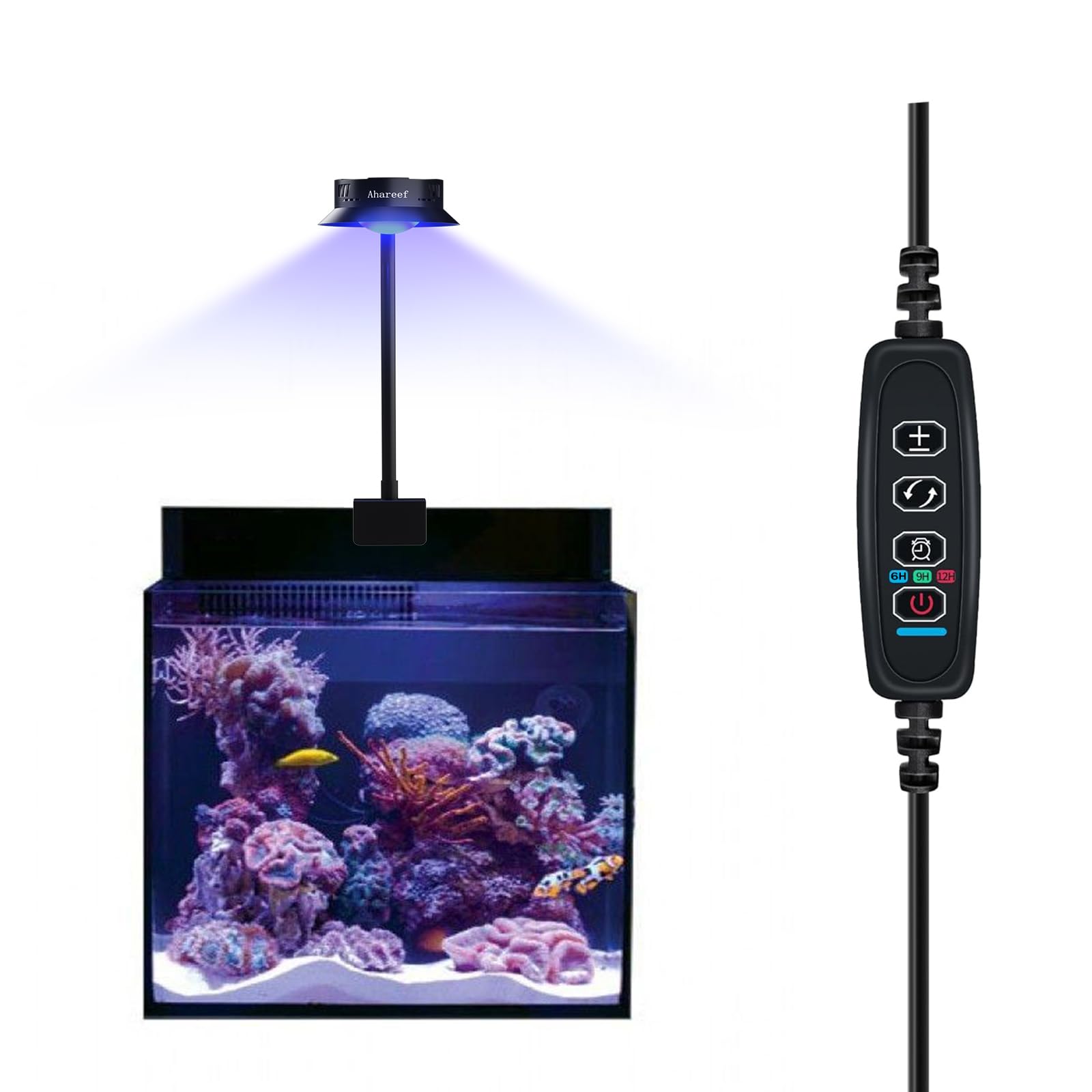
LED lights may flicker or not turn on. Identify problems early to fix them fast.
Check wiring and connections first. Loose wires often cause issues with LED systems.
- Ensure power supply is stable and connected
- Clean connectors to remove corrosion
- Test LEDs with a multimeter for faults
- Consult user manual for error codes or signals
Credit: www.amazon.ca
Frequently Asked Questions
What Are The Benefits Of Led Lighting For Reef Tanks?
LED lighting offers energy efficiency, longer lifespan, and customizable spectrum. It enhances coral growth and color vibrancy. LEDs produce less heat, reducing tank temperature issues. They also allow precise control over light intensity and timing, mimicking natural reef environments effectively.
How Does Led Lighting Affect Coral Growth?
LED lighting provides the necessary light spectrum for photosynthesis. It supports coral health and vibrant colors by delivering optimal PAR levels. Adjustable intensity helps simulate natural sunlight cycles. Proper LED lighting promotes faster growth and stronger coral resilience in reef tanks.
Can Led Lights Replicate Natural Reef Sunlight?
Yes, LED lights can mimic natural sunlight through customizable spectrums. They combine blue, white, and other wavelengths to replicate ocean light conditions. This helps maintain coral health and behavior. Advanced LED systems offer programmable settings for dawn, daylight, and dusk effects.
Are Led Lights Suitable For All Reef Tank Sizes?
LED lights are versatile and fit various reef tank sizes. They come in different wattages and sizes for small to large tanks. Adjustable features allow tailored lighting for specific tank needs. LED systems ensure efficient lighting coverage and optimal coral growth regardless of tank size.
Conclusion
LED lighting improves the look and health of reef tanks. It uses less energy and lasts a long time. You can adjust the light to suit different corals. This helps corals grow strong and stay colorful. Choosing the right LED lights makes your reef tank shine.
Keep your tank clean and check the lights often. Bright, balanced lighting creates a happy home for your reef. LED lights offer a simple way to care for your underwater world.