
Are you looking to help your ornamental plants thrive and look their best? Choosing the right lighting can make all the difference.
LED lighting for ornamental plant growth is changing how gardeners like you nurture their plants. It’s not just about brightness—it’s about giving your plants the exact light they need to bloom beautifully. Keep reading to discover how LED lights can transform your plant care routine and bring out the vibrant colors and healthy growth you want to see every day.
Benefits Of Led Lighting
LED lighting is popular for growing ornamental plants indoors. It helps plants grow strong and healthy.
Using LED lights can save money and create the right light for different plants.
Energy Efficiency
LED lights use less electricity than other light types. This lowers energy bills for plant growers.
They convert most electricity into light, not heat. This helps plants get more light and less heat stress.
- Uses up to 75% less energy than traditional lights
- Reduces electricity costs over time
- Keeps growing areas cooler
Customizable Light Spectrum
LED lights can give plants the exact colors they need. Different colors help plants grow in different ways.
Growers can change the light colors to match plant types and growth stages. This helps plants bloom and grow better.
- Red light helps with flowering and fruiting
- Blue light supports leaf growth
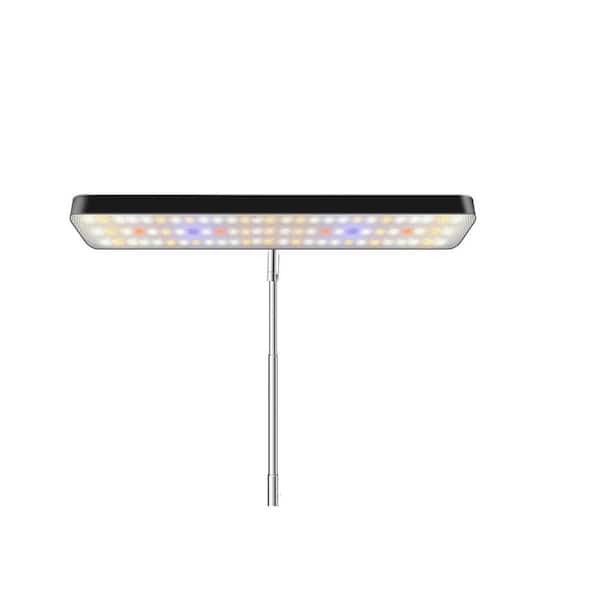
- Full spectrum LEDs mimic natural sunlight
Long Lifespan
LED lights last much longer than traditional bulbs. This means less frequent replacements are needed.
Long-lasting lights lower maintenance costs and reduce waste. They keep plants growing well for many years.
- Can last over 50,000 hours
- Less frequent bulb changes
- Reduces overall costs for growers
Credit: www.homedepot.com
Light Requirements For Ornamental Plants
Ornamental plants need the right light to grow well and look beautiful. LED lighting is a popular choice for indoor plant growth.
Understanding their light needs helps you choose the best LED setup. This improves plant health and flower development.
Optimal Wavelengths
Plants use specific light colors for photosynthesis. Blue and red light are the most important wavelengths.
Blue light helps plants grow leaves. Red light supports flowering and fruit production.
- Blue light: 400-500 nm
- Red light: 600-700 nm
- Some green light is useful for overall growth
Light Intensity Needs
Ornamental plants need enough light intensity to produce energy. Too little light slows growth.
Light intensity is measured in micromoles per square meter per second (µmol/m²/s). Each plant type has its own needs.
- Low light plants: 50-200 µmol/m²/s
- Medium light plants: 200-400 µmol/m²/s
- High light plants: 400-700 µmol/m²/s
Photoperiod And Growth Cycles
Photoperiod means how many hours of light plants get each day. This affects growth and blooming.
Ornamental plants can be short-day, long-day, or day-neutral. LED lighting helps control these cycles indoors.
- Short-day plants bloom with less than 12 hours of light
- Long-day plants need more than 12 hours of light to bloom
- Day-neutral plants bloom regardless of light hours
Choosing The Right Led Lights
LED lights help ornamental plants grow better indoors. Picking the right LED lights is key for healthy plants.
This guide explains types of LED grow lights, color temperature, and how to balance budget with quality.
Types Of Led Grow Lights
There are different LED grow lights for plants. Each type has its own use and benefits.
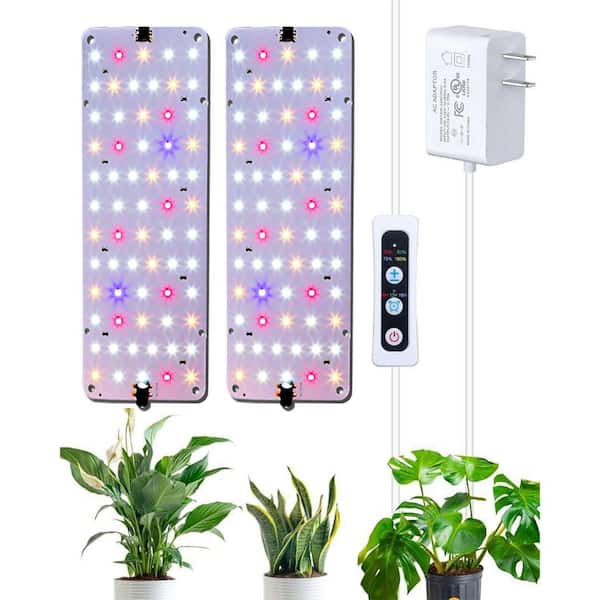
- Full-spectrum LEDs: These provide light similar to natural sunlight.
- Red and blue LEDs: They focus on the colors plants need most for growth.
- White LEDs: Offer a balanced light good for general plant health.
- High-power LEDs: Strong lights for fast growth or larger plants.
Adjusting Color Temperature
Color temperature affects plant growth stages. Use cooler light for leaves and warmer light for flowers.
| Growth Stage | Color Temperature (Kelvin) | Light Color |
| Seedling/Vegetative | 5000 – 6500 K | Cool White / Blue |
| Flowering/Blooming | 2700 – 3000 K | Warm White / Red |
Budget Vs. Quality
Deciding between price and quality matters. Cheap lights may save money but last less time.
Consider these points:
- Higher quality LEDs use less power and last longer.
- Cheap LEDs might not have the right light spectrum.
- Good lights improve plant growth and reduce replacement costs.
- Balance your budget with the needs of your plants.
Credit: www.homedepot.com
Setting Up Led Lighting Systems
LED lighting helps ornamental plants grow well indoors. It provides the right light for photosynthesis.
Setting up the system correctly improves plant health and bloom quality.
Placement And Distance
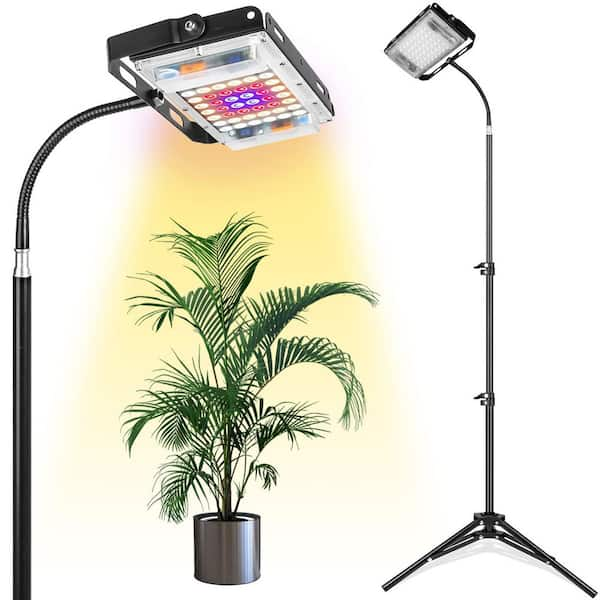
Place LED lights close enough to plants for good light but not too close to cause heat damage.
- Keep lights 12 to 24 inches above plants.
- Adjust height as plants grow taller.
- Use reflectors to spread light evenly.
- Avoid shadows by spacing lights properly.
Timing And Duration
Plants need light for a set time to grow well. Too much or too little light can harm them.
| Plant Stage | Light Hours per Day |
| Seedling | 14 to 16 hours |
| Vegetative | 12 to 14 hours |
| Flowering | 10 to 12 hours |
Combining Natural And Artificial Light
Use LED lights to add to natural sunlight. This helps plants get enough light all day.
Tips for mixing light sources:
- Place plants near windows for natural light.
- Use LEDs when sunlight is low or blocked.
- Turn off LEDs if sunlight is strong enough.
- Monitor plant response to changes in light.
Impact On Plant Health And Appearance
LED lighting is important for the growth of ornamental plants. It affects their health and how they look.
Plants need the right light to grow well. LED lights help them by providing the right kind of light.
Enhanced Color Vibrancy
LED lights can make plant colors more vibrant. They help plants show their natural beauty.
- Red and blue lights are best for color
- Green leaves appear richer
- Flowers bloom with brighter colors
Faster Growth Rates
Plants grow faster with LED lighting. This helps them develop more quickly.
| Light Type | Growth Rate |
| LED | Fast |
| Fluorescent | Moderate |
| Incandescent | Slow |
Disease Resistance
Good lighting helps plants resist diseases. LED lights improve their health and strength.
Credit: www.homedepot.com
Common Challenges And Solutions
Using LED lights for ornamental plant growth is popular but comes with challenges. Plants need the right light to grow well without damage.
Understanding common problems helps keep plants healthy and thriving under LED lighting.
Overexposure Risks
Too much light can harm plants by burning leaves or slowing growth. Overexposure causes stress and weak plants.
Watch for leaf discoloration and dry spots as signs of too much light. Adjust light duration and distance to fix this.
- Keep LED lights at a safe distance
- Use timers to limit light hours
- Observe plants for signs of stress
Heat Management
LED lights produce less heat than other bulbs but still generate warmth. Too much heat dries out plants and soil.
Use fans or ventilation to keep air moving. Check temperature regularly to keep it ideal for plant growth.
- Place lights where heat can escape
- Use cooling fans for better airflow
- Monitor temperature near plants daily
Troubleshooting Lighting Issues
Sometimes lights may flicker or stop working. This can stress plants or stop growth. Check power and connections first.
Replace broken bulbs quickly. Clean light surfaces to keep brightness strong. Regular checks prevent many problems.
- Test power outlets and cables
- Clean LEDs to remove dust
- Replace faulty bulbs or parts
- Use a timer for consistent lighting
Case Studies And Success Stories
LED lighting is widely used to help ornamental plants grow well. Many growers have shared their results using this technology. These stories show how LED lights can improve plant health and growth.
Below are examples from indoor gardens, commercial nurseries, and home plant lovers. Each case shows how LED lights support plant growth in different ways.
Indoor Ornamental Gardens
An indoor garden in a city used LED lights to grow orchids and ferns. They replaced old fluorescent lights with LEDs. The plants grew faster and had brighter leaves.
The garden saved energy and kept plants healthy all year. The LED lights could adjust to give the right light for each plant type.
- Faster growth of flowers and leaves
- Lower electricity costs
- Better control of light color and intensity
Commercial Plant Nurseries
A commercial nursery grew ornamental shrubs using LED lighting. They tested different light settings to find the best for plant size and color. This helped produce strong, vibrant plants.
The nursery improved plant quality and shortened growing time. This led to higher sales and happier customers.
- Improved plant color and health
- Shorter time to market
- Consistent growth with less waste
Home Plant Enthusiasts
Many home plant lovers use small LED grow lights for their indoor plants. One hobbyist shared that his flowering plants bloom longer with LED light support. He also noted less leaf yellowing.
LED lights helped him care for plants in low-light rooms. The simple setup made it easy to keep plants healthy all year.
- Longer blooming periods
- Healthier leaves and stems
- Easy to use and energy efficient
Frequently Asked Questions
What Are The Benefits Of Led Lighting For Ornamental Plants?
LED lighting provides energy efficiency, targeted light spectrums, and longer lifespan. It promotes healthy growth and vibrant colors in ornamental plants indoors.
How Does Led Light Affect Ornamental Plant Growth?
LEDs deliver specific wavelengths that enhance photosynthesis. This improves plant health, flowering, and leaf development, making them ideal for ornamental plant cultivation.
Can Led Lighting Replace Natural Sunlight For Plants?
Yes, LED lights can mimic sunlight’s spectrum effectively. They support plant growth indoors where natural light is insufficient or unavailable.
What Colors Of Led Light Are Best For Ornamental Plants?
Red and blue LEDs are most effective. Red promotes flowering, while blue supports leafy growth. Combining both yields optimal results.
Conclusion
LED lighting helps plants grow healthy and strong indoors. It uses less energy than traditional lights. Plants get the right colors of light they need. This type of lighting works well all year round. You can control how much light your plants get.
This makes it easy to support different plant types. Growing ornamental plants with LED lights saves space and time. It also keeps your plants bright and colorful. Try LED lights for better plant growth and care. Simple, smart, and effective for any plant lover.