
Are you struggling to find the perfect lighting for your LPS corals? Choosing the right LED lighting can make all the difference in how vibrant and healthy your corals grow.
Imagine your aquarium glowing with bright, colorful corals that thrive under the right light. This guide will help you understand exactly what LED lighting your LPS corals need to look their best. Keep reading to discover simple tips and smart choices that will transform your reef tank and keep your corals flourishing.
Benefits Of Led Lighting For Lps Corals
LED lighting is a popular choice for growing LPS corals. It helps corals grow healthy and look bright. Many coral keepers prefer LED lights for their tanks.
LED lights offer many benefits over other light types. They use less power and can be adjusted to fit coral needs. This makes them a great option for LPS coral care.
Energy Efficiency And Longevity
LED lights use less electricity than traditional bulbs. This saves money on power bills. They also last much longer, so you replace them less often.
The long life of LED lights means less waste and fewer changes. This makes caring for your coral tank easier and cheaper over time.
Customizable Light Spectrum
LED lights can change color and brightness. This lets you match the light to your LPS corals’ needs. Corals use different light colors for growth and color.
Adjusting the light spectrum helps corals stay healthy and show their best colors. It also supports photosynthesis, which corals rely on for energy.
Heat Reduction Advantages
LED lights produce less heat than other bulbs. This keeps the water cooler and safer for your corals. Too much heat can stress or harm LPS corals.
Less heat means you need less cooling equipment. This saves energy and reduces noise around your coral tank.
Credit: www.aquariumspecialty.com
Key Light Spectrum For Lps Growth
LED lighting plays a big role in growing LPS corals. The right light spectrum helps corals grow strong and healthy.
Different colors of light affect coral growth in different ways. Knowing which light to use is very important.
Optimal Blue And Actinic Wavelengths
Blue and actinic lights are best for photosynthesis in LPS corals. These wavelengths help corals make food.
Blue light also brings out the coral’s colors, making them look bright and healthy.
- Blue light ranges from 420 to 490 nm
- Actinic light is in the 420 to 460 nm range
- These lights support coral symbiotic algae growth
Importance Of Red And Green Light
Red and green lights help with coral growth by supporting photosynthesis. They balance the light spectrum.
Red light boosts coral tissue growth. Green light improves overall coral health and color.
- Red light ranges from 620 to 700 nm
- Green light ranges from 500 to 570 nm
- Both help corals absorb more energy
Balancing Light Intensity
Light intensity must be balanced for LPS corals. Too much light can harm them, too little slows growth.
Use moderate intensity with a mix of wavelengths for best results. Adjust light based on coral response.
- Keep light intensity around 50-150 PAR for LPS corals
- Provide 8-10 hours of light daily
- Watch for coral color and polyp extension
Lighting Duration And Scheduling
Proper lighting duration and scheduling are important for the health of LPS corals. Too much or too little light can harm these corals. Setting the right schedule helps mimic their natural environment.
LED lighting offers great control over timing and intensity. This allows coral keepers to create a stable light cycle that supports coral growth and color.
Ideal Photoperiod For Lps Corals
LPS corals thrive under a balanced light period. They need enough light for photosynthesis but also require darkness to rest. A typical photoperiod lasts between 8 to 12 hours daily.
- Start with 8 hours of light if corals are new to your tank
- Increase to 10 or 12 hours gradually over weeks
- Keep a consistent daily schedule to reduce stress
- Allow at least 12 hours of darkness to mimic night
Simulating Natural Light Cycles
Natural light changes throughout the day help corals adjust their metabolism. LED lights with dimming features can simulate sunrise and sunset. This smooth transition reduces coral shock.
| Time of Day | Light Intensity |
| 6 AM – 8 AM | Low (Sunrise) |
| 8 AM – 4 PM | High (Daylight) |
| 4 PM – 6 PM | Medium (Sunset) |
| 6 PM – 6 AM | Off (Night) |
Adjusting Light Based On Coral Response
Watch your LPS corals closely. Their color and polyp extension show if lighting is right. Too much light can cause bleaching. Too little light slows growth.
Use this checklist to adjust your LED lighting:
- Check coral color weekly for fading or bleaching
- Observe polyp extension in the morning and evening
- Reduce light duration if corals retract polyps often
- Increase light slowly if corals look dull or pale
- Maintain stable temperature and water quality alongside lighting

Credit: www.amazon.com
Choosing The Right Led Fixture
LED lighting is important for growing LPS corals. It helps them get enough light to stay healthy.
Choosing the right LED fixture can improve coral growth and color. You must know what to look for.
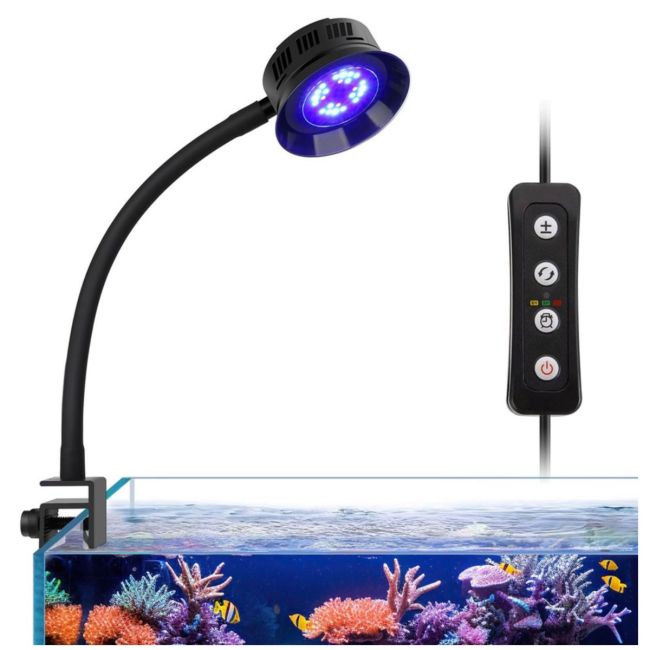
Fixture Types And Features
There are many LED fixture types. Some have full spectrum light, while others focus on blue light.
Good fixtures have dimming options and adjustable colors. This helps you match the coral’s needs.
- Full spectrum LEDs support coral growth
- Blue LEDs enhance coral color
- Dimming controls adjust light intensity
- Timers automate day and night cycles
Considerations For Tank Size
Tank size affects the type of LED fixture you need. Larger tanks need stronger lights or more units.
Smaller tanks use compact fixtures. Make sure the light covers the whole tank evenly.
- Small tanks: single compact fixture
- Medium tanks: multiple fixtures or wider coverage
- Large tanks: high power or multiple LED bars
- Even light distribution is key
Budget Vs. Performance
LED fixtures vary in price and quality. More expensive lights often offer better features and durability.
Choose a fixture that fits your budget but meets your coral’s needs. Avoid very cheap lights that lack power.
- High-end fixtures: more features, longer life
- Mid-range fixtures: good balance of price and quality
- Low-cost fixtures: basic light, may need replacement soon
- Consider energy use for long-term savings
Positioning Leds For Optimal Coverage
LED lighting is crucial for LPS corals. Proper positioning ensures they thrive. It helps in providing the right light intensity and coverage.
Correct placement of LEDs avoids coral stress. It prevents common problems like shadowing and overexposure.
Placement Strategies
Position LEDs evenly over the tank. This ensures light reaches all areas. Adjust the height for better coverage.
- Mount LEDs 8-12 inches above the water.
- Use adjustable mounts for flexibility.
- Test different heights for best results.
Avoiding Shadow And Overexposure
Shadows can harm coral growth. Ensure light covers all parts of the tank. Overexposure can bleach corals.
Balance light intensity for healthy corals. Use dimmers to control brightness levels.
Using Multiple Fixtures
Multiple fixtures provide even light distribution. They cover larger tanks effectively. Position them to overlap slightly.
- Place fixtures at different angles.
- Ensure overlapping light zones.
- Adjust intensity for even coverage.
Enhancing Coral Color With Leds
LED lighting plays a big role in making LPS corals look bright and colorful. The right light helps corals show their best colors.
Choosing the right LED settings can improve coral health and color. Let’s look at how to use LEDs well.
Role Of Spectrum In Pigmentation
The color of LED light affects coral pigments. Different colors in the light spectrum make corals produce different pigments.
Blue and violet lights help bring out strong colors in LPS corals. These wavelengths boost the coral’s natural glow.
- Blue light (400-500 nm) enhances fluorescence.
- Violet light (380-420 nm) increases pigment production.
- Red light has less effect on coral color.
Adjusting Intensity For Vibrant Colors
Light intensity changes how bright coral colors appear. Too much light can stress corals, while too little dulls their color.
Finding the right brightness helps corals show rich, vibrant colors without harm. Gradual changes avoid shocking the coral.
- Start with moderate intensity and observe coral response.
- Increase brightness slowly to enhance color depth.
- Watch for signs of coral stress and adjust if needed.
Supplements And Lighting Synergy
Supplements can help corals use light better. Nutrients like calcium and trace elements support coral growth and color.
Good lighting combined with proper supplements improves coral pigment health. Both need to work together for best results.
- Calcium supports coral skeleton strength.
- Trace elements boost pigment production.
- Balanced supplements improve coral light absorption.
Monitoring And Adjusting Lighting
Proper lighting is vital for the health of LPS corals. Monitoring and adjusting light helps them grow and show vibrant colors.
Understanding how to manage light exposure can prevent stress and promote coral growth. This guide covers signs of stress, tools to measure light, and how to tweak settings.
Signs Of Light Stress In Lps Corals
LPS corals show stress when lighting is too intense. They might retract or bleach. Bleaching occurs when corals lose their color due to stress.
Watch for signs like tissue recession or color fading. These indicate that corals are under light stress.
- Retracted polyps
- Bleaching or color loss
- Tissue recession
Tools For Measuring Light Intensity
Using the right tools helps ensure corals get proper light. PAR meters measure light intensity in aquariums. They provide data on the light available for photosynthesis.
Lux meters can also help, but PAR meters are more precise for aquariums. They measure the light that corals actually use.
- PAR meters
- Lux meters
- Light spectrum analyzers
Tweaking Settings For Growth And Color
Adjusting light settings can enhance coral growth and color. Start with lower light levels, then gradually increase. This helps corals adapt without stress.
Set a lighting schedule that mimics natural daylight. This includes periods of high and low light to simulate sunrise and sunset.
- Gradually increase light intensity
- Set a natural lighting schedule
- Observe coral responses

Credit: www.amazon.com
Common Led Lighting Mistakes
LED lighting is popular for growing LPS corals. Using the wrong light can harm your corals.
Many hobbyists make simple mistakes that cause coral stress or poor growth. Knowing what to avoid helps keep corals healthy.
Overlighting And Coral Bleaching
Too much light can cause coral bleaching. This means corals lose their color and become weak.
LPS corals need moderate light levels. Bright, intense LED lights can harm them if not adjusted properly.
- Keep LED intensity low to medium for LPS corals
- Watch corals for signs of bleaching or stress
- Adjust light distance to reduce intensity if needed
Ignoring Photoperiod Consistency
Corals need a regular light schedule. Changing light times can stress them.
Keep the same hours of light and dark every day. This helps corals grow and stay healthy.
- Set LED timers for consistent light periods
- Avoid sudden changes in light duration
- Match coral species’ natural day-night cycles
Neglecting Fixture Maintenance
Dirty or old LED fixtures reduce light output. This can hurt coral growth.
Clean LED lenses and check bulbs often. Replace parts if they get weak or damaged.
- Wipe fixture surfaces regularly to remove dust
- Inspect LEDs for damage or dimming
- Replace LEDs as recommended by the manufacturer
Frequently Asked Questions
What Is The Best Led Lighting For Lps Corals?
The best LED lighting for LPS corals provides moderate intensity with a spectrum of blue and white light. This promotes coral growth and vibrant colors while avoiding bleaching. Adjustable settings help customize light to your coral’s needs.
How Does Led Lighting Benefit Lps Coral Growth?
LED lighting benefits LPS coral growth by providing energy-efficient, customizable light that mimics natural sunlight. It enhances photosynthesis, encouraging healthy tissue and vibrant coloration. LEDs also generate less heat, reducing stress on corals and supporting stable tank conditions.
Can Led Lighting Affect Lps Coral Coloration?
Yes, LED lighting affects LPS coral coloration by enhancing pigments through blue and actinic light spectrums. Proper light intensity and spectrum bring out vivid colors, making corals more visually appealing. Balanced lighting prevents color fading and coral stress.
How Many Hours Should Led Lights Run For Lps Corals?
LED lights should run 8 to 10 hours daily for LPS corals. This simulates natural daylight cycles, supporting coral health and growth. Gradually ramping light intensity helps avoid stress and bleaching while maintaining a stable environment.
Conclusion
LED lighting helps LPS corals grow healthy and bright. It uses less energy and lasts a long time. You can adjust the light to fit your coral’s needs. This keeps corals happy and colorful. Good lighting makes your aquarium look amazing.
Choose LED lights that suit your tank size and coral type. Simple steps give your corals the best care. Enjoy a beautiful and healthy reef with the right LED setup.