
Are you struggling to keep your high-light aquarium plants healthy and vibrant? Choosing the right lighting can make all the difference in creating a thriving underwater world.
LED lighting offers powerful, energy-efficient solutions that help your plants grow stronger and your fish look their best. You’ll discover how LED lights can transform your aquarium, what to look for when picking the perfect setup, and simple tips to get the most out of your investment.
Keep reading to unlock the secret to a stunning, lively aquarium that will impress everyone who sees it.
Benefits Of Led Lighting
LED lighting is a popular choice for high-light aquariums. It helps plants grow and shows fish colors well.
This lighting uses less power and lasts longer than other types. It also lets you change the light colors to fit your tank.
Energy Efficiency
LED lights use less electricity than traditional bulbs. This saves money on your power bill.
- Consumes less power for the same brightness
- Reduces heat output, lowering cooling costs
- Operates well on low voltage systems
Longevity And Durability
LED lights last a long time. They need fewer replacements, which saves money and effort.
| Feature | LED Lighting | Traditional Lighting |
| Average Lifespan | 25,000 to 50,000 hours | 1,000 to 5,000 hours |
| Durability | Shock and vibration resistant | Fragile glass bulbs |
| Maintenance | Low frequency of replacement | Frequent bulb changes |
Customizable Light Spectrum
LED lights let you adjust colors to fit your plants’ and fish’s needs. You can create the best environment for growth.
Adjustable settings include:
- Blue and red light for plant photosynthesis
- White light for natural appearance
- Special colors to enhance fish colors

Credit: www.ebay.ca
Requirements For High-light Aquariums
High-light aquariums need special care to keep plants and corals healthy. The right lighting helps them grow strong and bright.
This guide covers the key needs for lighting in high-light aquariums. Learn about light intensity, spectrum, and how long lights should stay on.
Light Intensity Needs
High-light aquariums require strong light to support photosynthesis. LED lights must deliver enough brightness without overheating the tank.
- Measure light in PAR (Photosynthetically Active Radiation)
- Use LEDs that provide 50 to 150 PAR for most high-light plants
- Adjust light height to control intensity
- Avoid shadows and dark spots
Spectrum Considerations
The light spectrum affects plant growth and coral color. Full-spectrum LEDs mimic natural sunlight best for aquarium life.
| Light Color | Wavelength (nm) | Effect |
| Blue | 450-495 | Enhances coral fluorescence |
| Green | 495-570 | Supports leaf growth |
| Red | 620-750 | Boosts photosynthesis |
| White | Full spectrum | Balances all colors |
Duration And Photoperiod
Light duration controls plant cycles and algae growth. Too much light causes algae, too little slows growth.
- Keep lights on 8 to 10 hours daily
- Use timers to maintain steady photoperiods
- Adjust duration based on plant response
- Turn lights off completely at night
Choosing The Right Led Fixtures
LED lighting is key for high-light aquariums. It helps plants and corals grow well. Picking the right LED fixtures makes your tank look great and stay healthy.
Many LED options exist. Knowing what to choose saves money and improves your aquarium’s life.
Types Of Led Lights
There are different LED lights for aquariums. Some focus on color, others on brightness. Choose the type that fits your tank’s needs.
Common types include white, blue, and full spectrum LEDs. Full spectrum lights cover all colors needed for plant growth.
- White LEDs: Bright and natural light
- Blue LEDs: Enhance coral colors and growth
- Full Spectrum LEDs: Combine colors for balanced lighting
Wattage And Par Ratings
Wattage shows how much power the LED uses. Higher wattage usually means more brightness. Match wattage to your tank size and needs.
PAR rating measures light useful for plants. Higher PAR means better plant growth. Check PAR values before buying LED fixtures.
| Tank Size | Recommended Wattage | PAR Range |
|---|---|---|
| Small (up to 20 gallons) | 20-40 watts | 50-100 μmol/m²/s |
| Medium (20-50 gallons) | 40-70 watts | 100-200 μmol/m²/s |
| Large (50+ gallons) | 70+ watts | 200+ μmol/m²/s |
Brand And Quality Factors
Good brands make reliable LED fixtures. Quality means longer life and better light. Avoid cheap lights that break fast or give poor color.
Look for LEDs with warranty and good reviews. Check the build quality and materials. These factors affect performance and safety.
- Choose brands known for aquarium lighting
- Check warranty length and terms
- Read user reviews and expert opinions
- Look for quality materials and cooling features
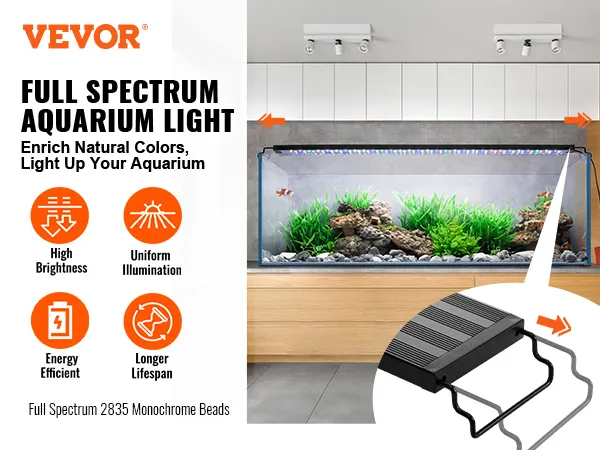
Credit: www.vevor.ca
Installation Tips
Installing LED lighting in high-light aquariums needs care. Proper setup helps plants and fish grow well.
Good installation improves light spread and keeps the aquarium safe from damage.
Positioning And Coverage
Place LED lights above the tank for the best light coverage. Make sure light reaches all parts of the aquarium.
Adjust the height and angle to avoid dark spots or too much light in one area.
- Center the light to cover the whole tank
- Use multiple lights for large aquariums
- Keep lights at least a few inches above water
- Adjust angles to reduce shadows
Heat Management
LED lights produce less heat but still need space to cool down. Overheating can hurt plants and fish.
Use fans or vents if your setup feels warm. Avoid placing lights too close to the tank glass.
- Leave space for air to flow around the light
- Do not cover the light with any material
- Check temperature near the tank often
- Use LED lights with built-in heat sinks
Waterproofing And Safety
Keep LED lights dry and safe. Water and electricity do not mix well and can cause damage or injury.
Use waterproof LED fixtures and secure all cables. Avoid placing lights where splashes can reach power parts.
- Choose lights with waterproof ratings (IP65 or higher)
- Seal all cable connections with waterproof tape
- Use drip loops to prevent water running into plugs
- Turn off power before cleaning or adjusting lights
Optimizing Growth And Color
LED lighting plays a key role in high-light aquariums. It helps plants grow strong and shows fish colors clearly. Choosing the right light settings supports a healthy tank.
This guide covers how to balance light and nutrients, adjust light for plants, and enhance fish colors with LEDs.
Balancing Light And Nutrients
Plants need the right light and nutrients to grow well. Too much light without enough nutrients causes algae growth. Too few nutrients slow plant growth. Balance is important.
- Use LED lights that provide full spectrum light.
- Test water regularly for nutrient levels.
- Add fertilizers based on plant needs.
- Keep light on for 8 to 10 hours daily.
- Watch for algae and adjust light or nutrients.
Adjusting Light For Plant Species
Different plants require different light intensities. Some need bright light while others prefer low light. Adjust your LED brightness to match each species.
| Plant Type | Light Intensity | Recommended LED Settings |
| High Light Plants | Strong | 70-100% brightness, 6500K spectrum |
| Medium Light Plants | Moderate | 40-70% brightness, 6000K spectrum |
| Low Light Plants | Low | 20-40% brightness, 5500K spectrum |
Enhancing Fish Colors
LED lights also make fish colors look bright and natural. Use light that highlights red, blue, and green tones. Adjust light duration to avoid stress.
Tips for better fish colors with LED lighting:
- Choose LED lights with a color rendering index (CRI) above 80.
- Use a mix of white and colored LEDs.
- Keep light on for 8 to 10 hours daily.
- Avoid sudden changes in light intensity.
- Provide hiding places to reduce fish stress.
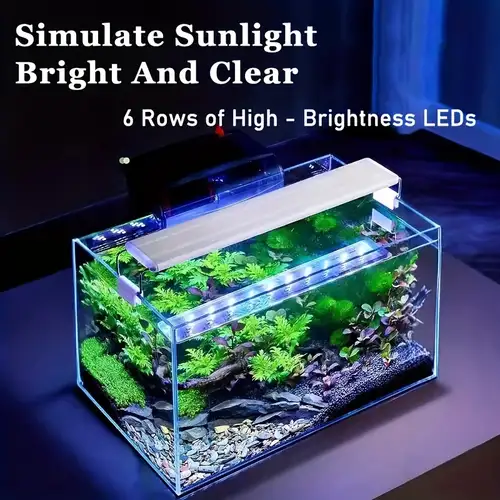
Credit: www.temu.com
Troubleshooting Common Issues
LED lighting for aquariums is popular for its efficiency. Yet, common issues can arise that affect your tank’s health.
Understanding these issues helps in maintaining a vibrant aquarium. Let’s explore solutions to common LED lighting problems.
Algae Control
Algae growth is a frequent issue in aquariums. It can cloud water and harm plants.
- Reduce light exposure time
- Regularly clean the glass
- Check nutrient levels in the water
Light Stress Symptoms
Fish and plants can show stress from too much light. Look for faded colors or wilting leaves.
| Symptom | Possible Cause |
| Faded Fish Colors | Excessive Light |
| Wilting Leaves | High Light Intensity |
| Algae Bloom | Extended Light Periods |
Fixture Maintenance
Proper maintenance of your LED fixtures is crucial. It ensures they function efficiently over time.
Frequently Asked Questions
What Is The Best Led Lighting For High-light Aquariums?
The best LED lighting offers intense, full-spectrum light that supports plant growth. Look for adjustable brightness and color options to mimic natural sunlight. High-quality LEDs promote healthy aquatic plants and vibrant fish in high-light aquarium setups.
How Does Led Lighting Benefit High-light Aquarium Plants?
LED lighting provides energy-efficient, customizable light that enhances photosynthesis. It supports plant health, growth, and color vibrancy. LEDs produce minimal heat, reducing algae growth and maintaining stable water temperatures, which benefits high-light aquatic plants.
Can Led Lights Improve Aquarium Fish Coloration?
Yes, LED lights enhance fish coloration by providing a full light spectrum. Proper lighting brings out vibrant colors and natural patterns. Adjustable LED settings help simulate natural day and night cycles, reducing fish stress.
How Long Should Led Lights Be On For High-light Aquariums?
LED lights should run 8 to 10 hours daily for optimal plant growth. Avoid excessive lighting to prevent algae blooms. Use a timer to maintain consistent light cycles, promoting a healthy aquarium environment.
Conclusion
Choosing the right LED lighting can boost your aquarium’s health and beauty. Bright, energy-efficient lights help plants grow and fish thrive. You save money on electricity and reduce heat in the tank. Easy to install and adjust, LEDs fit many aquarium types.
Bright colors and strong light make your underwater world shine. Simple care keeps the lights working well for years. Bright, clear water and happy fish? Yes, it’s possible with good LED lighting.