
Are you looking to brighten up your freshwater community tank while keeping your fish healthy and happy? Choosing the right lighting can make all the difference in creating a vibrant, thriving underwater world.
LED lighting offers a powerful and energy-efficient way to enhance your tank’s beauty and support your aquatic plants and fish. You’ll discover how LED lights can transform your freshwater community tank, why they’re better than traditional options, and practical tips to get the perfect setup.
Keep reading to find out how you can make your tank shine like never before!
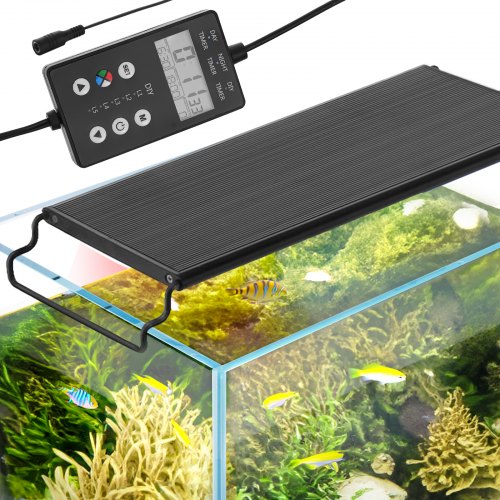
Credit: www.vevor.com
Benefits Of Led Lighting
LED lighting is a popular choice for freshwater community tanks. It helps create a healthy environment for fish and plants.
LED lights use less energy and last longer than traditional bulbs. They also allow you to adjust the light colors.
Energy Efficiency
LED lights use less electricity than other lighting options. This lowers your energy bills and reduces heat in the tank.
- Consumes up to 80% less power
- Produces less heat, keeping water temperature stable
- Reduces the need for extra cooling equipment
- Environmentally friendly due to lower energy use
Longevity And Durability
LED lights last much longer than fluorescent or incandescent bulbs. This means fewer replacements and less waste.
| Light Type | Average Lifespan | Durability |
| LED | 25,000 to 50,000 hours | High, resistant to shocks and vibrations |
| Fluorescent | 7,000 to 15,000 hours | Moderate, fragile tubes |
| Incandescent | 1,000 to 2,000 hours | Low, easily breaks |
Customizable Light Spectrum
LED lighting lets you adjust the colors and intensity. This helps plants grow and shows fish colors better.
- Blue light for calm and moonlight effect
- Red light to boost plant growth
- White light for natural daylight look
- Adjustable brightness for day and night cycles

Credit: www.reddit.com
Choosing The Right Led Light
LED lighting plays a big role in keeping freshwater community tanks healthy. Picking the right light helps plants and fish thrive. It also makes your tank look its best.
This guide covers tank size, color temperature, and brightness. These factors help you choose the perfect LED light for your tank.
Tank Size And Lighting Needs
Tank size affects how much light your aquarium needs. Small tanks need less power. Large tanks need stronger lighting to reach all areas.
- Small tanks (under 10 gallons) work well with low-watt LEDs.
- Medium tanks (10 to 30 gallons) need medium brightness lights.
- Large tanks (over 30 gallons) require high output LED lights.
- Consider plant type; some need more light than others.
Color Temperature Options
Color temperature affects how colors look in your tank. It also impacts plant growth. LED lights come in many color temperatures measured in Kelvins (K).
| Kelvin (K) | Light Appearance | Best Use |
|---|---|---|
| 5,000K – 6,500K | Daylight white | General freshwater tanks with plants |
| 6,500K – 7,500K | Bright white to cool blue | Enhances fish colors, some plants |
| 4,000K – 5,000K | Warm white | Low-light plants, natural look |
Brightness Levels And Par Values
Brightness matters for plant health. PAR (Photosynthetically Active Radiation) shows usable light for plants. Higher PAR means better plant growth.
- Low light tanks need PAR under 20 μmol/m²/s.
- Medium light tanks need PAR between 20 and 40 μmol/m²/s.
- High light tanks need PAR above 40 μmol/m²/s.
- Check LED specs for PAR if you want healthy plants.
Impact On Fish And Plants
LED lighting plays a key role in freshwater community tanks. It affects both fish and plant life in many ways.
Choosing the right LED light helps plants grow well and keeps fish healthy and calm.
Promoting Plant Growth
Plants need light for photosynthesis. LED lights provide the right spectrum that helps plants grow strong. They can mimic natural sunlight, which is best for freshwater plants.
- LED lights offer full-spectrum light, ideal for plant growth.
- They produce less heat, so plants do not get damaged.
- Adjustable light intensity matches different plant needs.
- Energy-efficient LEDs reduce electricity costs.
Enhancing Fish Colors
LED lighting can make fish colors look brighter and more vivid. Different LED colors highlight natural shades in fish scales and fins.
| LED Color | Effect on Fish |
| White | Shows natural colors clearly |
| Blue | Enhances blues and silvers |
| Red | Brings out reds and oranges |
| Green | Improves greens and yellows |
Minimizing Stress
Fish feel more comfortable with steady, natural lighting. Sudden bright lights can cause stress and hide natural behavior.
- Use dimmable LEDs to control light intensity.
- Set timers to simulate day and night cycles.
- Avoid flashing or flickering lights.
- Choose LED lights with soft, natural hues.
Installation Tips
Installing LED lighting for freshwater community tanks needs care. Proper setup helps fish and plants thrive.
Follow simple rules to position, secure, and avoid problems like algae growth in your tank.
Positioning The Lights
Place LED lights above the tank for even coverage. Keep lights far enough to avoid overheating.
Adjust the angle so light reaches all areas but does not shine directly into fish eyes.
Securing Fixtures Safely
Use strong brackets or clips made for aquarium use. Avoid metal parts that can rust near water.
- Check that fixtures are stable and won’t fall into the water.
- Keep cords away from water to prevent electric hazards.
- Ensure fixtures are easy to remove for tank cleaning.
Avoiding Algae Overgrowth
Too much light causes algae to grow fast, which can harm plants and fish.
| Lighting Duration | Recommended Hours |
| Low Light Plants | 6-8 hours |
| Medium Light Plants | 8-10 hours |
| High Light Plants | 10-12 hours |
Maintenance And Troubleshooting
Maintaining LED lighting in freshwater community tanks ensures a healthy environment. Regular checks help in identifying issues early.
Proper care of LED fixtures prolongs their lifespan. Address malfunctions quickly to keep your fish safe.
Cleaning Led Fixtures
LED fixtures collect dust and debris over time. Cleaning them is simple and keeps them bright.
- Unplug the fixture before cleaning.
- Use a soft cloth to wipe the surface.
- Avoid using harsh chemicals.
- Ensure all parts are dry before plugging back in.
Checking For Malfunctions
Regular checks prevent long-term damage. Look for signs of malfunction in your LED lights.
| Issue | Possible Cause |
| Flickering Light | Loose connection |
| Dim Light | Old LEDs |
| No Light | Power supply issue |
Replacing Components
Sometimes components need replacing to keep LEDs working well. Knowing what to replace is crucial.
Check the manual for compatible parts. Ensure replacements are securely fitted to avoid future issues.
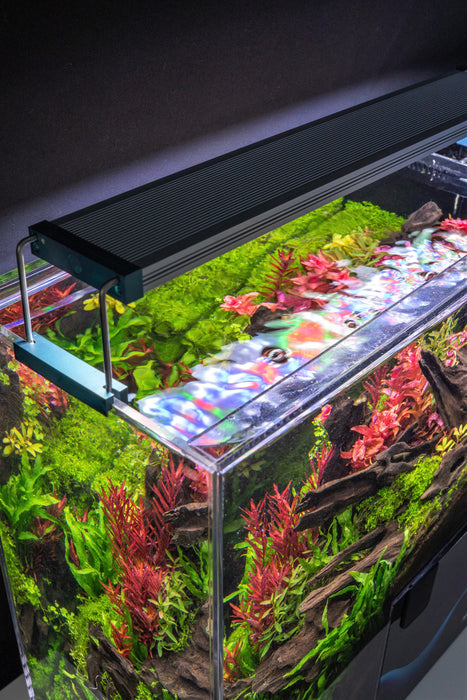
Credit: buceplant.com
Advanced Lighting Techniques
Using LED lighting in freshwater community tanks helps plants and fish stay healthy. Advanced lighting techniques improve tank life and look natural.
These techniques include using timers, simulating natural light, and connecting lights with other tank equipment.
Using Timers And Dimmers
Timers control when the LED lights turn on and off. They help keep a regular day and night cycle for the tank.
Dimmers adjust the brightness of the lights. This helps create a gentle sunrise or sunset effect in the tank.
- Set lights to turn on at sunrise and off at sunset times
- Use dimmers to slowly increase or decrease brightness
- Prevent stress by avoiding sudden light changes
Simulating Natural Light Cycles
Natural light changes during the day affect fish and plants. LED lights can mimic these changes to keep tank life balanced.
Use color temperature shifts and light intensity changes to copy morning, noon, and evening light.
- Start with soft blue light in the morning
- Use bright white light at midday
- End with warm orange light in the evening
Integrating With Other Equipment
LED lighting works best when it connects with other tank devices. This creates a smart and healthy environment.
Link lights with heaters, filters, or CO2 systems to match the tank’s needs throughout the day.
- Sync lights with heater cycles for stable temperature
- Coordinate lighting with filter run times for water clarity
- Adjust light based on CO2 injection schedules for plants
Frequently Asked Questions
What Are The Benefits Of Led Lighting For Freshwater Tanks?
LED lighting is energy-efficient and produces less heat. It enhances fish colors and supports plant growth. LEDs have a long lifespan, reducing replacement costs. They also offer customizable light spectrums to suit various freshwater species.
How Does Led Lighting Affect Freshwater Plants?
LED lights provide the right spectrum for photosynthesis. This promotes healthy plant growth and vibrant colors. Adjustable intensity helps mimic natural light cycles. Proper lighting prevents algae overgrowth and maintains tank balance.
Can Led Lighting Improve Fish Health In Community Tanks?
Yes, LED lighting reduces stress by simulating natural daylight. It enhances fish coloration, making them more visible. Proper lighting supports natural behaviors and feeding patterns, improving overall health.
What Is The Ideal Led Light Spectrum For Freshwater Tanks?
A full spectrum LED light with red, blue, and green wavelengths is ideal. It promotes plant photosynthesis and highlights fish colors. Adjustable spectrums help customize lighting for specific tank inhabitants.
Conclusion
LED lighting helps keep freshwater tanks bright and healthy. It uses less energy and lasts a long time. Fish and plants grow well under the right light. Choosing the correct LED light makes a big difference. It also makes your tank look beautiful.
Small changes in lighting can improve your tank’s life. Simple, effective lighting keeps your freshwater community happy. Try LED lights to see the clear benefits yourself. A well-lit tank is easier to enjoy every day.