
Have you ever wished your fish could show off brighter, more vibrant colors? Imagine turning your aquarium into a dazzling underwater world where every fin and scale shines with stunning brilliance.
LED lighting for fish color enhancement can make this happen. It’s not just about illumination—it’s about bringing your fish to life in a way that catches every eye. Ready to discover how the right lighting can transform your tank and make your fish the star of the show?
Keep reading, because your aquarium is about to get a whole lot more colorful.

Credit: www.aquanatureonline.com
Benefits Of Led Lighting In Aquariums
LED lighting is a popular choice for fish tanks. It helps bring out the bright colors of fish and plants.
Using LED lights can improve the look of your aquarium while saving energy and reducing heat.
Energy Efficiency And Longevity
LED lights use less electricity than other bulbs. This lowers your power bill and saves energy.
They also last much longer. You will not need to replace them often, which saves money and effort.
Customizable Light Spectrum
LEDs allow you to change the light color. This helps show off different fish colors better.
You can adjust the light to support plant growth or create a natural look in the tank.
Reduced Heat Emission
LED lights produce very little heat. This keeps the aquarium water cooler and safer for fish.
Less heat means less need for cooling devices. This makes your tank easier to manage.
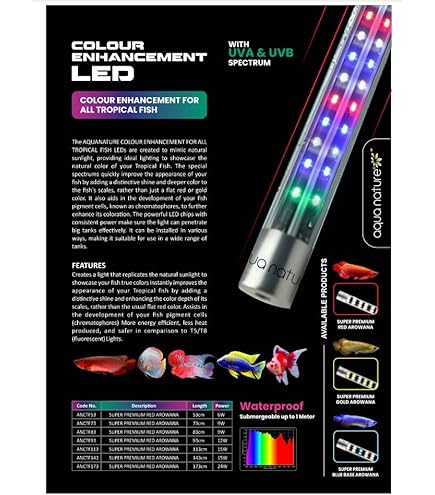
Credit: www.amazon.in
How Led Lights Enhance Fish Colors
LED lighting helps show fish colors more brightly. Fish look more vivid under the right light.
Using LED lights in aquariums can make fish appear more colorful and healthy.
Impact Of Light Spectrum On Pigmentation
Different LED light colors affect fish pigmentation. Blue and red lights often bring out the best colors.
- Blue light enhances blue and green shades.
- Red light brings out reds and oranges.
- White light shows natural colors but may be less vivid.
- Mixing colors can highlight multiple pigments.
Role Of Intensity And Duration
Light intensity changes how bright fish colors look. Too much light can stress fish.
| Light Intensity | Effect on Fish |
| Low | Colors may look dull |
| Medium | Optimal color brightness |
| High | Can cause stress and fading |
The length of light exposure also matters. Around 8 to 10 hours helps fish keep strong colors.
Effects On Different Fish Species
Fish species respond differently to LED lighting. Some need special light colors to show their best hues.
- Tropical fish often show brighter colors under blue light.
- Goldfish respond well to full-spectrum white light.
- Cichlids need medium intensity to avoid stress.
- Betta fish colors glow more with red and blue mixes.
Choosing The Right Led Lights
LED lighting can bring out the best colors in your fish. Picking the right light helps your aquarium look natural and vibrant.
Different LED lights change how colors appear. It is important to know what to look for before buying LED lights for your tank.
Color Temperature Options
Color temperature shows the light’s warmth or coolness. It is measured in Kelvins (K). Lower numbers mean warm light. Higher numbers mean cool light.
- 2700K to 3500K: Gives a warm, yellow glow. Good for natural-looking tanks.
- 4000K to 5000K: Neutral white light. It shows bright, clear colors.
- 6000K to 7000K: Cool blue light. It helps enhance blue and silver fish colors.
- Above 7000K: Very cool, almost purple light. Best for coral tanks and strong color effects.
Brightness Levels
Brightness affects how well you see your fish. It is measured in lumens. Different fish and plants need different light strengths.
| Brightness Level | Recommended Use |
| Low (200-400 lumens) | For fish-only tanks or low-light plants |
| Medium (400-700 lumens) | For tanks with some plants and colorful fish |
| High (700+ lumens) | For planted tanks needing strong light and vivid colors |
Special Features To Consider
Some LED lights have extra features. These can help you control the tank’s look and save energy.
- Adjustable color settings: Change light colors to highlight specific fish.
- Timers: Set lights to turn on and off automatically.
- Dimmable brightness: Control light strength for day and night modes.
- Energy efficiency: Use less power while giving good light.
- Water resistance: Protect lights from splashes or humidity.
Installation Tips For Optimal Color Boost
LED lighting can improve the colors of your fish. Proper installation helps you get the best effect.
Small changes in light setup can make fish colors look brighter and more natural.
Positioning And Angle
Place LED lights above the tank for even coverage. Avoid direct glare on the glass.
Adjust the angle to shine light where fish swim most. This highlights their colors well.
- Keep lights 12 to 18 inches above water
- Use adjustable mounts to change light angle
- Try angles between 30 to 45 degrees
- Avoid shadows by adding multiple light sources
Timing And Light Cycles
Set a regular light schedule to help fish show colors. Avoid too much or too little light.
Use timers to keep light on for 8 to 10 hours daily. This mimics natural daylight for fish.
- Turn lights on at the same time each day
- Give fish 14 to 16 hours of darkness
- Adjust light time based on fish species
- Reduce light during fish breeding or stress
Combining With Other Lighting Types
Mix LED lights with other types like fluorescent or actinic lights. This creates a fuller color effect.
Use warm and cool lights together to bring out different shades in fish scales.
- Use LED for brightness and energy saving
- Add fluorescent for soft, even lighting
- Use actinic lights to enhance blues and greens
- Balance light colors to avoid fish stress
Maintaining Fish Health With Led Lighting
LED lighting helps show the bright colors of fish in aquariums. It also supports their health if used correctly. Proper lighting keeps fish active and stress-free.
It is important to balance light levels and watch fish behavior. Too much or too little light can harm fish over time.
Avoiding Overexposure
Fish can get stressed if exposed to bright LED lights for too long. Overexposure can cause color fading and health problems.
- Limit LED lighting to 8-10 hours a day
- Use timers to control light duration
- Provide shaded areas in the tank for fish to rest
- Reduce brightness if fish show signs of stress
Monitoring Behavioral Changes
Watch for changes in fish behavior to ensure lighting suits their needs. Signs of stress include hiding, loss of appetite, and erratic swimming.
| Behavior | Possible Cause | Action |
| Hiding constantly | Too much light or stress | Lower brightness or shorten light time |
| Loss of appetite | Light too harsh or long exposure | Adjust lighting schedule |
| Erratic swimming | Discomfort or stress | Check water quality and lighting |
Balancing Light With Aquarium Environment
Lighting must fit the whole aquarium setup. Plants and decorations affect how light spreads. Fish need natural-like conditions.
- Match LED light color temperature to aquarium type
- Use dimmers to create day and night cycles
- Keep water clean to allow proper light penetration
- Place plants and rocks to offer shade and hiding spots
Popular Led Brands And Models
LED lighting helps enhance fish colors in aquariums. Choosing the right brand and model can make a big difference.
Let’s explore some popular options that can make your aquarium vibrant and lively.
Top Picks For Color Enhancement
These LED lights are known for bringing out the vivid colors in your fish. They create a natural-looking environment.
- Fluval AquaSky: Offers full spectrum lighting
- Current USA Orbit: Features adjustable color settings
- Finnex Planted+: Known for its red spectrum enhancement
Budget-friendly Options
If you are on a budget, there are still great options available. These lights provide good performance without breaking the bank.
| Brand | Model | Price Range |
| Nicrew | ClassicLED | $20-$30 |
| Beamswork | DA FSPEC | $25-$35 |
| VIPARSPECTRA | Timer Control | $30-$40 |
High-end Features
For those seeking advanced features, these LED lights offer state-of-the-art technology to enhance your aquarium experience.
Consider lights with Wi-Fi control, sunrise and sunset modes, and customizable light schedules. These features provide greater control over your aquarium’s environment.
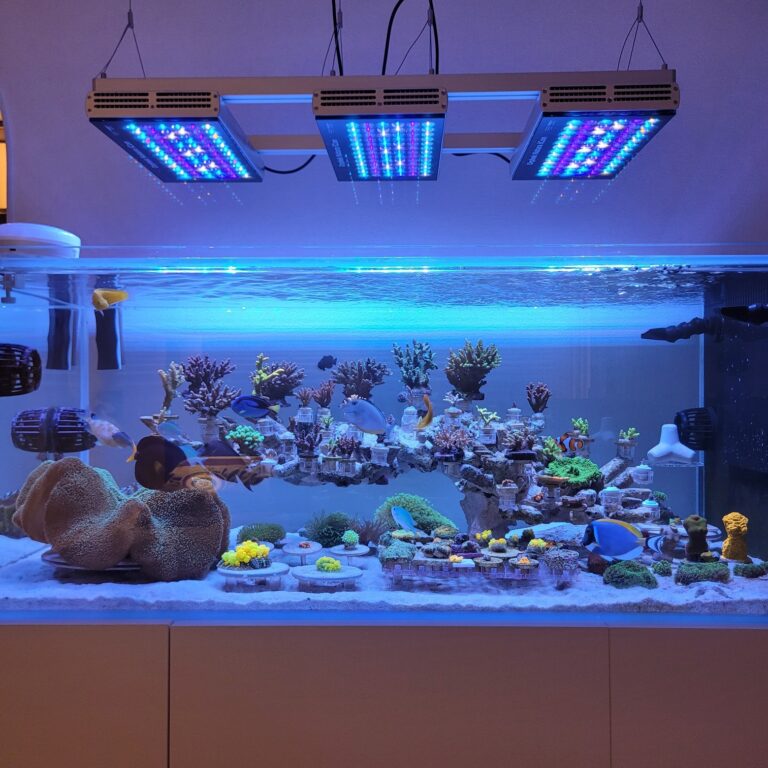
Credit: orphek.com
Frequently Asked Questions
What Is Led Lighting For Fish Color Enhancement?
LED lighting uses specific light wavelengths to enhance fish colors. It highlights natural hues, making fish look vibrant and healthy. This lighting is energy-efficient and customizable for different fish species and tank environments.
How Does Led Lighting Improve Fish Color?
LED lights emit tailored wavelengths that boost fish pigmentation. This stimulates color cells, enhancing brightness and contrast. Proper lighting mimics natural habitats, reducing stress and promoting vivid fish colors.
Which Led Colors Best Enhance Fish Colors?
Blue, white, and red LEDs are popular for color enhancement. Blue highlights blues and greens, red enhances reds and oranges, and white balances overall illumination. Combining these colors creates a natural and striking appearance.
Can Led Lighting Affect Fish Health?
Yes, proper LED lighting supports fish health by mimicking natural light cycles. It reduces stress and promotes normal behavior. However, excessive or improper lighting can harm fish, so correct intensity and duration are essential.
Conclusion
LED lighting helps fish show their true colors clearly. It uses less energy and lasts a long time. Fish look bright and beautiful under the right light. You can change the light to fit different fish types. This makes your aquarium more lively and nice to watch.
Choosing good LED lights is smart for any fish lover. Bright colors make the fish more fun to see every day. Try LED lighting to enjoy a colorful, healthy aquarium.